In the span of a single generation, the robot vacuum has evolved from a clumsy novelty that frequently wedged itself under furniture into an essential, high-intelligence home appliance. Modern units no longer simply "wander" until they find a wall; they utilize sophisticated LiDAR mapping, AI-driven obstacle avoidance, and advanced self-maintenance stations to ensure that floor care is a truly "set-and-forget" experience.
Whether you are a pet owner battling constant shedding or a busy professional looking to reclaim your weekends from the drudgery of household chores, the current market offers a solution for every budget. This guide synthesizes our rigorous testing at Tech Advisor to help you navigate the landscape of automated cleaning.

The Evolution of Automated Cleaning: A Chronology
The trajectory of the robot vacuum market is defined by several key technological leaps that have moved the industry from basic navigation to true home automation:
- The Early Era (2000s): The launch of the original Roomba established the category. These units relied on simple "bump-and-turn" algorithms and lacked any form of mapping.
- The Rise of Intelligence (2015–2018): Manufacturers began integrating LiDAR (Light Detection and Ranging) and cameras. This allowed robots to construct floor plans, enabling users to set virtual boundaries for the first time.
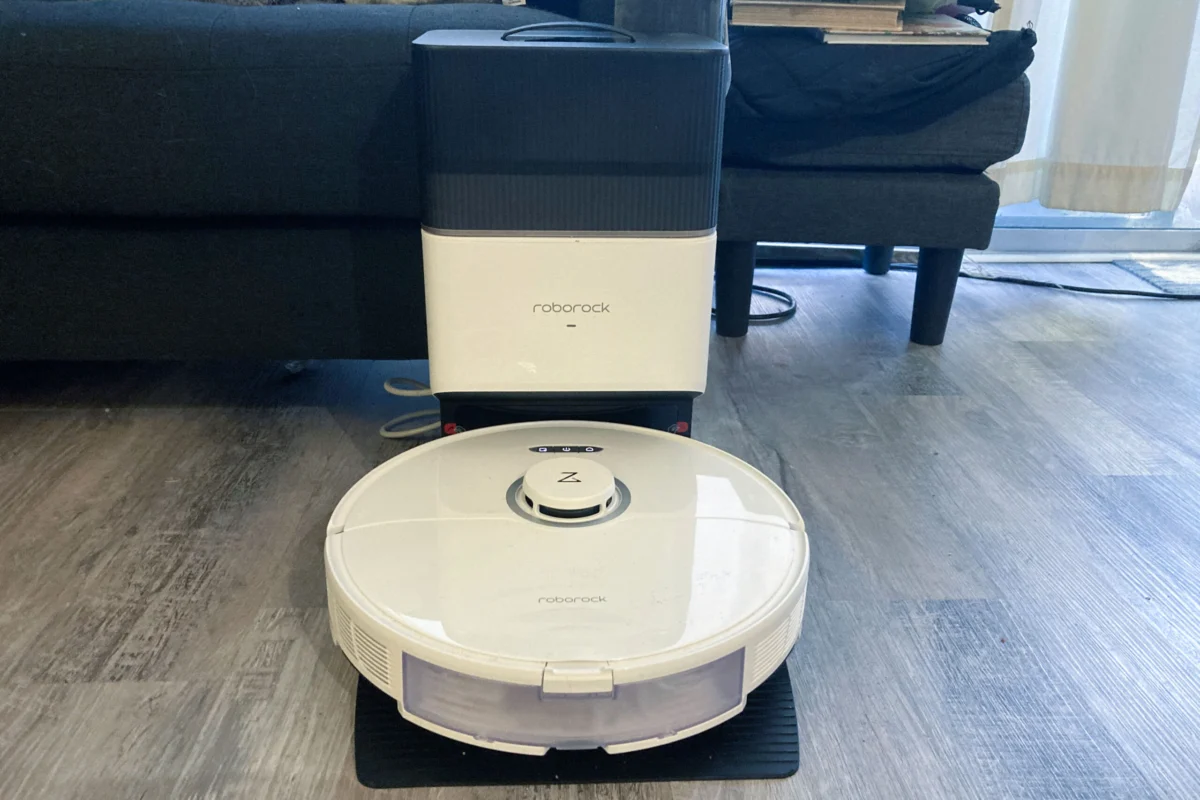
- The Self-Emptying Revolution (2019–2021): The introduction of docking stations that automatically vacuum the robot’s onboard bin into a larger, sealed bag marked a shift toward true autonomy.
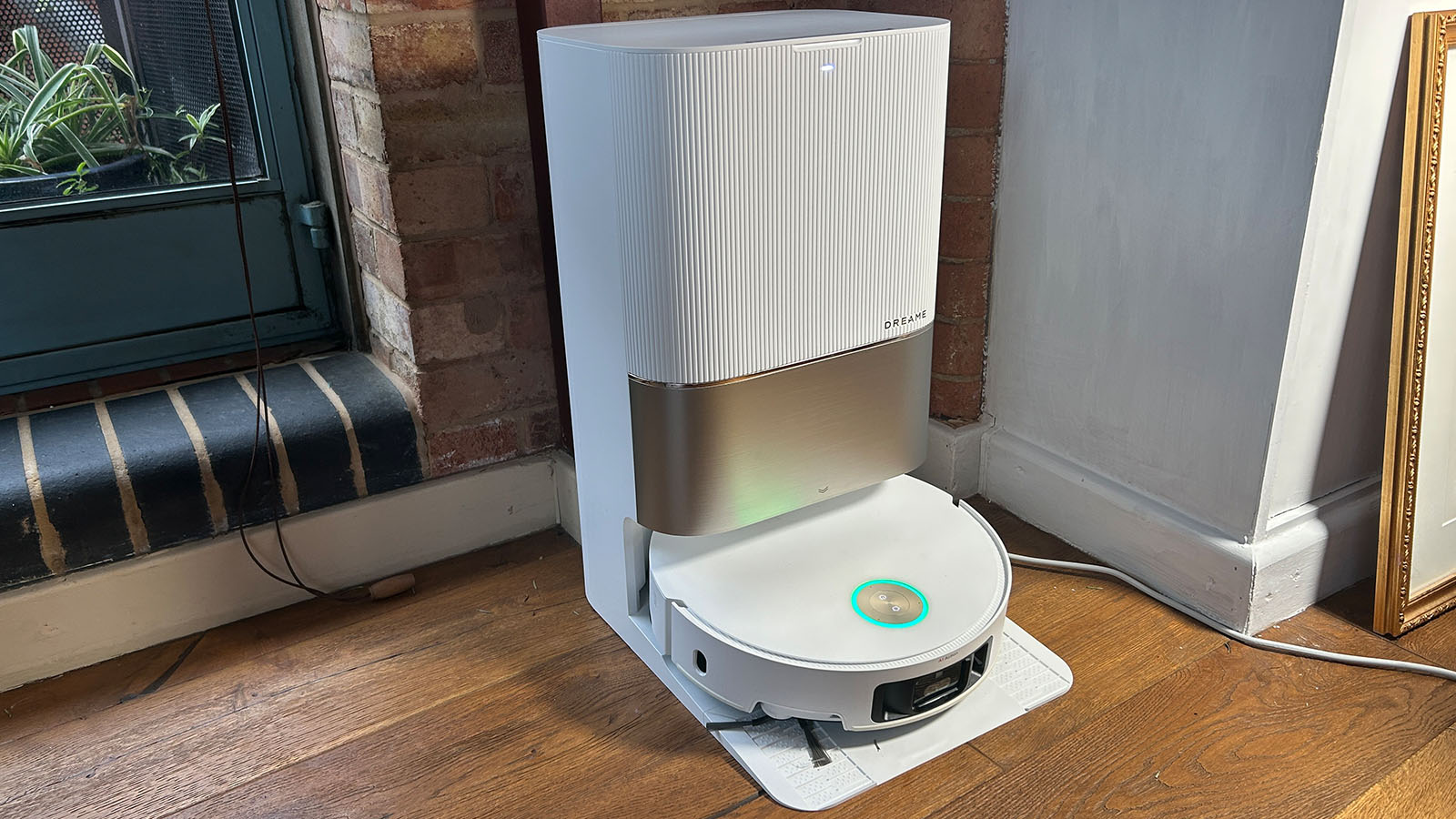
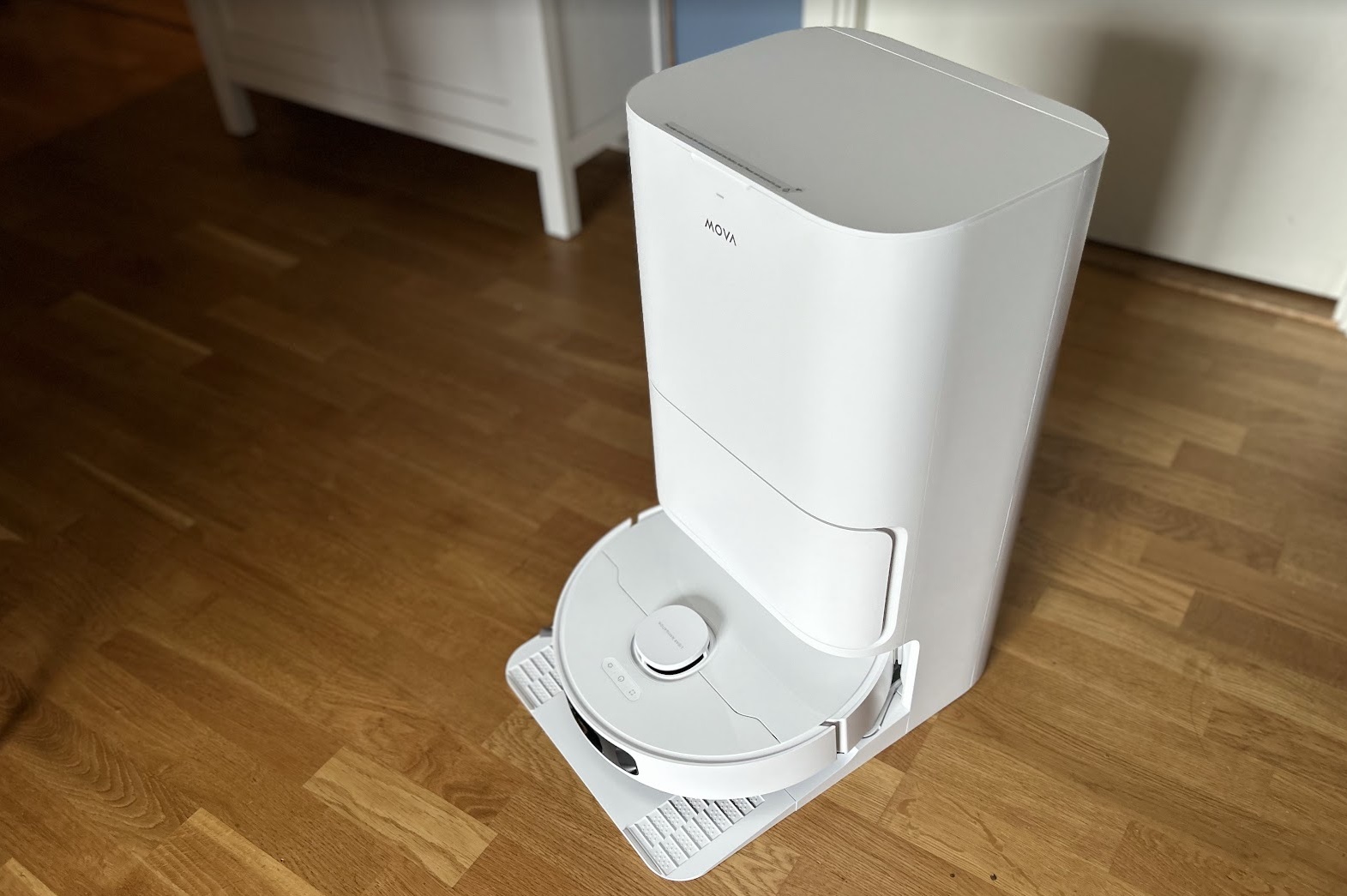
- The Era of Total Maintenance (2022–Present): Today’s flagship models, such as the Dreame X50 Ultra, have eliminated almost all manual intervention. These stations don’t just empty dust; they wash, sanitize, and dry mop pads, and even refill the robot’s internal water reservoir.
Expert Recommendations: Our Top Picks
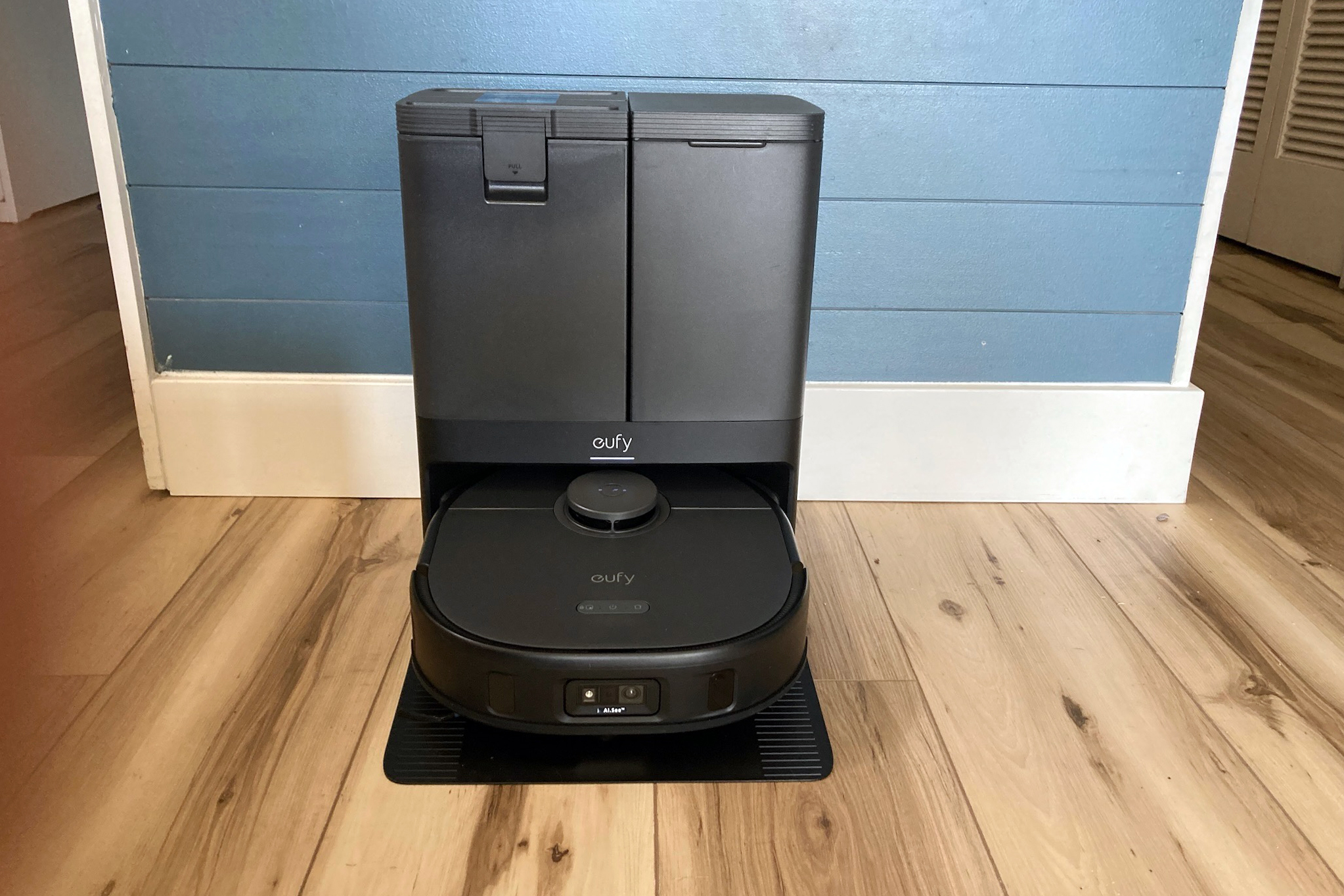
1. Eufy X10 Pro Omni: The Performance King
The Eufy X10 Pro Omni strikes a rare balance between flagship capability and mid-range pricing. With 8,000Pa of suction, it handles both hard floors and carpets with ease. Its standout feature is its AI-assisted obstacle avoidance, which accurately identifies cables, shoes, and pet accidents, marking them on your digital map in real-time.
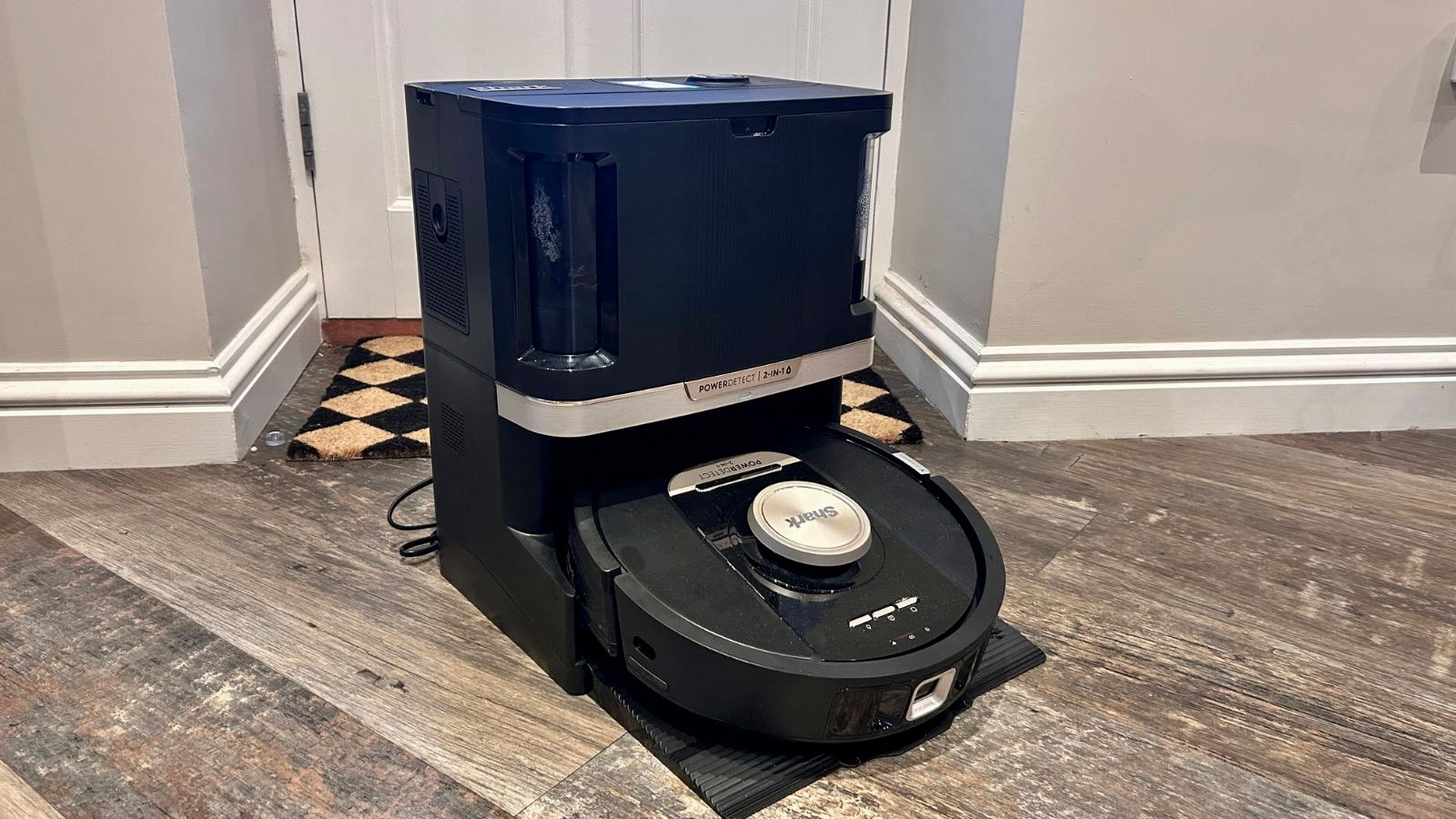
2. Shark PowerDetect NeverTouch Pro 2-in-1: The Value Leader
For those who demand a hands-off experience without the $1,500+ price tag, the Shark PowerDetect is a revelation. Its "NeverStuck" technology ensures the robot navigates complex layouts without intervention, and its dock includes an anti-odor system, a thoughtful touch for busy households.
3. Dreame X50 Ultra: The Flagship Pioneer
If you are looking for the absolute cutting edge, the X50 Ultra is currently unparalleled. Its "ProLeap" technology—robotic legs that lift the chassis—allows it to traverse thresholds and small steps that would stop other vacuums in their tracks. It is the ultimate tool for complex, multi-level homes.
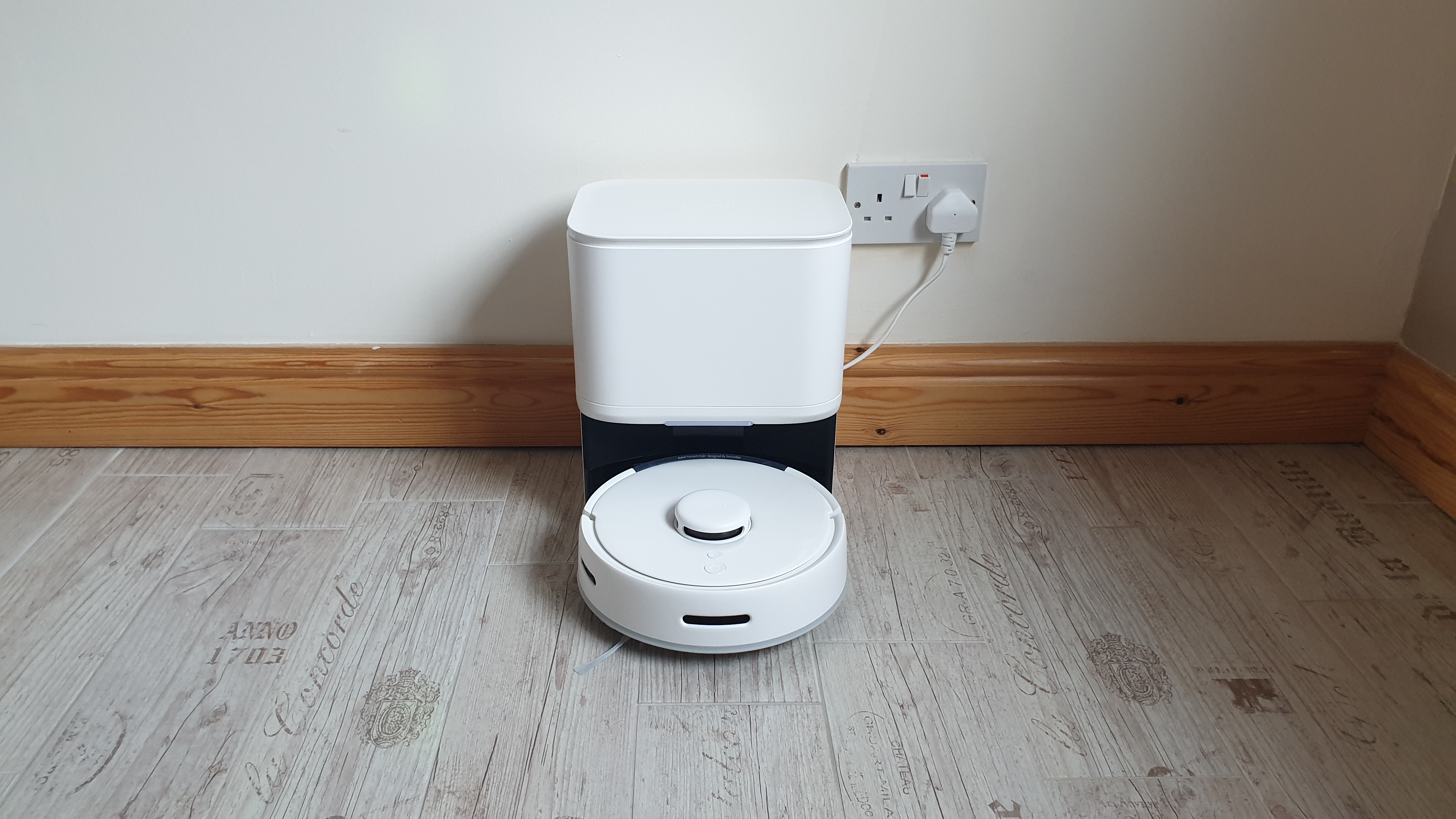
4. SwitchBot Mini K10+: The Space-Saver
Not every home has room for a massive, skyscraper-sized dock. The K10+ is half the size of a standard robot, making it ideal for apartments or tight hallways. Despite its small footprint, it manages to retain the self-emptying functionality that makes life easier.
Supporting Data: Why Specifications Matter
When shopping for a robot vacuum, consumers often get lost in marketing jargon. Here is how to interpret the technical data:
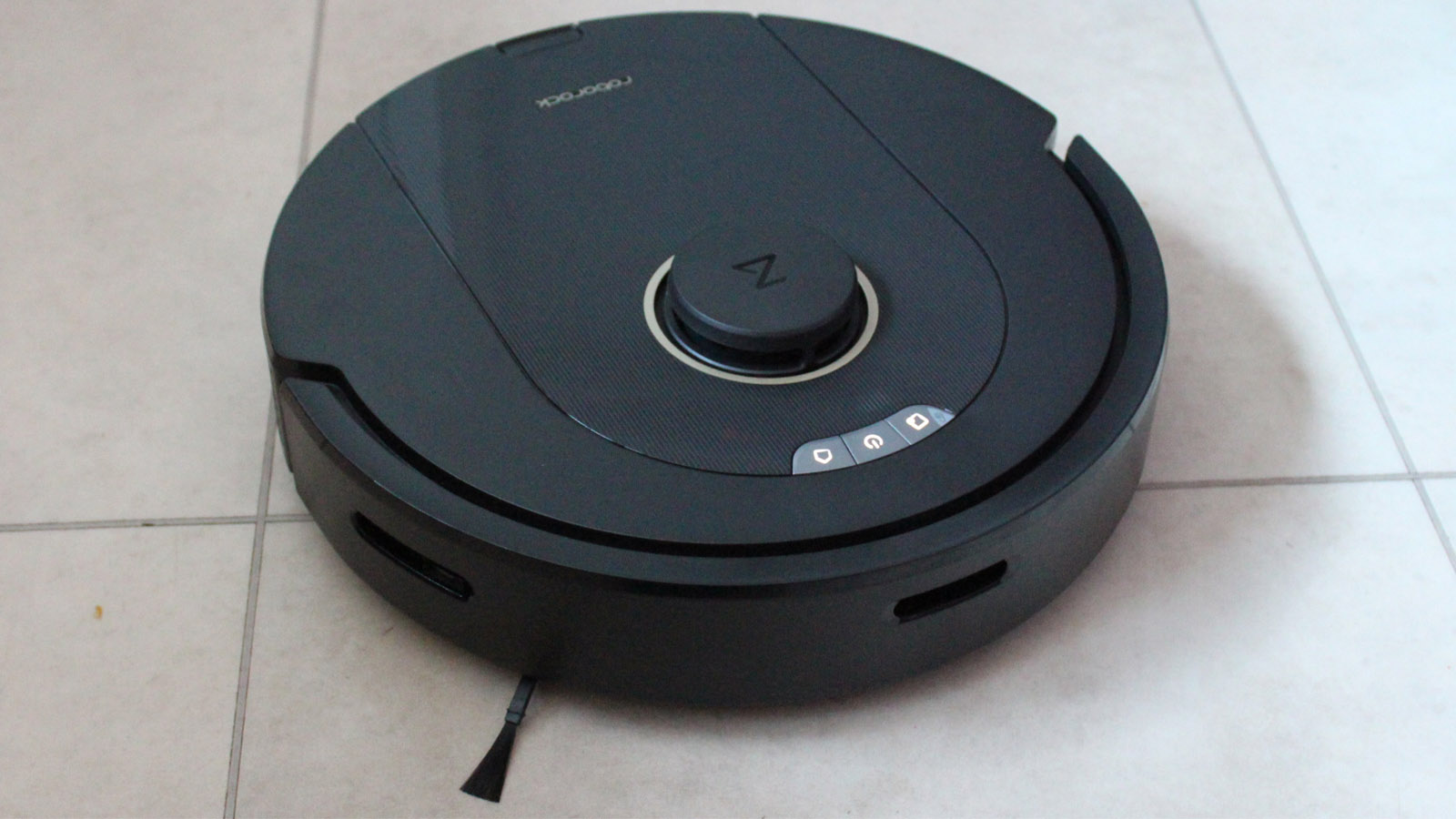
- Suction Power (Pa): Measured in Pascals. For hard floors, 2,000–3,000Pa is sufficient. If you have thick carpets or pets, look for models exceeding 5,000Pa.
- Height Profile: A standard robot is 10–12cm tall. If your sofa has a 9cm clearance, you must prioritize low-profile models (like the SwitchBot or Eufy X8 Pro) to ensure those hidden dust bunnies are removed.
- Bin Capacity vs. Self-Emptying: A standard onboard bin holds roughly 300–500ml. Without an auto-empty station, you will be emptying the unit every 1–2 days. An auto-empty dock can extend this interval to 60–90 days.
Navigating the "Smart" Features: Official Perspectives
Most manufacturers now provide robust mobile applications to control these devices. Our testing confirms that the app experience is just as important as the hardware itself. A high-quality app should provide:
- Multi-Floor Mapping: Essential for homes with stairs.
- Exclusion Zones: The ability to draw "no-go" lines around pet bowls, fragile decor, or messy cables.
- Scheduling: Granular control allowing you to clean the kitchen at 8:00 AM and the bedrooms at 10:00 AM.
- Maintenance Alerts: Proactive notifications regarding filter life and brush roll tangles.
Implications: The Reality of Robot Ownership
Despite the rapid advancements, it is crucial to temper expectations. A robot vacuum is a maintenance tool, not a total replacement for manual labor.
The "Staircase" Reality
No robot currently on the market can climb stairs. While they possess drop sensors to prevent them from falling down steps, they cannot navigate a multi-story home without being physically carried. If you live in a multi-story house, you must decide whether to move the robot manually or purchase a separate unit for each level.
The Mop Conundrum
Many users are disappointed by "hybrid" models that use a simple, static microfiber cloth. These units essentially drag a wet rag across the floor—a process that is ineffective against dried, sticky spills. If you have significant hard flooring and prioritize mopping, you must invest in a unit that uses rotating, pressure-applied mop pads (like the Dreame or Eufy Omni series).
The "Long-Term" Buy
For those skeptical of the "smart" trend, the Miele Scout RX3 remains a compelling option. It lacks the advanced mapping of its competitors, but it is engineered for longevity. In an industry where many robots are replaced every 2–3 years, Miele’s focus on hardware durability suggests a product built to last half a decade or more.
Frequently Asked Questions (FAQs)
Q: Can a robot vacuum truly clean carpets?
A: Yes, but with caveats. Robots with rotating brush bars are excellent at lifting hair and surface debris from carpet fibers. However, they lack the deep-suction power of a full-sized upright vacuum. We recommend using a robot for daily maintenance and a standard vacuum for deep cleaning once every two weeks.
Q: How do I handle pet waste?
A: This is the "nightmare scenario" of robot ownership. Modern flagship models use AI-camera systems to detect and avoid solid waste. If you have pets that are not fully house-trained, this specific feature is not a luxury—it is a necessity.
Q: Are these machines worth the high entry cost?
A: If you value your time at a reasonable hourly rate, the return on investment is significant. If a robot saves you three hours of cleaning per week, it pays for itself in labor value within the first year of operation.
Final Verdict
The best robot vacuum for you depends on your floor plan and your lifestyle. If you want the most autonomous experience possible, invest in a "Station" model that handles both bin emptying and mop cleaning. If you live in a smaller space, look for compact, low-profile models.
By analyzing your home’s specific needs—threshold height, pet presence, and square footage—you can choose a device that moves you from being a floor-cleaner to a floor-manager. The technology has matured; the era of "set it and forget it" cleaning is finally here.