In the quiet town of Joure, Netherlands, a sonic revolution has been brewing since 1982. Aliud Records, the current NativeDSD Label of the Month, stands as a testament to the idea that music is not merely something to be heard, but an environment to be inhabited. Founded and led by the indefatigable Jos Boerland, the label has spent over four decades navigating the turbulent waters of the music industry by prioritizing technical innovation, deep artistic collaboration, and an unwavering commitment to high-fidelity sound.
From its humble beginnings as a "hobby that got out of hand" to its current status as a pioneer in 3D and immersive audio, Aliud Records has remained a beacon for audiophiles and music lovers who refuse to compromise on the integrity of the listening experience.
The Genesis: From Percussionist to Producer
The story of Aliud Records is intrinsically linked to the career of its founder, Jos Boerland. An accomplished percussionist, Boerland’s entry into the world of recording was a matter of circumstance. Around 1978, while a student at the conservatory, he walked into Eringa Geluid, a hi-fi boutique in Groningen. The store’s salesperson, Bert Oling, was seeking someone to record a performance of Hendrik Andriessen’s Kuhnau Variations featuring the Regional Youth Orchestra. Because the score lacked percussion parts, Boerland—a member of the orchestra—was tasked with the recording duties.
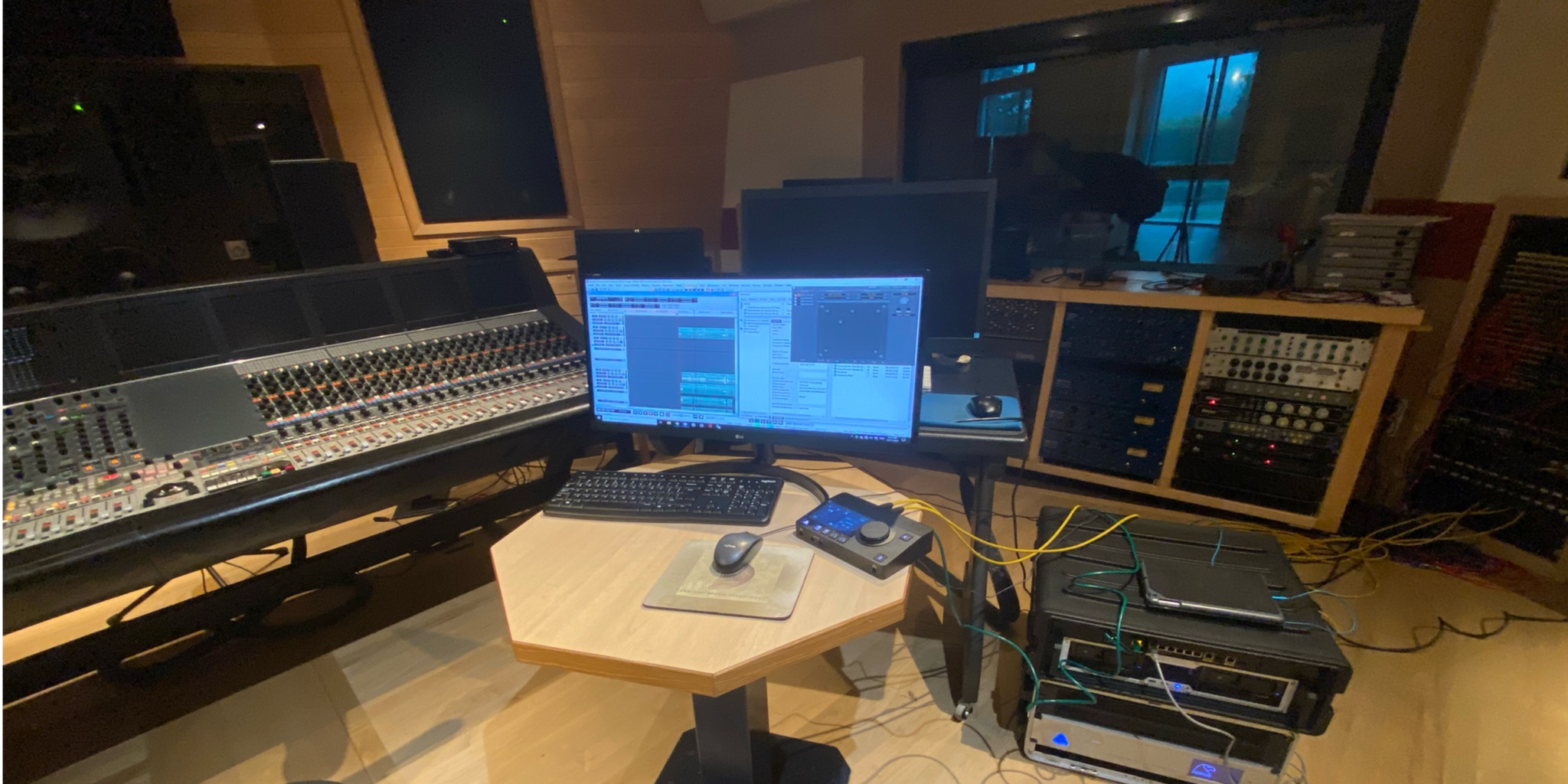
That first session was the catalyst for a lifelong obsession. It opened the door to a world where the technical capture of sound became as creative an act as the performance itself. By 1982, the demand for his services had grown to the point where a formal identity was required. When the ensemble Super Librum approached him to record their debut album, the label was born. The name, Aliud—Latin for "different"—was suggested by Jan Kees Braaksma of Super Librum, perfectly capturing Boerland’s reputation as an unconventional thinker who preferred to carve his own path rather than follow the established industry mold.
Chronology of an Immersive Evolution
The trajectory of Aliud Records can be viewed through the lens of technological advancement and shifting musical paradigms.
- 1982: Official launch of Aliud Records with the debut album of Ensemble Super Librum.
- 1980s: Boerland embraces the early digital revolution, investing in Sony mastering systems and U-Matic tape technology to secure the future of his recordings.
- 1996–2005: A period of professional transition as Boerland joins music publisher De Haske. During this time, he refines his studio expertise, eventually realizing that his vision for high-fidelity, independent production required a more focused, dedicated vehicle.
- 2005: The "re-birth" of Aliud Records. Boerland pivots to prioritize innovation, searching for a competitive edge that justifies the existence of a boutique label in a market saturated by major-label dominance.
- 2008: The pivotal year. Boerland begins experimenting with 3D Audio, recognizing that standard stereo was insufficient to capture the true atmosphere of a live performance.
- 2008–Present: A professional alliance is formed with Wilfried Van Baelen of Galaxy Studios. This partnership proves transformative, as Boerland integrates Auro-3D technology into his production workflow, making it a cornerstone of every Aliud release.
The Philosophy of "Different"
To understand Aliud Records, one must understand its definition of the "musical ecosystem." Boerland rejects the rigid compartmentalization of genres. To him, the barrier between early music and jazz is thinner than most listeners realize. "Early music was originally improvised music, just like jazz," he notes. By bridging these worlds, the label creates a catalog that is as diverse as it is cohesive.
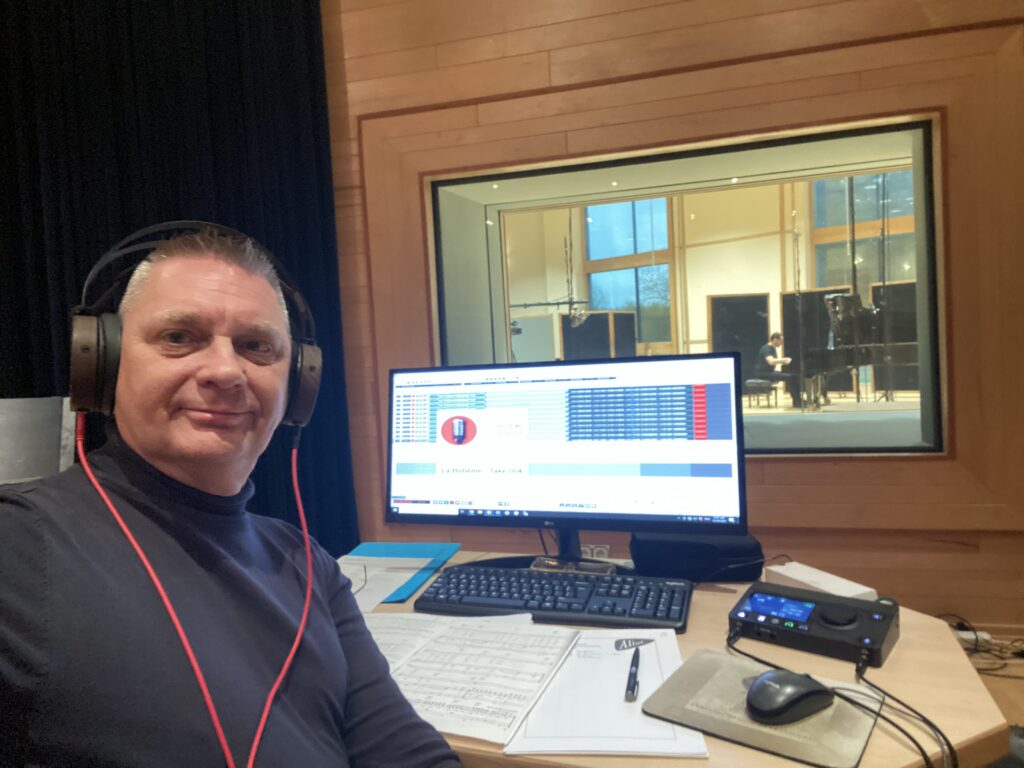
The label’s philosophy regarding artist relations also sets it apart. While the turn of the millennium saw a seismic shift where many classical musicians were forced to self-finance their recordings and approach labels merely for distribution, Aliud maintained a different stance.
"We have never worked that way," Boerland explains. "We record everything ourselves in close collaboration with the musicians. My starting point is simple: I believe in our musicians and in the repertoire. A CD is a calling card—an extension of their live performances. A small but strong label with international distribution can act as a vital springboard for these artists."
This collaborative model has paid dividends in critical acclaim. The label’s track record includes a Grammy nomination for the tango album Ahora, an Edison Award for the jazz project The Shakespeare Album, and the successful launch of harpist Anneleen Lenaerts’ career with her award-winning debut, Chopin & Liszt.
Technical Mastery: The Third Dimension
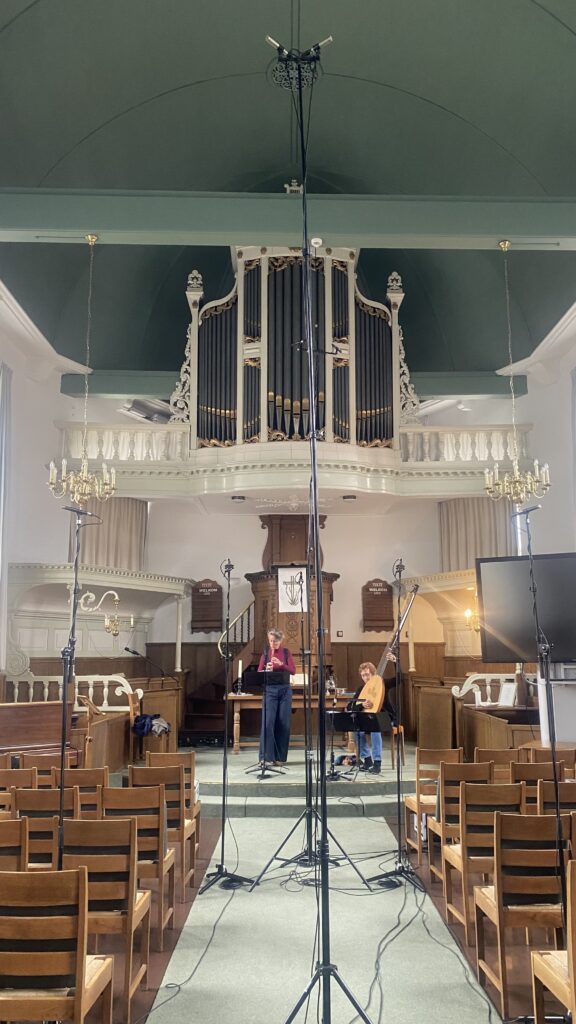
The most significant contribution Aliud Records has made to the industry is its relentless pursuit of immersive sound. For Boerland, the traditional left-to-right stereo image was a flat representation of a three-dimensional event.
"It was not only left/right or front/back that mattered," Boerland explains. "Height proved to be essential."
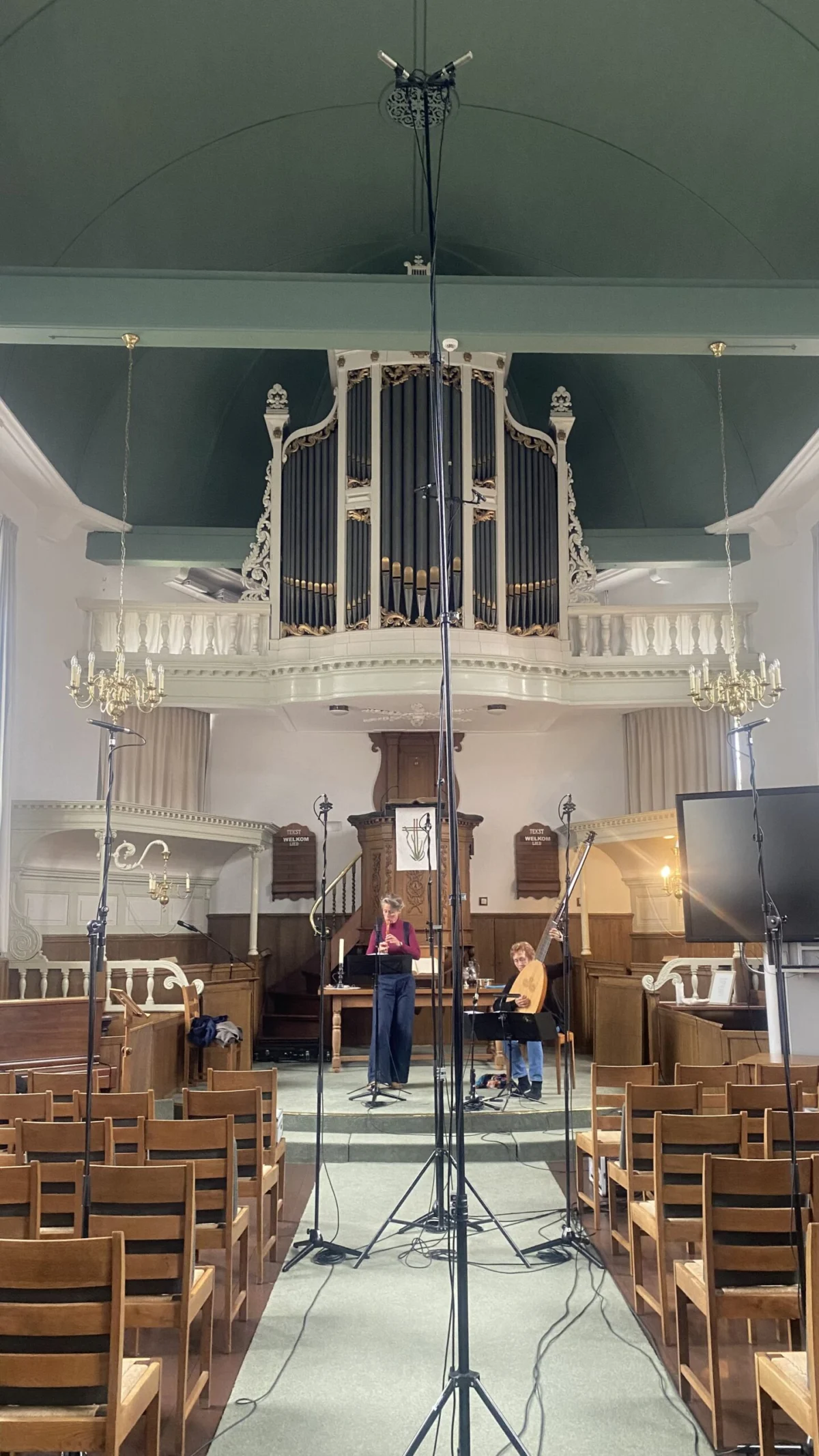
By 2008, when he began his research into 3D audio, the technology was in its infancy. His encounter with Wilfried Van Baelen—a visionary who was simultaneously developing the Auro-3D format—marked the beginning of a new chapter. By adopting immersive sound, Aliud shifted from being a mere documenter of music to being an architect of acoustic space. When a listener puts on an Aliud record, they are not simply hearing a performance; they are being transported into the specific acoustic footprint of the venue where it was captured.
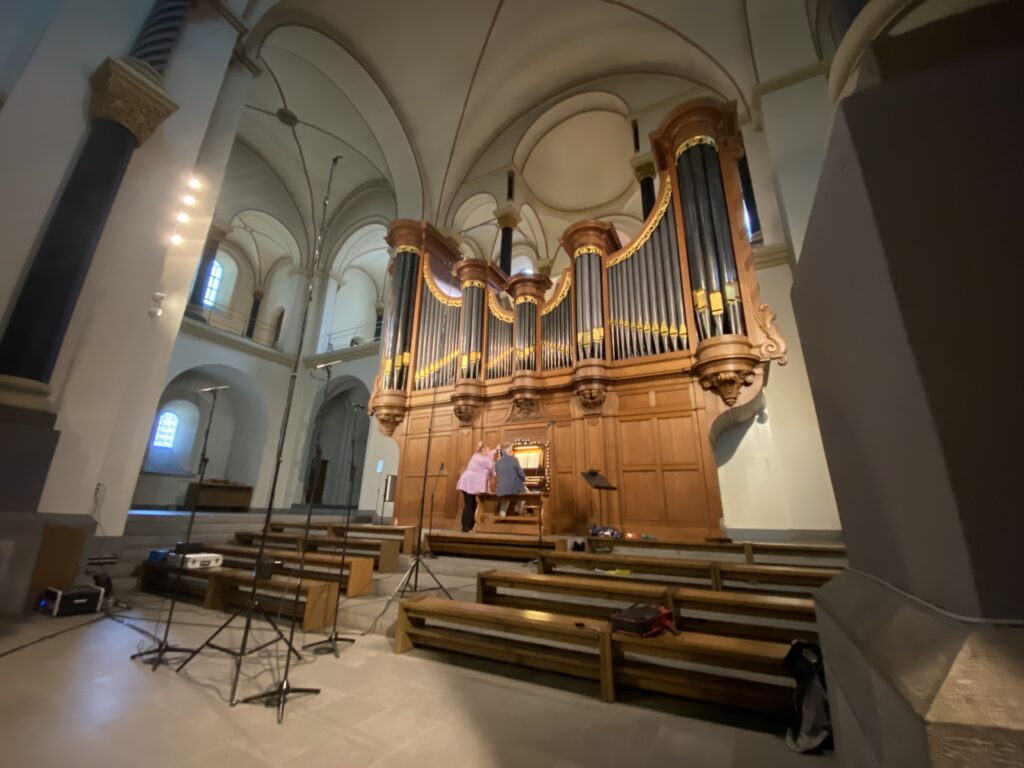
This approach is best exemplified in their recent collaborative projects with the Frisian Music Archive and the City Archive of Jülich. These projects, which capture regional history and composition, demonstrate that "high-fidelity" is not just about technical specs—it is about preserving the cultural and emotional weight of a performance with absolute clarity.
Implications for the Future of Independent Labels
The success of Aliud Records serves as a case study for the survival of independent labels in the streaming era. While the "golden age" of the CD has long since passed, the label has thrived by focusing on three core pillars:
- Niche Specialization: By focusing on high-resolution, immersive audio, Aliud has captured the loyalty of the audiophile market—a segment that values quality over the convenience of compressed streaming.
- Technological Agility: By being early adopters of new audio formats (from digital tape to 3D immersive), they have ensured that their catalog remains relevant and technically superior to legacy recordings.
- Human-Centric Business Models: By refusing to offload the financial burden of recording onto the artists, Aliud has fostered a culture of trust. This, in turn, attracts high-caliber talent who want a partner, not just a distributor.
Final Reflections
As we look toward the future of recorded music, the lessons from Joure remain clear. Technology is a powerful tool, but it must always remain subservient to the music itself. Whether it is a solo harpist or a full-scale orchestral ensemble, the goal of Aliud Records is to eliminate the distance between the listener and the emotion of the performer.
"Technology is wonderful," says Boerland, "but in the end, it is about the emotion and experience of the composition and the performance—those are the starting points."
For those who have yet to explore the label’s catalog, the invitation is simple: step into the third dimension. With a history that spans four decades and a vision that is firmly fixed on the next, Aliud Records continues to prove that "different" is not just a name—it is a standard of excellence.
To explore the current collection and experience the depth of Aliud’s immersive soundscapes, visit the NativeDSD label page.