Whether you are an aspiring meteorologist, a dedicated storm chaser, or simply a homeowner who wants to know exactly when to pull the patio furniture in before a squall, a high-quality home weather station is an indispensable tool. While smartphone apps are convenient, they often rely on regional airports or distant stations that fail to capture the unique microclimates of your own backyard. In the world of meteorology, local data is king—and nothing beats the precision of having your own sensors monitoring the air right outside your door.
Main Facts: Why You Need Your Own Data
Modern smartphone weather applications are notoriously unreliable when it comes to hyper-local precision. A storm can dump an inch of rain on one side of a town while leaving a neighboring suburb completely dry. Because public forecasts are often broad generalizations, a home weather station provides a vital, granular look at your immediate environment.

Since 2016, our team at TechHive has rigorously tested hundreds of devices, ranging from budget-friendly hobbyist kits to professional-grade equipment designed for scientific research. We evaluate these systems based on three primary pillars: sensor accuracy, build durability, and smart home integration.
The best stations today do more than just report temperature and humidity. They serve as "smart home triggers." Imagine your outdoor lighting automatically activating when a storm darkens the sky at midday, or your smart irrigation system pausing its scheduled watering because your rain gauge detected a light drizzle. This level of automation is no longer the domain of DIY tech enthusiasts; it is now accessible to the average consumer.
Chronology of Home Weather Technology
The evolution of personal weather monitoring has moved at a rapid pace over the last decade.
- 2016–2018: The era of basic wireless consoles. Most devices were "all-in-one" units, which were convenient but suffered from high failure rates—if the wind sensor broke, you often had to replace the entire array.
- 2019–2021: The rise of cloud connectivity. Manufacturers began integrating Wi-Fi and Bluetooth, allowing users to view data on smartphones from anywhere in the world. Services like IFTTT became the gold standard for smart home integration.
- 2022–2024: The shift toward modularity and solar efficiency. Modern systems, such as our top-rated picks, now utilize high-efficiency solar panels and internal capacitors, meaning users rarely have to change batteries.
- Late 2024: The introduction of the Ambient Weather WS-4000. As of November 12, 2024, this unit has set a new benchmark for the "best all-around" consumer station, balancing cost, feature set, and software reliability.
Top Picks: The Current Market Leaders
1. Ambient Weather WS-4000 (Best for Most People)
The WS-4000 has quickly become the gold standard for the average homeowner. It provides a robust, intuitive interface and benefits from Ambient Weather’s industry-leading software ecosystem. While it shares some design DNA with the more affordable Ecowitt Wittboy Pro, the WS-4000’s software support and console experience make it the superior choice for users who want "set it and forget it" reliability.

- Pros: Excellent software, highly expandable with additional sensors (soil moisture, UV, etc.), and a top-tier indoor console.
- Cons: The haptic rain sensor, while convenient, lacks the absolute precision of a mechanical tipping-bucket gauge.
2. WeatherFlow Tempest (The Smart Runner-Up)
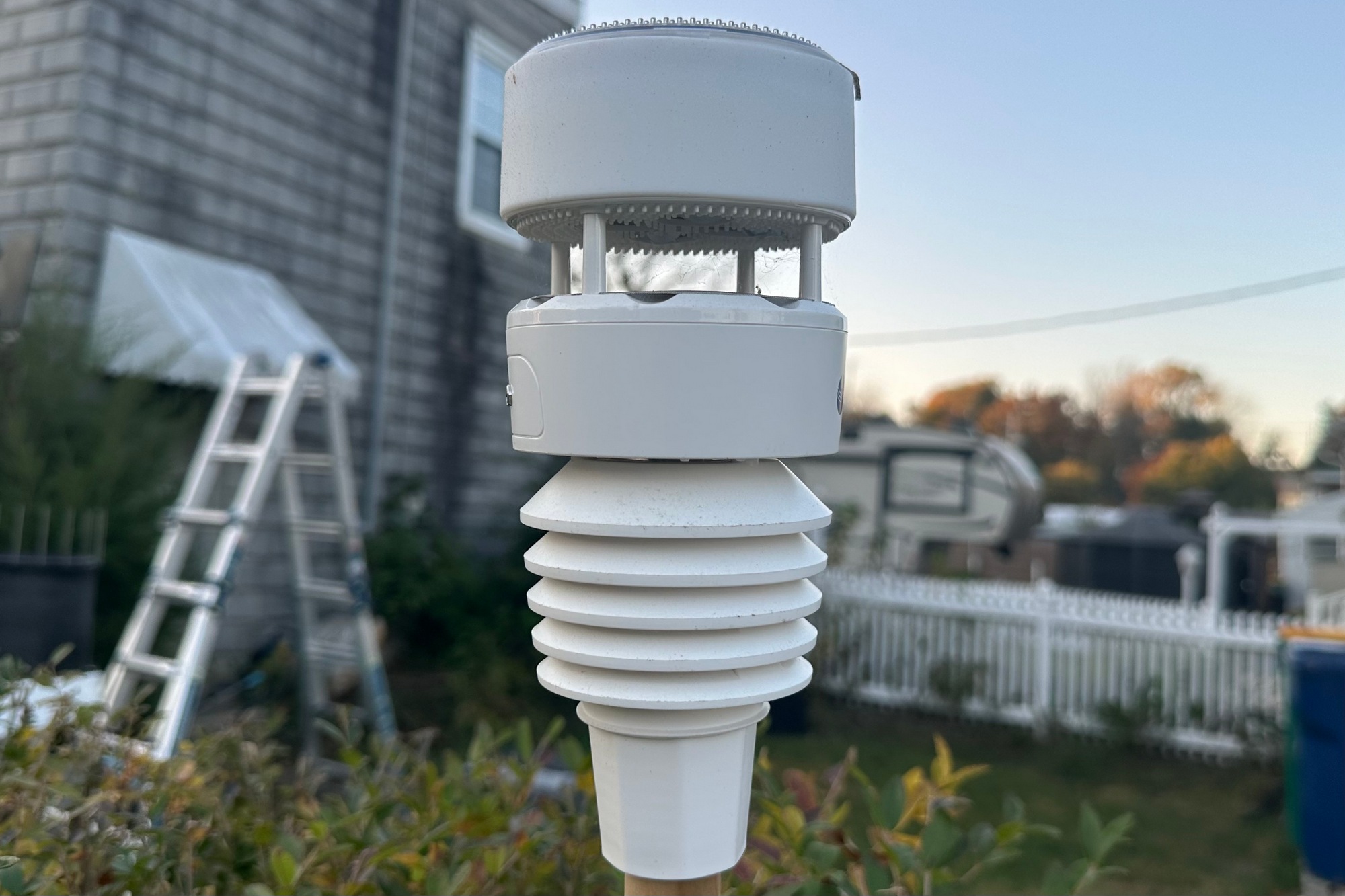
The Tempest is a marvel of engineering because it houses all its sensors—wind, rain, temperature, and humidity—in a single, sleek, maintenance-free unit. It is the easiest system to install on the market.
- Why we like it: It is the undisputed king of lightning detection. If you live in an area prone to severe electrical storms, this unit is worth the price of admission alone. It also integrates seamlessly with IFTTT, allowing for sophisticated smart home automation.
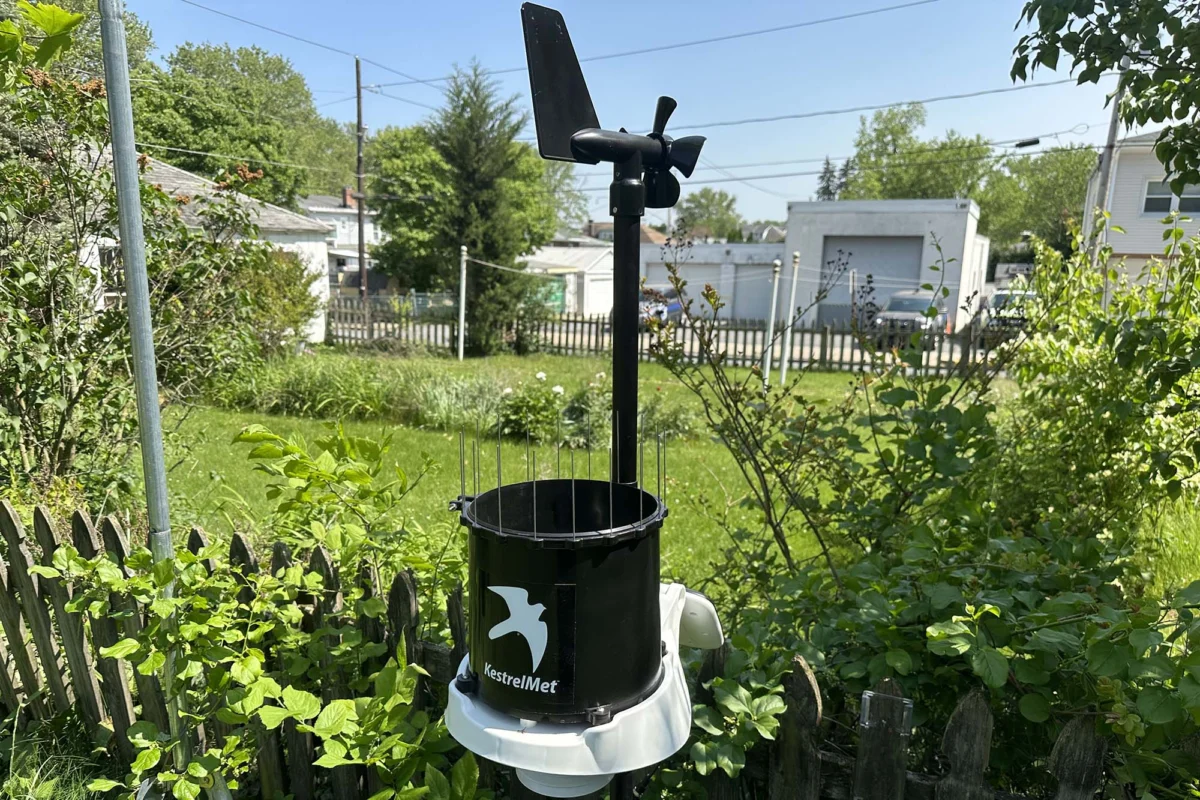
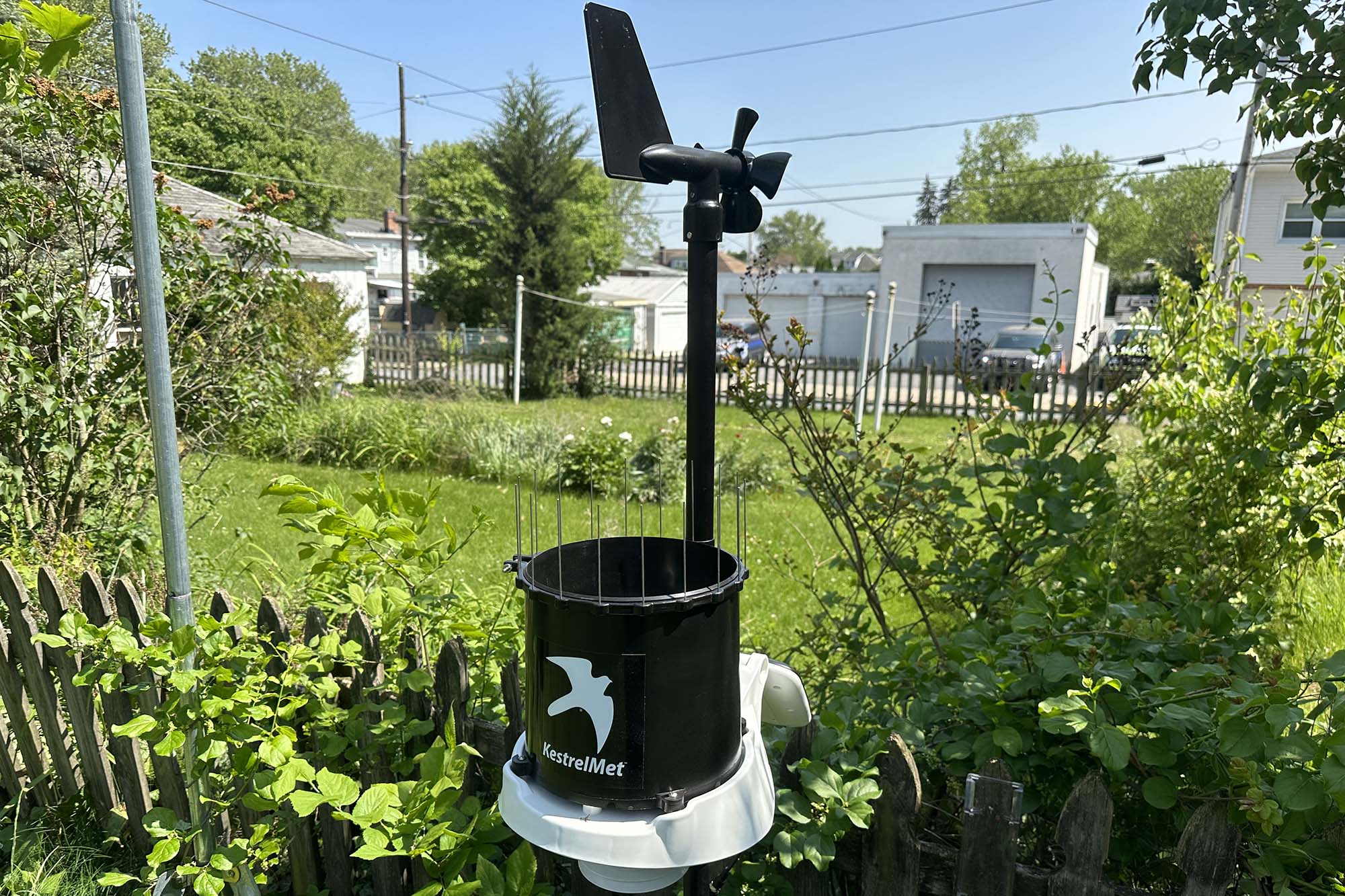
3. KestrelMet 6000 (The Professional Enthusiast’s Choice)
If you require scientific-grade accuracy, the KestrelMet 6000 is the pinnacle of consumer-available hardware. Kestrel is a legendary name in the environmental monitoring industry, and they have successfully brought their military-grade pedigree to the home market.

- Performance: We use the KestrelMet 6000 as our "ground truth" reference station to judge the accuracy of every other device we test. It is durable, precise, and built to survive the harshest conditions. It carries a premium price tag, but for the hardcore enthusiast, it is the only choice.
Supporting Data: How We Test for Accuracy
TechHive’s testing protocol is exhaustive. Every unit undergoes a minimum of 30 days of testing. We calibrate our observations against a local National Weather Service (NWS) site located 3.7 miles from our testing facility.
We account for local variability by analyzing:
- Temperature/Humidity Deviation: We measure against local NWS records to ensure the station is not suffering from "urban heat island" effects or poor sensor housing.
- Rainfall Consistency: We compare total precipitation volume against manual gauges.
- Wind Gust/Direction: We test how the station handles gusty conditions versus sustained winds.
Our findings consistently show that "cheap" weather stations—those typically found in big-box discount hardware stores—rarely provide value. They often suffer from 10–15% margins of error, particularly in humidity and rainfall. In contrast, mid-to-high-end stations usually maintain a variance of less than 5%, which is sufficient for almost any home-based meteorological requirement.
Implications: The Importance of Placement
A weather station is only as good as its placement. Even a $1,000 professional sensor will provide garbage data if installed incorrectly.

- Temperature and Humidity: These sensors must be in a shaded, well-ventilated area, preferably 4 to 6 feet above a grassy surface. Never place them near concrete or asphalt, which radiate heat long after the sun goes down, nor near a home’s exhaust vents.
- Rain Gauges: These should be clear of obstructions. The NWS rule of thumb is to place the gauge at a distance from an object equal to the object’s height. This prevents "splash-back" and wind-shadowing effects.
- Anemometers: The wind gauge is the hardest to master. While professional stations measure wind at 33 feet, most homeowners cannot achieve this. Aim for at least 10 feet above your roofline and ensure the wind vane is calibrated to true north, not magnetic north.
Final Verdict
If you are buying your first station, look for expandability. You do not need to buy the most expensive unit on day one. A mid-range, modular system allows you to add soil moisture sensors for your garden or indoor air quality monitors later.
As noted by our contributor Ed Oswald, who brings two decades of tech journalism and formal meteorological study to our reviews, the goal of a home weather station isn’t just to see the temperature—it’s to understand the living, breathing environment of your own backyard. Whether you choose the accessible Ambient Weather WS-4000 or the robust KestrelMet 6000, you are taking the first step toward becoming a true steward of your local climate.