Reimagining the Sonic Identity of the FIFA World Cup: A Bold Proposal for 2026
027 mins
Main Facts: Reimagining the Sonic Identity of the 2026 World Cup
Every four years, the FIFA World Cup showcases the pinnacle of athletic evolution. Teams arrive sporting state-of-the-art, aerodynamically optimized kits, executing highly sophisticated tactical systems on hybrid-grass pitches, all broadcast in ultra-high-definition 4K. Yet, amidst this relentless modernization, one aspect of the pre-match ritual remains stubbornly frozen in time: the national anthems.
As 48 nations prepare to descend upon Canada, Mexico, and the United States for the expanded 2026 FIFA World Cup, players and spectators will once again stand in the sweltering heat to listen to the same 19th-century military marches and solemn state hymns. While these anthems carry deep historical weight, they often fail to reflect the contemporary creative energy, cultural diversity, and modern musical genius of the countries they represent.
This analysis presents a bold, alternative proposal: upgrading the traditional national anthems for the 2026 World Cup to a curated playlist of contemporary, avant-garde, and culturally significant music written by each nation’s most celebrated musical innovators. From German electronic pioneers to West African highlife legends, this alternative soundtrack offers a more dynamic, inclusive, and accurate reflection of global culture on the world’s grandest sporting stage.
Chronology: From Brass Bands to Global Playlists
The relationship between soccer and music has evolved significantly over the past century, moving from localized fan chants to highly produced global media campaigns:
1930–1958 (The Early Era): Pre-match music was dominated by local military brass bands playing traditional marches and national anthems. Stadium acoustics were rudimentary, and the sonic experience was highly localized.
1962 (The Birth of the Official Song): The 1962 World Cup in Chile introduced the first official tournament song, "El Rock del Mundial" by Los Ramblers, marking the beginning of commercial pop music’s integration into the tournament’s identity.
1990 (The Classical Breakthrough): Luciano Pavarotti’s performance of Giacomo Puccini’s "Nessun Dorma" for the 1990 World Cup in Italy redefined the tournament’s cultural reach, proving that dramatic, high-art vocal music could become synonymous with sporting drama.
1998–2010 (The Global Pop Boom): Hits like Ricky Martin’s "La Copa de la Vida" (1998) and Shakira’s "Waka Waka (This Time for Africa)" (2010) established the modern template of high-energy, dance-oriented global anthems designed for mass television audiences.
2026 (The Proposed Paradigm Shift): With the rise of digital streaming platforms and localized curation, the proposal to replace uniform state anthems with a diverse, genre-spanning playlist representing each country’s unique musical heritage marks the next logical step in the tournament’s cultural evolution.
Supporting Data: The 48-Country Reimagined Group-Stage Playlists
The following curated playlist organizes the 48 competing nations of the expanded 2026 World Cup into 12 groups, pairing each country with a signature track that represents its modern musical soul.
Group A
Mexico: Rother, Dinger, You and Me by Antiguo Autómata Mexicano
Rejecting the predictable brass of traditional mariachi, this track by Angel Sanchez Borges (operating under his AAM alias) offers a streamlined, low-temperature slice of microhouse. The song pays homage to Michael Rother and Klaus Dinger of the legendary German kosmische band Neu!, demonstrating Mexico’s sophisticated footprint in global electronic music.
South Africa: I Fink U Freeky by Die Antwoord
Though surrounded by persistent controversies regarding cultural appropriation and provocative public personas, the abrasive, high-octane zef-rave styling of Die Antwoord represents a raw, unforgettable facet of South Africa’s post-apartheid counterculture that would instantly electrify any stadium.
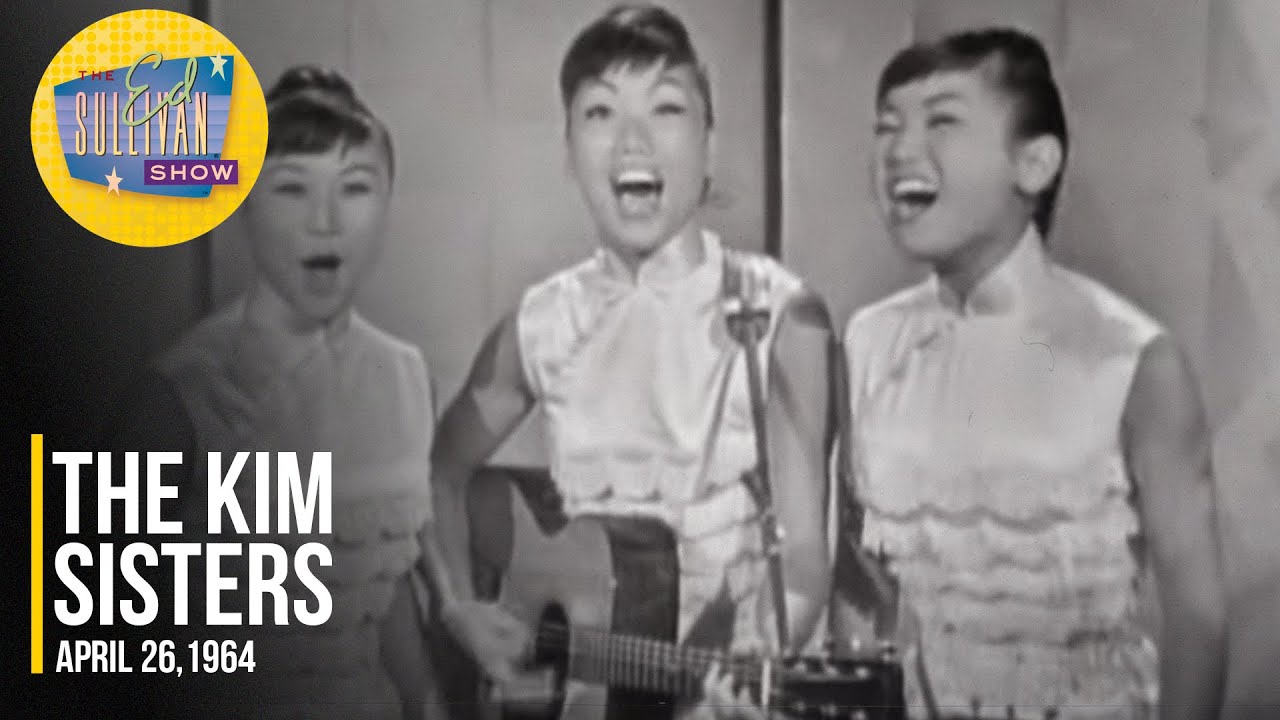
South Korea: Charlie Brown by The Kim Sisters
Decades before the global phenomenon of modern K-Pop, The Kim Sisters pioneered Korean crossover success. Playing their own instruments and learning Western pop hits phonetically, their debut on The Ed Sullivan Show predated the Beatles by nearly five years, cementing their status as cultural trailblazers.
Czechia: Nic Než Láska Tvá by Karel Gott
Known as the "Golden Voice of Prague" and the "Sinatra of the East," Karel Gott enjoyed a stellar six-decade career. This 1974 track showcases his dramatic vocal range and impeccable mid-century European pop sensibilities.
Group B
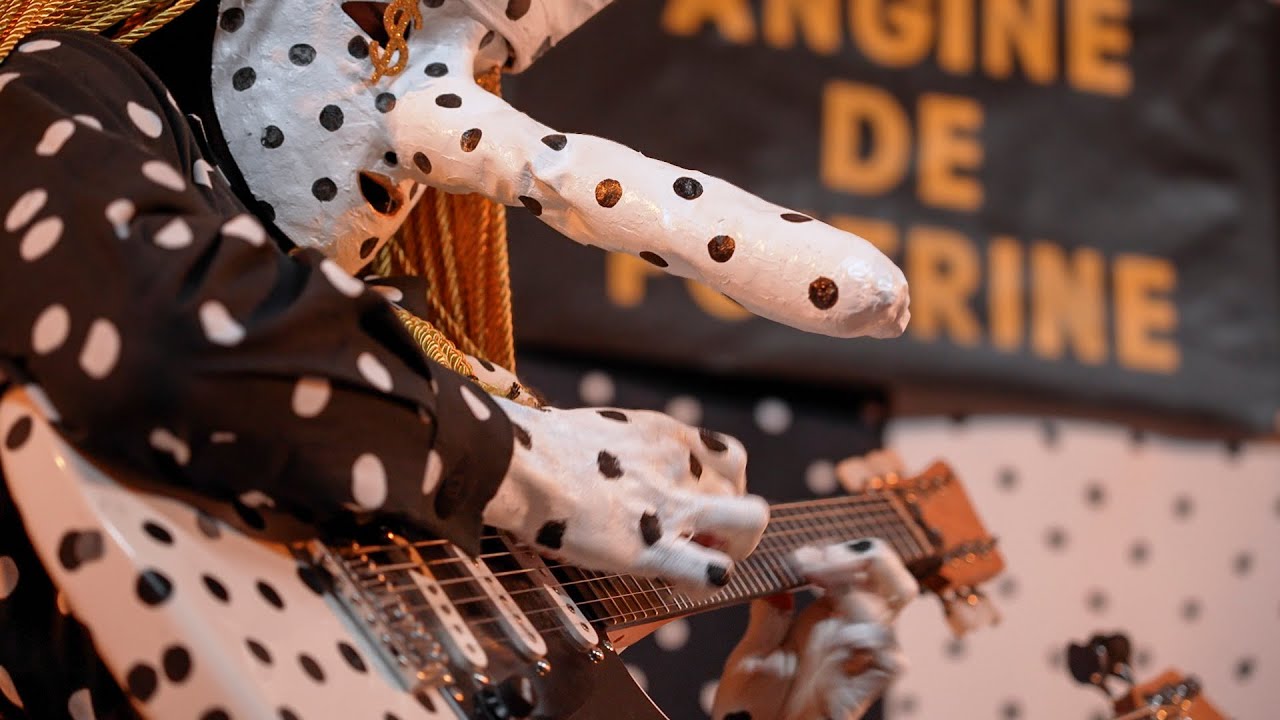
Canada: Sherpa by Angine de Poitrine
An eccentric, high-energy blend of math-rock and polka rhythms, this track challenges Canada’s polite stereotype. Framed by a bizarre narrative involving 333-year-old time travelers, it represents the outer limits of Canadian avant-garde rock.
Bosnia and Herzegovina: Jutro U Splitu by Merlin
Dino Merlin, a beloved son of Sarajevo and a former school football captain, founded the band Merlin in the 1980s. Following the dissolution of Yugoslavia, Merlin was tasked with composing the first national anthem for the Republic of Bosnia and Herzegovina, making his inclusion uniquely historic.
Qatar: Wat Soutak by Fahad Al Kubaisi
A prominent performer at the 2022 World Cup opening ceremony, Al Kubaisi holds a degree in sports science and physical education, perfectly bridging the gap between athletic discipline and Qatari vocal tradition.
Switzerland: Ain’t You by Kleenex
As Zurich’s original post-punk pioneers, Kleenex (later LiLiPUT) delivered raw, minimalist noise that caught the attention of Kurt Cobain, who listed them among his favorite artists.
Group C
Brazil: Com Mais De 30 by Claudya
Taken from her seminal 1971 album Jesus Cristo, Claudya’s fusion of rock, funk, and psychedelic soul is deeply anchored in unmistakable samba grooves, proving that Brazilian rock is uniquely rhythmic.
Morocco: Boujeloud (Gimbrisdrums) by The Master Musicians of Joujouka
Famously dubbed a "4,000-year-old rock ‘n’ roll band" by writer William S. Burroughs, this legendary collective represents a continuous, evolving lineage of Sufi trance music that has collaborated with everyone from Brian Jones to Ornette Coleman.
Haiti: Faces by Val-Inc
Composer, DJ, and Berklee College of Music professor Val Jeanty merges traditional Haitian Vodou drum patterns with experimental electronics, creating a genre often described as "Vodou-electro."
Scotland: All Reason Departs by Boards of Canada
The elusive electronic duo Boards of Canada remains a singular force in ambient music. This track evokes a powerful sense of analog nostalgia, capturing the melancholy and beauty of the Scottish landscape.
Group D
USA: Love Hangover by Diana Ross
Though famous for missing her ceremonial penalty kick at the 1994 World Cup opening ceremony in Chicago, Diana Ross remains an undisputed icon of American disco and soul. "Love Hangover" represents the peak of theatrical, dancefloor-filling American pop.
Paraguay: El Último Canto by Berta Rojas
A virtuoso of the classical guitar, Rojas’s performance pushes the technical boundaries of her instrument, communicating a profound, wordless emotional narrative.
Australia: Cattle and Cane by The Go-Betweens
Led by Robert Forster and the late Grant McLennan, this Brisbane band crafted literate, elegant indie-pop so influential that their hometown named a major traffic bridge in their honor.
Türkiye: Ince Ince Bir Kar Yağar by Selda Bağcan
A towering figure in Turkish psychedelic rock and protest music, Bağcan has spent over half a century blending traditional folk melodies with fiery political commentary, earning global respect despite facing state censorship in the past.
Group E
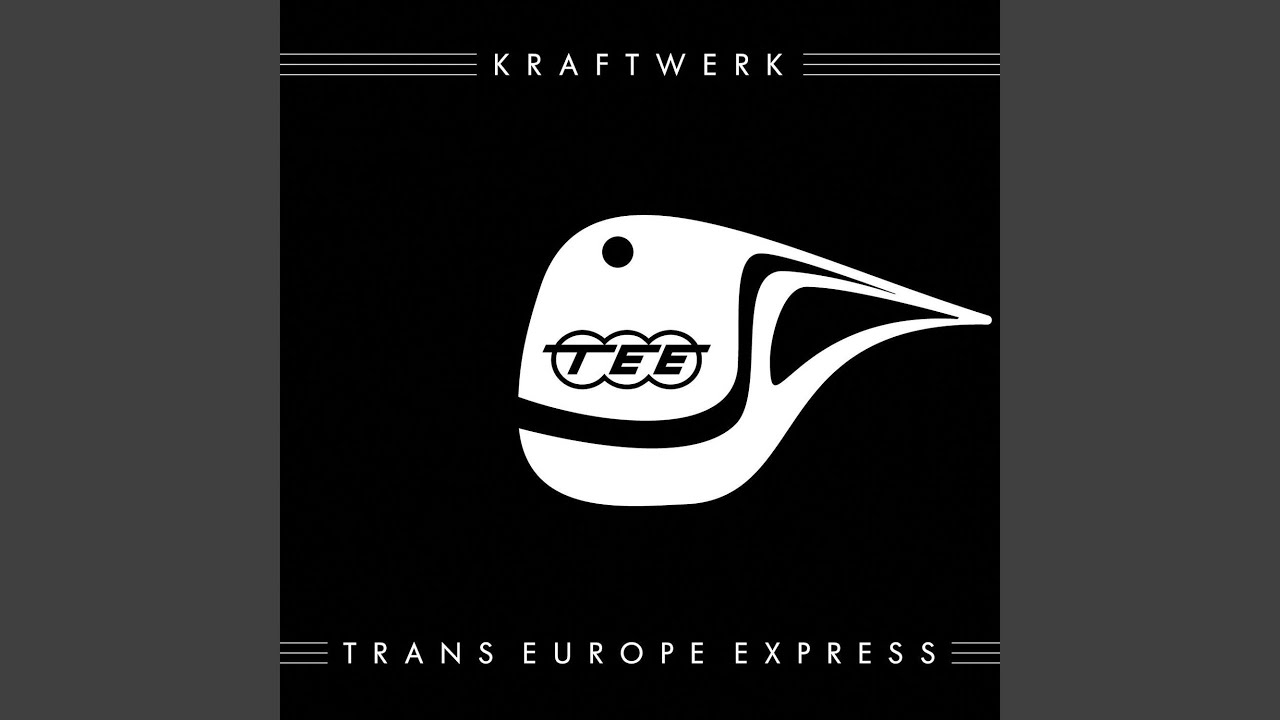
Germany: Europe Endless by Kraftwerk
No discussion of electronic music is complete without Kraftwerk. Their pioneering use of synthesizers, drum machines, and robotic vocals laid the groundwork for synth-pop, hip-hop, and techno, making "Europe Endless" a fitting anthem for a modern, interconnected world.
Curaçao: Simadan Kologá by Konkie
Russell "Konkie" Halmeyer is Curaçao’s premier steelpan innovator, credited with elevating the instrument from carnival novelty to a sophisticated vehicle for Caribbean jazz.
Ivory Coast: Proclamation by Douk Saga
As the pioneer of the percussion-heavy coupé-décalé style, Douk Saga revolutionized Ivorian nightlife, placing equal emphasis on flashy fashion, expressive dance, and infectious rhythms.
Ecuador: Tudo é Ilusão by Nicola Cruz
Cruz is the architect of "Andes-Step," a genre that tempers the frantic energy of club techno with the organic textures of indigenous Ecuadorian instruments.
Group F
Netherlands: Love Buzz by Shocking Blue
A cornerstone of the 1960s "Nederbeat" movement, Shocking Blue’s music found a second life when Nirvana famously covered "Love Buzz" as their debut single in 1988.
Japan: Mass Communication Break Down by Shonen Knife
This Osaka trio channels the raw, high-tempo energy of the Ramones with a distinct Japanese pop sensibility, offering a high-energy soundtrack perfect for a fast-paced football match.
Sweden: Down the Line by José González
A master of delicate classical guitar and soft, contemplative vocals, González’s quiet indie-folk stands in stark contrast to his early days playing in Gothenburg’s hardcore punk scene.
Tunisia: Amber by Omar El Ouaer
An esteemed jazz pianist and academic at the Tunis Institut Supérieur de Musique, El Ouaer is a veteran of global jazz festivals, recognized for blending North African melodic structures with modern jazz harmony.
Group G
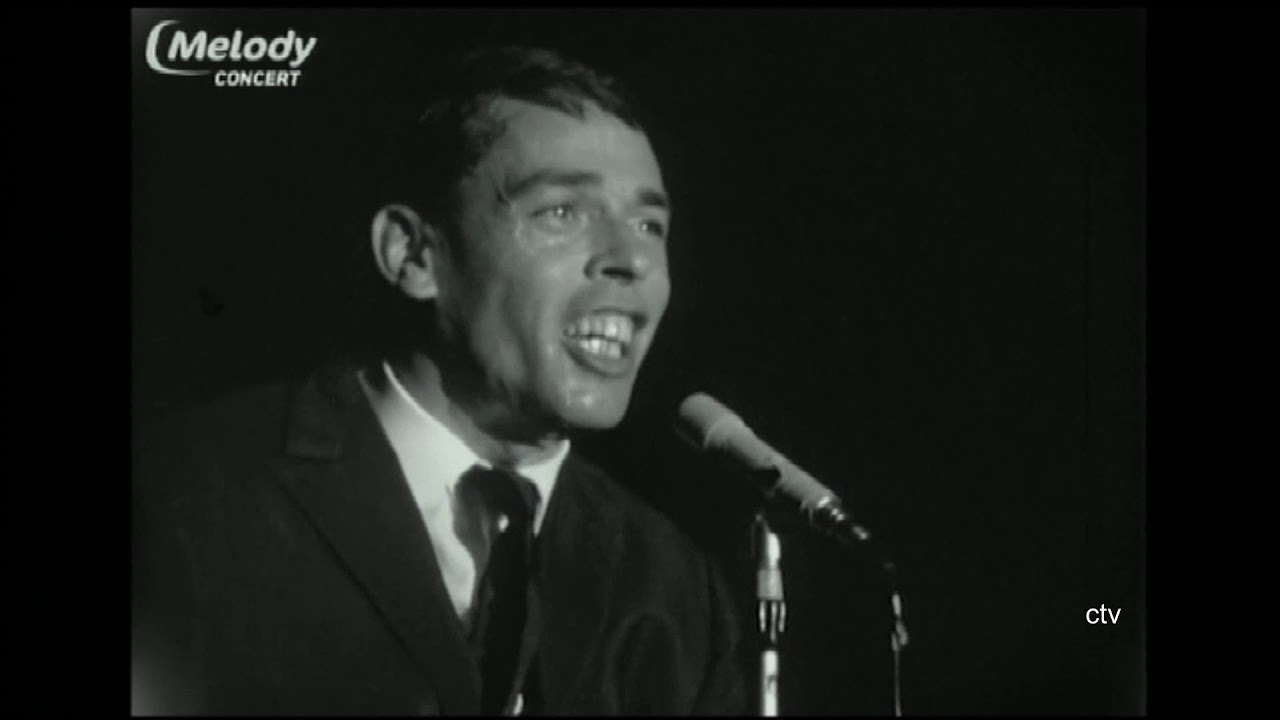
Belgium: Mathilde by Jacques Brel
The master of modern French chanson, Brel’s theatrical delivery and emotional songwriting have left a permanent mark on global music, influencing legendary artists from David Bowie to Nina Simone.
New Zealand: Shapeshifter by Lorde
Born and raised in Auckland, Lorde’s avant-garde pop production and introspective lyricism represent the cutting edge of modern Oceania’s musical export.
Iran: Akhm Nakon by Kourosh Yaghmaei
Before the 1979 revolution, Yaghmaei was celebrated as the "Godfather of Iranian psychedelic rock." His fuzzy guitar tones and traditional Persian vocal melodies remain highly influential, despite his music being banned from state airwaves for decades.
Egypt: Gannit Naimi by Umm Kulthum
With a vocal range and cultural impact comparable to the greatest singers in history, Umm Kulthum remains the definitive voice of the Arab world, revered for her unmatched mastery of classical Arabic phrasing.
Group H
Spain: Entre dos Aguas by Paco de Lucía
This legendary rumba track revolutionized flamenco music, introducing jazz-style improvisation and bass accompaniment to the traditional Spanish genre, showcasing de Lucía’s unparalleled acoustic virtuosity.
Saudi Arabia: Disko Luv by Dish Dash
Brothers Hassan and Abbas Ghazzawi are pioneers of the Saudi electronic scene, helping to establish the country’s first public DJ events after being inspired by the club culture of Ibiza.
Uruguay: La Cumparsita by Gerardo Matos Rodríguez
Composed by a teenager in 1916, this track is the quintessential tango. Its dramatic, instantly recognizable melody is universally synonymous with Rio de la Plata culture.
Cape Verde: Destino Negro by Cesária Évora
Known as the "Barefoot Diva," Évora brought the melancholic, acoustic folk style of morna to the global stage, achieving international stardom late in life.
Group I
France: Qui Sème le Vent Récolte le Tempo by MC Solaar
This landmark 1991 track proved that French-language hip-hop could possess a poetic flow and sophisticated jazz-sampling production capable of rivaling its American counterparts.
Senegal: Jigueenu Africa by Guiss Guiss Bou Bess
By updating traditional Senegalese mbalax rhythms with electronic club beats, this group preserves the polyrhythmic power of the sabar drum for a new generation of listeners.
Iraq: Individuation by Khyam Allami
Reconnecting with his Iraqi heritage after the 2003 invasion, Allami dedicated himself to the oud, creating complex, evocative compositions that bridge classical Arabic modes with modern avant-garde structures.
Norway: hornylovesickmess by girl in red
Marie Ulven Ringheim, performing as girl in red, has quickly risen from a bedroom-pop DIY artist to a global queer icon, delivering honest, guitar-driven indie-pop that resonates with millions of listeners.
Group J
Argentina: Rasguña las Piedras by Sui Generis
Charly García, a towering figure in Latin American rock, began his career in this acoustic folk-rock duo, writing songs that became subtle anthems of resistance during a turbulent era in Argentine history.
Algeria: Amchi Ya Rassoul by Djmawi Africa
Blending traditional Algerian folk with jazz, reggae, and rock, this collective celebrates the diverse African roots of North African music with infectious energy.
Austria: Don Giovanni Suite (3) Madamina by Wolfgang Amadeus Mozart
While Austria has produced modern pop stars, Mozart remains the ultimate musical pioneer. His timeless operatic works continue to influence composition structures more than two centuries later.
Jordan: Malyoun by JadaL
Led by Mahmoud Radaideh, JadaL pioneered Arabic rock, proving that the raw energy of electric guitars and driving drums transcends linguistic barriers.
Group K
Portugal: My Funny Valentine by Rafael Toral
Toral’s radical, ambient reinterpretation of this jazz standard strips away conventional melody and rhythm, replacing them with a meticulous, free-form soundscape of electronic resonance.
Uzbekistan: Radost by Yashlik
This rare 1984 gem highlights a vibrant, Soviet-era Uzbek scene that fused synthesizer pop, disco, and progressive rock into a highly distinct dance track.
Colombia: Cumbia del Pichamán by Meridian Brothers
This experimental group deconstructs classic Colombian cumbia and salsa, infusing it with playful, avant-garde electronics and unexpected pop citations.
DR Congo: Osala Erreur by TPOK Jazz
Led by Franco Luambo, this legendary band boasted over 50 members during its peak, allowing them to perform in Kinshasa while simultaneously touring Europe, defining the golden era of Congolese rumba.
Group L
England: Theme from Sparta F.C. by The Fall
Led by the notoriously uncompromising Mark E. Smith, this post-punk track delivers a gritty, driving bassline and sharp lyricism, offering a raw alternative to traditional sports anthems.
Croatia: Aquarium by Maksim Mrvica
This photogenic classical crossover pianist updates Saint-Saëns’ classic composition with modern electronic beats, appealing to a contemporary, genre-blending audience.
Ghana: Hini Me by Kojo Antwi
Affectionately known as "Mr. Music Man," Antwi is a legend of Ghanaian highlife and lover’s rock, celebrated for his smooth vocals and sophisticated production.
Panama: Mother of the Future by Carlos Garnett
A self-taught saxophonist who played alongside jazz giants Charles Mingus and Miles Davis, Garnett’s solo work represents the absolute peak of spiritual, high-energy jazz-fusion.
Official Responses: Traditionalists vs. Cultural Reformers
The hypothetical implementation of a modernized national anthem playlist at a major tournament like the FIFA World Cup would undoubtedly trigger intense debate among various global stakeholders.
                  ┌────────────────────────────────────────┐
                  │   PROPOSED MODERN WORLD CUP PLAYLIST   │
                  └───────────────────┬────────────────────┘
                                      │
             ┌────────────────────────┴────────────────────────┐
             ▼                                                 ▼
┌───────────────────────────┐                     ┌───────────────────────────┐
│     TRADITIONALISTS       │                     │    CULTURAL REFORMERS     │
│ (FIFA, State Ministries)  │                     │(Musicologists, Artists)   │
├───────────────────────────┤                     ├───────────────────────────┤
│ • Focus: National unity   │                     │ • Focus: Modern identity  │
│ • Preservation of history │                     │ • Decolonizing the sound  │
│ • Diplomatic neutrality   │                     │ • Engaging youth culture  │
└───────────────────────────┘                     └───────────────────────────┘
The Institutional and Traditionalist Perspective
Historically, FIFA’s protocol department has favored strict neutrality and traditional state symbols to avoid diplomatic friction. A spokesperson from a major European ministry of culture, speaking anonymously, expressed concern over moving away from established anthems:
"National anthems represent the historical continuity of a state. They are designed to evoke collective memory and unity. Replacing a historic hymn with a contemporary pop or electronic track, however artistically brilliant, risks trivializing national identity on the world stage and could alienate older generations of fans."
The Cultural and Progressist Perspective
In contrast, contemporary musicologists and progressive cultural organizations argue that the current system is outdated and Eurocentric. Dr. Aris Thorne, a specialist in ethnomusicology, advocates for a change:
"The vast majority of national anthems are relics of 19th-century European military brass traditions. They do not reflect the rich, diverse musical landscapes of modern nations. Introducing tracks by artists like Kraftwerk, Selda Bağcan, or Umm Kulthum would celebrate genuine cultural innovation and make the pre-match ceremony a vibrant, living display of global heritage."
Implications: The Power of Modern Music in Global Diplomacy and Commerce
Replacing traditional anthems with a curated playlist of modern pioneers has profound implications that extend far beyond the pitch.
1. Cultural Diplomacy and Soft Power
For decades, nations have used the World Cup as a platform for soft power projection. By showcasing contemporary artists, countries can reframe their international image. For instance:
Iran could highlight its rich pre-revolution counterculture through Kourosh Yaghmaei, projecting a sophisticated artistic history that transcends modern political headlines.
Colombia and Ecuador could showcase how traditional rhythms like cumbia are being preserved and modernized through electronic experimentation, positioning South America as a hub of contemporary musical innovation.
2. Commercial Opportunities and Streaming Integration
The integration of a modern, curated tournament playlist presents immense commercial opportunities for streaming platforms (such as Spotify, Apple Music, and Tidal) and broadcast partners:
Global Reach: Official pre-match playlists would generate billions of streams, driving significant revenue to independent artists and heritage estates.
Youth Engagement: Younger demographics, who are increasingly disconnected from traditional television broadcasts, would find a highly shareable, digital-first musical identity tied to the tournament.
3. Redefining the Live Fan Experience
Ultimately, the stadium experience would be completely transformed. Instead of standing in polite, passive silence, fans would be greeted with a high-energy, culturally authentic concert atmosphere before every kickoff. By aligning the music of the World Cup with the modern vitality of the sport itself, FIFA could create a truly unforgettable celebration of global unity and creative expression.