Main Facts: The Unlikely Resurgence of Magnetic Tape
In an era dominated by lossless digital streaming and algorithmic playlisting, an unexpected relic of the analog age is staging a quiet but persistent comeback. Once relegated to garage sales and dusty attics, the compact cassette tape is experiencing a commercial revival that mirrors the early days of the vinyl resurrection.
According to data from the British Phonographic Industry (BPI) and Official Charts Company, cassette sales in the United Kingdom surged by 53% last year, reaching over 164,000 units. This resurgence is not an isolated British phenomenon. In the United States, data from entertainment market monitor Luminate reveals that 446,500 cassette tapes were sold in the same period—representing a 17.5% year-on-year increase.
As physical music formats continue to capture the imaginations of both nostalgic older audiophiles and digital-native Gen Z consumers, industry analysts are asking a compelling question: Could we see the return of the original portable music icon, the Sony Walkman, as a genuine, physical cassette player?
While Sony has kept the "Walkman" brand alive through premium digital audio players (DAPs) and historical smartphone collaborations, it has not manufactured a dedicated, tape-playing Walkman in over a decade. However, with the 50th anniversary of the iconic device fast approaching, the cultural and economic stars are aligning for Sony to reclaim its analog throne.
Chronology: The Rise, Fall, and Digital Rebirth of the Walkman
To understand the cultural weight of a potential Walkman revival, it is necessary to trace the timeline of a device that fundamentally altered humanity’s relationship with music.
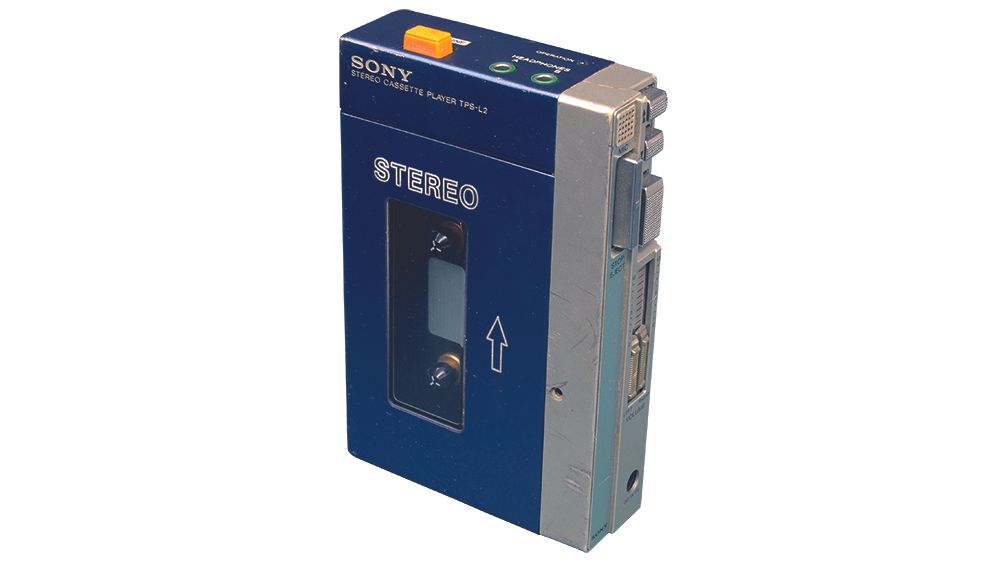
[1979] Sony launches the TPS-L2 Walkman, revolutionizing personal audio.
  │
[1980s] Global domination; Walkman becomes a cultural phenomenon and a generic trademark.
  │
[1992] Sony introduces the MiniDisc (MD) format as a digital successor.
  │
[2001] Apple launches the iPod; digital MP3 players begin to decimate analog tape.
  │
[2010] Sony officially ceases manufacturing cassette-based Walkmans in Japan.
  │
[2019] Sony celebrates the Walkman’s 40th anniversary with the digital NW-A100TPS.
  │
[2029] Upcoming 50th Anniversary of the Walkman (July 1, 2029).
The Birth of Personal Audio (1979–1989)
On July 1, 1979, Sony co-founders Akio Morita and Masaru Ibuka introduced the TPS-L2 to the Japanese market. It was a blue-and-silver metal brick that allowed users to carry their music into the streets for the first time. Initially met with skepticism by distributors, the Walkman became an overnight sensation, selling millions of units and fundamentally changing public spaces. By the mid-1980s, the Walkman was so ubiquitous that the term was added to the Oxford English Dictionary.
The Transition and Digital Onslaught (1990–2000s)
Throughout the 1990s, Sony introduced hundreds of Walkman variations, incorporating innovations like auto-reverse, "Mega Bass" circuitry, and solar-powered chassis. However, the rise of the Compact Disc (CD) and Sony’s own Discman line began to erode the cassette’s market share. By the turn of the millennium, the launch of the Apple iPod in 2001 signaled the beginning of the end for consumer analog tape.
Retrenchment and Discontinuation (2010–Present)
In October 2010, Sony announced that it would cease manufacturing cassette-based Walkman players in Japan, marking the symbolic end of an era. The company pivoted the Walkman brand to high-resolution digital audio players, targeting audiophiles willing to pay premium prices for dedicated digital-to-analog converters (DACs) and balanced headphone outputs. For the Walkman’s 40th anniversary in 2019, Sony released the NW-A100TPS—a digital Android-based player that featured a novelty cassette-tape user interface skin, but lacked any actual tape-playing hardware.
Supporting Data: Understanding the Modern Cassette Market
The modern cassette revival is driven by a unique intersection of low-cost manufacturing, artist merchandising strategies, and changing consumer psychology.
Demographic Shifts and "Slow Media"
The revival is not solely driven by Gen Xers looking to recapture their youth. BPI surveys indicate that a significant portion of modern cassette buyers are under the age of 25. For Gen Z, cassettes represent a tangible reaction against the ephemeral nature of streaming platforms.
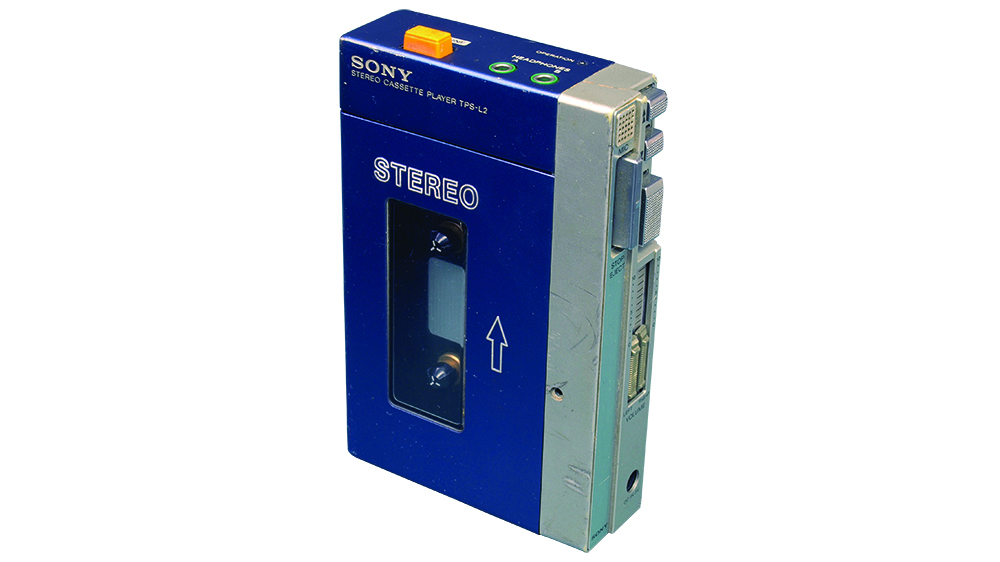
Unlike Spotify, where music exists as intangible data, a cassette tape is a physical object that requires deliberate interaction. The act of inserting a tape, pressing mechanical buttons, and watching the reels turn offers a grounding, tactile experience.
| Format | UK Sales Growth (YoY) | Key Demographic | Primary Consumer Appeal |
|---|---|---|---|
| Vinyl | ~11.7% | Gen Z, Millennials, Gen X | High-fidelity audio, large artwork, collectibility |
| Cassette | ~53.0% | Gen Z, Indie Music Fans | Tactile novelty, affordability, merchandise value |
The Economics of the Cassette Tape
For independent artists and major record labels alike, cassettes represent a highly profitable merchandise category. Vinyl production is notoriously plagued by long manufacturing queues, high upfront costs, and raw material shortages.
In contrast, cassette tapes are relatively cheap and fast to produce. This allows artists—ranging from underground indie bands to global pop icons like Taylor Swift and Billie Eilish—to offer a physical release alongside digital streaming on release day, often priced at a highly accessible $10 to $15.
Market Context: How the Industry is Responding
While Sony has remained on the sidelines of the analog cassette revival, other consumer electronics companies have stepped in to fill the void. This competitive landscape demonstrates that there is a viable, active market for modern tape players.
The Rise of Boutique Alternatives
Several boutique audio brands have launched modern cassette players designed for the contemporary consumer:
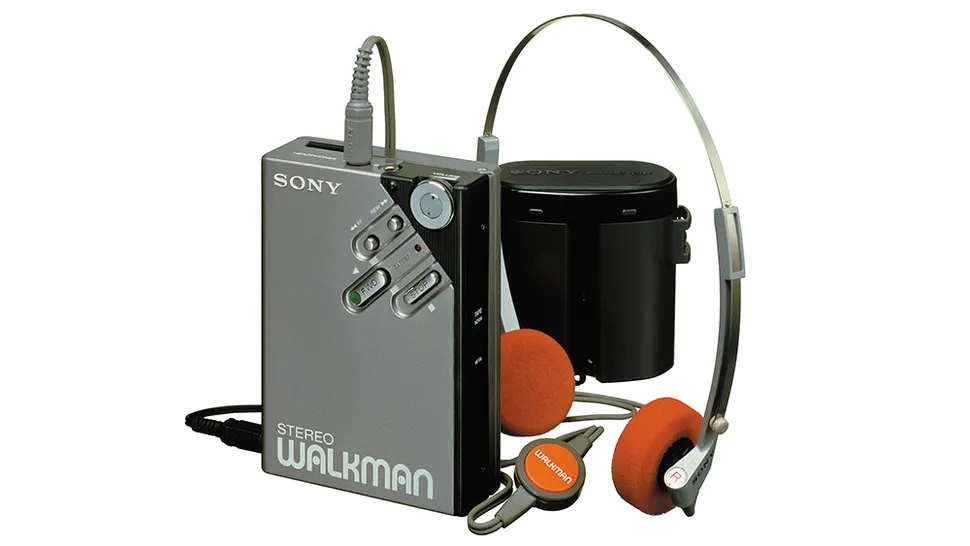
- We Are Rewind: This French startup captured international headlines with its premium, minimalist portable cassette players. Encased in aluminum, these devices feature rechargeable lithium-ion batteries and Bluetooth 5.1 transmitter capabilities alongside traditional headphone jacks.
- FiiO CP13: Known for its high-performance digital audio equipment, FiiO entered the analog market with the CP13, a direct tribute to the classic Sony Walkman. The CP13 prioritizes pure analog performance, opting for high-voltage motor stabilization and omitting Bluetooth to maximize sound quality.
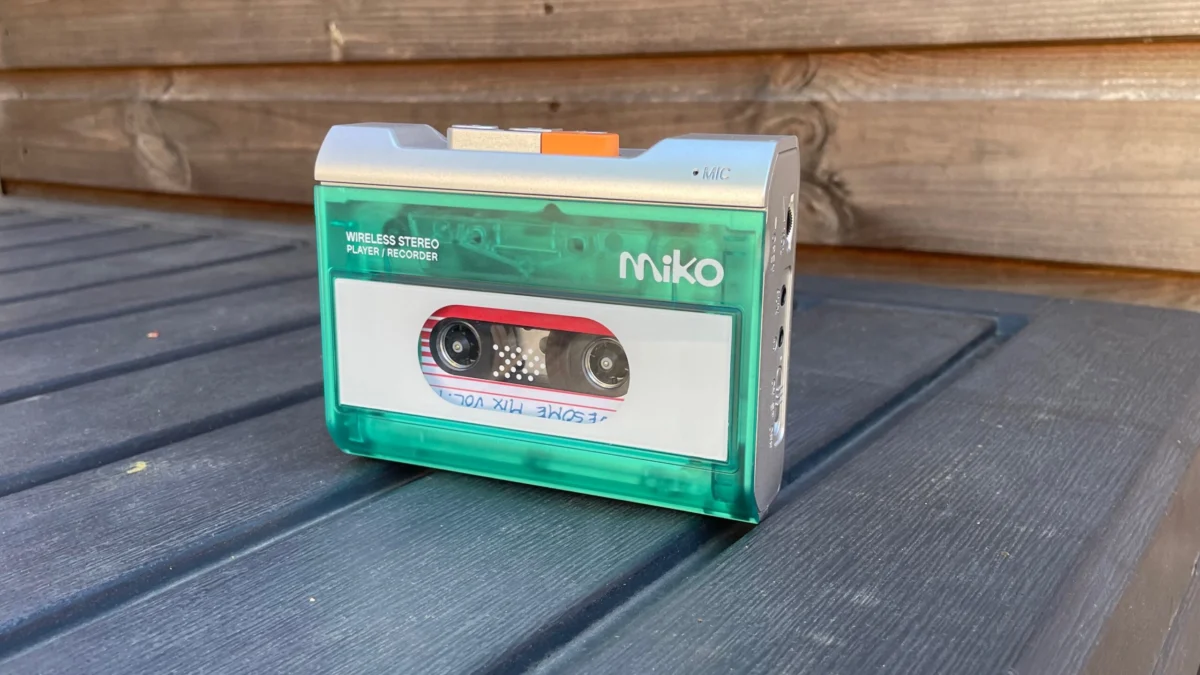
- Gadhouse Miko: Offering an entry-level, retro-inspired aesthetic, the Miko caters to casual listeners looking for an affordable gateway into the format.
[Modern Cassette Market Players]
   ├── FiiO (CP13) ── Focuses on pure analog, high-quality audio components
   ├── We Are Rewind ── Focuses on premium aluminum design & Bluetooth integration
   └── Sony (Proposed) ── Could bridge heritage, premium engineering, and global brand power
The Mechanical Bottleneck
The biggest challenge facing modern tape player manufacturers is the scarcity of high-quality tape transport mechanisms. Historically, companies like Tanashin in Japan manufactured millions of reliable cassette mechanisms. Today, those production lines are gone, forcing most modern manufacturers to rely on simplified, lower-fidelity mechanisms produced in China.
This is where Sony’s entry could be revolutionary. As an engineering powerhouse with a deep archive of historical schematics, Sony has the resources to design and manufacture a high-quality, modern tape mechanism that minimizes "wow and flutter" (pitch instability caused by motor variations) to a degree that smaller boutique brands simply cannot achieve.
Implications: Why a 50th Anniversary Walkman Matters
As the music industry prepares for the Walkman’s 50th anniversary on July 1, 2029, a physical, tape-playing commemorative Walkman would have profound implications for Sony, the audio industry, and consumer culture.
A Masterclass in Heritage Branding
Sony is no stranger to leveraging its history. The company regularly releases limited-edition products to celebrate milestones, such as "The Collexion" series for its wireless noise-canceling headphones.
Releasing a premium, analog 50th-anniversary Walkman would serve as a powerful marketing statement. It would reinforce Sony’s position as the pioneer of personal audio while generating massive brand engagement across social media platforms, where retro tech and aesthetic electronics routinely go viral.
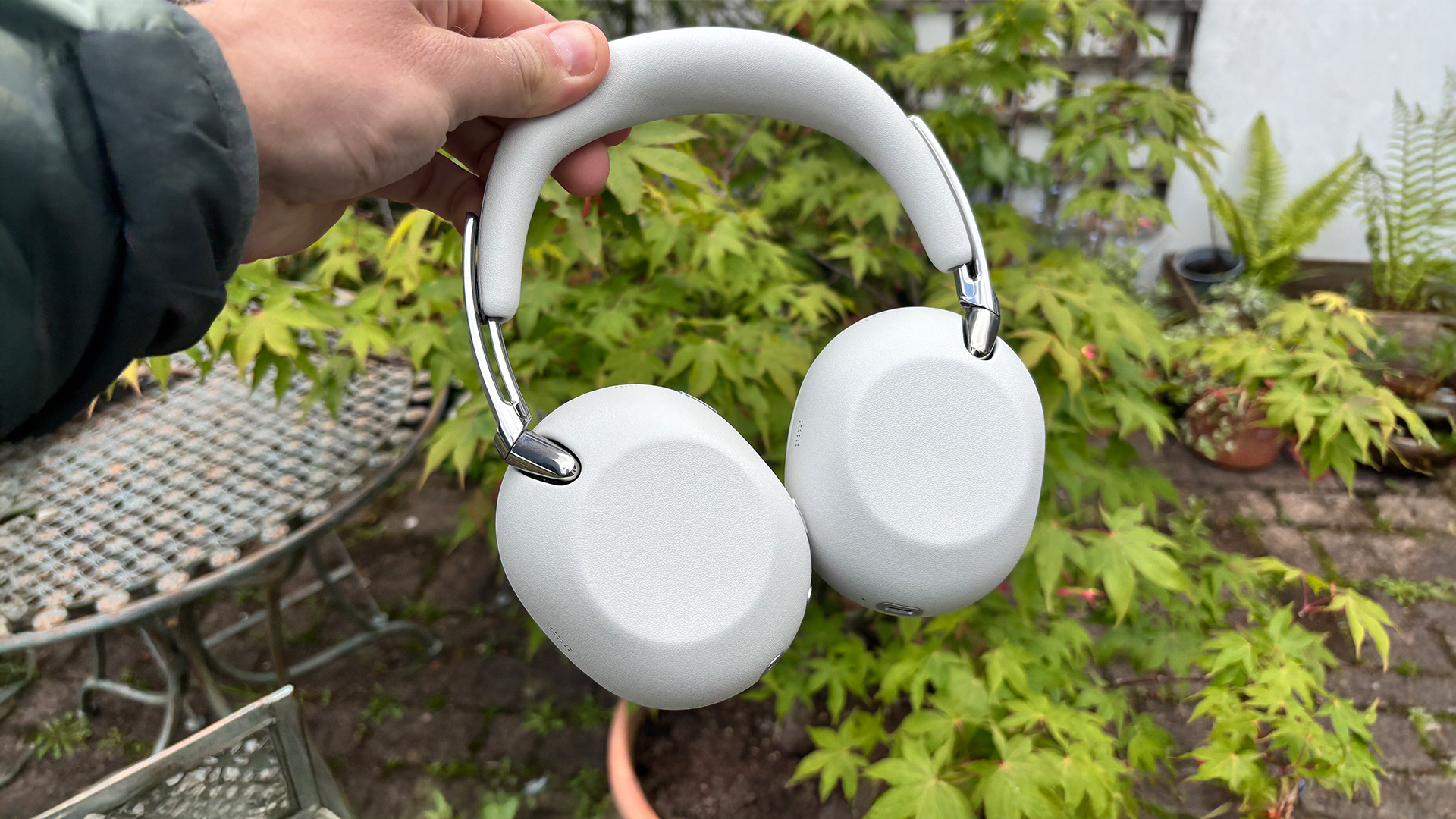
Technical Challenges and Modern Conveniences
Should Sony decide to greenlight a physical Walkman revival, its engineering team would face a delicate balancing act: preserving the analog soul of the device while meeting modern consumer expectations. A successful modern Walkman would likely need to incorporate several key features:
- Hybrid Audio Output: A traditional 3.5mm headphone jack is essential for analog purists, but adding a high-quality Bluetooth transmitter would allow users to pair the device with modern wireless earbuds like the Sony WF-1000XM5.
- Modern Power Management: Replacing AA batteries with a USB-C rechargeable lithium-ion battery is a necessity for modern convenience.
- Premium Mechanical Design: Utilizing a metal chassis, precise motor control, and perhaps the return of the tactile "Mega Bass" toggle switch would honor the engineering legacy of the classic models like the WM-EX16.
Conclusion: The Road to 2029
The ongoing cassette revival proves that music consumers are looking for more than just convenience; they are searching for connection. In a world of infinite, frictionless digital choice, the limitations of physical media—the fixed tracklist, the mechanical hum of the motor, the physical cassette itself—have become its greatest strengths.
By releasing a genuine, high-quality cassette Walkman for its 50th anniversary, Sony would not just be capitalizing on a nostalgic trend. It would be reclaiming a piece of its own history, bridging the gap between the analog pioneers of 1979 and the modern music lovers of the 21st century.