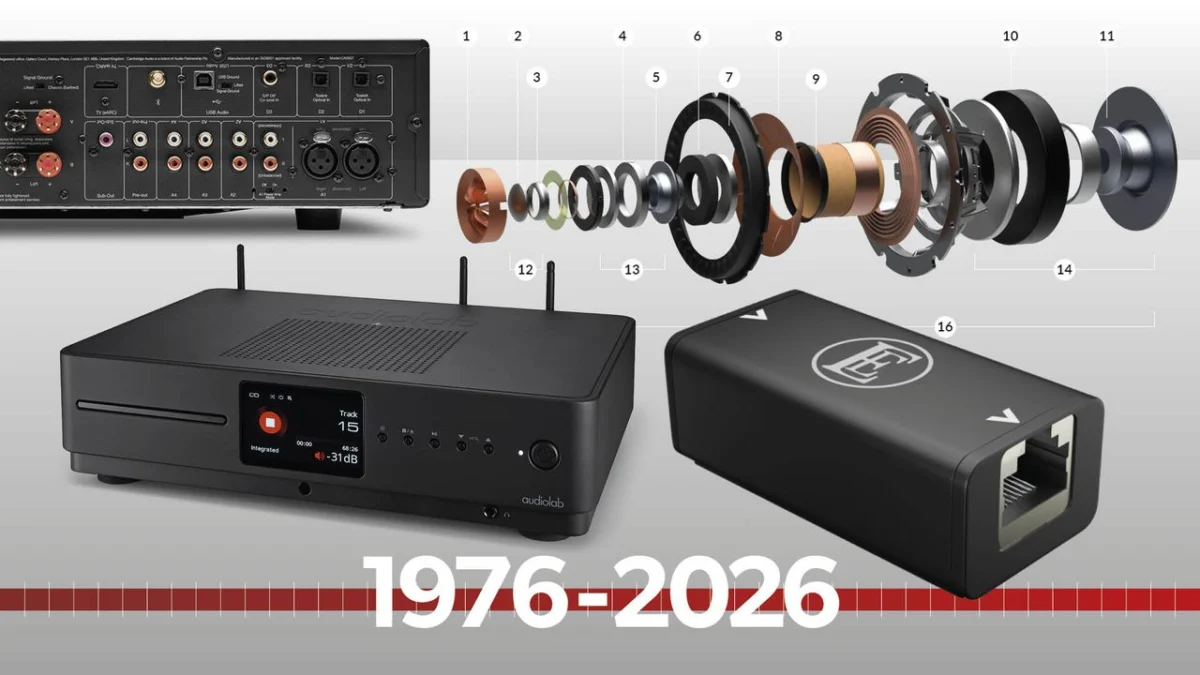
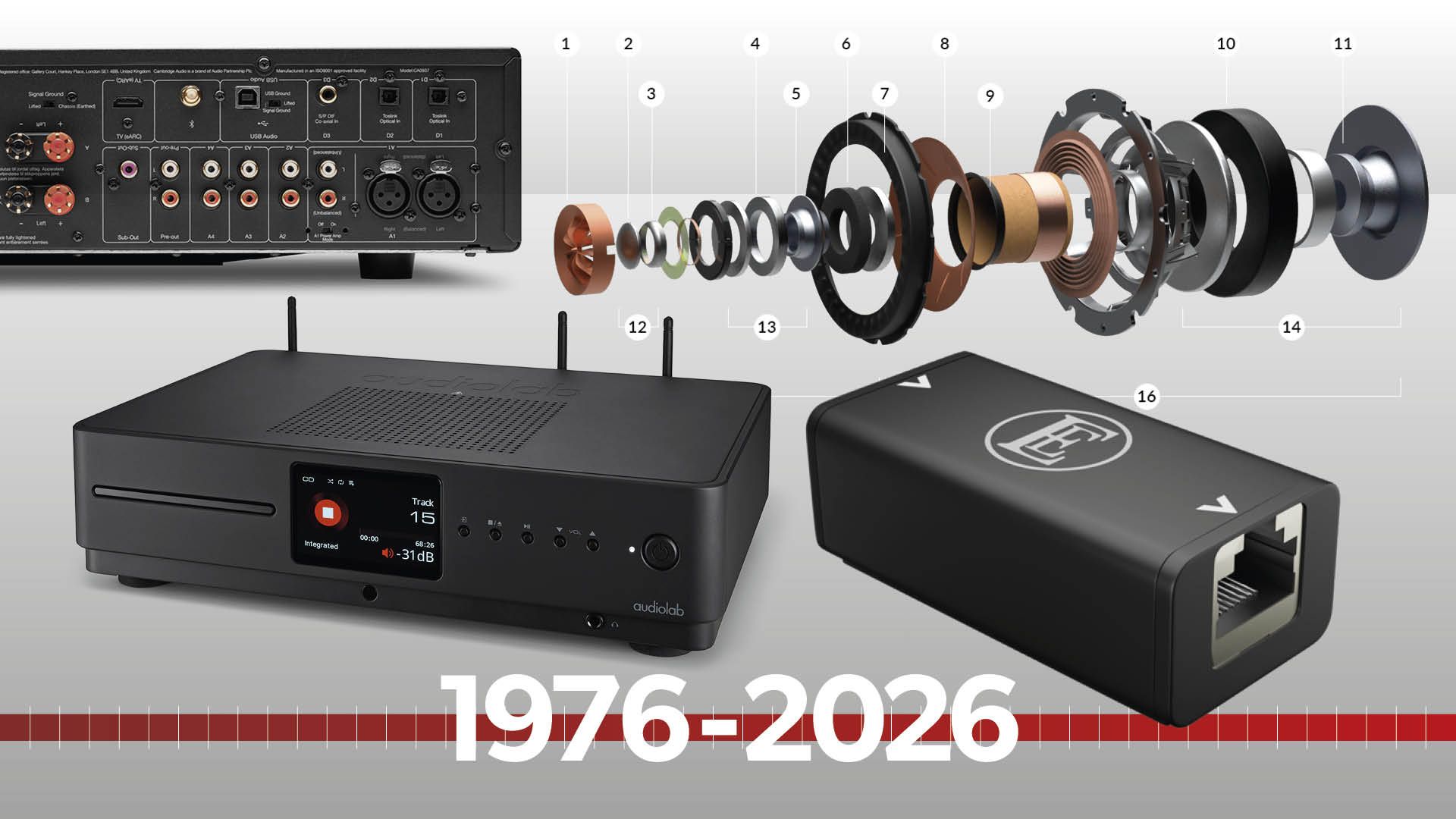
From Black Tape to Digital Simulation: How Fifty Years of Technological Disruption Rewrote the Laws of Hi-Fi Engineering
026 mins
The year 1976 was a watershed moment for modern consumer technology and popular culture. In a California garage, Steve Wozniak demonstrated the prototype of the Apple 1 computer, shortly after co-founding the company with Steve Jobs and Ronald Wayne. On store shelves, JVC launched its Video Home System (VHS), triggering a legendary format war against Sony’s Betamax that would define home entertainment for two decades. In music, Peter Frampton released Frampton Comes Alive!, which quickly climbed the ranks to become one of the best-selling live albums in history.
For high-fidelity audio, particularly in the United Kingdom, 1976 was a golden dawn. It was the year What Hi-Fi? magazine first appeared in newsagents, offering a comprehensive, mostly black-and-white directory of every piece of audio gear on sale in the UK. It was also the year that birthed Arcam and its legendary A60 integrated amplifier, saw KEF pioneer the use of computer-aided design (CAD) in loudspeaker engineering, and witnessed Pioneer release the SX-1250 receiver, a heavyweight champion in the era’s fierce "Watt Wars."
In the five decades since, the audio electronics industry has undergone a radical metamorphosis. What was once an industry defined by localized analogue circuitry, heavy transformers, and manual draftsman boards has evolved into a hyper-connected, software-driven ecosystem. Modern hi-fi designers no longer simply build amplifiers or speakers; they manage digital protocols, wireless networks, environmental compliance, and micro-acoustic simulations.
1. Main Facts: The Paradigm Shift in Audio Engineering
The core objective of high-fidelity audio has remained unchanged since 1976: to reproduce recorded sound as faithfully as possible. However, the engineering discipline required to achieve this goal has fundamentally transformed.
According to Nick Brown, Head of Engineering at Cambridge Audio, the responsibilities of an electronics engineer in the late 1970s were relatively straightforward:
"Analogue performance across a handful of inputs, whether the remote control worked across the room, and whether the packaging survived a drop test."
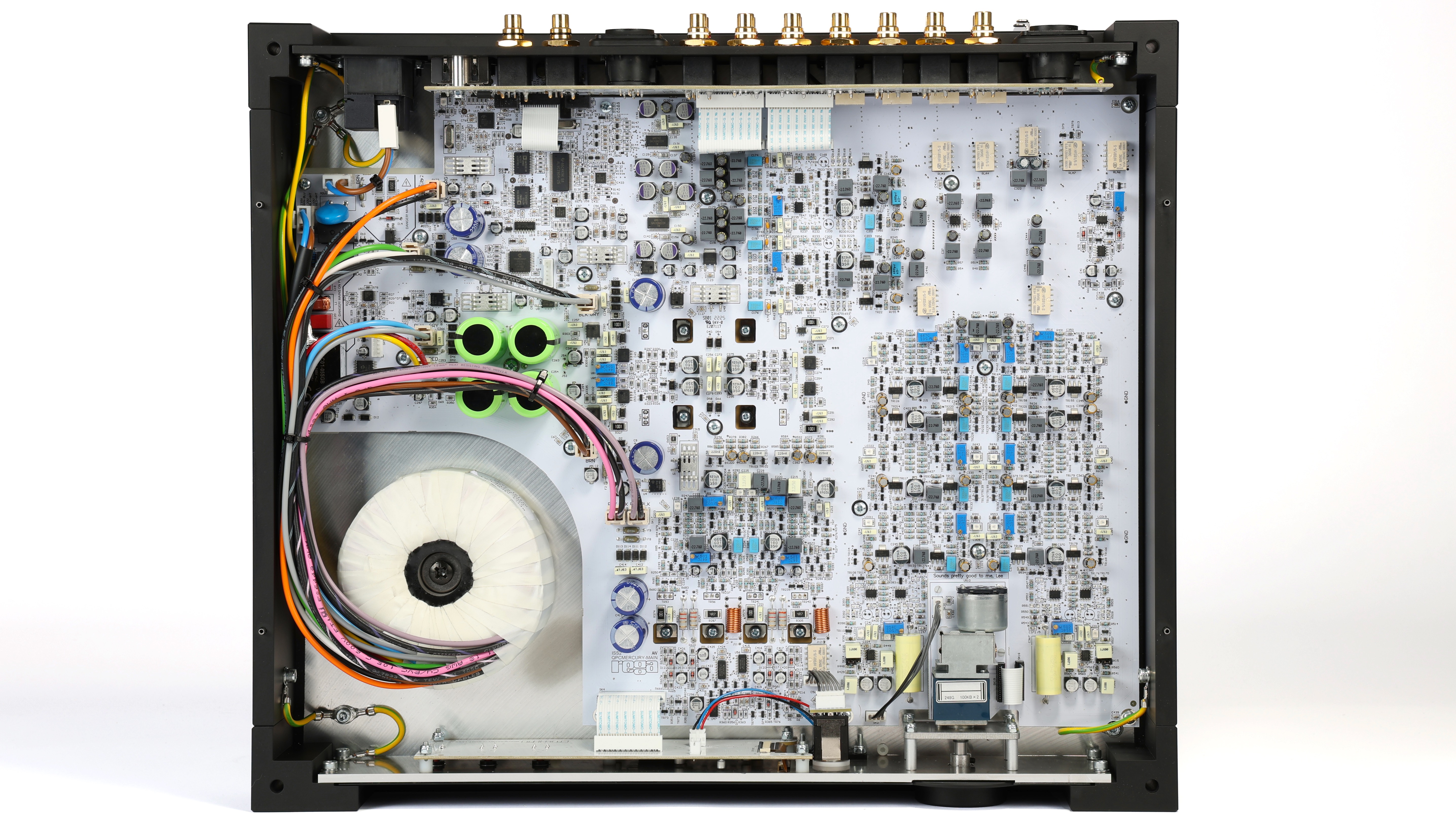
Today, the modern integrated amplifier or source component is no longer just an analogue device; it is a complex, multi-layered computing hub.
Modern audio electronics must seamlessly integrate:
Analogue and Digital Convergence: Routing delicate turntable signals alongside high-frequency digital clocks, Wi-Fi antennas, and Bluetooth receivers without introducing electromagnetic interference.
Software and Firmware Ecosystems: Managing over-the-air (OTA) updates, network streaming protocols (such as Spotify Connect, Tidal Connect, Roon, and AirPlay), and dedicated mobile control apps.
Stringent Regulatory Standards: Adhering to international environmental mandates, such as standby power consumption limits of less than 0.5 watts, while ensuring the device can wake up instantly when a signal is detected.
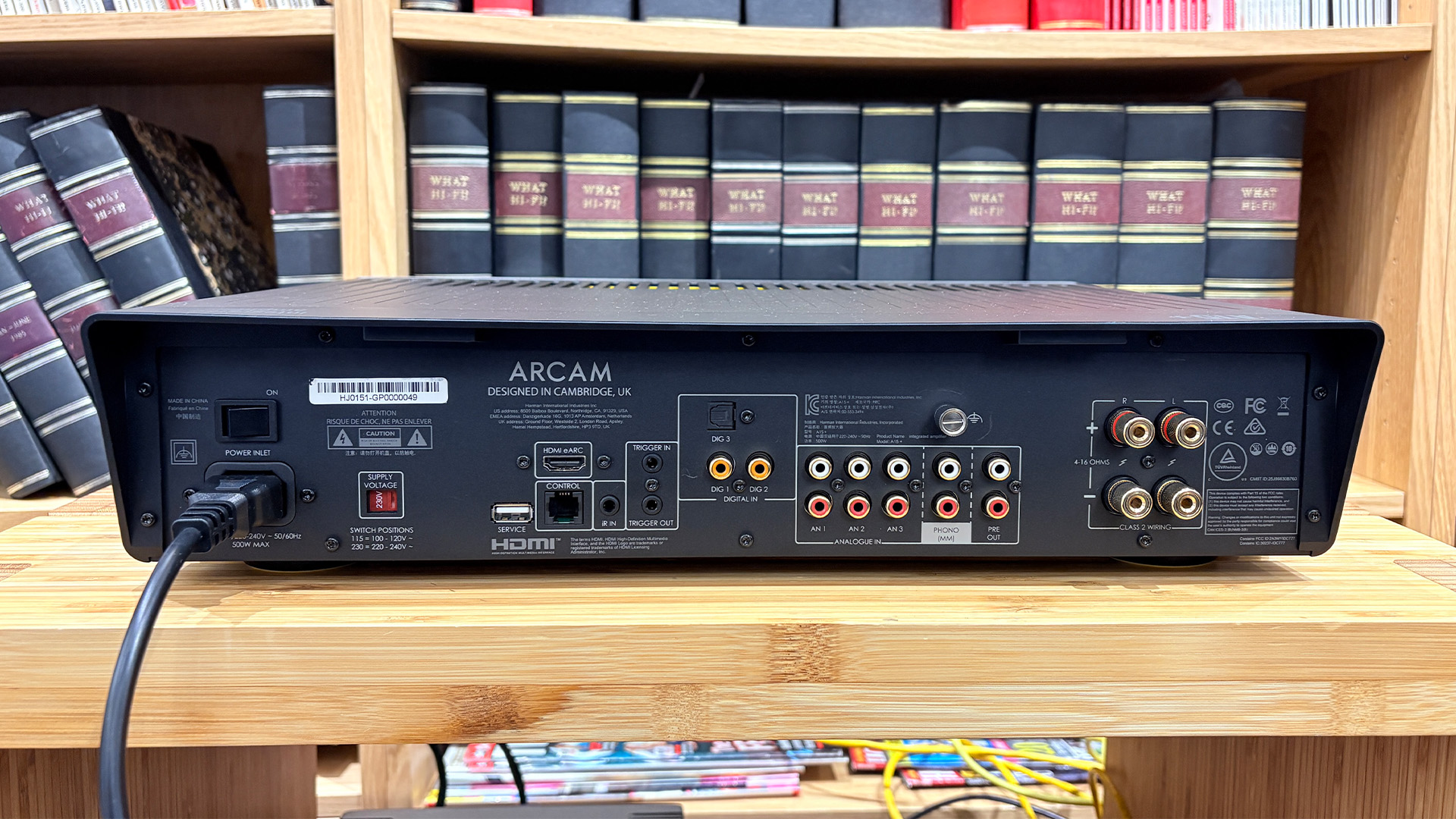
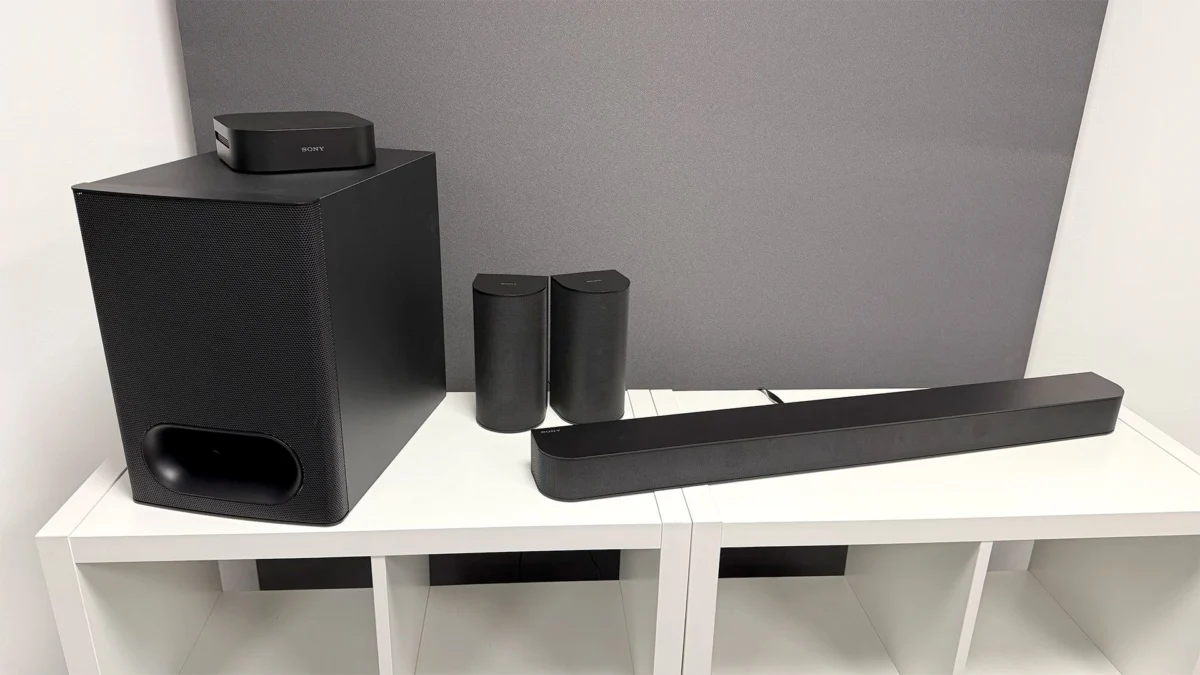
Interoperability and QA: Testing HDMI eARC (Enhanced Audio Return Channel) connections against hundreds of television models from various manufacturers, each of which implements HDMI-CEC standards slightly differently.
2. Chronology: Milestones of Modern Audio Innovation
The evolution of hi-fi can be mapped through a series of disruptive technological introductions that shifted consumer expectations and forced engineering practices to adapt.
1976 ── Birth of Arcam (A60), KEF's early CAD speakers, and the launch of "What Hi-Fi?"
 │
1982 ── Launch of the Compact Disc (CD) format by Sony and Philips, initiating the digital era.
 │
1984 ── Invention of neodymium-iron-boron (NdFeB) magnets, revolutionizing driver design.
 │
Late 1980s ── Transition from hand-taped PCB layouts to computerized CAD software.
 │
Early 2000s ── Emergence of network streaming and high-resolution digital audio files.
 │
2010s-Present ── Integration of HDMI eARC, wireless mesh networks, and advanced simulation tools.
1976: The Analogue Benchmark
The launch of the Arcam A60 amplifier and KEF’s Corelli and Calinda speakers demonstrated that British audio engineering could combine scientific rigor with domestic appeal. Amplifiers were purely analogue, relying on physical source selectors (phono, tape, tuner) and discrete transistor topologies.
1982–1985: The Digital Revolution and the Compact Disc
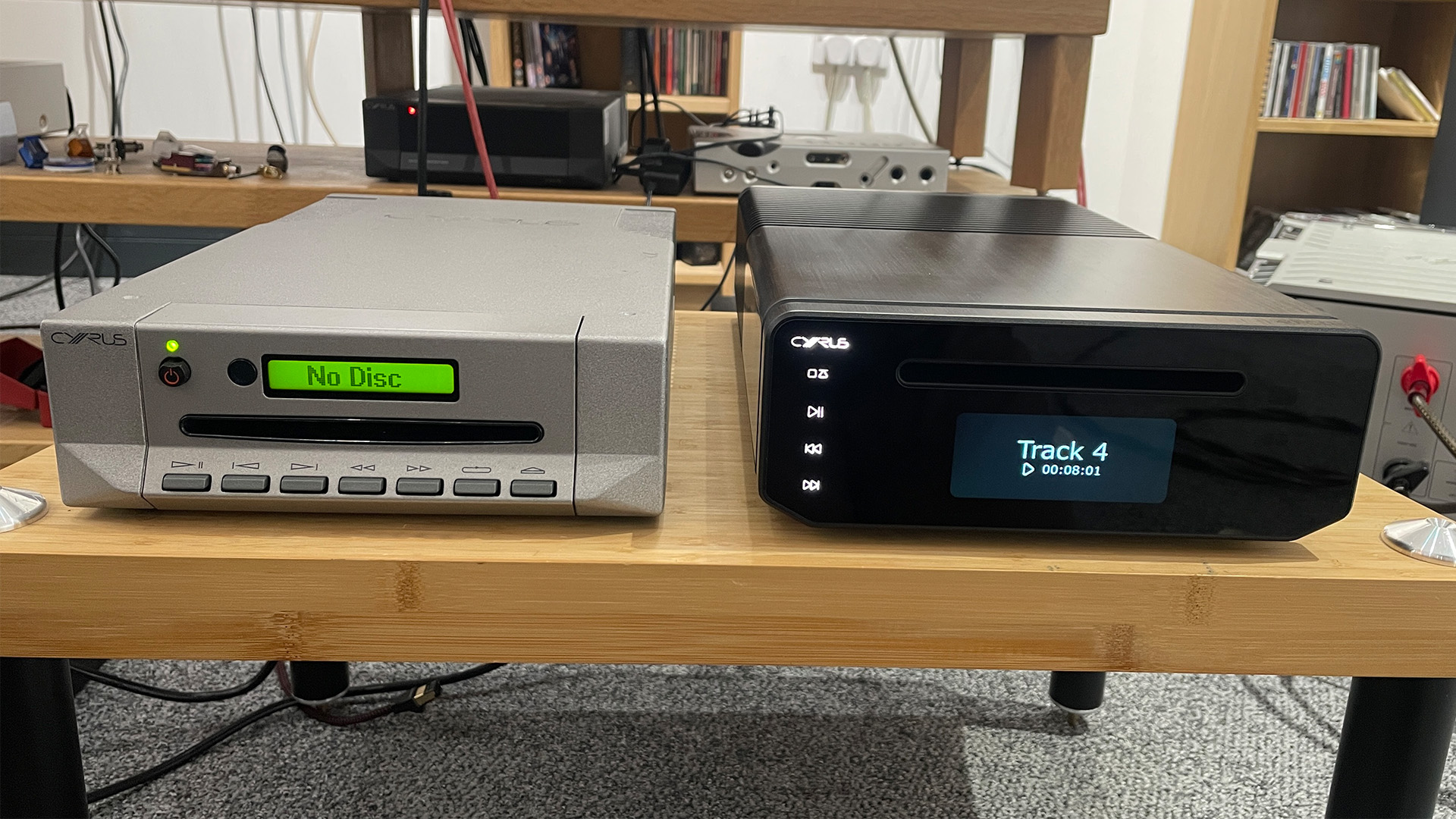
The commercial introduction of the Compact Disc (CD) by Philips and Sony shattered the physical limitations of vinyl playback. By replacing physical styli and delicate vinyl grooves with optical lasers and binary code, the CD promised—and delivered—a silent background, zero wow and flutter, and an unprecedented dynamic range.
1984: The Neodymium Breakthrough
In 1984, General Motors, Sumitomo Special Metals, and the Chinese Academy of Sciences independently developed neodymium-iron-boron ($textNd2textFe14textB$) magnets. As the strongest commercially available permanent magnets, they allowed engineers to dramatically reduce the size of transducer motor structures while increasing magnetic flux density.
Late 1980s to 1990s: The Death of the Draftsman
Printed Circuit Board (PCB) design transitioned away from manual drafting tables. Engineers abandoned physical tape-and-mylar layouts in favor of early computerized CAD systems, reducing errors and allowing for more complex multi-layered board architectures.
2000s to Present: The Streaming Era and Network Integration
The transition from physical media to digital files (MP3, FLAC, ALAC) and eventually to cloud-based streaming services (Tidal, Qobuz, Apple Music) changed the playback loop. The audio system was no longer isolated; it became a node on the home network, exposing sensitive audio circuitry to domestic high-frequency noise.
3. Supporting Data: The Physics of Modern Hi-Fi Challenges
To appreciate the scale of modern engineering, it is useful to examine the quantitative and qualitative shifts in product development.
The Rise of Quality Assurance (QA)
In the 1970s, an audio electronics company’s engineering team consisted almost entirely of analogue circuit designers. Today, the composition of engineering departments has shifted dramatically toward software, user experience (UX), and Quality Assurance.
The expansion of QA is directly tied to the complexity of modern digital interfaces. An HDMI eARC interface, for example, must be tested against a massive matrix of consumer TVs. Because different brands implement the HDMI-CEC and eARC specifications with subtle variances, audio manufacturers must maintain dedicated testing labs filled with dozens of TVs to identify and resolve handshake errors, audio dropouts, and latency issues before shipping firmware updates to consumers.
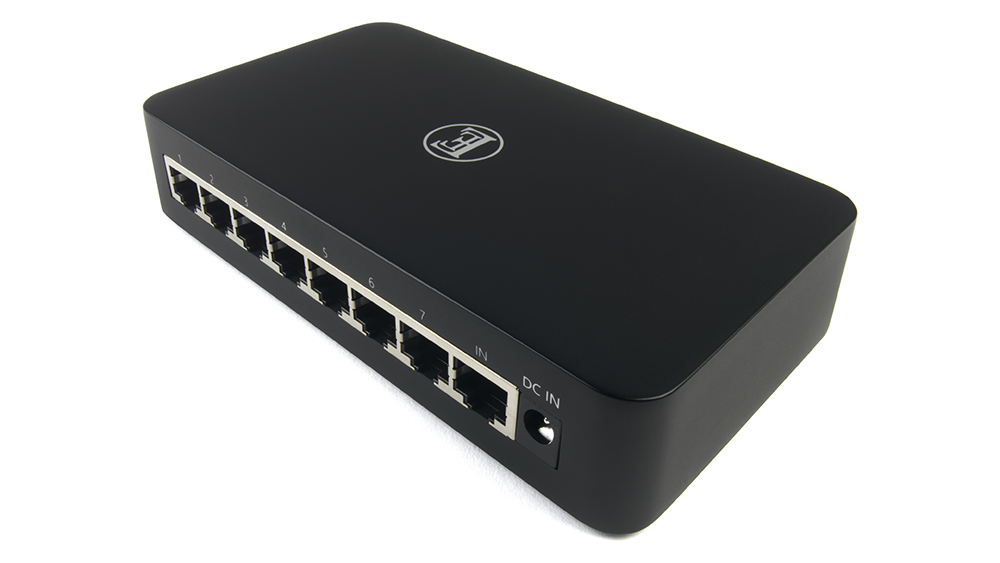
High-Frequency Noise and the Ethernet Dilemma
While physical CD players and turntables operate within isolated, self-contained playback loops, network streamers are physically connected to the home network via Ethernet or Wi-Fi. Standard domestic networks are filled with high-frequency electromagnetic interference (EMI) and radio-frequency interference (RFI) generated by smart TVs, routers, computers, and switching power supplies.
This noise travels along the shielding and data lines of Ethernet cables, entering the streamer’s digital-to-analogue converter (DAC) circuit. Once inside, this low-level electrical noise can cause timing errors (jitter) in the DAC’s master clock.
$$textJitter (ps) propto textPhase Noise in Clock Circuitry$$
Even minor jitter in the picosecond range can degrade the stereophonic image, mask micro-detail, and introduce a subtle hardness to high-frequency transients. This physical reality has created an entirely new market for audiophile-grade network switches, isolation filters, and shielded digital cabling designed to break these electrical noise paths.
4. Official Responses: Insights from Industry Veterans
To understand how these changes have played out on the factory floor and in the listening room, we turn to some of the industry’s most respected engineers and designers.
On the Complexity of Modern Electronics Design
Nick Brown of Cambridge Audio emphasizes that the sheer scope of modern product development has changed the organizational structure of audio brands:
"Where product development once drew on a relatively small core team, it now pulls in software engineers, network specialists, UX designers, compliance experts and more—all working in parallel, all needing to get it right. Perhaps the most telling sign of where things have landed: our fastest-growing team right now isn’t electronics or software. It’s QA [Quality Assurance]."
On the Impact of the Compact Disc
Jon Jeary, an engineer at QED, recalls how the introduction of the Compact Disc democratized high-fidelity audio for the general public:
"The year What Hi-Fi? launched, I bought the latest Steve Miller Band album on vinyl. On the way home, the record warped slightly in the summer heat. Played on my father’s respectable and relatively expensive system—a Garrard SL75B, Trio KA2002 amplifier and Wharfedale Kit speakers—the first track on each side suffered audible wow, flutter and even a jump. Yet we still loved the music and accepted the limitations… Nine years later, I heard the same album on a friend’s Philips CD104. The difference was astonishing: no scratches or jumps, an inaudible noise floor, perfect stereo separation, negligible distortion and a ruler-flat frequency response."
Comparison of Typical Playback Formats: Vinyl vs. Compact Disc (1983)

Metric                  Vinyl LP                    Philips CD104 (CD)
-------------------------------------------------------------------------
Dynamic Range           ~50 dB - 60 dB              >90 dB
Frequency Response      30Hz - 20kHz (Non-linear)   20Hz - 20kHz (±0.1dB)
Channel Separation      ~25 dB - 30 dB              >90 dB
Total Harmonic Dist.    ~1% - 3%                    <0.005%
Wow and Flutter         0.05% - 0.15%               Below measurable limits
On the Network Noise Challenge
Patrick Mitchell of the Chord Company highlights the hidden struggles of designing for the streaming era:
"Optimising a digital system has introduced a whole new set of environmental variables that simply didn’t exist when we were spinning isolated discs. When you introduce a network streamer, the audio system becomes physically connected to the broader domestic data network… Standard home networks are inherently noisy environments, and that hidden electrical noise can heavily mask the subtle details that make recorded music sound real."
On Component and Material Evolution
Nick Clarke, Managing Director of Cyrus, notes that while the basic circuit configurations of analogue amplifiers are similar to those of 50 years ago, the materials and manufacturing techniques have advanced immensely:
"The list of improved parts and techniques is almost endless," Clarke explains, pointing to modern developments like "the use of phase change materials for heatsink bonding and a higher current handling in a given transistor package for an amplifier output stage."
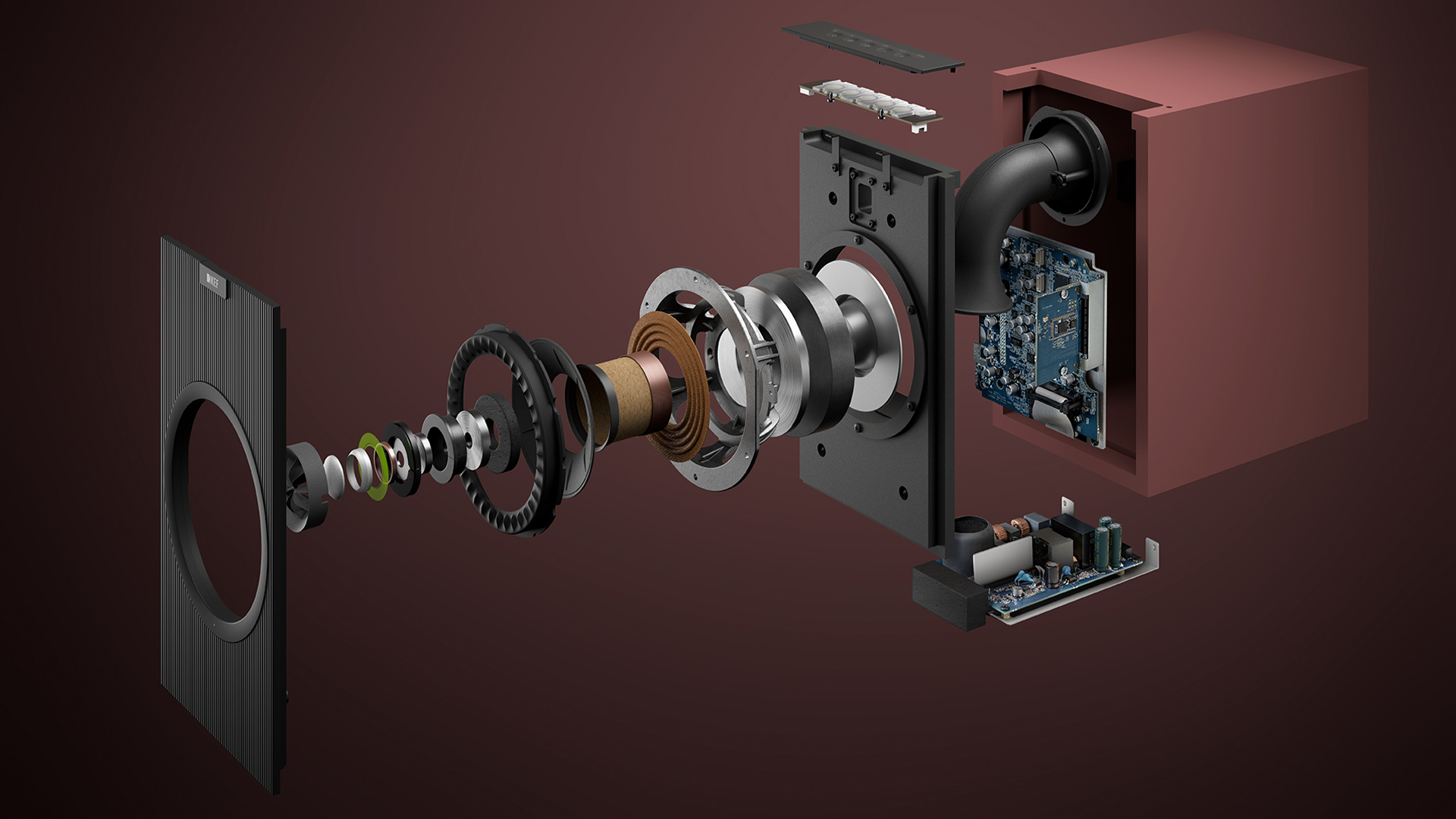
Jack Oclee-Brown, Senior Vice President and Chief Technology Officer at KEF, identifies the development of neodymium magnets as a major turning point for speaker and headphone design:
"Toward the late 80s and early 90s, neodymium magnets started to find their way into audio products and brought about a technical revolution. At KEF, we used this new type of magnet to allow us to miniaturise the loudspeaker tweeter, placing it at the centre of the midrange driver to create our famous Uni-Q driver array. Headphones could be made smaller, lighter and more portable; products like Apple’s AirPods could not exist without neodymium magnets."
Comparison of Magnetic Materials in Audio Transducers

Material             Max Energy Product (BHmax)    Relative Weight Required for Equal Flux
------------------------------------------------------------------------------------------
Ferrite (Ceramic)    ~3.5 MGOe                     100% (Baseline)
Alnico               ~5.5 MGOe                     ~70%
Neodymium (NdFeB)    ~40 - 52 MGOe                 ~10% - 15%
On the Revolution of Computer-Aided Design (CAD)
Nick Clarke remembers the grueling process of designing circuit boards by hand in the late 1980s:
"We laid out circuits manually after sketching the idea on paper using black tape on a sheet of plastic at a 2:1 scale so that you had a chance of producing this by hand. This was then sent away and photo-reduced to a 1:1 master, from which the (usually) single-sided PCB was produced. There was no link to the mechanical parts of the product design… The whole process was costly, labour-intensive, time-consuming and fraught with opportunities for something to go wrong."
Today, the workflow is entirely digital:
"Today, you have extremely advanced CAD software for both the PCB and the mechanics, which link together in such a way with a vast amount of automated checks that it is virtually impossible to produce a PCB that has errors that would prevent manufacture… We can now use simulation tools for trialling circuit ideas or the thermal efficiency of heatsinks—tasks which in the past would have been very educated guesses at best or total blind alleys at worst."
Peter Comeau, Director of Acoustic Design for the IAG Group (overseeing brands like Mission, Wharfedale, and Quad), recalls how loudspeaker measurements were taken in his youth:
"When I first became interested in loudspeaker design, as a teenager in the late 1960s, measurement typically consisted of hoisting a baffle high above the ground on a crane with a microphone suspended a yard or so from it. Then, in the ’70s, anechoic chambers became more prevalent, and we had Bruel & Kjaer sweep generators and a pen graph response tracer to help view frequency response and harmonic distortion."
Comeau confirms that modern tools have made a major difference:
"Does this actually help us design better loudspeakers? The short answer is ‘yes’; we can make better diaphragms and motor systems, control cabinet vibrations successfully and simulate the power response of loudspeakers in rooms."
5. Implications: The Future of High-Fidelity Audio
The rapid evolution of audio technology has major implications for manufacturers, consumers, and the environment.
The Digital Twin and Virtual Prototyping
The widespread adoption of Finite Element Analysis (FEA) and multiphysics simulation software has transformed how audio companies approach research and development. Engineers can now build a "digital twin" of a loudspeaker or amplifier. They can simulate:
Acoustic Wave Propagation: Modeling how sound waves exit a cabinet and interact with room boundaries.
Mechanical Stress and Vibration: Visualizing how speaker cones deform under extreme loads (cone breakup) and identifying cabinet resonances before cutting any wood.
Thermal Dynamics: Predicting how heat dissipates from amplifier output stages and heatsinks, ensuring long-term reliability.
This virtual prototyping saves months of physical assembly and testing, allowing boutique brands to compete with large multinational corporations in performance and engineering precision.
The Green Magnet Crisis and Material Sustainability
While neodymium magnets have enabled the modern headphone and active speaker industries, their supply chain presents significant environmental and geopolitical challenges. Neodymium is a rare-earth element, and its extraction and refining processes are resource-intensive and environmentally taxing.
As demand rises for rare-earth magnets in electric vehicle (EV) motors and wind turbines, the audio industry faces rising costs and potential supply shortages. This has driven a renewed search for sustainable alternatives.
Companies like Niron Magnetics are currently developing Iron Nitride ($textFe_16textN_2$) permanent magnets. These magnets use abundant, non-toxic iron and nitrogen, promising to deliver high magnetic performance without the environmental toll of rare-earth mining.
       [Rare-Earth Neodymium]                 [Sustainable Iron Nitride]
       * High extraction damage               * Low environmental impact
       * Geopolitically volatile              * Abundant raw materials
       * Excellent magnetic strength          * Promising high-flux alternative
The Enduring Value of Critical Listening
Despite the power of modern simulation tools, the final arbiter of high-fidelity audio remains the human ear. Peter Comeau emphasizes that while measurements and simulations are essential for building a solid foundation, they cannot replace critical listening:
"The process of hours and hours of fine-tuning, experimentation and tweaking… is as relevant today as it always was."
Measurements can show if a speaker has a flat frequency response or low distortion, but they cannot fully describe the complex human perception of soundstage depth, instrumental texture, and emotional engagement. The most successful modern audio products are those designed by engineers who balance objective measurement with subjective listening.
Fifty years after the birth of the modern British hi-fi industry, the tools, formats, and technologies have changed beyond recognition. Yet, the core of the discipline remains the same: a blend of scientific curiosity, engineering precision, and a passion for music. As the industry looks toward a future of artificial intelligence, green materials, and spatial audio, that balance of human artistry and technological innovation will continue to drive the pursuit of perfect sound.