In the rarefied world of audiophile-grade recordings, the pursuit of transparency, natural timbre, and emotional fidelity remains the ultimate objective. For the discerning listener, the recent influx of high-resolution content—particularly in the Pure DSD256 format—represents a renaissance in how we experience classical, folk, and contemporary instrumental music.
This survey highlights several standout releases from the spring of 2026, featuring performances from the LSO Live, Hunnia, Eudora, and Soundkeeper labels. These albums are not merely technical showcases; they are profound artistic statements that challenge the listener to engage with music as an intimate, lived experience rather than a static recording.
The Main Facts: A New Standard for Digital Fidelity
The common thread linking this collection is an uncompromising commitment to the source. Labels such as Hunnia and Eudora have leaned heavily into the Pure DSD256 format, a digital architecture that preserves the integrity of the original analog signal or high-bit-depth capture without the artifacts introduced by complex post-processing.
From the piano masterworks of J.S. Bach to the Goth-Americana landscapes of Tim Eriksen, these releases prioritize "the air in the room." By minimizing studio manipulation and favoring organic, live-take environments, these engineers have managed to bypass the clinical detachment that often plagues modern digital releases. The result is a sonic landscape that invites the listener into the recording space, bridging the gap between the performer’s intent and the audience’s reception.
A Chronology of Discovery: Recent Musical Milestones
The following releases, reviewed over the past several weeks, represent a cross-section of current high-resolution activity:
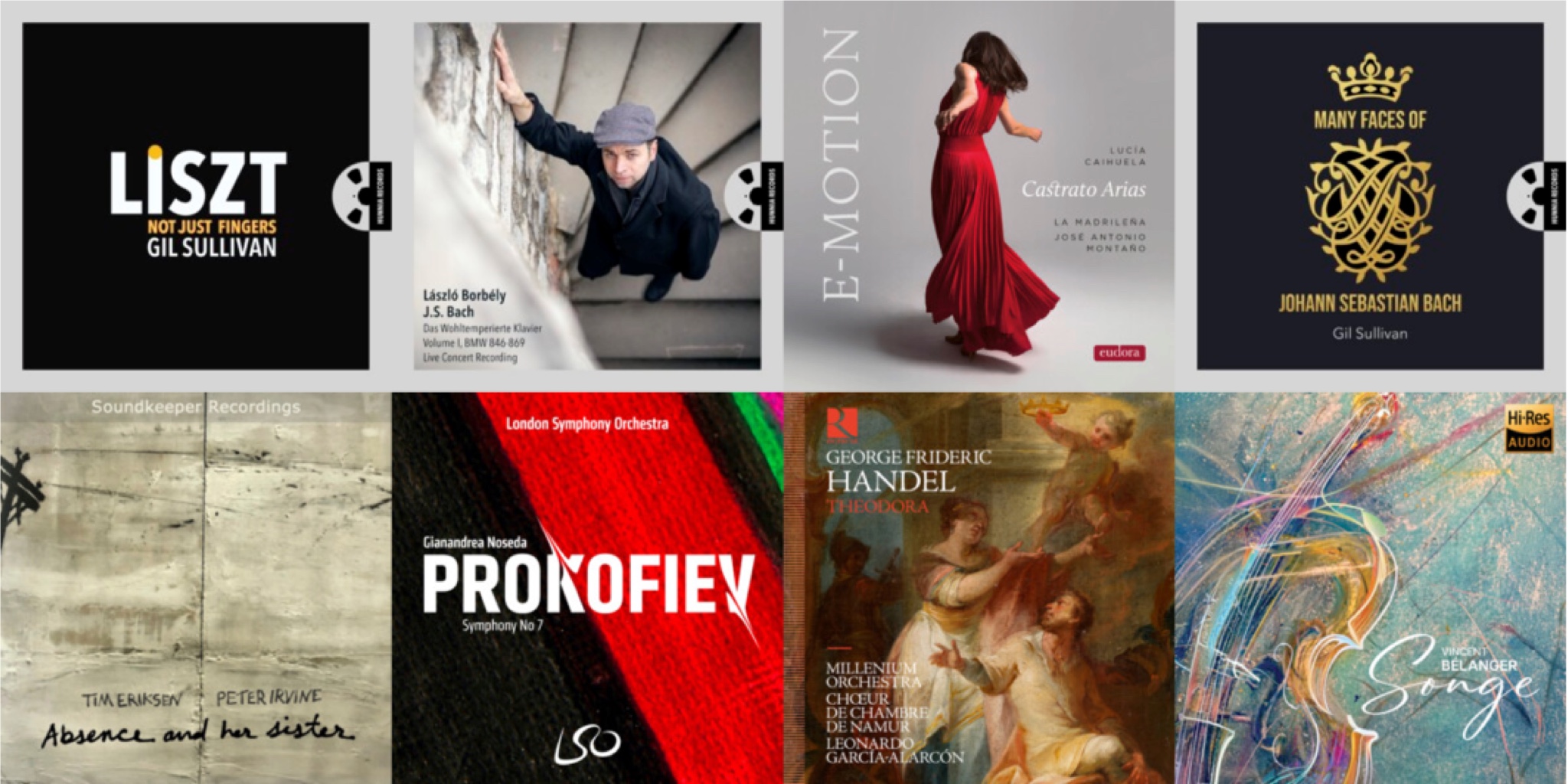
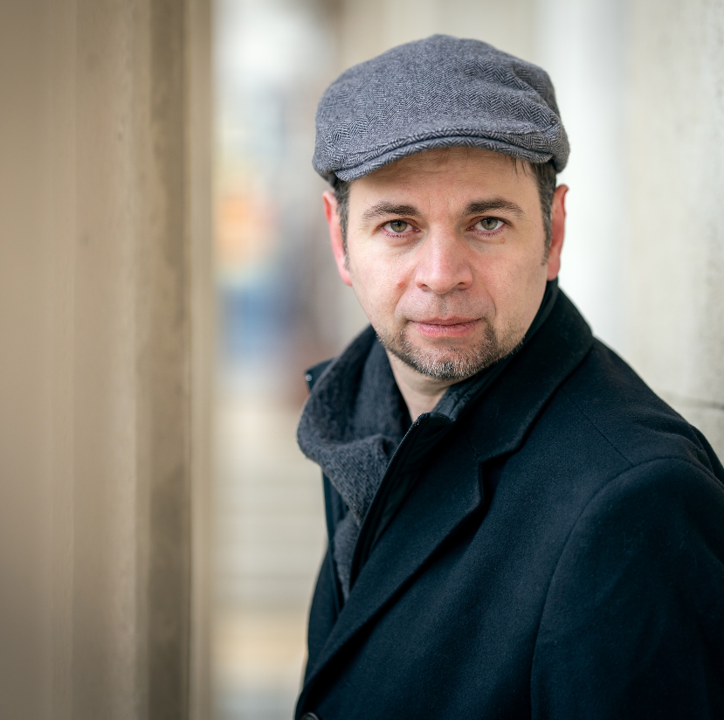
1. Bach: The Well-Tempered Clavier, Volume I (László Borbély)
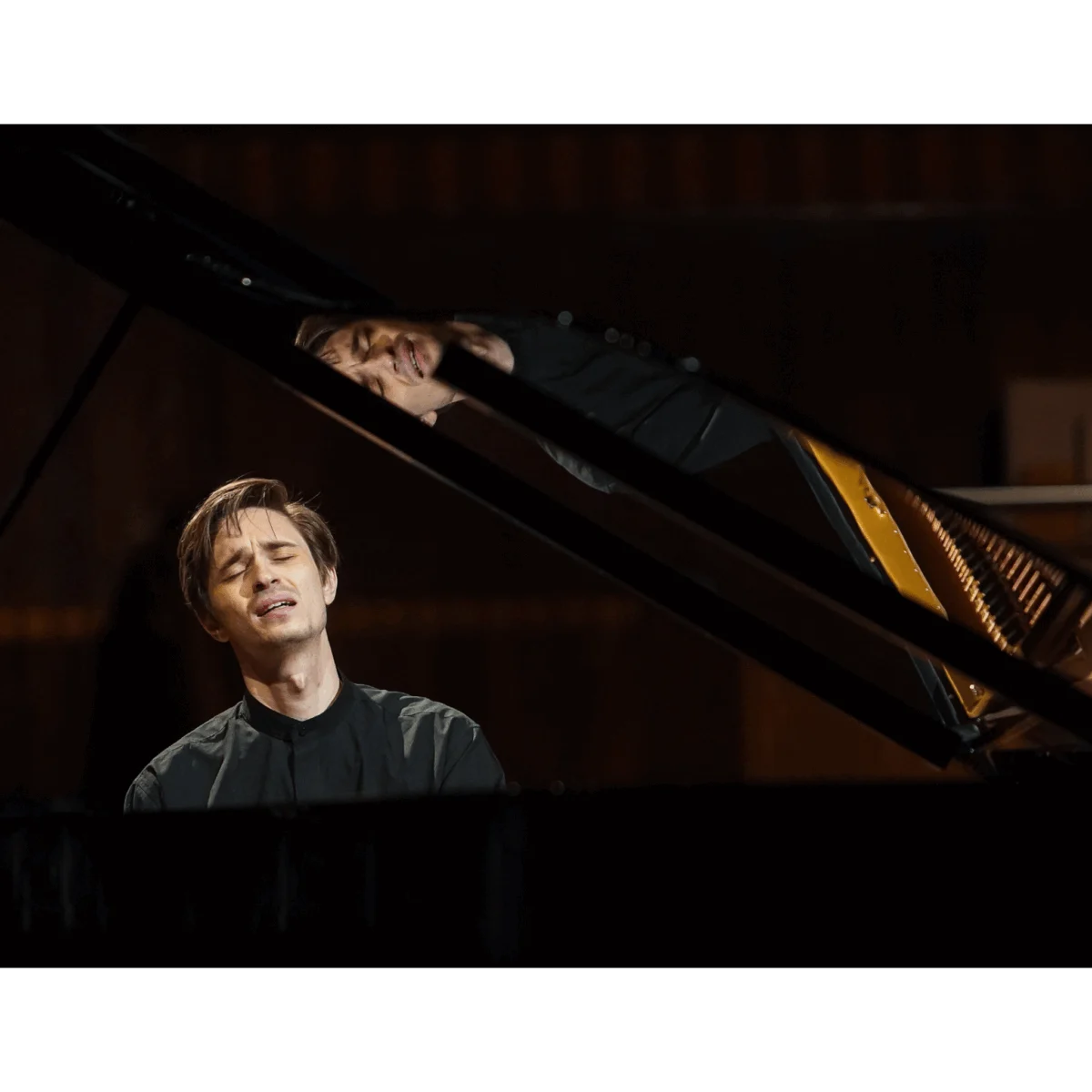
László Borbély’s interpretation of Bach’s Well-Tempered Clavier is a masterclass in intimacy. Rather than treating the cycle as a sterile exercise in counterpoint, Borbély approaches the work as a "musical breviary"—a collection he has returned to daily since childhood. Recorded in an invited-audience setting for Hunnia Records, the performance captures the pianist’s inner ear with stunning clarity. His phrasing, which subtly incorporates a jazz-like improvisatory elasticity, allows the voices to answer and lean into cadences with natural, human momentum.
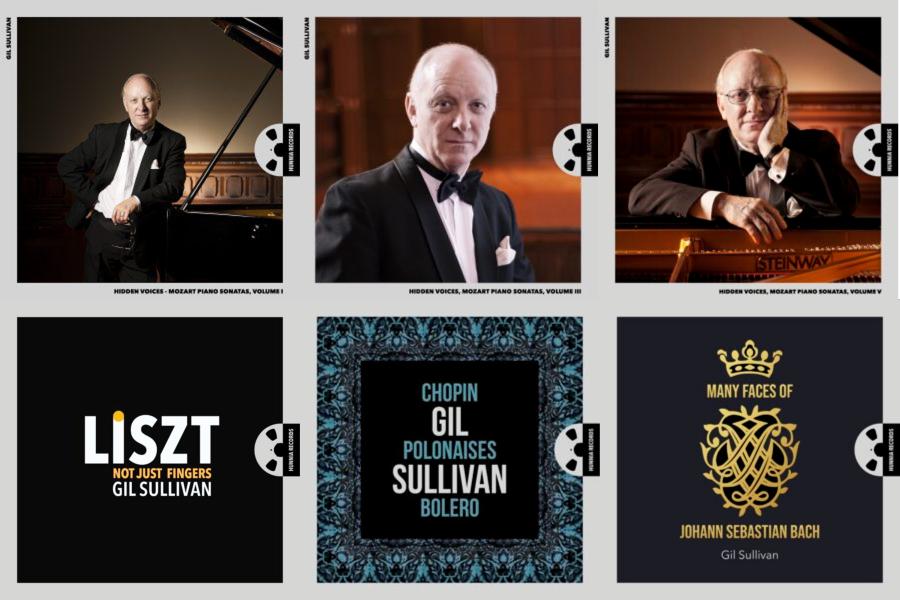
2. The Many Faces of J.S. Bach (Gil Sullivan)
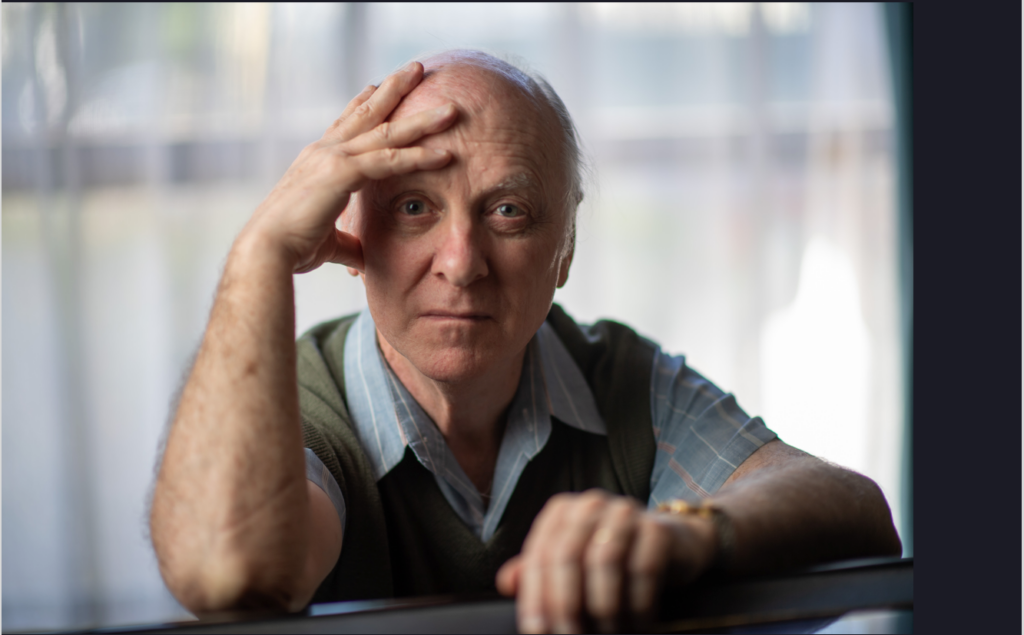
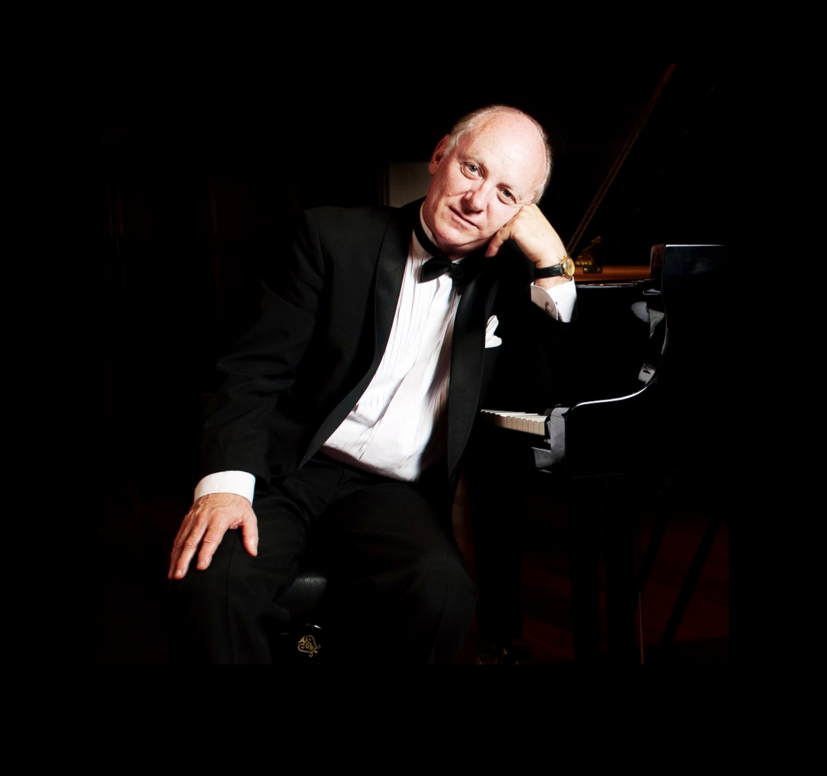
Gil Sullivan returns to the Hunnia label with a recital that surveys the breadth of Bach’s keyboard imagination. By weaving together transcriptions by Wilhelm Kempff with the Italian Concerto and selections from Book II of the WTC, Sullivan creates a narrative arc that moves from the devotional to the brilliant. His "no-nonsense" style serves the music well, providing a refreshing clarity that highlights the diversity of Bach’s genius.
3. Liszt: Not Just Fingers (Gil Sullivan)
Sullivan’s second recent offering is a deep dive into the transcriptions and compositions of Franz Liszt. Eschewing the common criticism of Liszt as merely a virtuoso of "digital dexterity," this album focuses on the emotional core of the work. From the warmth of the Schumann Widmung transcription to the expansive St. François de Paule marchant sur les flots, Sullivan proves that Liszt’s music, when handled with sensitivity, is an engine of profound emotional power.
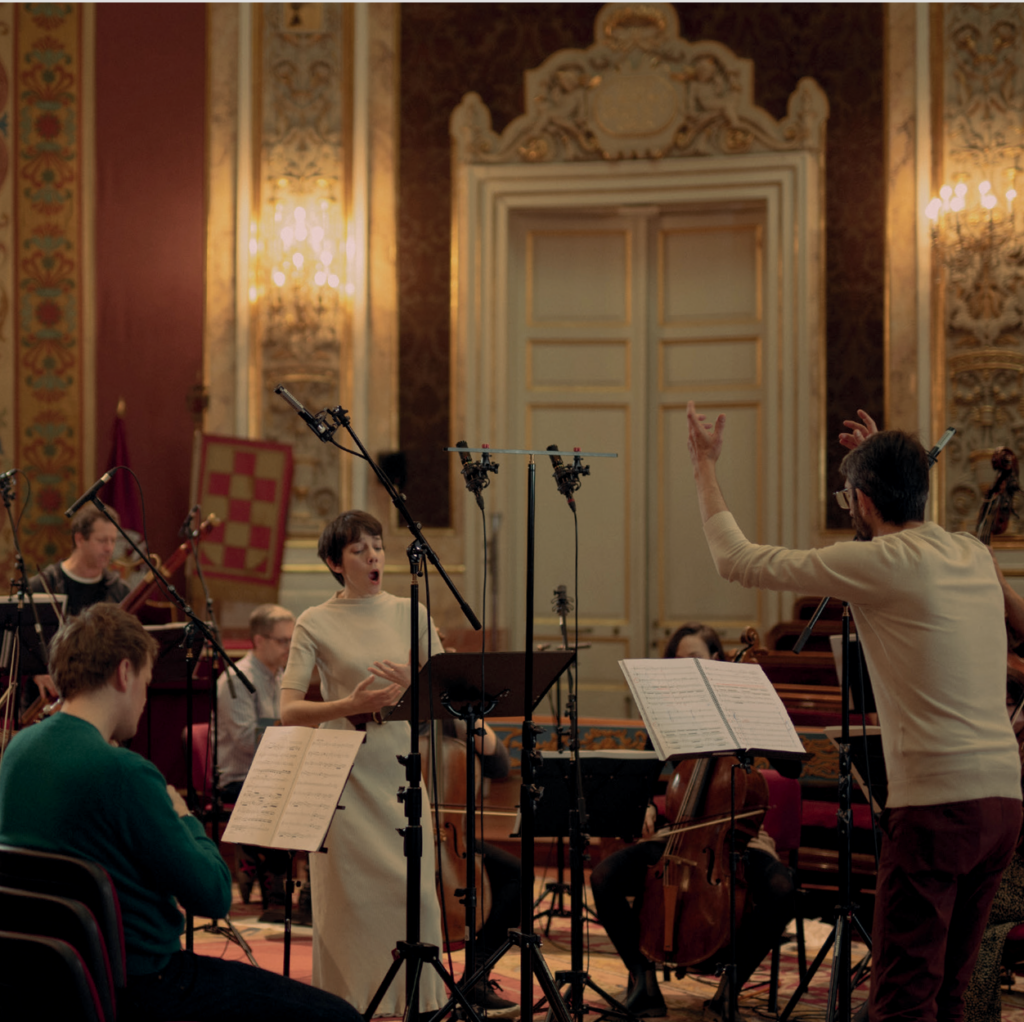
4. E-MOTION (Lucía Caihuela, La Madrileña, José Antonio Montaño)
Eudora Records presents a vibrant exploration of Baroque and early Classical repertoire. Led by soprano Lucía Caihuela, the ensemble La Madrileña breathes life into lesser-known works with a rhythmic alertness that justifies the album’s title. The recording is a testament to the "dialogue" between soloist and ensemble, captured with a natural acoustic space that defines the Eudora sound.
5. Prokofiev: Symphony No. 7 (Gianandrea Noseda, LSO)
Gianandrea Noseda and the London Symphony Orchestra have produced a definitive modern account of Prokofiev’s final symphony. Eschewing the temptation to over-dramatize the score, Noseda leans into the work’s autumnal melancholy. His decision to utilize the original, quiet ending provides a devastatingly effective close, far removed from the forced optimism often imposed upon the work.
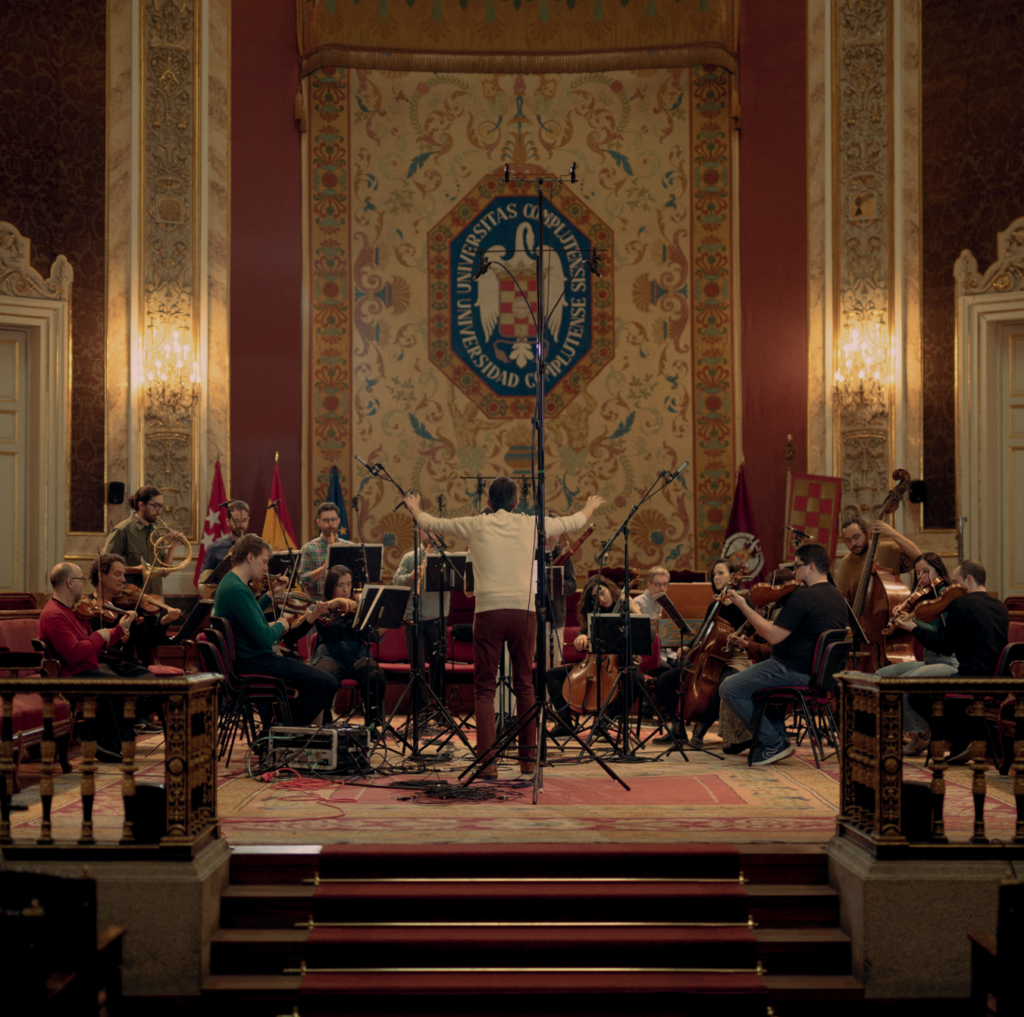
6. Handel: Theodora (Chœur de Chambre de Namur, Leonardo García-Alarcón)
Often overlooked in favor of Messiah, Handel’s Theodora is revealed here as an inward, tragic masterpiece. Leonardo García-Alarcón directs a performance that balances the sacred and the dramatic. The vocalists, including Sophie Junker, avoid operatic grandstanding in favor of text-driven restraint, making the final tragic conclusion feel deeply personal.
7. Songe (Vincent Bélanger)
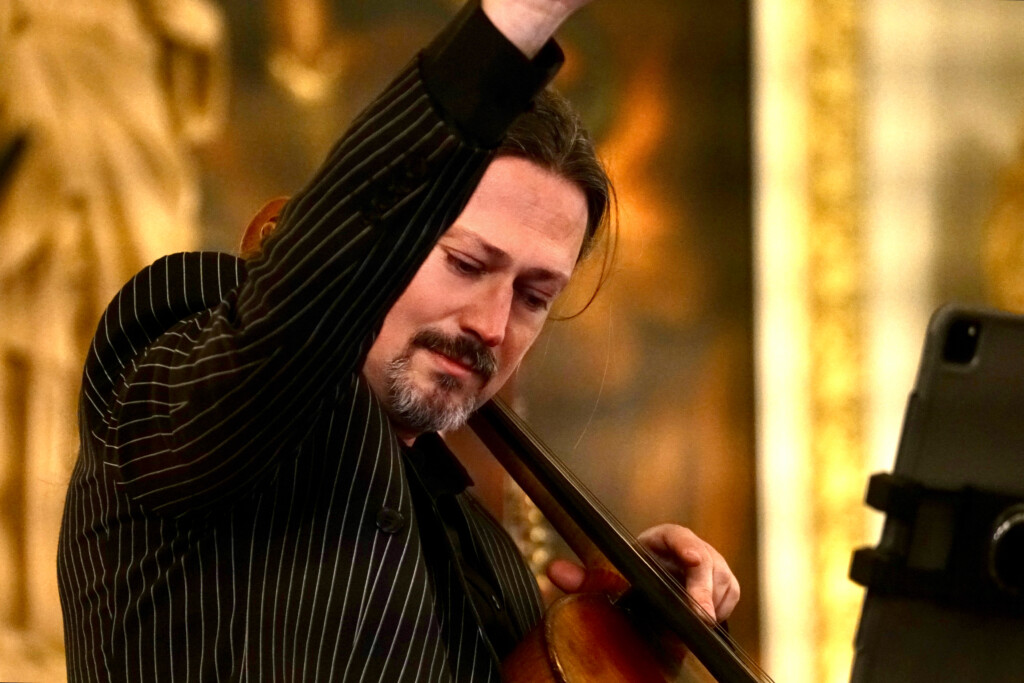
Canadian cellist Vincent Bélanger’s Songe is a holistic, dreamlike journey. Utilizing a multi-microphone technique that highlights the individual timbres of cello, harp, and violin, the album functions as a single, connected arch. It is a bold, emotive work that demands to be heard in its entirety.
8. Absence and her sister (Tim Eriksen and Peter Irvine)
This release from Soundkeeper Recordings is perhaps the most "authentic" of the lot. By recording live, without overdubs or post-processing, Barry Diament has captured the raw essence of folk music. Tim Eriksen’s voice, combined with Peter Irvine’s minimalist percussion, creates an immediacy that is rarely found in modern studio productions.
Supporting Data: The Technical Edge
The technical achievements of these labels cannot be overstated.
- Hunnia Records continues to leverage the Pure DSD256 format to capture the resonant decay of the Steinway Model D, as seen in Gil Sullivan’s recitals.
- Eudora Records maintains a reputation for high-resolution clarity, utilizing a recording technique that provides "space and air" without sacrificing the textural detail of period instruments.
- Soundkeeper Recordings remains the industry gold standard for "recording without a net." Their commitment to real-time, stereo-only capture serves as a critique of the over-produced, multi-tracked norm.
- LSO Live has successfully navigated the acoustic challenges of the Barbican, producing recordings that are now benchmarks for large-scale orchestral balance and resolution.
Official Responses and Industry Context
The consensus among industry critics is that we are witnessing a shift in priority. For decades, the "perfect" recording—one characterized by absolute pitch accuracy and surgical editing—was the goal. However, current trends suggest that audiences are now valuing "humanized" recordings.
As noted by performers like Vincent Bélanger and engineers like Barry Diament, the "feel" of a take is increasingly prioritized over the "flawless" execution of a score. This is not to suggest that technical proficiency is declining; rather, it is being reframed as a tool for emotional communication. The move toward Pure DSD formats is, in essence, a move toward transparency, allowing the listener to perceive the "ticking percussion" of a Prokofiev symphony or the "whispering harp" of a contemporary composition as if they were present at the moment of creation.
Implications: The Future of High-Resolution Listening
What do these releases imply for the future of the audio industry? Firstly, they prove that there is a robust, growing market for high-fidelity, non-pop music. The "Potpourri" of recent finds—spanning from the 18th-century Baroque to 21st-century contemporary composition—shows that listeners are looking for depth and narrative in their music libraries.
Secondly, the success of these labels highlights the necessity of the "edit master." As noted in the case of Vincent Bélanger’s Songe, even when DSD256 is the end product, the quality of the edit master (in this case, 96kHz) remains the fundamental variable. Audiophiles must be increasingly aware of the provenance of their digital files to ensure that the fidelity they pay for is the fidelity they receive.
Finally, these recordings represent a return to the "listening session" as an act of engagement. These are not background tracks; they are works that require, and reward, the listener’s undivided attention. As we move further into the 2020s, the marriage of high-resolution technology and humanistic, performance-first production will likely continue to be the primary engine of growth in the audiophile community. Whether it is the tragic martyrdom of Handel’s Theodora or the minimalist folk tales of Tim Eriksen, the message is clear: the most profound digital experiences are those that feel, above all else, undeniably real.