By the Architectural & Design Editorial Desk
In the modern architectural landscape, the quest for serenity has largely manifested as a pursuit of the minimal. Sleek expanses of polished concrete, floor-to-ceiling glass partitions, and seamless drywall dominate contemporary commercial and residential interiors. These materials offer a visual escape from the sensory overload of the outside world, instilling a sense of order, efficiency, and cleanliness. Yet, anyone who has ever tried to hold a conversation in a minimalist boardroom or focused on a task in a hard-surfaced open-plan office knows the hidden cost of this aesthetic: an assault on the ears.
How we perceive a space often depends entirely on the depth of its design. Much like a piece of music, the architecture of an interior can be understood as an intentional composition. It possesses a beat, a tempo, and harmonious elements that work in concert to evoke a specific emotional response from those who experience it. Within this spatial symphony, the textures utilized are akin to the instruments chosen for a movement. They are critical to achieving the desired emotional and atmospheric result, bridging the gap between how a room looks and how it actually feels to inhabit.
Today, forward-thinking designers are discovering that the traditional dichotomy between aesthetic beauty and acoustic performance is a false one. By rethinking walls not as passive background boundaries, but as active, textured surfaces, the industry is entering a new era where sound and style merge seamlessly—exemplified by innovations like Primacoustic’s EcoScapes Contour Panels.
Main Facts: The Intersection of Texture, Sound, and Sustainability
At the core of this design evolution is a fundamental scientific truth: surface texture dictates acoustic comfort just as much as it dictates visual identity.

When sound waves encounter hard, flat, reflective surfaces like glass, concrete, or standard drywall, they do not dissipate. Instead, they bounce aggressively off the boundaries, generating echoes, standing waves, and high levels of reverberation. This acoustic chaos makes rooms feel louder than they are, forces speech intelligibility to plummet, and makes sustained focus nearly impossible. The human brain constantly works overtime to filter out this auditory clutter, leading directly to cognitive fatigue, stress, and lowered productivity.
Textured surfaces, conversely, act as acoustic diffusers. By breaking up the path of sound waves and scattering them in multiple directions, texture neutralizes echoes and tames reverberation.
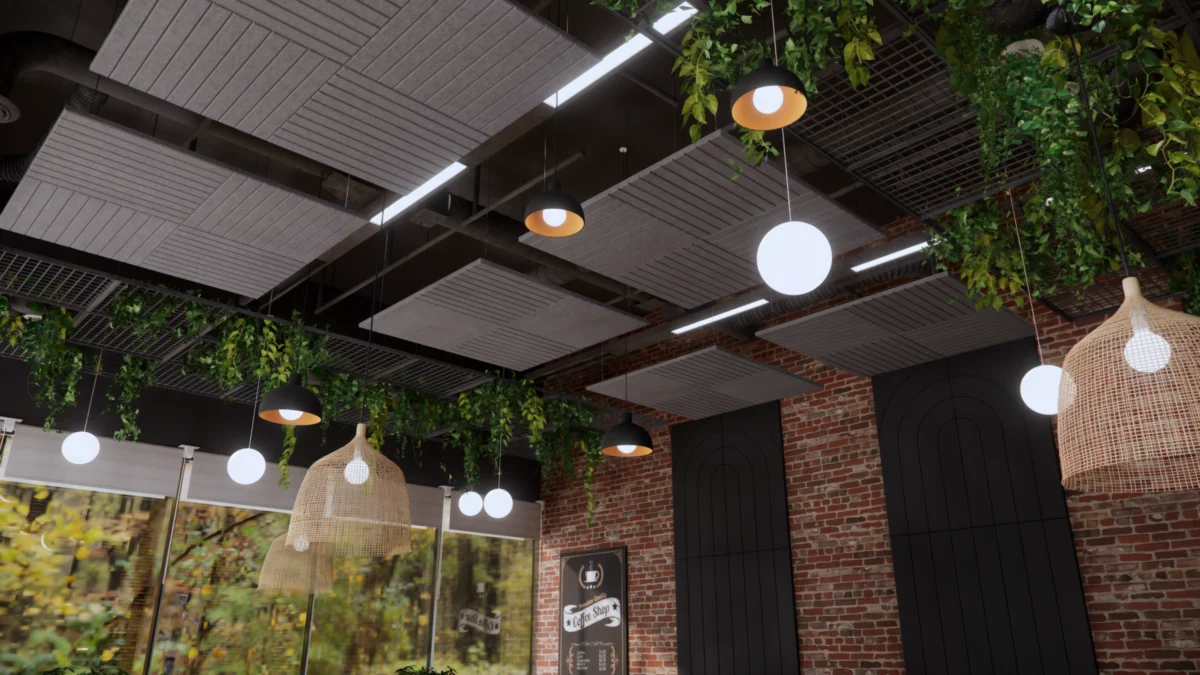
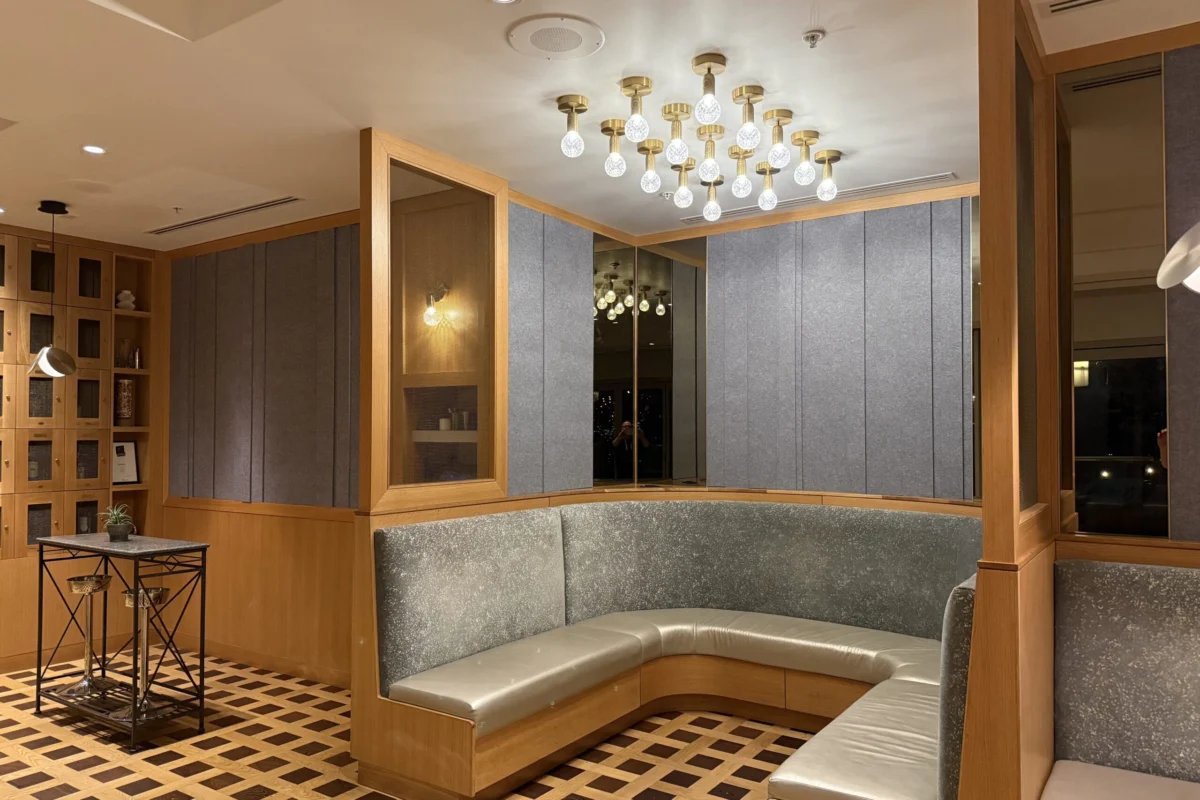
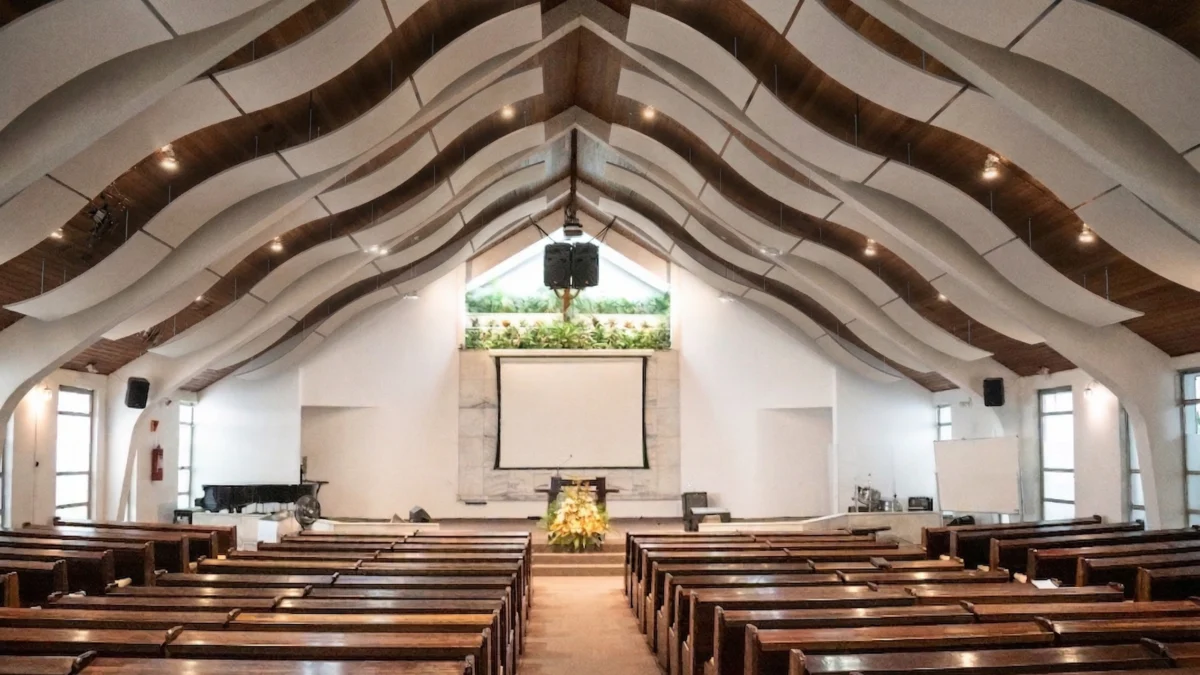
Enter modern polyethylene terephthalate (PET) felt—a high-performance material upcycled directly from recycled plastic bottles. PET has emerged as a game-changer in architectural acoustics. Not only does it possess inherent sound-absorbing properties, but its physical malleability allows it to be precision-cut, precision-molded, and custom-carved. This capability bridges a long-standing chasm in interior architecture, transforming what used to be intrusive, utilitarian acoustic foam squares into sophisticated, design-forward feature walls and ceiling clouds.
Chronology: The Evolution of Acoustic Integration
To understand where interior design is heading, it is helpful to look back at how acoustics and aesthetics have historically coexisted—or rather, collided.
The Era of Retrofitted Remediation (Late 20th Century)
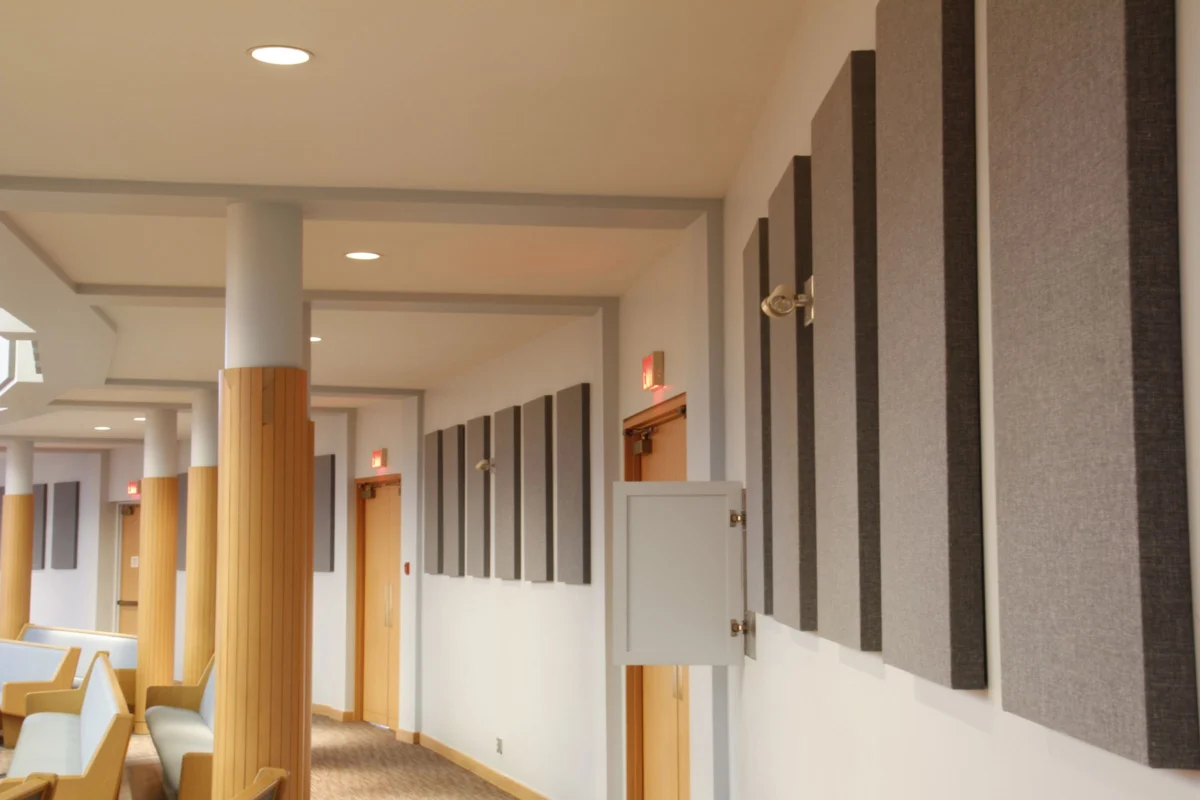
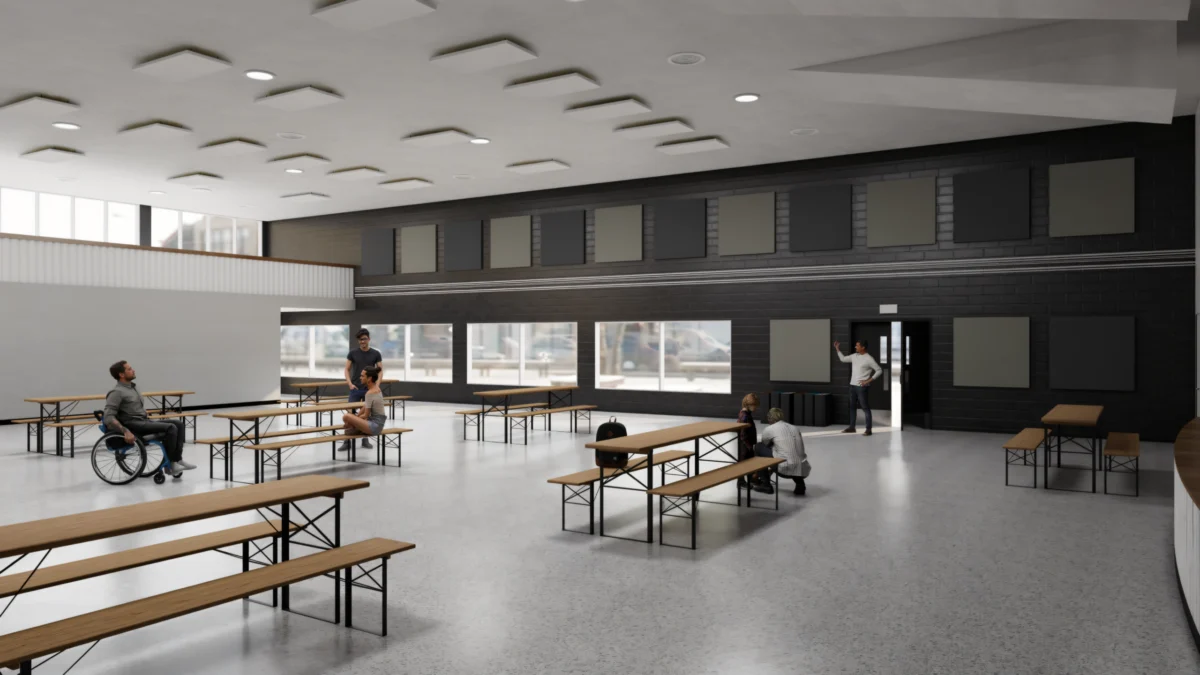
For decades, acoustic control was treated as an afterthought. Buildings were constructed with hard surfaces to maximize structural integrity and initial visual appeal. Once the building was occupied, inhabitants quickly realized the acoustic shortcomings. The resulting solution was retrofitting: slapping awkward, industrial foam panels, heavy velvet drapes, or thick carpets onto finished spaces. These fixes almost universally disrupted the architect’s original design intent, creating a clunky patchwork aesthetic that prioritized function at the direct expense of form.
The Rise of Minimalism and the Acoustic Crisis (Early 2000s)
As the corporate and residential worlds embraced ultra-minimalism, clean lines, and hard, reflective materials, the acoustic problem intensified. Open-plan offices, glass-walled conference rooms, and polished concrete floors became breeding grounds for excessive noise pollution. Designers struggled to reconcile the mandate for visual simplicity with the biological human need for sonic comfort.
The Material Revolution and Proactive Design (Present Day)
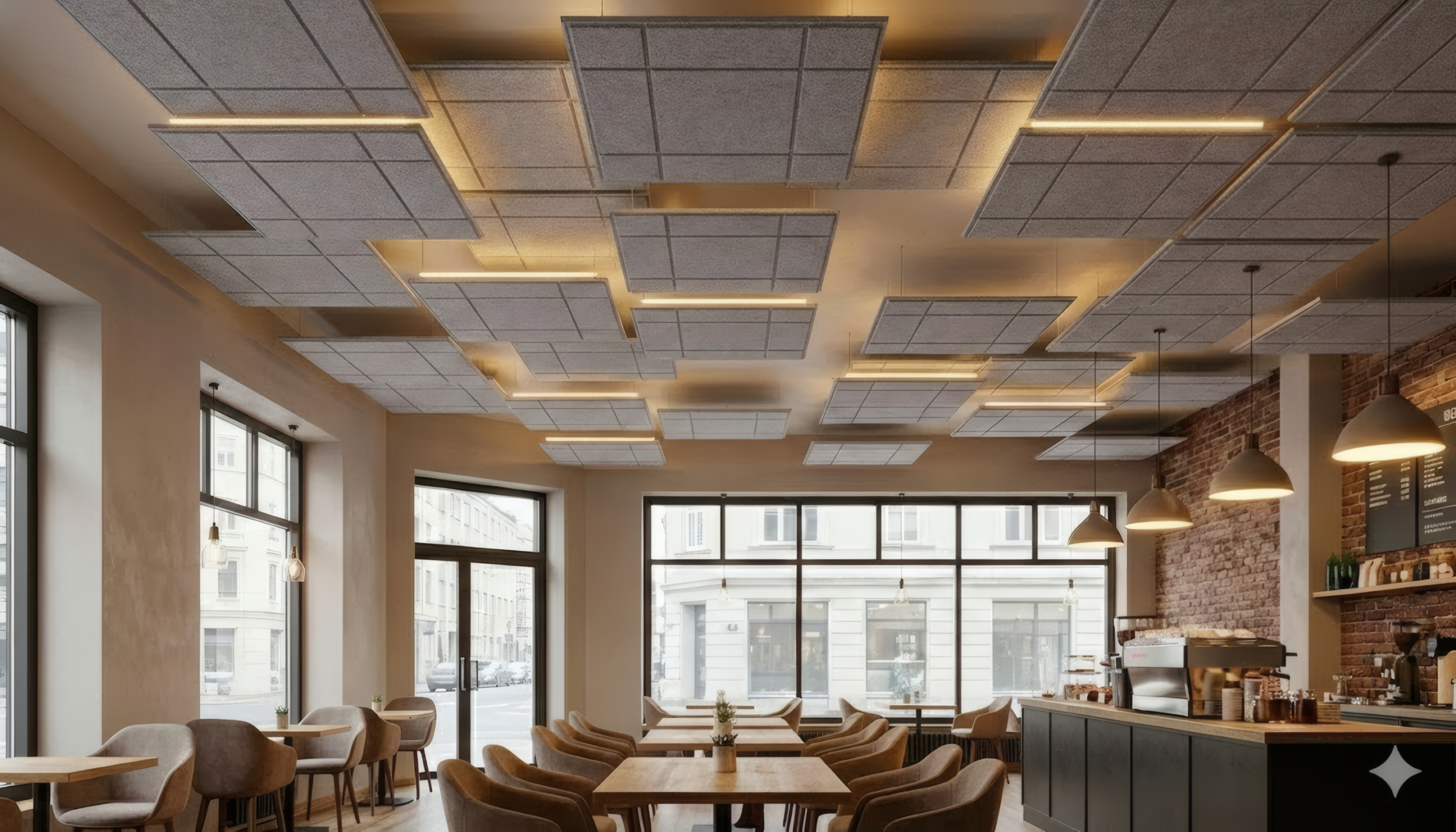
The introduction of moldable, sustainable materials like PET felt has fundamentally shifted the timeline. Rather than treating acoustics as a post-construction emergency, forward-thinking designers are now addressing the sonic and aesthetic impact of textures at the very inception of the conceptual design phase. Acoustic treatments are no longer hidden or added later; they are carved directly into the structural fabric of the room from day one.
Supporting Data: The Measurable Impact of Acoustic Design
While the emotional and aesthetic benefits of a well-composed room are profound, the empirical data supporting acoustic comfort is equally compelling.
- Productivity Metrics: Studies in workplace psychology consistently show that excessive reverberation and background noise in open-plan offices can reduce cognitive performance by up to 66%. Conversely, implementing effective acoustic diffusion and absorption helps restore cognitive stamina.
- Speech Intelligibility: In educational environments, poor room acoustics cause speech transmission indices to drop, severely impacting learning comprehension, particularly for young children or individuals with hearing impairments. Textured, high-NRC (Noise Reduction Coefficient) wall panels drastically improve clarity without requiring electronic amplification.
- Environmental Responsibility: The shift toward PET-based acoustic solutions has diverted millions of single-use plastic bottles from landfills and oceans. By upcycling post-consumer plastics into high-density felt, manufacturers like Primacoustic provide a sustainable alternative to traditional fiberglass or mineral wool, aligning interior design with modern corporate ESG (Environmental, Social, and Governance) goals.
- Design Flexibility: Modern precision-carving technology allows PET panels to achieve variable thicknesses and deep surface profiles. This manipulation of depth allows panels to control high, mid, and low frequencies across a broader sonic spectrum compared to flat, one-dimensional treatments.
Official Responses and Industry Perspectives
Leading voices in architecture and acoustic engineering emphasize that the future belongs to multi-functional surface treatments that refuse to compromise on either beauty or performance.
"When people think of acoustic panels, they historically imagine something intrusive—an industrial block that detracts from a clean, uncluttered aesthetic," notes design integration specialists within the architectural products sector. "However, the inherent flexibility of materials like PET allows us to create wall and ceiling solutions that are virtually indistinguishable from high-end architectural finishes, yet functionally superior."

Manufacturers are discovering that architects and interior designers no longer want to choose between a stunning visual canvas and a quiet room. By allowing surfaces to be custom-carved, tinted in wide color palettes, and precision-cut into intricate geometries, manufacturers provide creators with a new palette of tools.
"Instead of adding pictures, posters, or makeshift wall hangings after the fact to fix an echo, carved PET panels allow you to engrave your personality directly into the architecture of the space," industry insiders report. "It acts as a canvas that can stand completely on its own, establishing the rhythm and beat of the room before a single piece of furniture is moved inside."
Implications: Designing Spaces That Look Good and Feel Right
The implications of this shift toward integrated acoustic texturing extend far beyond corporate offices and conference rooms. As our living and working environments continue to evolve, the psychological demand for spaces that nurture mental health becomes paramount.
Transforming the Sensory Experience
When designers account for the "beat, rhythm, and feel" of a room early in the conceptual stage, the resulting environments are inherently more welcoming. By utilizing products like EcoScapes Contour Panels, designers can manipulate light and shadow across a three-dimensional surface. This creates visual rhythms that catch the eye and hold it, inviting occupants to interact with the space on both a visual and tactile level.
Balancing Form, Function, and Intention
The integration of carved acoustic surfaces allows for a delicate design balance. It anchors a space without dragging it down with visual or physical heavy-handedness. Plain, functional boundaries are transformed into intentional, artistic features. This eliminates the necessity of applying makeshift, visible acoustic fixes later—fixes that almost inevitably disrupt the seamless vision of the original designer.
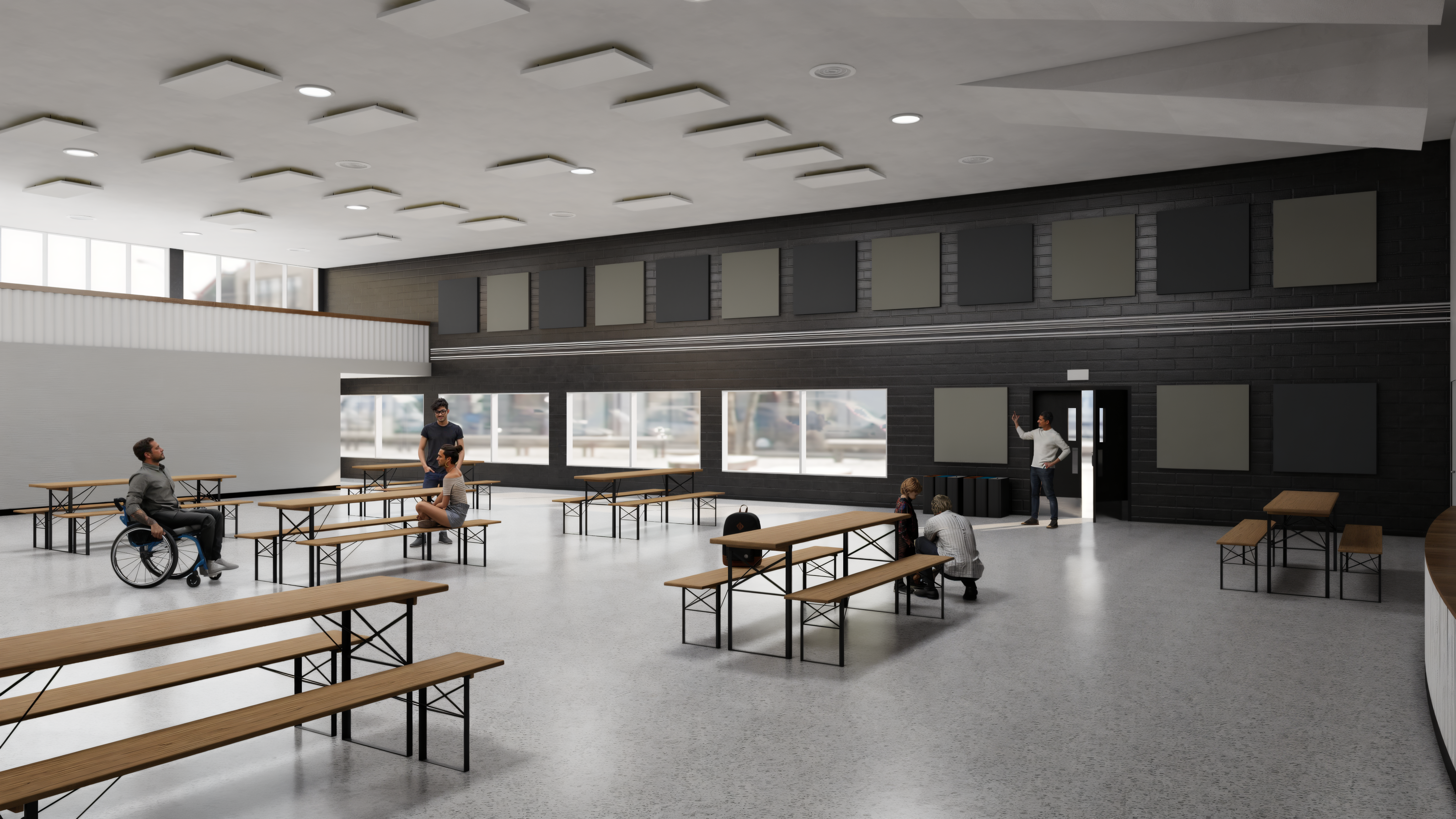
Ultimately, recognizing that acoustic comfort is just as critical to a user’s daily experience as lighting, ergonomics, or color psychology leads to more sustainable, highly usable spaces. Just as a musical composition fails if the instruments clash, an interior environment fails if its surfaces wage war on the human ear. By embracing active, textured surfaces that harmonize sound and style, modern architecture is finally learning how to compose spaces that not only look extraordinary, but truly feel right.