In the world of interior architecture and commercial design, the acoustic treatment of a space has historically been treated as an afterthought—a bulky, utilitarian necessity bolted onto walls long after the paint has dried. However, as modern building trends favor hard surfaces like exposed concrete, glass, and polished metal, the physics of interior sound management demand a more integrated approach.
Enter the philosophy that no two architectural projects are ever truly alike. While it is tempting for designers to apply a universal formula to spaces with similar functions—such as grouping all houses of worship, recording studios, or corporate boardrooms under a single acoustic umbrella—the reality on the job site tells a different story. Every room possesses a distinct fingerprint dictated by its structural makeup, volumetric capacity, spatial geometry, and the overarching design intent of its creators.
Addressing these unique acoustic and aesthetic challenges requires a departure from rigid, one-size-fits-all manufacturing. Increasingly, architects, interior designers, and acoustic integrators are turning to scalable, highly customizable systems that merge high-performance sound control with sophisticated interior design.
The Core Dilemma: Performance Versus Aesthetics
For decades, acoustic design forced professionals into an uncomfortable compromise. High-performance sound absorption often meant sacrificing visual elegance. Standardized rectangular panels in limited industrial color palettes frequently clashed with high-end interior concepts, leading to a frustrating standoff between how a room sounded and how it looked.

Furthermore, physical architectural constraints rarely conform to standard modular sizing. Slanted ceilings, exposed ductwork, irregular wall angles, and strict brand guidelines mean that off-the-shelf solutions frequently fail to address the complete picture. When treatments block light sources, disrupt sightlines, or clash with pre-existing design elements, the integrity of the architecture is compromised.
Flexibility has thus emerged as the holy grail of modern acoustic engineering. Designers no longer want to ask, "Where do I put this panel?" Instead, they want the freedom to ask, "How do I want this space to feel?" Accomplishing this shift requires versatile material building blocks that can adapt to architectural anomalies while maintaining uncompromising acoustic performance.
The Evolution of Sustainable Acoustic Materials
At the forefront of this material evolution is the increased adoption of recycled polyethylene terephthalate (PET) plastic. Sourced primarily from recycled post-consumer plastic bottles, PET has transformed from a recycling novelty into a cornerstone of sustainable architectural products.
Consistent across advanced product lines like Primacoustic’s EcoScapes, PET offers a unique combination of structural rigidity, exceptional sound-absorption coefficients, and limitless customizability. Unlike traditional porous foams that degrade over time or require heavy framing, PET-based acoustic treatments can be engineered into diverse formats—ranging from standard wall panels and ceiling clouds to sophisticated architectural elements like linear blades and multi-dimensional baffles.

This material consistency allows designers to maintain a uniform acoustic strategy across vastly different zones of a building while dynamically shifting the visual presentation to suit specific rooms. Whether a project calls for subtle, minimalist wall treatments or large-scale, intricate ceiling installations, the foundational medium remains eco-friendly, durable, and structurally adaptable.
Expanding Creative Horizons: Blades, Baffles, and Carved Panels
Modern acoustic systems achieve their versatility through specialized line extensions designed to target the largest untapped acoustic real estate in any room: the ceiling.
1. Vertical and Suspended Ceiling Systems
Ceilings typically represent the largest reflective surface in commercial or public spaces, making them primary targets for echo and reverberation control.
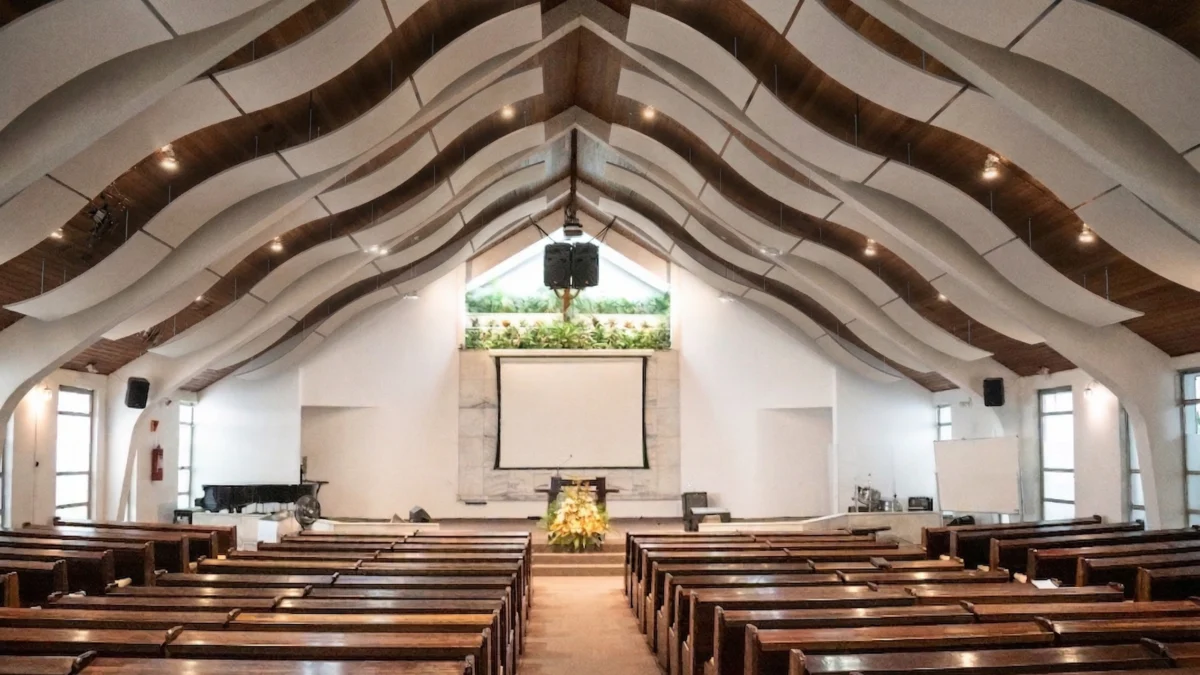
- EcoScapes Blades: These ceiling-mounted linear elements can be mixed, matched, and scaled to create striking architectural features overhead while intercepting sound waves before they bounce across the room.
- Dimensional Baffles: Available in complex three-dimensional formats, suspended baffles excel at working around or entirely concealing unsightly overhead infrastructure, such as sprinkler systems and HVAC lines, while harmonizing with exposed beams and rafters.
2. Contour Carved Panels
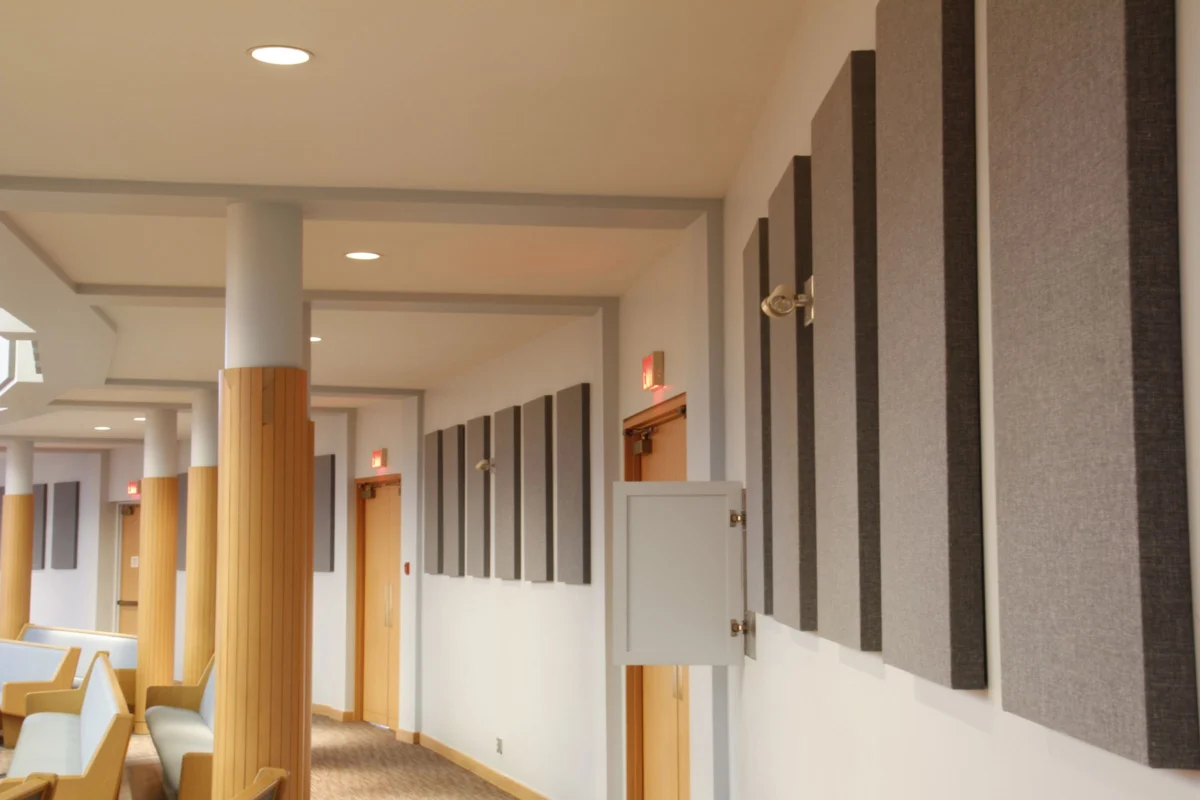
Where wall space is concerned, modern precision computer numerical control (CNC) routing has revolutionized what acoustic treatments can achieve. Contour Carved Panels allow manufacturers to cut intricate patterns, textures, and even full-scale artistic murals directly into the face of the acoustic material. This transforms functional sound absorption into a primary artistic statement or a subtle brand-specific design feature.

Real-World Applications: Bridging the Gap Between Form and Function
The true test of any architectural product lies in its real-world deployment across disparate environments. From high-impact recreation spaces to prestigious hospitality venues, versatile acoustic systems must prove their adaptability daily.
The Hospitality Sector: Invisible Integration
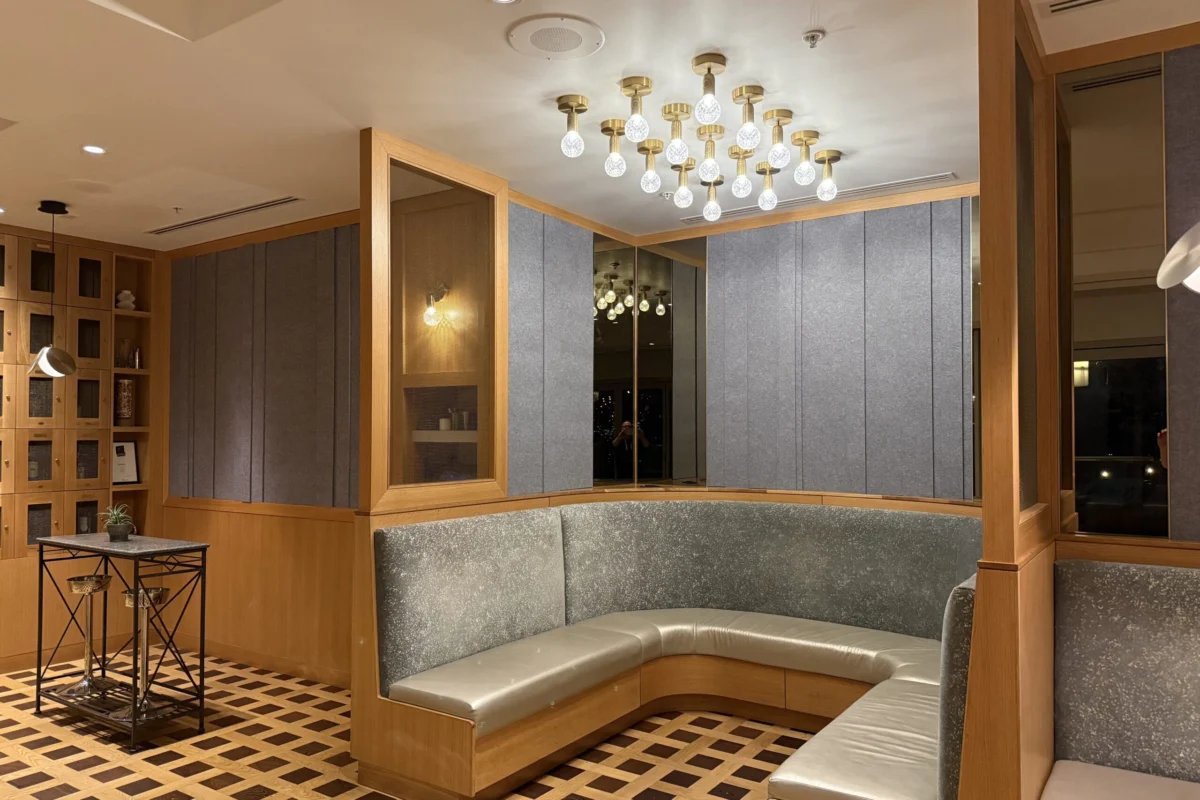
In upscale social venues, managing ambient noise without altering the interior ambiance is critical. At Vancouver’s historic Terminal City Club (TCC)—a facility that has earned multiple design awards—maintaining the visual prestige of the rooms was paramount.
"We wanted people to hear the difference, but not see the difference," explains Iain Fletcher, TCC’s Director of Club Outlets. Following the installation of customized acoustic solutions, Fletcher noted the success of the project: "I have had people ask what we did and where the panels are, so they’ve noticed a difference in sound, but haven’t seen a difference."
High-Tech Simulation and Recreation
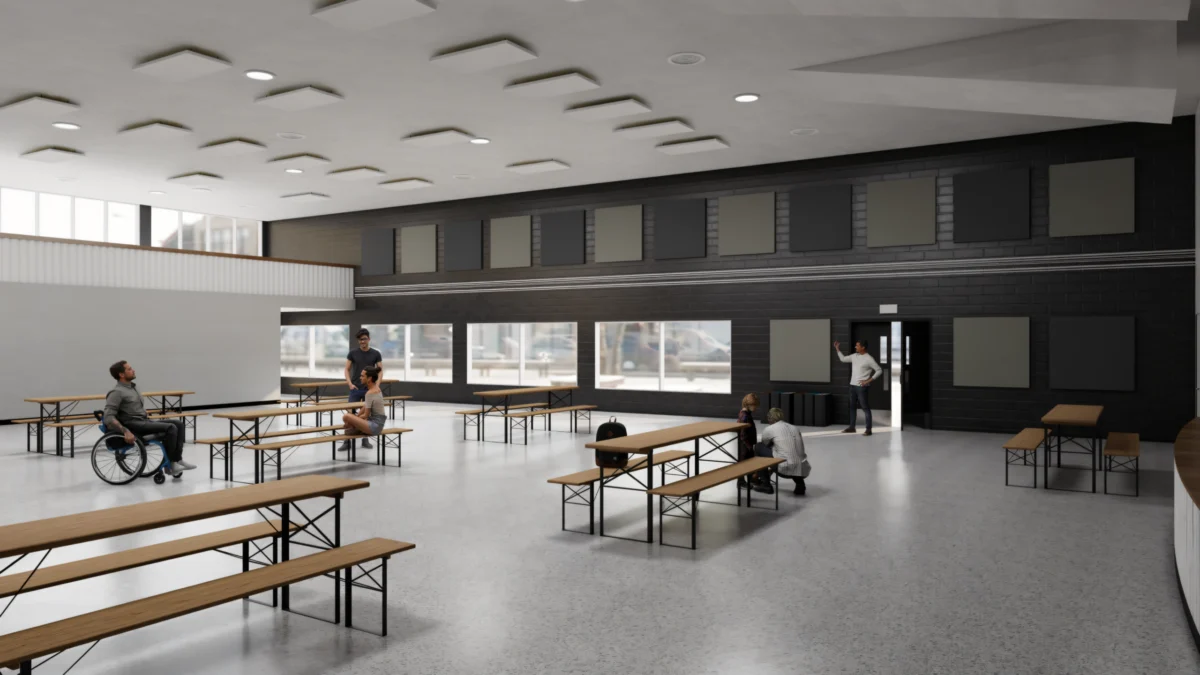
In specialized environments such as indoor golf simulators or multi-sport athletic facilities, acoustic treatments face dual threats: intense acoustic reflections from hard impact screens and heavy physical wear and tear. In these settings, durability must be engineered directly into the panel matrix without sacrificing aesthetic cohesion.

Empowering the Industry: Software, Tools, and Dealer Support
As custom acoustic treatments become the expected standard rather than an expensive exception, manufacturers are realizing that product quality alone is no longer enough. Success in modern integration requires deep collaborative partnerships between manufacturers, designers, and installation dealers.
Industry leaders are investing heavily in digital infrastructure, providing web-based calculators and visualization suites that allow integrators to input exact room dimensions, select product configurations, and generate accurate visual mock-ups for clients prior to ordering.
"We worked on an event space that was incredibly challenging due to its construction… I couldn’t even use my traditional calculators to determine the product I needed," shares Tracey Cochrane, Owner and Manager of Points West Audio Visual and Acoustics. Using advanced digital mapping tools, Cochrane was able to bridge the gap between technical requirements and client presentations: "Instead of me simply saying ‘Here’s my proposed solution,’ I can actually give them a clear picture of the installation."
This consultative, solution-first methodology shifts the dynamic from a simple supplier-purchaser transaction to a collaborative engineering partnership. When integrators encounter structural abnormalities—such as uncalculated load-bearing columns or irregular ceiling heights—having a responsive manufacturer willing to adapt the product via on-site cutting or custom CNC routing safeguards project timelines and budgets.

Implications for the Future of Architecture
The broader industry implications of scalable, sustainable, and customizable acoustic systems point toward a more integrated future for interior design. As building codes tighten around environmental impact, indoor air quality, and acoustic comfort in shared spaces, architects can no longer afford to treat sound management as a disjointed phase of construction.
By utilizing high-performance recycled materials that double as artistic canvases, the design community can finally dissolve the historical barrier between acoustics and aesthetics. Projects no longer have to choose between a quiet room and a beautiful room.
Ultimately, systems like EcoScapes demonstrate that when customization is treated as a standard baseline rather than a costly luxury, dealers gain the confidence to say "yes" to complex projects, architects gain the freedom to push spatial boundaries, and occupants experience spaces that look extraordinary and sound pristine.