For years, the Plex media server ecosystem has been the gold standard for enthusiasts looking to curate their own personal digital archives. However, as the company pivoted toward becoming a comprehensive streaming aggregator—integrating ad-supported movies, live TV, and social discovery features—the user experience on its mobile app began to feel cluttered. Many long-time users expressed frustration as their personal content was buried beneath layers of promotional menus.
Addressing these concerns, Plex has officially launched a public preview of a completely revamped mobile application. The redesign represents a significant philosophical shift, aiming to restore the prominence of personal media libraries while streamlining the interface to be more intuitive, efficient, and visually engaging.
The Core Transformation: Simplifying the User Experience
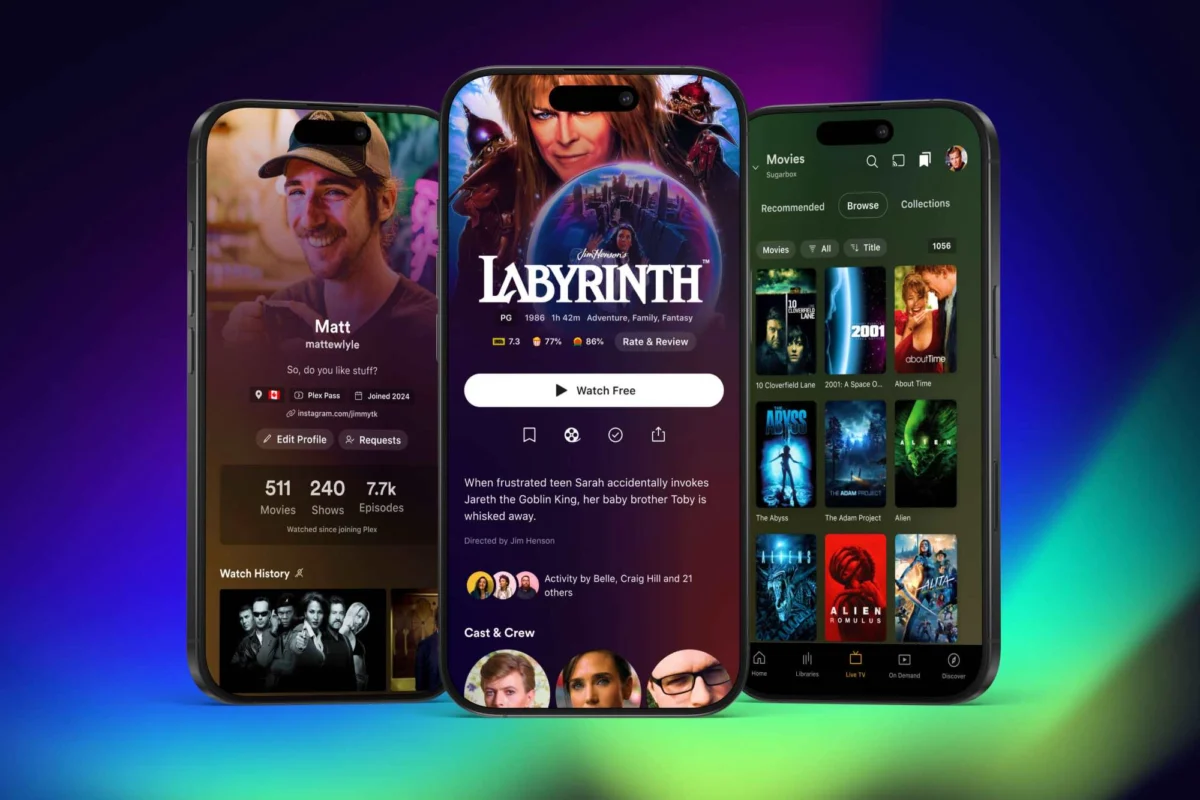
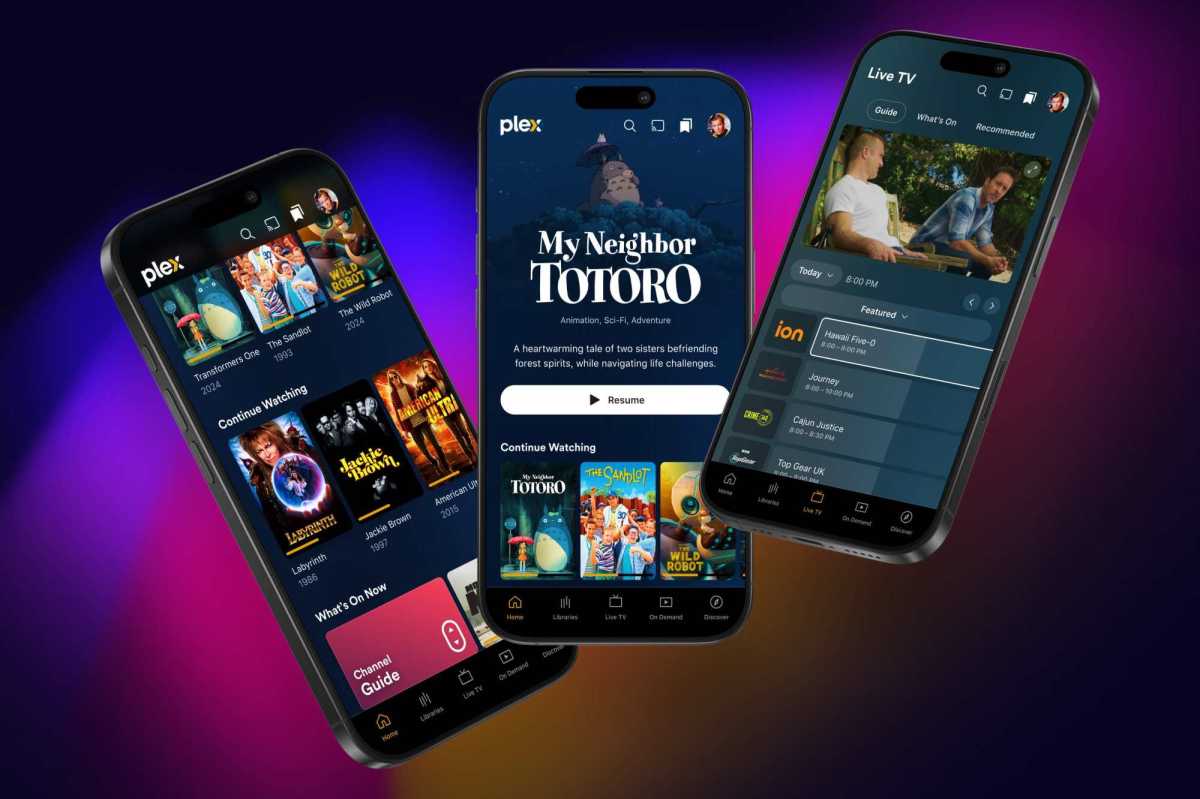
The most immediate change in the upcoming Plex mobile app is the excision of the "hamburger" menu. Previously, the three-line icon in the top corner served as a catch-all repository for everything from watchlist management and social discovery to the user’s own personal media libraries. For many, this meant multiple taps were required just to access the content they were hosting on their own servers.
In the redesigned version, Plex has migrated personal library access to the bottom navigation bar. By creating a dedicated "Libraries" tab, the company is signaling that the primary utility of the application—accessing personal content—should not be an afterthought. This new bottom navigation layout also includes dedicated, logically organized tabs for "Live TV," "On Demand" content, and "Discover," effectively separating the user’s private collection from the broader streaming services Plex offers.
This change is not merely aesthetic; it is a structural improvement that removes the friction between the user and their media. Furthermore, the removal of tabs like "Trending," "Activity," and "Find Friends" from the bottom bar significantly declutters the interface. While these social features have been central to Plex’s recent expansion, their relegation to less intrusive areas of the app will come as a relief to users who primarily use the platform as a personal media hub rather than a social network.
A Chronology of the Plex Evolution
To understand the weight of this redesign, one must look at the trajectory of Plex’s development over the last few years.
- 2008–2015: The Media Center Era: Plex emerged as a powerhouse for home media, gaining a cult following for its ability to organize and stream personal files.
- 2016–2019: The Aggregator Pivot: Recognizing the shifting market, Plex began integrating third-party streaming services, live TV, and podcasts, attempting to become a "one-stop shop" for all video consumption.
- 2020–2023: The Social and Discover Push: Plex leaned heavily into "Discover Together" features, social profiles, and algorithmic content suggestions, which drew criticism from power users who felt the app’s performance and focus were suffering.
- September 2024: The Strategic Reset: Plex officially announced a new, long-term strategy centered on "focused, streamlined" design, promising to prioritize user feedback and architectural stability.
- November 2024: Public Preview: The rollout of the revamped mobile app begins, signaling the first tangible step in this strategic reset.
- Early 2025 (Projected): The official, stable release of the redesigned application is expected to reach the general public.
Supporting Data: Why the Overhaul Was Necessary
The decision to overhaul the mobile app was not made in a vacuum. Industry analysts have noted that as digital media fragmentation increases, users are becoming increasingly protective of their own curated libraries. Data suggests that while "Discover" features are useful for casual viewers, the core Plex user base—often referred to as "Plex Pass" subscribers—prioritizes reliability and ease of access to their self-hosted assets.

Recent feedback from the Plex forums highlights a consistent trend: users were frequently reporting "menu fatigue." By removing the hamburger menu, Plex is effectively reducing the average number of taps required to reach a specific movie or television series from three or four down to one.
Furthermore, the integration of expanded artwork and title cards is a direct response to user requests for a more premium, "Netflix-like" browsing experience. By moving away from plain text in favor of high-fidelity visual assets, Plex is improving the perceived value of the library, making the act of browsing one’s own collection more rewarding.
Official Responses and Strategic Vision
In its communications regarding the redesign, Plex has been transparent about its intent to "close the gaps" in the user experience. The company’s leadership has acknowledged that the shift toward a unified codebase is a massive undertaking, designed to ensure that when a new feature is developed, it can be deployed across iOS, Android, and other platforms simultaneously without the disparate performance issues that have plagued the app in the past.
A spokesperson for the company noted that while the current public preview is missing certain functionality—specifically playlist management and media-casting support—these are "top-priority items" currently in development. The company is actively soliciting feedback via its community forums, a move that is being viewed as a positive olive branch to the vocal community that has felt ignored during the company’s aggressive expansion phase.
Regarding the spinoff of secondary services, Plex has confirmed its commitment to modularity. By moving music playback to the dedicated Plexamp app and photo management to the Plex Photos beta, the main Plex application can focus purely on video-centric performance. This "do one thing well" philosophy is a marked departure from the previous "everything in one place" approach.
Long-Term Implications for the Ecosystem
The implications of this redesign extend far beyond a few moved buttons.
1. Retention of Power Users
By prioritizing the "Libraries" tab, Plex is actively working to prevent churn among its most loyal, paying subscribers. These users are the backbone of the community, and by respecting their desire for a clean, personal-media-first interface, Plex is strengthening its competitive advantage against other media server solutions like Jellyfin or Emby.
2. Architectural Longevity
The transition to a unified codebase is perhaps the most important technical development for the company. Historically, managing separate versions for different operating systems has created a "technical debt" that resulted in sluggish performance and slow bug fixes. A unified approach will likely lead to a faster, more stable, and more secure application in the long run.
3. The Future of Social Media in Plex
While the company is clearly de-emphasizing social features in the main navigation, they are not abandoning them entirely. The challenge for Plex moving forward will be to balance the needs of social users with those of "purist" server owners. The "Discover" tab will remain the testing ground for this balance. If the new UI can successfully keep social features discoverable but optional, Plex may finally solve the usability conundrum that has defined the last few years of its development.
4. A Template for 2025
The move to launch this in preview mode well before the 2025 target date demonstrates a more disciplined development lifecycle. By utilizing a public beta, Plex is ensuring that the final release will be battle-tested by the most demanding members of its user base.
Conclusion
The revamped Plex mobile app is a rare instance of a company listening to its user base and executing a significant strategic pivot. By ditching the cluttered, social-heavy interface of the past and returning to the "media-first" philosophy that made the platform a household name for cinephiles, Plex is positioning itself for a sustainable future.
While the preview currently lacks some features, the direction is clear: the company is moving toward a more focused, performant, and user-centric experience. For those who have spent years painstakingly organizing their digital movie collections, the promise of a cleaner, faster, and more visually appealing way to access that content is a welcome change—and a reminder that even in the age of streaming, personal ownership still has a place at the table.