For many independent podcasters, the journey begins in a quiet corner of the house—a spare bedroom, a basement, or a home office. As the operation grows from a hobby into a professional enterprise, the equipment list expands: high-end microphones, audio interfaces, sound treatment, and powerful workstations. However, a common misconception lingers among creators that their standard homeowner’s or renter’s insurance policy provides a safety net for these assets.
In reality, most residential insurance policies explicitly exclude coverage for business-related equipment. If your studio is used to generate income—through advertising, sponsorships, or paid subscriptions—you may be operating without a policy that would actually pay out in the event of a fire, theft, or catastrophic equipment failure.

Main Facts: The "Business Use" Exclusion
The crux of the problem lies in the fine print of standard insurance contracts. Insurers categorize property based on its primary function. Residential policies are designed to cover personal property, such as clothing, furniture, and household appliances. Once an item is utilized for commercial purposes, its risk profile changes.
Insurance companies view "business equipment" as a higher-risk category. If your equipment is used to generate revenue, it is classified as business property. Under most homeowner’s policies, there is a strict exclusion for property used in the conduct of business, or at the very least, a drastically capped limit of liability that would be insufficient to replace a professional-grade studio.
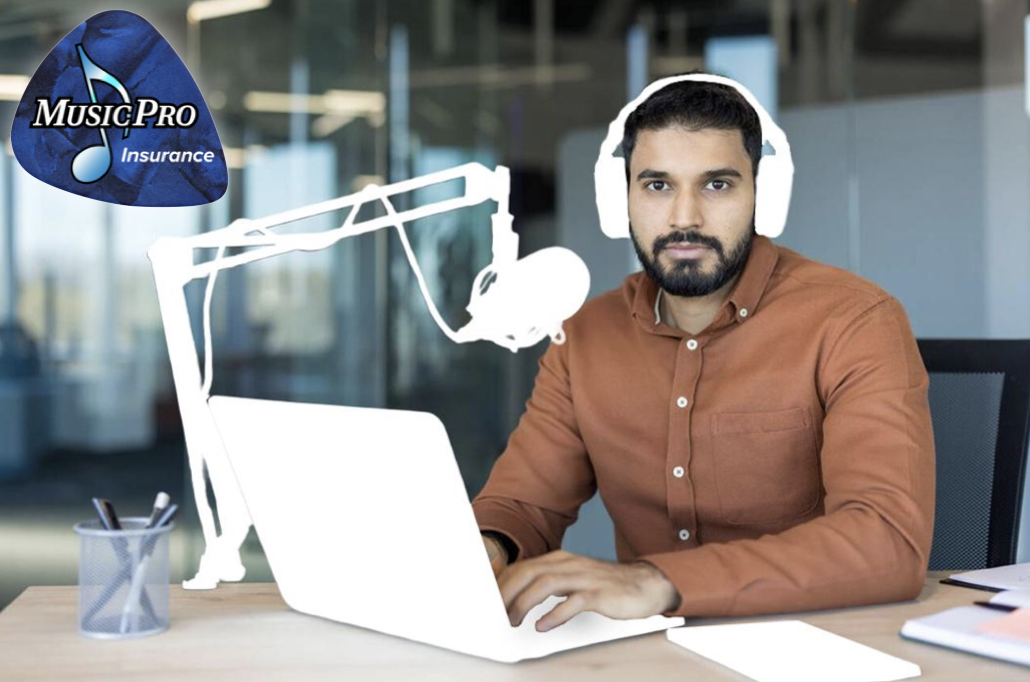
For the modern podcaster, this means that a lightning strike destroying your $5,000 interface or a burglary clearing out your recording setup could result in a total financial loss. Because the equipment is used for business, your insurance carrier may deny your claim entirely, leaving you to shoulder the burden of replacement out-of-pocket.
Chronology of a Risk
The transition from hobbyist to professional podcaster is often gradual, which is why the insurance gap remains hidden for so long.

- Phase 1: The Hobbyist Stage. A creator starts with a USB microphone and a laptop. These items are covered under general personal property clauses because they are primarily used for personal tasks.
- Phase 2: The Monetization Pivot. The podcast gains traction. The creator signs up for an ad network or begins receiving direct sponsorships. At this exact moment, the equipment used to record the show legally transitions into "business property."
- Phase 3: The Coverage Gap. The creator fails to inform their insurer or purchase a dedicated policy. The homeowner’s policy remains in place, but it is now effectively providing zero coverage for the studio assets.
- Phase 4: The Incident. A burst pipe in the basement destroys the recording gear. The creator files a claim, only to have it denied because the equipment was being used to produce commercial content.
Supporting Data: Protecting the Tools of the Trade
Industry experts at organizations like MusicPro Insurance emphasize that protecting assets is as vital as growing an audience. With over 20 years of experience in the sector, MusicPro—which is owned by industry leaders ASCAP and Sterling Risk—has seen the devastating impact of uninsured equipment loss.
Specialized insurance is not just a luxury; it is a fundamental pillar of business continuity. Unlike a general homeowner’s policy, professional-grade coverage is designed specifically for AV and music gear. It accounts for the portable nature of the equipment, the specialized value of high-end microphones, and the reality of modern remote production. By opting for a policy that specifically addresses "business equipment," creators ensure that their livelihood is not tied to the volatility of residential insurance terms.

Official Responses and Industry Guidance
Experts in the field strongly advise creators to review their policies immediately. Laura Donelan of MusicPro Insurance underscores the necessity of "white glove service," noting that the nuance of professional audio equipment often escapes the automated underwriting processes of mass-market insurance providers.
"When your career is built on the sound you capture, you cannot afford to leave your tools vulnerable," says the industry consensus. Professional insurance providers offer tailored solutions that include:

- Replacement Cost Coverage: Ensuring that you receive the current market value for new equipment, rather than a depreciated value.
- Worldwide Coverage: Protecting your gear whether you are recording at home, in a studio, or on the road for an interview.
- Liability Protection: Covering incidents that might occur during production, such as a guest tripping over a cable in your home studio.
Implications for the Podcasting Ecosystem
The implications of this coverage gap extend beyond individual financial loss. As the podcasting industry matures, the professionalization of the creator is not just about content quality; it is about infrastructure.
Financial Stability
A major loss of equipment can permanently sideline a smaller podcast. When a show has a consistent upload schedule, missing a month of production due to equipment replacement can lead to a significant drop in listener retention and ad revenue. Proper insurance acts as a form of "business continuity insurance," ensuring that the show can go on even after a disaster.

Professionalism and Credibility
Investors and sponsors often conduct due diligence on the creators they partner with. A professional business entity should have its assets protected. Demonstrating that you have insured your production assets reflects a higher level of operational maturity, which can be an asset when negotiating long-term sponsorship deals.
The Role of Education
There is a massive knowledge gap regarding the intersection of intellectual property, business law, and insurance for podcasters. The industry needs to pivot toward treating podcasters as small business owners. Education on risk management, including insurance, is a critical step in the professionalization of the medium.

Navigating Your Options
If you are currently relying on your homeowner’s policy, the path forward is straightforward but requires action.
- Inventory Your Assets: Create a comprehensive list of all recording gear, including software, hardware, and accessories.
- Contact Your Current Insurer: Ask explicitly if your business equipment is covered. Be prepared for them to tell you that it is not.
- Consult a Specialist: Reach out to providers like MusicPro Insurance (contactable at 1-800-MusicPro or [email protected]). These specialists understand the unique needs of creators and can provide a quote that actually fits your workflow.
- Review Annually: As your studio grows, so too should your coverage. Every time you add a new piece of high-value equipment, update your policy to ensure you aren’t under-insured.
Conclusion: Don’t Wait for the Worst
The reality of "No Gear, No Gig" is a sobering reminder of the fragility of independent media. We often spend thousands of dollars on the best audio chains, preamps, and interfaces, yet we neglect to spend a fraction of that cost to protect those same investments.

Things happen. Equipment breaks, environments become hazardous, and accidents occur in even the most carefully managed home studios. By separating your personal assets from your business tools and securing specialized coverage, you are not just buying a policy—you are buying peace of mind. Your focus should be on storytelling, interviewing, and building community, not worrying about whether a technical failure will bankrupt your production.
Take the time this week to audit your studio’s insurance status. In a competitive landscape, the creators who survive are the ones who plan for the worst while executing the best.
For those interested in learning more about how to secure their production environment, you can click here to see further resources on insurance best practices for podcasters.