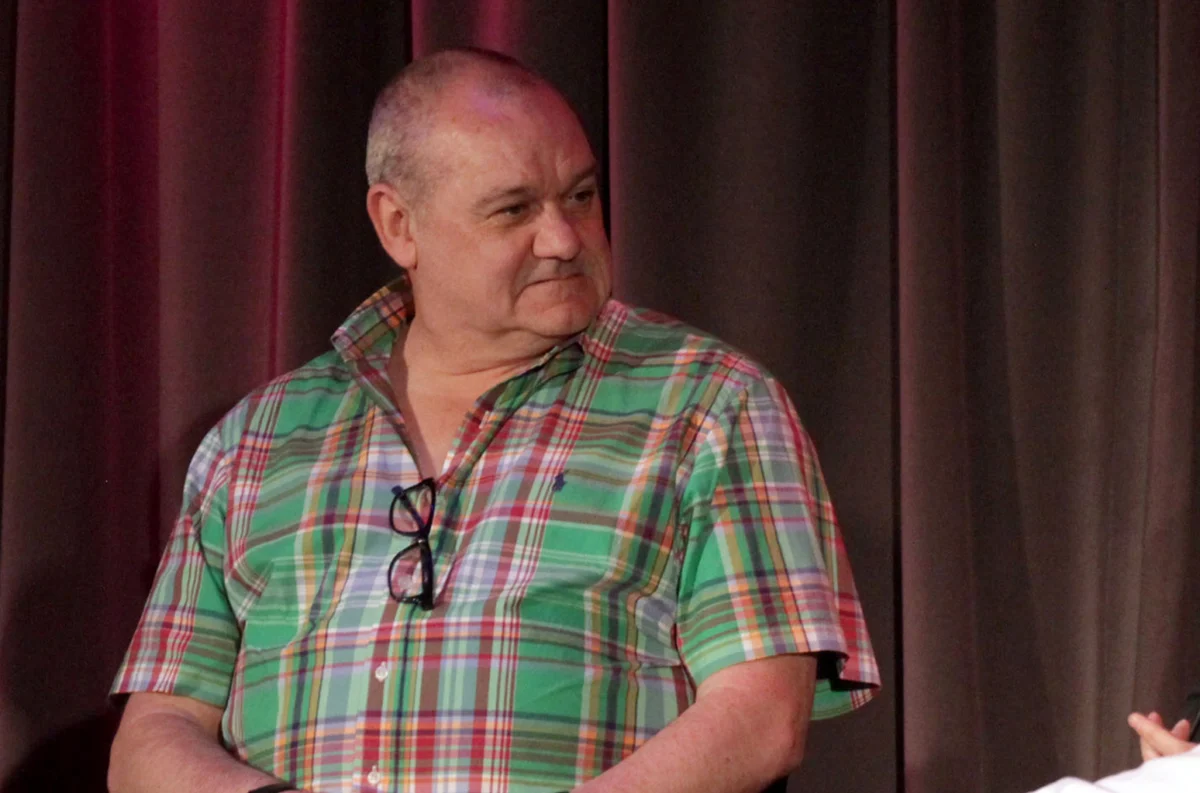
In an intensifying legal standoff, global live entertainment powerhouse Live Nation has moved to dismiss the $35 million retaliation lawsuit filed against it by Nicholas Rumanes, its former executive vice president of development for U.S. concerts. In a robust court filing submitted on June 10, the company characterized the litigation as a meritless attempt by a disgruntled former employee to capture public attention through "exaggerated" and "misinterpreted" financial data.
The dispute, which marks a significant flashpoint for the entertainment conglomerate, centers on allegations of internal corporate misconduct—claims that Live Nation vehemently denies. As the company navigates ongoing scrutiny from regulators, this latest motion to compel arbitration serves as a critical strategic maneuver, aiming to shift the venue of the battle from the public courtroom to a private, confidential tribunal.
The Genesis of the Dispute: Allegations of Misconduct
The conflict originated in April when Nicholas Rumanes filed a sweeping complaint against his former employer. Rumanes, who held a senior role overseeing arena development for Live Nation’s U.S. concert division, alleged that he was terminated in an act of retaliation after he voiced concerns regarding what he termed "serious corporate misconduct."
According to the initial complaint, Rumanes claimed that he identified systemic issues within the venue building division, specifically citing the inflation of revenue projections. He alleged that these figures were presented in a manner that did not align with reality, suggesting a level of financial manipulation that he felt compelled to report to his superiors. His lawsuit asserts that rather than investigating his concerns, the company opted to sever ties with him, citing his whistleblowing activities as the catalyst for his dismissal.
Live Nation’s Counter-Narrative: A "Fundamental Misunderstanding"
Live Nation’s legal team, representing the company through the firm Paul Hastings, has moved aggressively to dismantle the foundation of Rumanes’ allegations. In their recent court filing, they argued that the executive’s interpretation of internal documentation demonstrates a profound lack of understanding regarding how a public company manages financial modeling.
The defense argues that the documents Rumanes flagged as evidence of fraud were, in fact, standard, forward-looking estimates—working models used by corporations to project potential growth and plan future business operations.
"A ‘seasoned executive’ should know that these documents, by their nature, are forward-looking estimates, not a statement of present fact," the motion states. "Plaintiff’s treatment of projected figures in an internal working model as ‘inflated’ or ‘exaggerated’ reflects a basic misunderstanding of what these documents are and how a public company uses them. Plaintiff did not uncover fraud."

The company further addressed the $35 million in damages sought by Rumanes, dismissing the sum as an "attention-getting figure" rather than a legitimate reflection of economic loss. Live Nation insists that the termination of Rumanes was not an act of retaliation, but a standard administrative procedure; his three-year contract had simply reached its expiration, and the company made the business decision not to renew it.
The Push for Arbitration: Shifting the Venue
A central element of Live Nation’s recent filing is a motion to compel arbitration. The company contends that when Rumanes signed his employment agreement in 2022, he explicitly consented to resolve any disputes arising from his employment through binding arbitration rather than civil litigation.
By filing his suit in a public court, Live Nation argues, Rumanes has violated his contractual obligations. The legal memorandum filed on June 10 is biting in its assessment of his motives: "He cannot escape that promise by recasting his claims for a public docket. The complaint accuses Live Nation of betrayal, but the only promise broken here is plaintiff’s own."
The company maintains that the courtroom is not the appropriate forum for this grievance. "We filed this motion to have this dispute resolved through the arbitration process Mr. Rumanes agreed to when he joined the company," a spokesperson for the firm stated. They further emphasized that the core of the dispute—an interpretation of internal financial data—is a private matter that falls under the purview of the signed arbitration clause.
Chronology of the Conflict
- 2022: Nicholas Rumanes joins Live Nation as Executive Vice President of Development for U.S. Concerts, signing an employment contract that includes a mandatory arbitration clause.
- 2023: Rumanes reportedly flags concerns regarding revenue projections and internal financial reporting within the venue building division.
- 2024: Rumanes’ three-year contract reaches its expiration. Live Nation chooses not to renew the agreement, and his tenure with the company ends.
- April 2026: Nicholas Rumanes files a $35 million lawsuit against Live Nation in Los Angeles, alleging wrongful termination and retaliation.
- June 10, 2026: Live Nation files a motion to compel arbitration, asserting that the claims are baseless and that the plaintiff is bound by his initial contract to settle the matter privately.
- November 2026 (Scheduled): A Los Angeles judge is set to hear arguments regarding the motion to compel arbitration.
The Wider Implications for Live Nation
This litigation comes at a precarious time for Live Nation, which has been under intense public and regulatory pressure. Beyond the internal dispute with Rumanes, the company—the parent organization of Ticketmaster—has faced significant scrutiny regarding its business practices. Reports have surfaced suggesting that the company reached a tentative settlement with the Department of Justice, involving approximately $200 million in damages.
For the company, the Rumanes lawsuit is a distraction that carries significant reputational risk. By painting the former executive as an individual who simply "wanted an audience," Live Nation is attempting to decouple the lawsuit from the broader narrative of corporate malfeasance that has shadowed the company in recent years.
The outcome of the November hearing will be pivotal. If the judge grants the motion to compel arbitration, the public will likely lose access to further details regarding the internal documents and the specifics of the "misconduct" Rumanes claims to have discovered. Conversely, if the case is allowed to proceed to a jury trial, it could open the doors for a highly public examination of the company’s internal financial processes.

Professional Perspectives on Corporate Whistleblowing
The case highlights the complex tension between executive duties and corporate loyalty. In the realm of public corporations, the line between "routine projections" and "inflated revenue" can often be blurry, leading to frequent disputes when an executive’s interpretation of data conflicts with the company’s broader strategic objectives.
Legal experts note that arbitration clauses, while standard in high-level executive contracts, are frequently challenged when whistleblowing is involved. Plaintiffs often argue that the nature of their discovery—specifically allegations of fraud—should supersede the private nature of arbitration, arguing that the public has a right to know about potential corporate malfeasance.
Live Nation’s stance remains firm: the documents in question were not evidence of fraud, but rather tools of the trade. By characterizing the lawsuit as a breach of contract, they are attempting to neutralize the whistleblowing narrative entirely.
Conclusion: A High-Stakes Waiting Game
As the November hearing approaches, the legal industry and the music business are watching closely. For Nicholas Rumanes, the path forward requires proving that his termination was a direct consequence of his dissent rather than a routine expiration of a contract. For Live Nation, the goal is to maintain the confidentiality of their internal financial operations and to avoid the volatility of a jury trial.
The company’s statement on June 26 served as a final, public declaration of their position: "His claims are false. He did not uncover fraud. His allegations are based on a misreading of routine financial projections that companies use to plan their business, not evidence of fraud or wrongdoing."
Until the court rules on the motion to compel arbitration, the $35 million question remains: was this a case of a brave executive standing up to corporate corruption, or an individual misreading the complexities of high-level finance and seeking a high-profile payout? For now, the theater of the courtroom remains the only place where these opposing versions of the truth will be tested.