For weather enthusiasts and smart-home aficionados, the quest for the "perfect" home monitoring station is an ongoing pursuit. Ambient Weather, a brand synonymous with reliable home meteorological hardware, has introduced the WS-4000 to its extensive lineup. Positioned as a sleek, all-in-one sensor suite, the device promises to bring professional-grade data into the residential backyard.
However, as our testing reveals, the WS-4000 exists in a complex ecosystem of shared designs, licensing, and persistent hardware challenges. While the unit boasts impressive connectivity and a fantastic software experience, it faces significant scrutiny regarding the accuracy of its haptic rain-sensing technology.
Main Facts: The Anatomy of the WS-4000
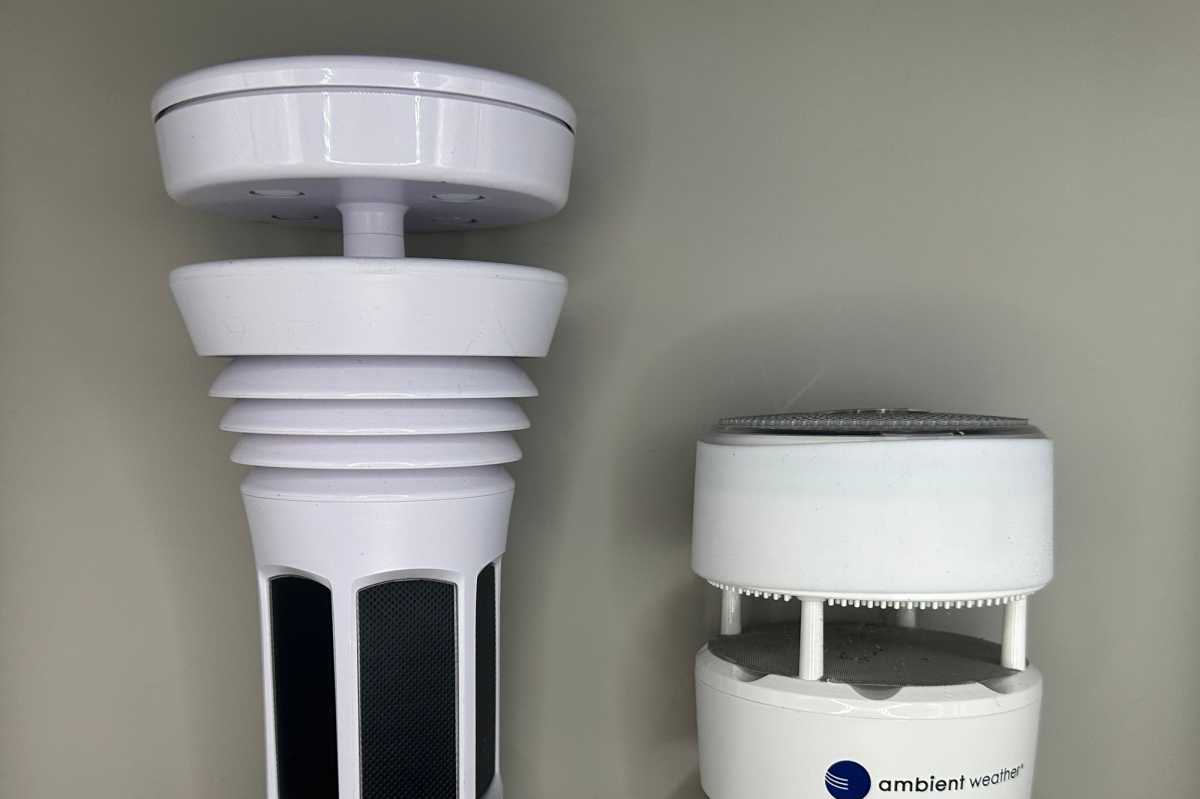
The Ambient Weather WS-4000 is an all-in-one, no-moving-parts sensor array. Designed for low maintenance and a small physical footprint, it houses a variety of sensors, including:
- Sonic Anemometer: A high-sensitivity sensor that measures wind speed and direction without the mechanical failure points common in traditional cup-and-vane designs.
- Temperature and Humidity Sensors: Located at the base of the unit to ensure accurate ambient readings.
- Haptic Rain Sensor: An electronic plate designed to measure rainfall by detecting the vibration of impacts.
- Light and UV Sensors: Integrated into the top of the unit for solar intensity monitoring.
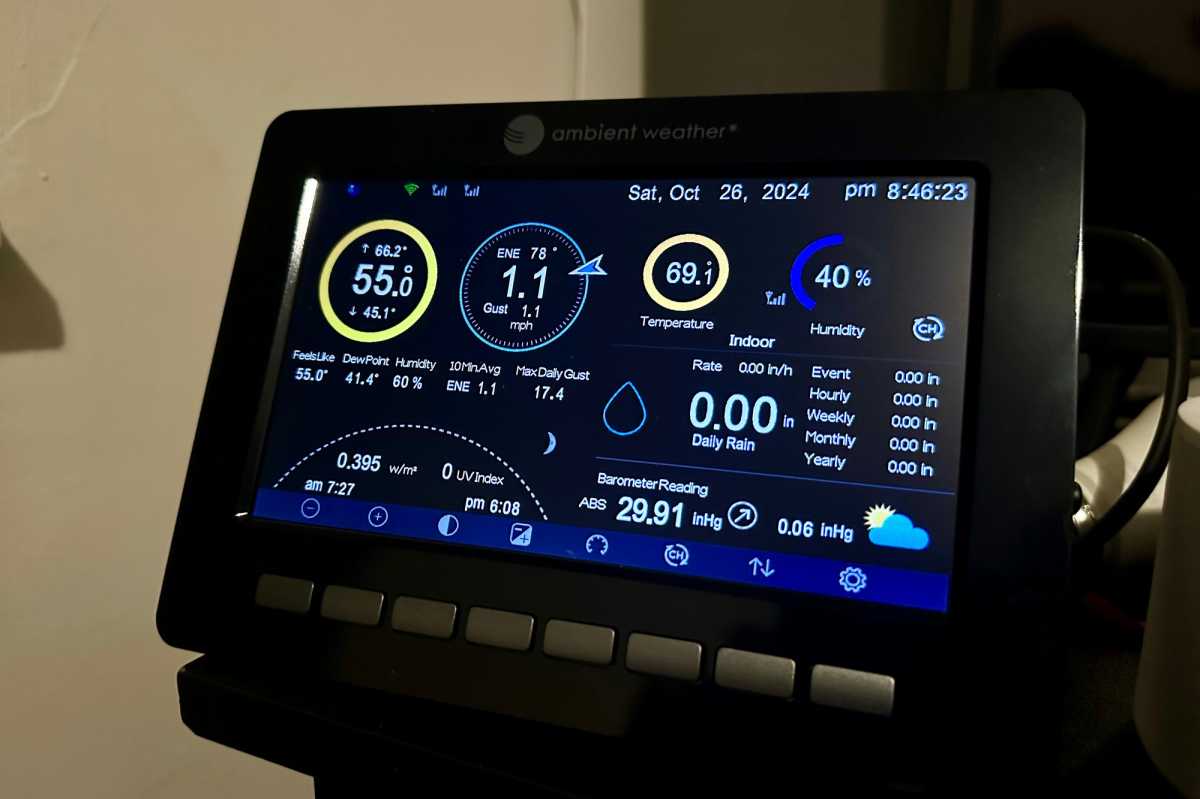
The system is bundled with a dedicated in-home console and a WH32B indoor sensor, allowing for comprehensive monitoring of both your outdoor environment and your indoor climate—a distinct advantage over some competitors that lack integrated indoor tracking.

Chronology: The Evolution of Haptic Sensing
To understand the WS-4000, one must look at the trajectory of home weather technology over the last four years. The industry shift toward haptic rain sensors was largely popularized by the WeatherFlow Tempest. That device introduced a revolutionary way to track precipitation without the clunky tipping-bucket mechanisms that require frequent cleaning and maintenance.
However, the industry landscape is now dominated by Fine Offset Electronics, a manufacturer that provides hardware for various brands, including Ecowitt. The WS-4000 is, in essence, a sibling to the Ecowitt Wittboy Pro. The lineage of this design, and its licensing through parent company Neilsen-Kellerman, demonstrates the consolidation of hardware designs across the smart-weather market.
As the technology proliferated, it became clear that the "haptic dream" of a maintenance-free rain gauge had a significant Achilles’ heel: precision. While the industry moved to adopt this sleek form factor, it failed to resolve the fundamental physics problem that raindrop size and wind speed can interfere with the vibrational output of the sensor.
Supporting Data: Performance and Precision
During our testing, the WS-4000 delivered a mixed performance.
The Hits
The temperature, humidity, and wind-speed readings were exceptional. The sonic anemometer is particularly noteworthy; it is highly responsive and capable of tracking gusts up to 85 mph, a feat that would send mechanical anemometers to their breaking point. The physical design is also a major win; the unit is unobtrusive, blending into a residential garden far better than the industrial-looking KestrelMet 6000.
The Misses
The primary point of contention remains the haptic rain sensor. Our testing, which occurred during a variety of weather conditions, confirmed what many in the meteorological community have long suspected: haptic sensors struggle significantly with light rain, drizzle, and heavy downpours.
If the sensor is not perfectly level, accuracy drops off precipitously. Even when leveled, the data often deviates from traditional gauges. This is not a secret within the industry; even the manufacturer’s own product documentation for the underlying Wittboy technology suggests that for "demanding" users, a secondary, traditional WH40 rain gauge accessory is recommended. At an additional $50, this effectively increases the cost of the system to achieve basic, professional-level accuracy.
Official Perspectives and Market Positioning
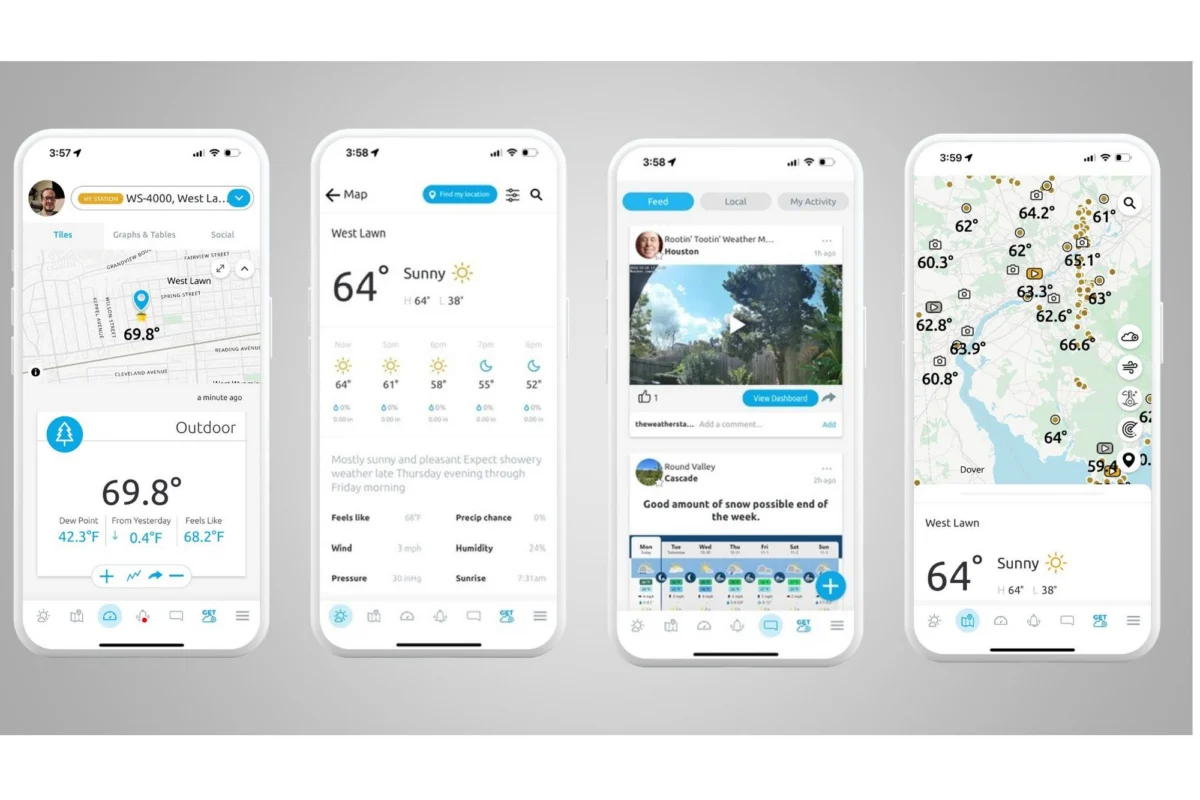
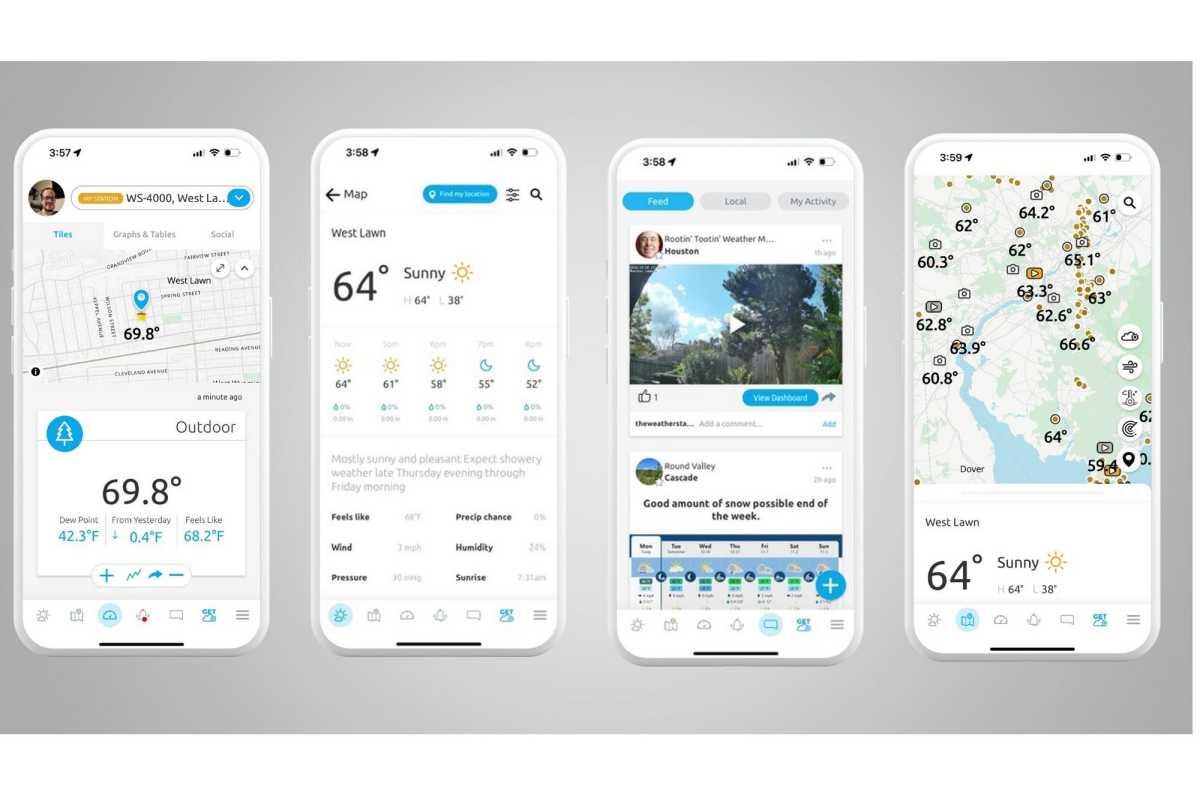
Ambient Weather has built its reputation on the Ambient Weather Network (AWN). This is the platform’s strongest asset. The software is polished, intuitive, and offers a level of connectivity that few competitors can match. Whether you are automating your home via IFTTT or checking current conditions on a smartphone, the ecosystem provides a seamless experience.
Regarding the hardware, the brand maintains its standard warranty and support structure. However, the price point of $369.99 for the WS-4000 invites comparison to the Ecowitt Wittboy Pro. Given that the WS-4000 is functionally identical to the Wittboy Pro—which often retails for significantly less—potential buyers are faced with a choice between the brand equity and software support of Ambient Weather versus the cost-savings of the Ecowitt hardware.
Ambient Weather’s decision to sunset Google Home support—due to API changes—is a reminder that even connected systems are at the mercy of larger tech platform shifts. While the AWN app remains a standout, users should be aware that the "smart" nature of these devices relies heavily on the continued investment of the parent company.
Implications: The Future of Your Backyard Observatory
For the prospective buyer, the implications of purchasing the WS-4000 are twofold:
1. The "Platform Lock-in" Effect
For existing Ambient Weather users, the WS-4000 is a natural upgrade. Because it uses the existing Ambient Weather Network and console architecture, upgrading to this unit does not require a complete overhaul of one’s data logging habits or third-party integrations. This is the most logical use case for this device.
2. The First-Time Buyer’s Dilemma
If you are entering the world of amateur meteorology for the first time, the WS-4000 is a "middle-ground" product. It is better than budget weather stations, but it carries a price premium that mandates high accuracy—which the rain sensor fails to consistently provide.
The installation process also carries a hidden hurdle: the requirement for a 1-inch mounting mast. Most legacy weather station installations utilize a 1.25-inch standard. The need to source a specific diameter mast—or a DIY solution like a wooden dowel—is an inconvenience that Ambient Weather should clearly communicate to customers during the purchasing process.
Final Verdict: A Great Console, A Compromised Gauge
The Ambient Weather WS-4000 is a tale of two halves. On one side, it offers a high-tech, low-maintenance anemometer and a world-class software experience that empowers the connected home. On the other, it relies on a haptic rain-sensing technology that remains "unproven" for those who prioritize precise data.
If you are a casual hobbyist who values the aesthetics and the app experience, the WS-4000 is a solid, albeit expensive, choice. However, if your hobby is rooted in the precise measurement of precipitation, you should prepare to budget for an additional, traditional rain gauge. The WS-4000 is a glimpse into the future of weather stations—compact, silent, and smart—but it serves as a stark reminder that in the world of meteorology, sometimes there is no substitute for a simple, mechanical bucket.