The global resurgence of vinyl records has been one of the most remarkable stories in the music industry over the past decade. As sales figures climb, so too has the environmental scrutiny directed toward the manufacturing process of the format. In a landmark development, Warner Music Group (WMG) has announced a significant breakthrough that could fundamentally alter the sustainability profile of the record industry. Following a successful pilot program, the label group has confirmed that recycled polyvinyl chloride (PVC) can be utilized to produce high-fidelity vinyl records that are indistinguishable from those pressed using virgin materials.
The Genesis of the Sustainability Pilot
In May, Warner Music Group concluded a discreet but high-stakes research initiative conducted in partnership with GZ Media, the world’s largest vinyl manufacturing entity. The objective was binary: to determine if recycled materials could meet the rigorous sonic standards demanded by audiophiles and to calculate the tangible environmental benefits of such a shift.
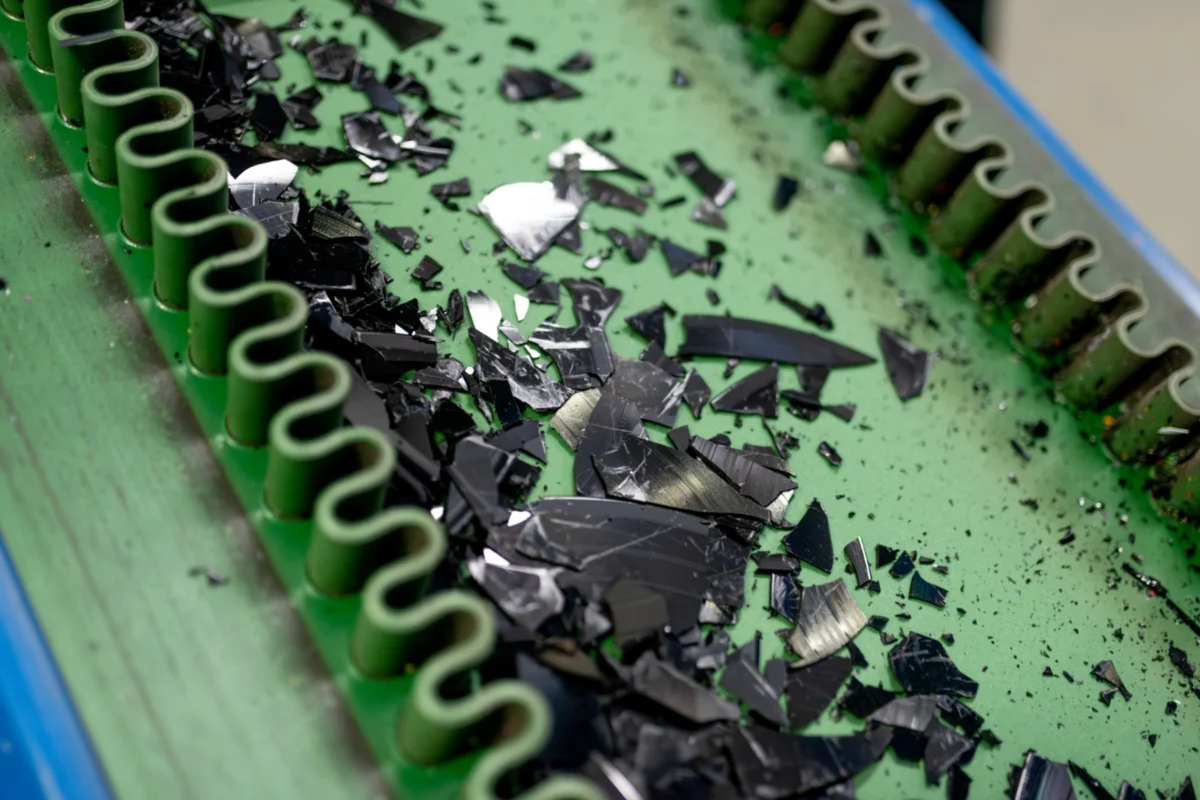
The process involved the collection of 10,000 unsold records from various warehouses, artist inventories, and pressing plants across Europe. These records were subjected to a rigorous shredding and re-pelletizing process before being repurposed into new pressings. The researchers experimented with a diverse range of material blends, ranging from 10% to 100% recycled content.
The ultimate test for these experimental pressings was held at the world-renowned Abbey Road Studios in London. A panel of industry experts, including veteran mastering engineers, conducted blind listening sessions. The results were categorical: every single test pressing met the professional standard. Miles Showell, a mastering engineer at Abbey Road, noted, "What impressed me was how consistent the pressings were across the different material blends, showing that sustainability and sound quality do not have to be at odds."
Chronology: From Lab to Market
The road to this discovery has been marked by careful experimentation and strategic collaboration.
- Early 2026: WMG and GZ Media formalize the partnership to address the "unsold inventory" challenge, a perennial issue in the music industry where excess pressings often become waste.
- April 2026: Initial sourcing of 10,000 units begins, focusing on disparate pressings from European distribution networks to ensure a representative sample of chemical compositions.
- May 2026: The recycling and re-pelletizing phase is completed. The material is fed into standard pressing lines at GZ Media, mirroring traditional production workflows to ensure the process is scalable.
- Late May 2026: The Abbey Road blind testing sessions confirm that the integrity of the audio remains uncompromised by the recycled PVC.
- June 26, 2026: WMG officially announces the "Vinyl Take-Back" program, signaling a shift from internal testing to consumer-facing sustainability initiatives.
- July–September 2026: The pilot phase of the national take-back program commences, involving 11 independent record stores across the United States.
Supporting Data: Calculating the Carbon Footprint
Beyond the aesthetic and sonic qualities, WMG focused heavily on the Product Carbon Footprint (PCF). The production of vinyl has long been criticized for its reliance on virgin PVC, a plastic derived from fossil fuels. The recycling process inherently adds logistical complexity—including the transportation of discarded records to central facilities, sorting, shredding, and cleaning.

Despite these additional stages, the data collected during the study was encouraging. WMG reported a 10% reduction in carbon emissions when utilizing recycled PVC compared to the use of virgin raw materials. While a 10% reduction may seem modest, it represents a significant step forward in an industry that has historically struggled to quantify or mitigate its environmental impact. The research suggests that as recycling infrastructure matures and the logistics of "circular" manufacturing are optimized, this percentage will likely increase.
Official Responses and Corporate Strategy
The initiative is being framed by WMG leadership as a foundational step rather than a final solution. Madeleine Smith, WMG’s senior director of environmental, social and governance (ESG), emphasized the collaborative nature of this effort.
"Independent record stores have long served as gathering places for music fans and stewards of music culture," Smith stated. "This program is a vital first step in understanding what is possible when we leverage the infrastructure of our partners and the participation of our fans to close the loop on waste."
The choice of partners is deliberate. By engaging with Virterras Materials—a firm specializing in the recycling of "complex waste"—WMG is addressing the difficulty of recycling vinyl, which is often contaminated by paper labels and PVC additives. This partnership demonstrates a move toward a "circular economy" model, where the industry takes responsibility for its physical legacy.
The Implications: A New Era for Vinyl Collectors
The launch of the consumer-facing take-back program is perhaps the most significant implication of these findings. By placing collection bins in 11 prominent independent record stores—including Amoeba Hollywood, Rough Trade NYC, and Reckless Records in Chicago—WMG is attempting to shift the cultural narrative surrounding record ownership.
Challenges and Future Hurdles
While the technology is sound, the industry faces several hurdles:

- Logistics of Scale: Collecting tens of thousands of records is manageable in a pilot program; collecting millions is a logistical challenge that requires a robust national infrastructure.
- Consumer Behavior: Will fans be willing to part with their damaged or unwanted records? The success of the program depends on the willingness of the collector community to view their old records as raw materials rather than clutter.
- Economic Viability: The cost of processing recycled vinyl remains higher than using virgin PVC. For this to become the industry standard, economies of scale must be achieved through widespread adoption by other major labels.
The Role of Independent Retailers
The decision to utilize indie record stores as collection points is a savvy move. These stores act as the lifeblood of the vinyl community. By involving these retailers, WMG is not only creating convenient drop-off points but is also fostering a sense of community around the sustainability initiative. Collectors are more likely to participate in a program that feels integrated into their local scene rather than one managed by an anonymous corporate entity.
Conclusion: Toward a Circular Future
Warner Music Group’s pivot toward recycled vinyl is a bellwether for the broader music industry. For years, the vinyl boom has been praised for its romantic appeal but criticized for its environmental footprint. This pilot program proves that technology has finally caught up with the industry’s desire for sustainability.
As the pilot program runs through September, the data gathered will serve as a blueprint for the future. If the project succeeds in scaling, it could mark the end of the "disposable" record era. Instead of unsold inventory ending up in landfills or incinerators, the industry is creating a closed-loop system where music remains a physical, yet renewable, medium.
For the music fan, the message is clear: the records of tomorrow will sound exactly like the records of yesterday, but they will carry a significantly lighter weight on the planet. As the industry looks toward 2027 and beyond, the success of this initiative will be measured not just by the number of records collected, but by how successfully the label can transform the very nature of physical music consumption.
Participating Stores for the Take-Back Program:
- Amoeba Hollywood (Los Angeles, CA)
- Antone’s Record Shop (Austin, TX)
- Country Line Records (Keller, TX)
- Criminal Records (Atlanta, GA)
- Easy Street Records (Seattle, WA)
- Home Rule Records (Washington D.C.)
- Red Zeppelin Records (McKinney, TX)
- Rough Trade NYC (New York City, NY)
- Spin Me Round (Easton, PA)
- Reckless Records (Chicago, IL)
- Sweat Records (Miami, FL)