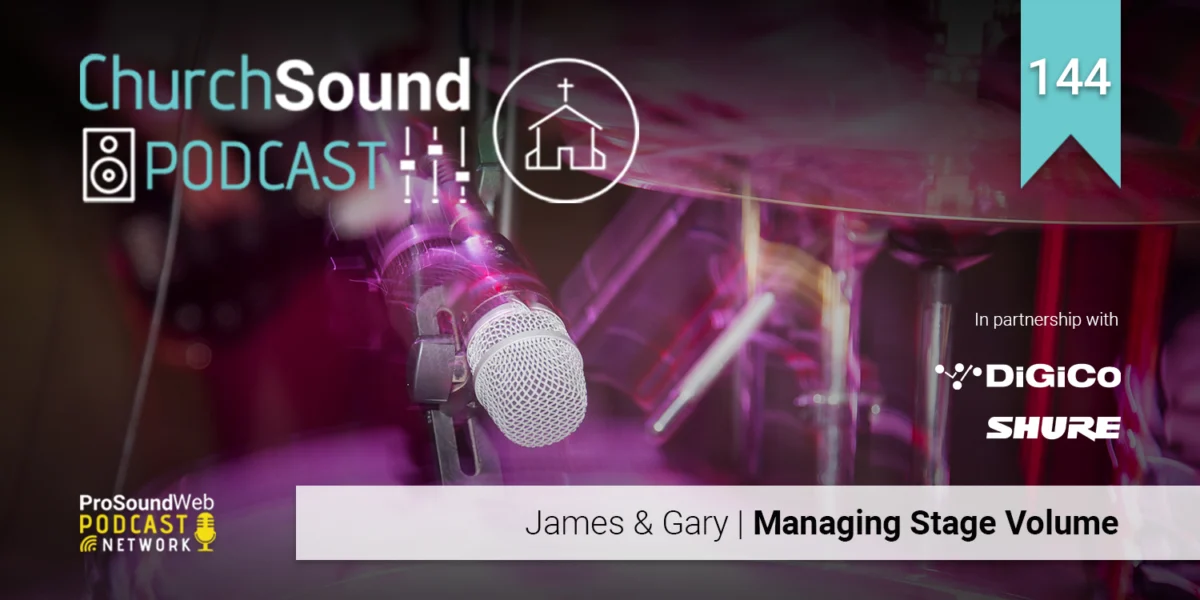
Managing the acoustic landscape of a house of worship stage is one of the most persistent challenges for audio engineers and technical directors. In Episode 144 of The Church Sound Podcast, hosts James Attaway and Gary Zandstra tackle the complexities of controlling unwanted acoustical noise—specifically from drum kits and high-volume stage instrumentation—to ensure a clean, professional mix for the congregation.

This article delves into the core strategies discussed in the episode, providing a comprehensive guide for sound teams looking to reclaim control of their stage environment.

The Challenge of Stage Bleed: Why It Matters
For many churches, the transition from analog, low-volume services to modern, high-energy worship has created a significant "stage volume" problem. When the acoustic output of a drum kit or a guitar amplifier exceeds the capacity of the sound system to cleanly amplify vocals and other instruments, the result is a muddy, chaotic mix.

As Attaway and Zandstra emphasize, the goal is not to eliminate stage energy entirely, but to manage it. "A winning mix," Attaway notes, "relies on the ability of the tech to place every element exactly where it needs to be in the soundstage. When unmanaged stage volume bleeds into vocal microphones, that control is lost."

Chronology of Stage Management Evolution
The history of sound in the church is a trajectory toward increasing control.
- The Early Era: In years past, acoustic instruments and minimal amplification meant the "mix" was largely determined by the physical proximity of musicians.
- The Mid-Transition: As churches adopted larger sound systems, the rise of the "plexiglass drum shield" became the industry standard for containment.
- The Modern Shift: Today, we see a move toward electronic drums, silent stages, and sophisticated in-ear monitoring (IEM) systems. Episode 144 highlights that while technology has advanced, the fundamental principles of acoustic management remain consistent: isolation, diffusion, and absorption.
Core Strategies for Controlling Stage Noise
1. The Drum Kit Dilemma
The drum kit is almost universally the primary source of unwanted stage noise. Because drums are naturally acoustic and highly resonant, they often overpower smaller or medium-sized venues.

- Physical Isolation: The podcast hosts suggest that for many churches, physical shields remain a viable entry point. However, they caution that without proper treatment inside the shield, you risk creating a "reflective box" that can sound harsh to the drummer and leak out the sides.
- Electronic Integration: Moving to a high-quality electronic kit is the most effective way to eliminate stage noise at the source. This allows the drummer to have a full, high-fidelity experience in their own ears without contributing to the acoustic volume of the room.
2. Amplifier Management
Guitar amplifiers, once the pride of the stage, can be the bane of a front-of-house (FOH) engineer’s existence if not managed.

- Directional Placement: Simply turning an amplifier away from the congregation—or even toward the floor—can significantly reduce the high-frequency "beaming" that interferes with vocal clarity.
- Isolation Cabinets: Using an iso-cab allows the guitarist to use their preferred tube amp while keeping the physical sound out of the room entirely.
3. The Role of In-Ear Monitors (IEMs)
The shift to IEMs is perhaps the single most impactful change a church can make. By removing wedges from the stage, you eliminate a major source of secondary noise and feedback. As Zandstra notes, "When you move to a silent stage, you are not just cleaning up the room; you are protecting the hearing of your volunteers and the congregation."

Supporting Data and Technical Perspectives
In their discussion, both hosts bring decades of professional experience to the table. Gary Zandstra, with over 35 years as an AV systems integrator, points out that the technical solution is rarely just about buying "more gear." It is about understanding the interaction between the instrument and the room.

The Math of Sound Pressure
Sound pressure level (SPL) is additive. When you have a drum kit producing 95dB of raw acoustic energy, and you add a guitar amp at 90dB, you are not just hearing both; you are creating a noise floor that makes it impossible to mix a quiet acoustic guitar or a delicate vocal without pushing the FOH system into distortion. By reducing the stage volume by just 6dB, you effectively double the headroom available for the mix.

Official Industry Responses
The Church Sound Podcast is supported by industry leaders DiGiCo and Shure, both of whom have revolutionized how engineers approach stage volume.

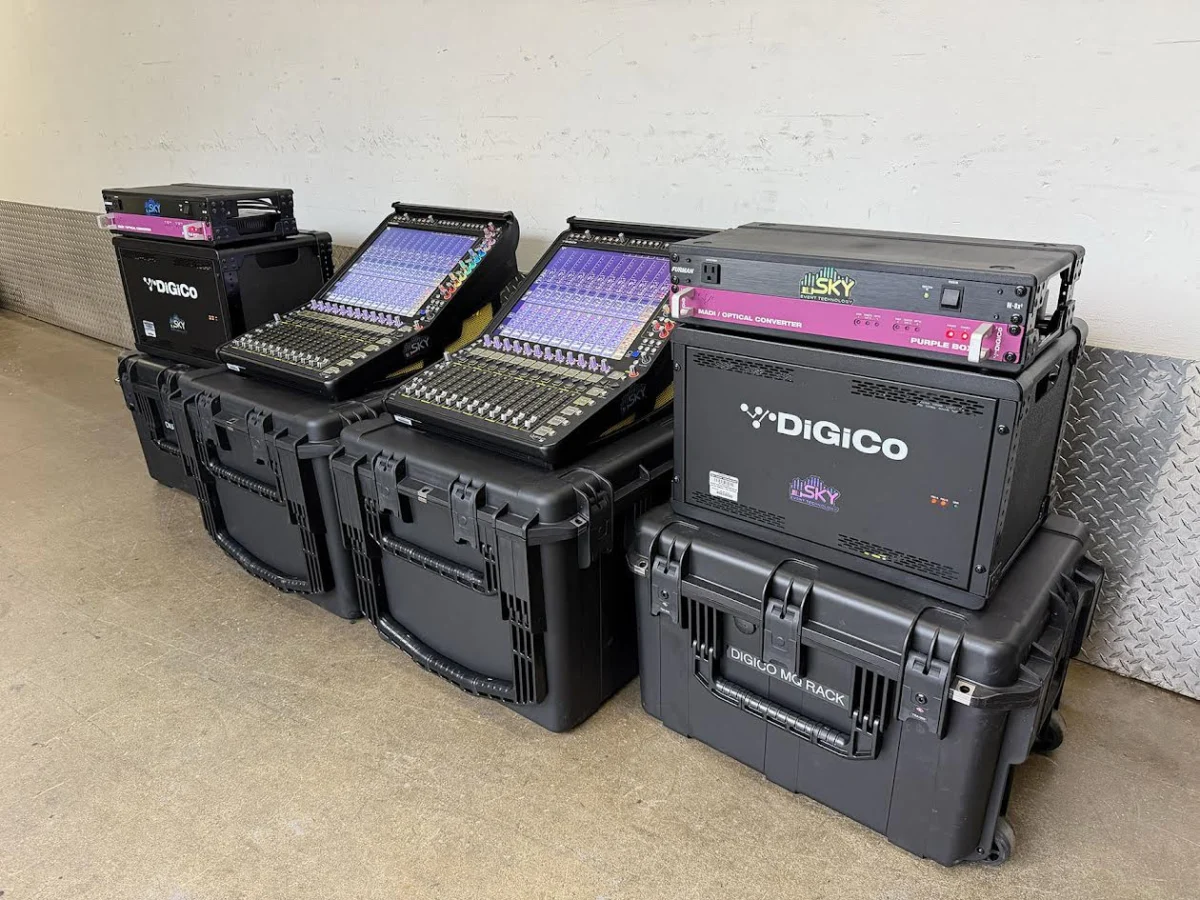
- DiGiCo’s Contribution: Modern digital consoles allow for deep, per-channel processing that can mitigate some of the effects of stage bleed through advanced gating and dynamic EQ.
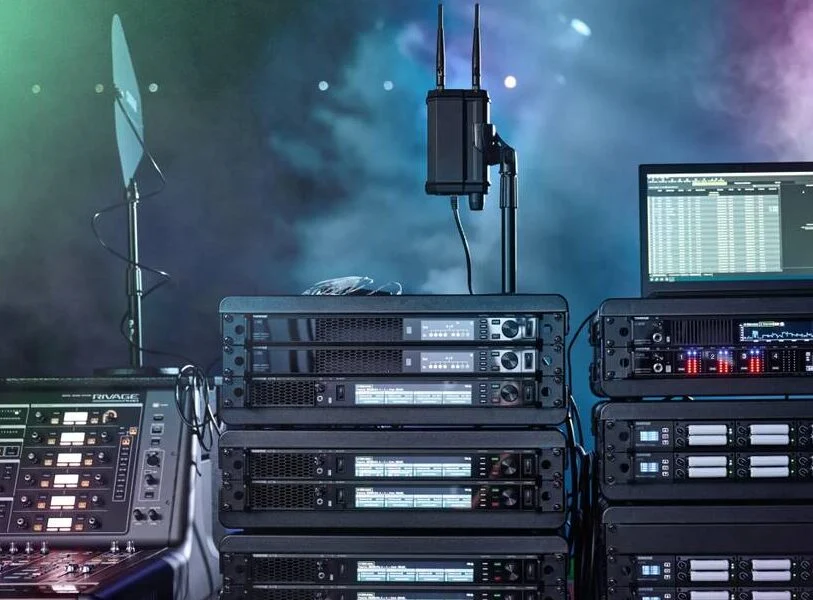
- Shure’s Contribution: With their extensive line of wireless IEM systems and precision microphones, Shure provides the tools necessary to isolate sources effectively, ensuring that the "source" sound is what reaches the console, not the "reflected" sound of the room.
Implications for Your Sound Team
Leading the Team Through Change
One of the most important takeaways from Episode 144 is the interpersonal aspect of sound engineering. Implementing these changes often requires a shift in culture. Musicians who are used to "feeling" their amp or having loud wedges may resist these changes.

- Communication is Key: Attaway’s resource, "How to Lead Your Church Sound Team," provides a framework for these difficult conversations. The goal is to frame stage volume management as a "win" for the band—a better, more consistent monitor mix for them, and a clearer, more powerful mix for the congregation.
The Virtual Sound Check Advantage
By implementing some of the isolation techniques discussed, churches can begin utilizing virtual sound checks. This process allows engineers to record the individual channels during a rehearsal and then play them back through the console without the band present. This is the ultimate tool for fine-tuning EQ, compression, and effects without the pressure of a live service environment.

Summary of Best Practices
To summarize the key points from Episode 144:

- Assess the Source: Identify the loudest instruments and evaluate if they can be moved, silenced, or isolated.
- Invest in IEMs: Prioritize in-ear monitoring systems to remove the need for stage wedges.
- Educate the Musicians: Ensure the worship team understands that lower stage volume leads to a better overall mix.
- Use Tools Effectively: Leverage gates, compressors, and high-quality microphones to keep the mix tight and controlled.
As technology continues to advance, the role of the church sound engineer is evolving from a "knob-turner" to an "acoustic architect." By controlling the stage, you are not suppressing the worship; you are liberating the mix, allowing the message and the music to reach the congregation with clarity and impact.

Resources for Further Learning
For those looking to dive deeper into these topics, James Attaway offers several resources:

- Worship Audio Academy: A comprehensive training ground for church techs.
- Live Mixing Field Guide: An essential handbook for mastering the basics of EQ and compression.
- Attaway Audio YouTube Channel: A library of video tutorials that break down complex technical concepts into actionable steps.
For those who prefer a systems-integration approach, Gary Zandstra’s extensive archive on ProSoundWeb remains a foundational resource for anyone looking to understand the technical and practical realities of church sound.

Listen to the full episode of the Church Sound Podcast, Episode 144, on the ProSoundWeb website to hear the full conversation and gain further insights into managing your church’s unique acoustic environment.