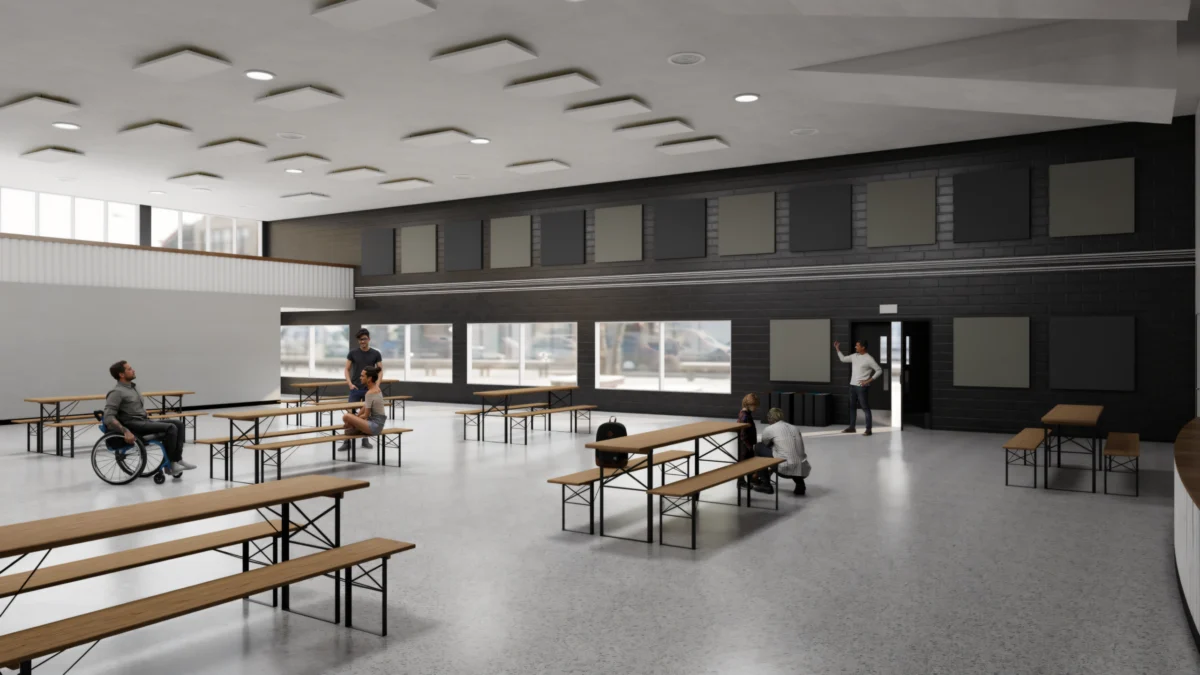
In the modern architectural landscape, the dialogue between visual aesthetics and environmental comfort has often been treated as a zero-sum game. Designers have frequently been forced to choose between the sleek, minimalist appeal of hard, reflective surfaces and the functional necessity of acoustic control. However, a new paradigm is emerging—one that views walls not as static boundaries, but as active participants in the “composition” of a room. By integrating texture as a fundamental design element, architects and interior designers are finding that acoustic performance and high-end visual artistry are not only compatible but mutually enhancing.
The Design Philosophy: Architecture as Composition
To understand the modern interior, one must look at it through the lens of musical composition. Just as a symphony relies on the interplay of rhythm, tempo, and the specific timbre of various instruments to evoke an emotional response, a well-designed space is an intentional assembly of elements. In this analogy, surface textures serve as the instrumentation.
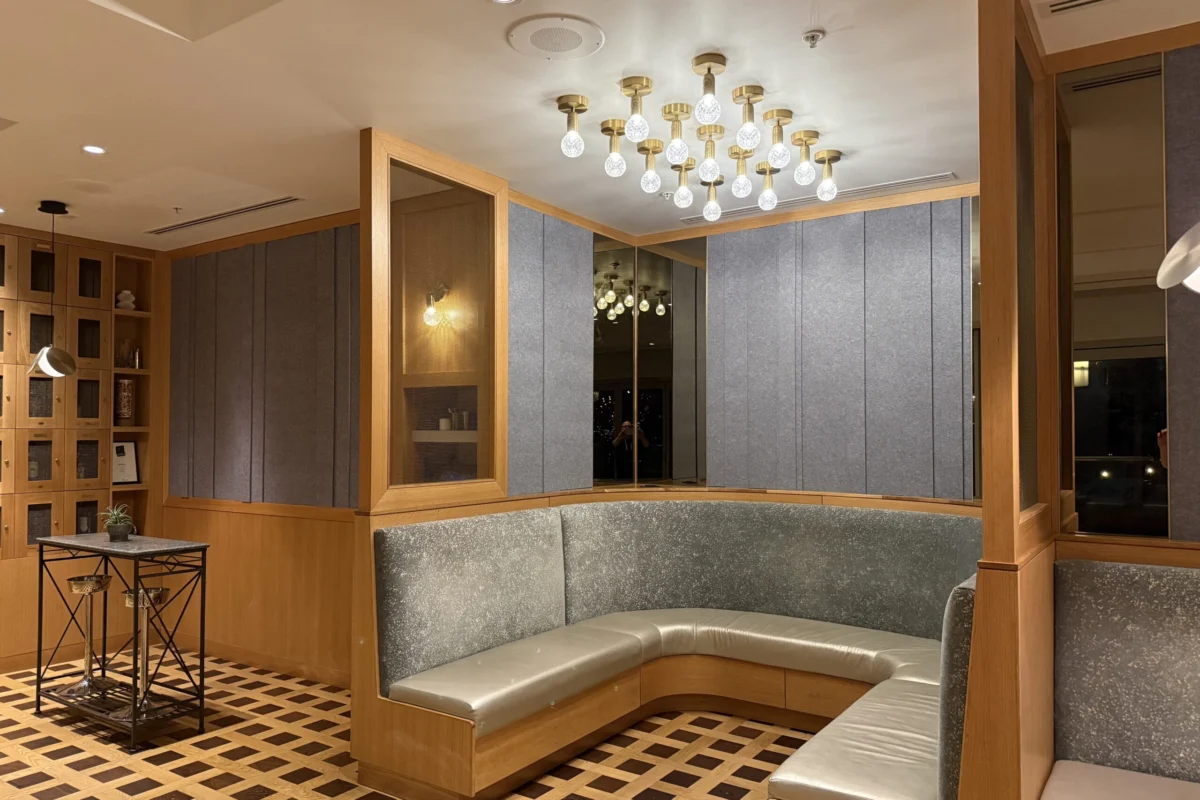
When we perceive a space, our brains process more than just color and geometry. We unconsciously react to the “depth” of a design. A flat, sterile wall provides no visual or auditory complexity, often leading to a sense of coldness or fatigue. Conversely, a space with nuanced texture—where light and shadow play across carved surfaces—creates a visual rhythm that guides the eye and settles the mind. When these textures are engineered to manage sound, the result is a space that feels as harmonious as it sounds.
Chronology of the Acoustic Shift: From "Fixes" to Integration
The history of interior acoustics has long been dominated by the “retroactive fix.” For decades, the standard practice involved designing a space first, only to realize later that the room’s echo, reverberation, and lack of speech clarity made it unusable. This necessitated the post-occupancy installation of clunky, intrusive foam panels or heavy fabric hangings that often clashed with the architect’s original design intent.

In recent years, however, a shift has occurred. The industry has moved toward “Integrated Acoustic Design.” This transition was accelerated by the advancement of sustainable, versatile materials like Polyethylene Terephthalate (PET).
- The Early 2000s: The market was dominated by industrial-grade, functional acoustic treatments. Aesthetics were secondary; the goal was purely technical.
- The 2010s: The rise of open-office plans and high-ceiling, glass-heavy "modern" architecture created a crisis of noise pollution. Designers began demanding better-looking solutions, leading to the development of color-customizable fabric-wrapped panels.
- The 2020s to Present: The focus has shifted to "Design-Forward Acoustics." Material science, specifically regarding recycled PET felt, has allowed manufacturers like Primacoustic to pivot from offering "acoustic panels" to offering "architectural textures." The focus is now on precision-carving, CNC-cutting, and sculpting these materials to act as art installations that happen to absorb sound.
The Science of Sound: Why Walls Must Be Active
The acoustic failure of many modern spaces is rooted in the physics of reflection. When sound waves encounter a hard, flat surface—be it glass, polished concrete, or drywall—the energy is not absorbed; it is reflected back into the room. This leads to high reverberation times, which manifest as a “muddy” soundscape where speech becomes unintelligible and ambient noise levels rise, creating a phenomenon known as the “cocktail party effect.”
Textured surfaces change this dynamic through diffusion. When a sound wave strikes a surface that has been carved, faceted, or sculpted, the wave is scattered in multiple directions rather than bouncing back in a single, coherent echo. By breaking up the surface, we effectively neutralize the “bouncing ball” effect of sound.
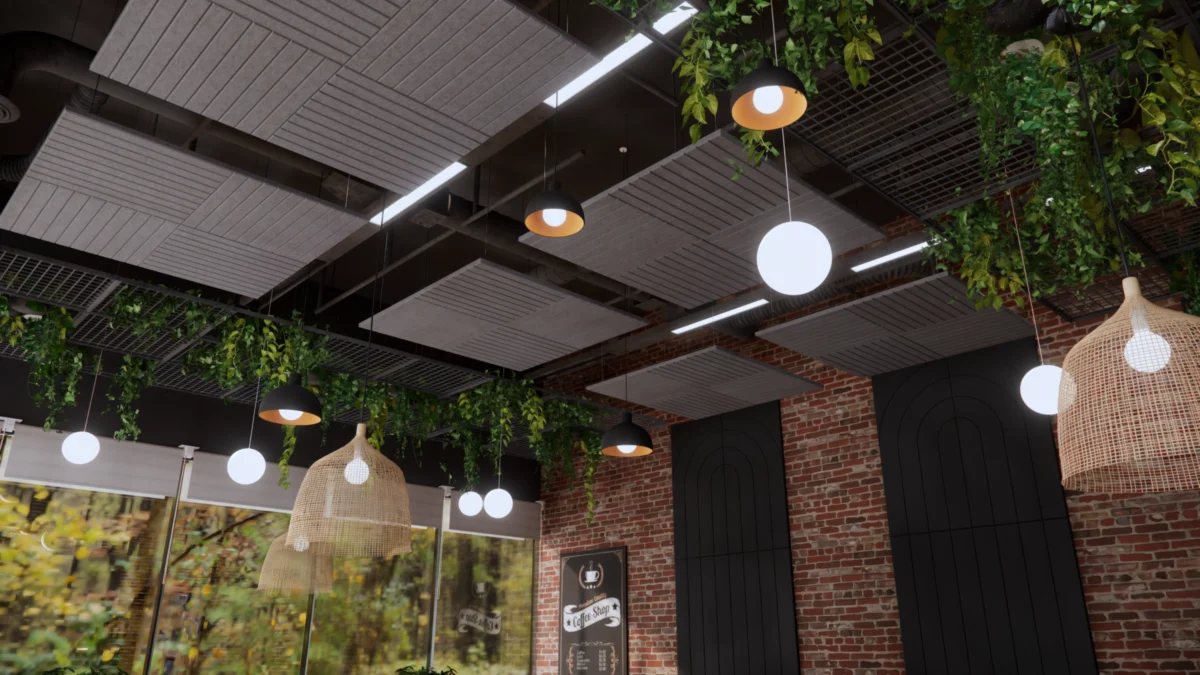
Furthermore, PET panels—often derived from recycled plastic bottles—provide high-frequency absorption, which is critical for speech clarity. When these panels are carved into intricate patterns, such as the Primacoustic EcoScapes Contour line, they provide the best of both worlds: they act as a diffuser to manage the sound’s path and an absorber to dampen its energy.
Supporting Data: The Impact of Acoustic Comfort
Research consistently demonstrates that acoustic comfort is a primary driver of human productivity and well-being. In educational settings, high reverberation times are linked to lower comprehension rates among students. In corporate environments, auditory distractions are cited as the number one inhibitor of deep work.
- Speech Intelligibility: Studies indicate that in spaces with proper diffusion and absorption, speech intelligibility scores increase by up to 30%.
- Stress Reduction: The presence of hard, reflective surfaces triggers a subconscious stress response due to the inability to filter out ambient noise. Environments with soft, textured acoustic treatments have been shown to lower heart rates and decrease cortisol levels.
- Sustainability Metrics: By utilizing recycled PET, designers are not only improving the human experience but also meeting stringent LEED and WELL Building standards. The use of recycled materials in high-end design is no longer a niche preference; it is a requirement for modern, environmentally conscious developments.
Official Perspectives: The Primacoustic Approach
Industry leaders emphasize that the key to a successful project is the early introduction of acoustic strategy. “If you treat acoustics as an afterthought, you are fighting against the building’s DNA,” says a lead consultant at Primacoustic.
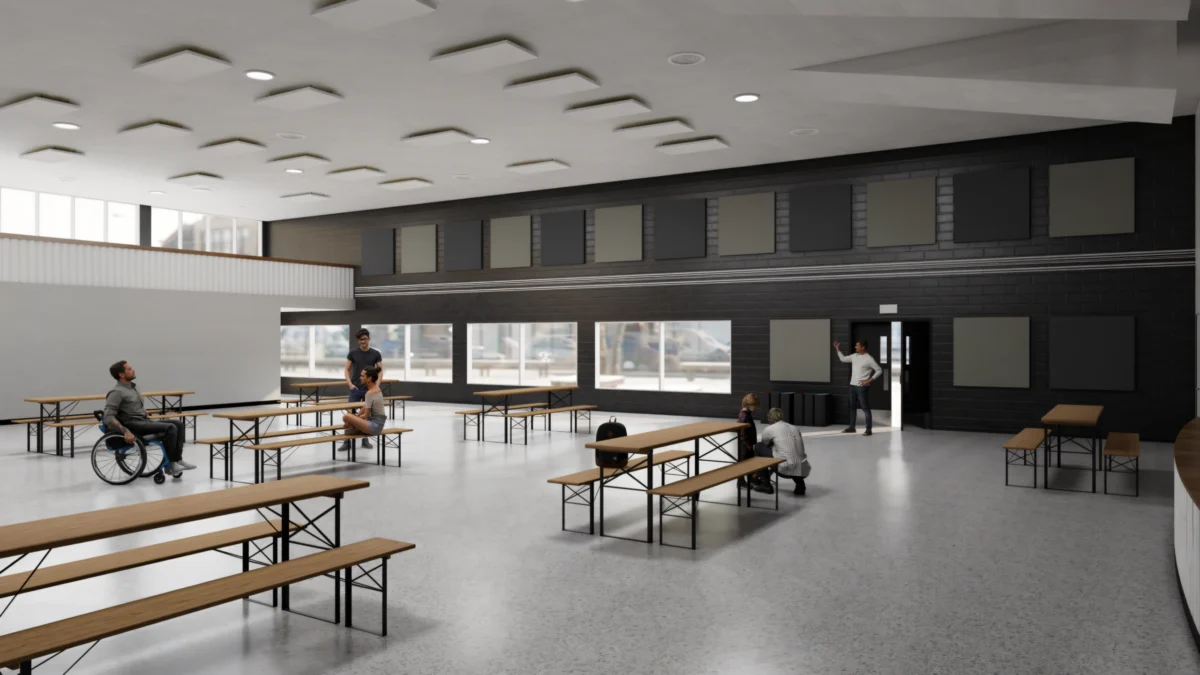
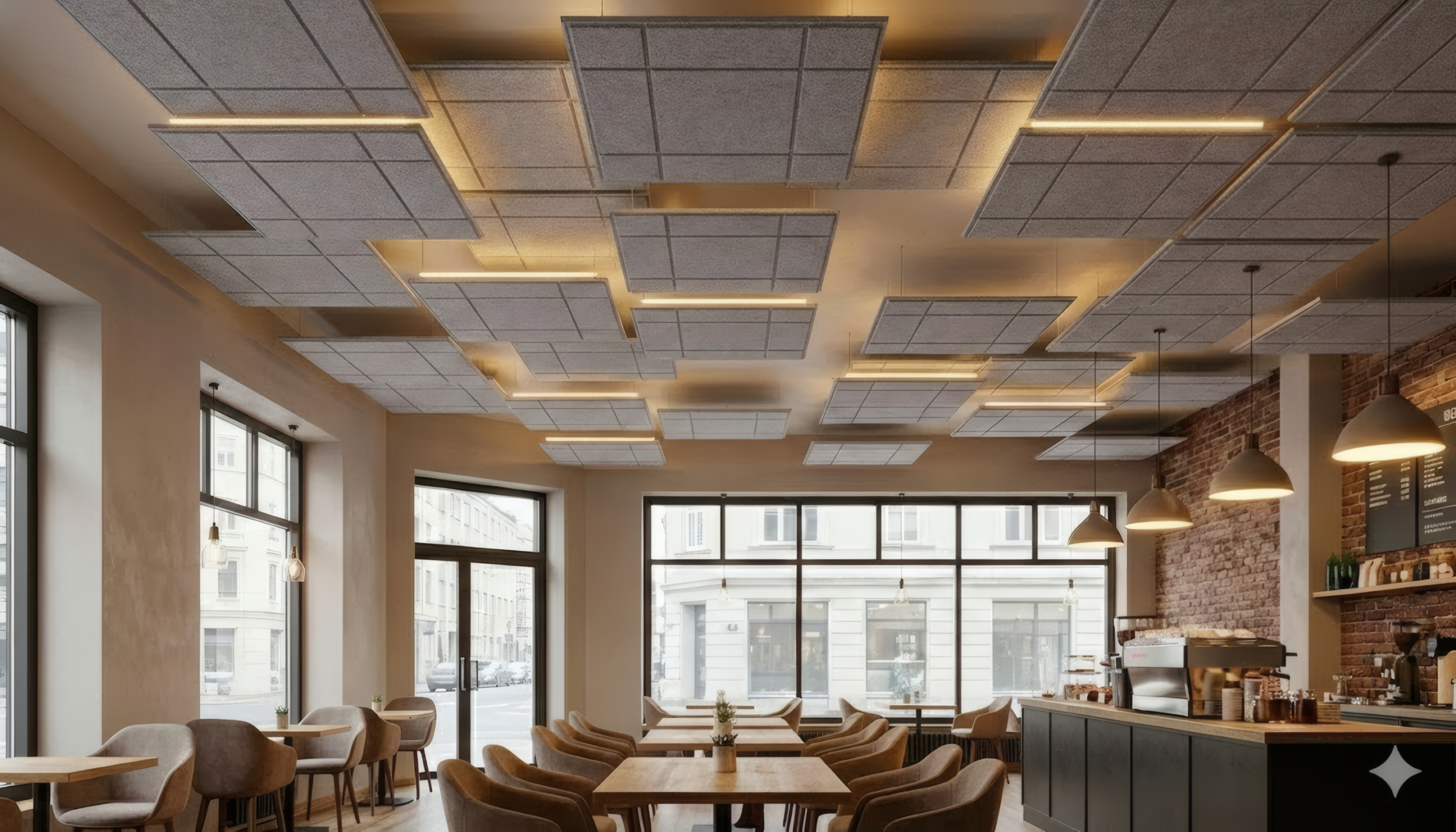
The introduction of the EcoScapes Contour line reflects a broader industry movement toward "invisible acoustics." By allowing designers to precision-cut PET into virtually any shape, the material ceases to be an acoustic tool and becomes a creative medium. "We want designers to stop thinking about where they can ‘hide’ an acoustic panel and start thinking about how they can use an acoustic surface to create a feature wall, a ceiling cloud, or a brand-specific pattern," the company notes. This approach allows for a seamless transition from the conceptual phase to the final build-out, ensuring that the acoustic performance is built into the very skin of the space.
Implications for Future Architecture
The move toward textured, active walls has profound implications for the future of interior design. We are seeing a departure from the “white box” aesthetic toward a more sensory-rich environment.

1. The Death of the "Cluttered" Solution
Designers are moving away from adding posters, plants, or wall hangings to “dampen” a room. Instead, they are using the wall surface itself as the solution. This creates a cleaner, more intentional aesthetic that is both highly functional and visually sophisticated.
2. Branding Through Geometry
With the ability to custom-carve PET panels, companies are now embedding their brand identity into the very walls of their offices. A reception wall featuring a 3D-engraved logo that simultaneously reduces noise in the lobby is a powerful intersection of marketing and environmental engineering.
3. The Human-Centric Standard
As the "Well-being" movement gains traction, buildings will be judged not just by their energy efficiency, but by their "auditory health." Spaces that provide a sense of intimacy and calm—even in high-traffic areas—will become the new benchmark for excellence.
Conclusion: Designing for the Full Human Experience
The lesson for modern design is clear: our visual and auditory experiences are inextricably linked. By ignoring the acoustic properties of our walls, we deny users the full experience of a space. Conversely, by embracing texture, depth, and intentionality, we can transform the places where we work, learn, and live into environments that feel as good as they look.
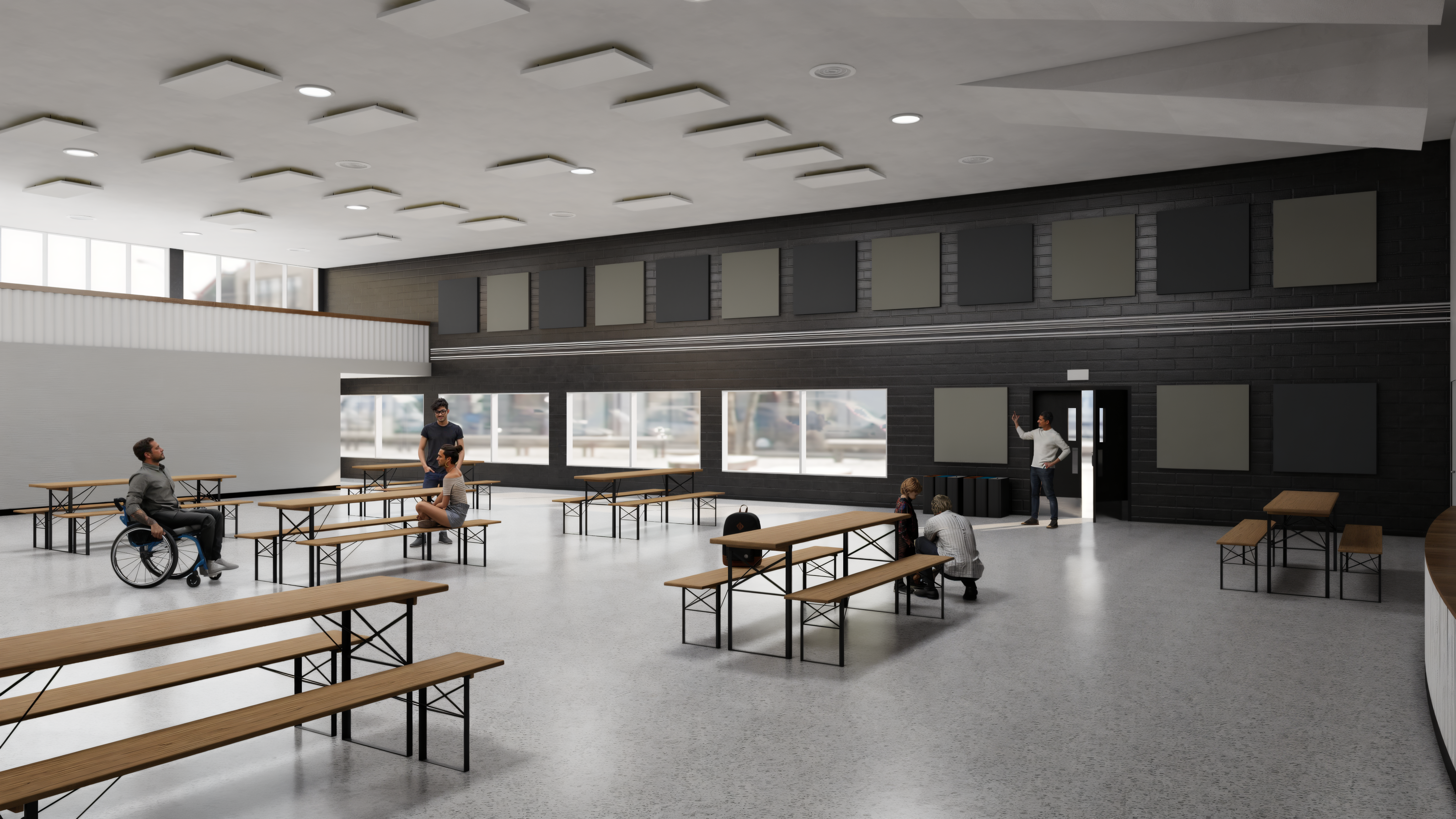
As we look toward the next generation of architectural design, the goal should be to create spaces that resonate—both visually and sonically. By treating surfaces as active participants in the design composition, we move closer to a world where our built environments do not just house our activities, but actively support our well-being. The symphony of the space is ready to be composed; it is up to the designers to decide which instruments they will choose.