“We wouldn’t teach reading in a classroom without lights. Why then do we teach in acoustical darkness?” — Dr. John Erdreich, PhD
In the modern educational landscape, we invest heavily in high-speed internet, ergonomic furniture, and the latest digital tablets. Yet, we continue to ignore a fundamental pillar of cognitive development: the environment in which sound travels. We often envision the classroom as a sanctuary of focus, but for millions of students and teachers, the reality is a chaotic soundscape that hinders learning, increases stress, and actively degrades the quality of education.
The Main Facts: The Invisible Architecture of Learning
At the heart of the educational process is the transfer of information through speech. When that process is interrupted by reverberation, echoes, and background noise, the brain must work double-time to fill in the missing gaps. This phenomenon, often termed "acoustical darkness," is not merely a minor inconvenience; it is a systemic failure in school design.
In a typical, untreated classroom, students can miss up to 25% of the words spoken by their teacher. This loss of intelligibility is not a reflection of the student’s aptitude but a failure of the room’s physics. While we obsess over visual aids and curriculum standards, we leave the "invisible architecture"—the way sound behaves in a room—entirely to chance.
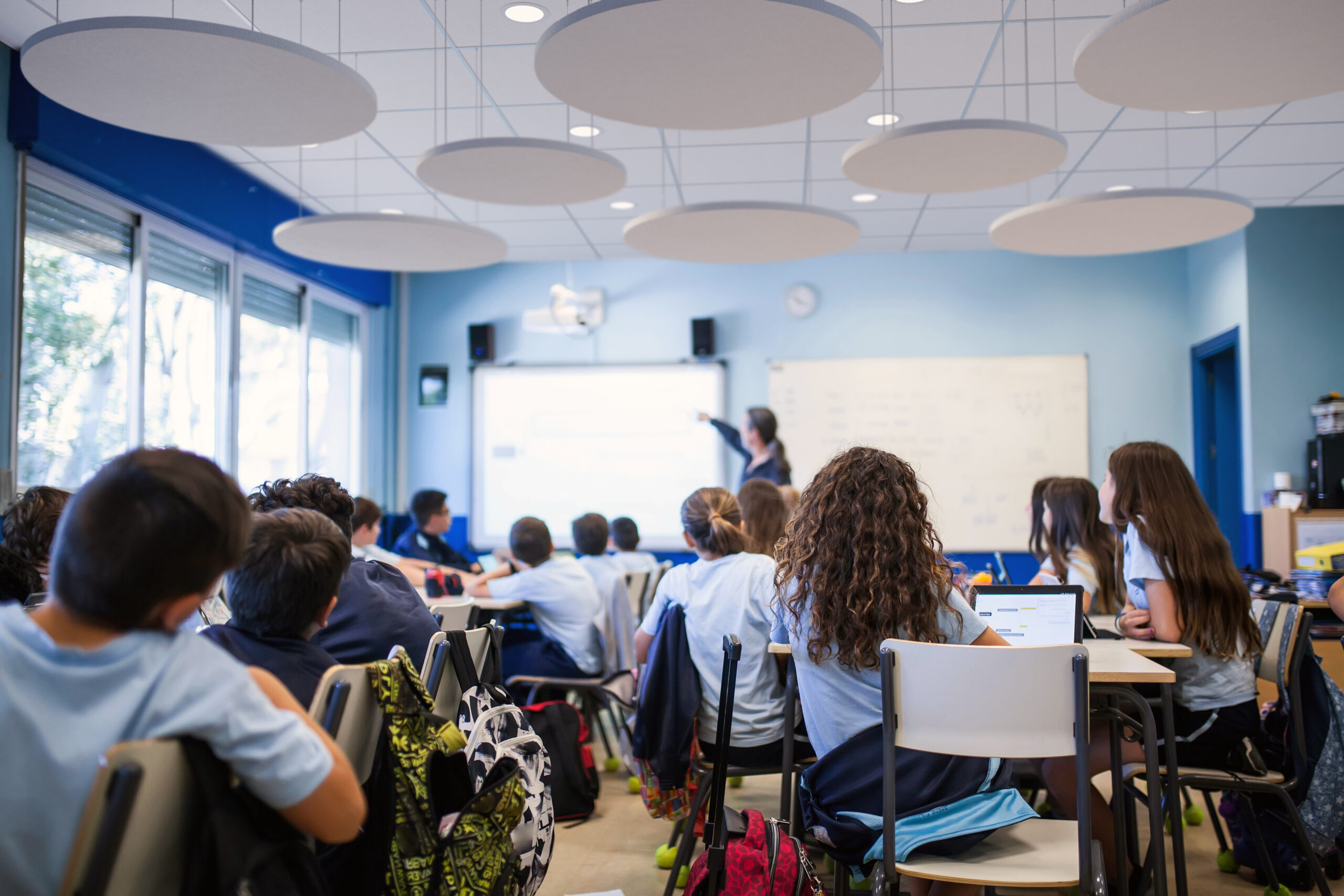
Most schools are built with hard, reflective materials: concrete floors, large glass windows, and drywall. These surfaces act like mirrors for sound, causing waves to bounce repeatedly. This creates a "smearing" effect where speech becomes muddied. When a teacher speaks, the original sound is quickly followed by reflected noise, making it nearly impossible for a child’s brain to isolate the lesson from the ambient din.
A Chronological Perspective: A Century of Overlooked Science
The struggle for better classroom acoustics is not a new discovery; it is a century-old battle. The science of architectural acoustics has been well-documented for over 100 years, with foundational principles established by pioneers like Wallace Sabine at the turn of the 20th century.
- 1900–1950: Early acoustic research identified the link between reverberation times and speech clarity. However, these findings were largely confined to concert halls and performance spaces, leaving schools to be built primarily for durability and cost rather than auditory health.
- 1950–2000: As school populations grew and building materials shifted toward cheaper, more reflective synthetic products, the problem worsened. The rise of HVAC systems introduced constant low-frequency humming, adding an "acoustic floor" of noise that made clear communication even harder.
- 2000–Present: The Acoustical Society of America (ANSI) and other global bodies began publishing formal standards, such as the recommended 0.7-second reverberation time. Despite these guidelines, many educational facilities remain "unfit for purpose," with studies showing average reverberation times frequently exceeding 1.9 seconds—nearly triple the recommended threshold.
Supporting Data: The Cost of Noise
The data regarding poor acoustics is both extensive and alarming. Research consistently highlights the direct correlation between sound environment and academic achievement.
The Cognitive Toll
When a child struggles to hear, they don’t just "miss a few words"; they experience cognitive fatigue. Because the brain is forced to expend extra energy decoding distorted speech, there is less "mental bandwidth" left for comprehension and memory retention. This is particularly devastating for:

- Young Learners: Children under the age of 13 lack the developed brain capacity to "fill in the blanks" of missing sounds, as they do not yet have the vast vocabulary and context that adults rely on.
- Students with Learning Disabilities: For those with Auditory Processing Disorder (APD) or those utilizing hearing aids, a noisy room is not just a distraction—it is an impenetrable wall.
- ESL/ELL Students: Students learning in a second language are at a massive disadvantage in rooms with high reverberation, as they require crystal-clear phonemic input to map new linguistic structures.
The Impact on Educators
Teachers are the primary victims of poor classroom acoustics. To overcome the echo, educators naturally raise their voices, leading to chronic vocal strain. Industry studies suggest that teachers are 32 times more likely to suffer from serious voice disorders than professionals in other fields. This leads to increased absenteeism, higher turnover rates, and a lower quality of instruction.
The Myth of Amplification: Why Microphones Aren’t the Answer
A common, albeit flawed, response to classroom noise is the installation of sound reinforcement systems—microphones and loudspeakers. While this may seem like a logical "quick fix," experts at the Acoustical Society of America argue that amplification without acoustic treatment is counterproductive.
If you amplify sound in a room with poor acoustics, you are simply amplifying the noise. The system picks up the teacher’s voice, but it also picks up the ambient HVAC drone, the shuffling of desks, and the chatter of students. When this amplified, "muddied" sound hits hard, reflective walls, it bounces back even louder, creating a feedback loop that increases the total noise floor of the room. True improvement can only be achieved by treating the room itself, not by adding more sound to an already noisy environment.
The Solution: Acoustic Treatment as a Pedagogical Tool
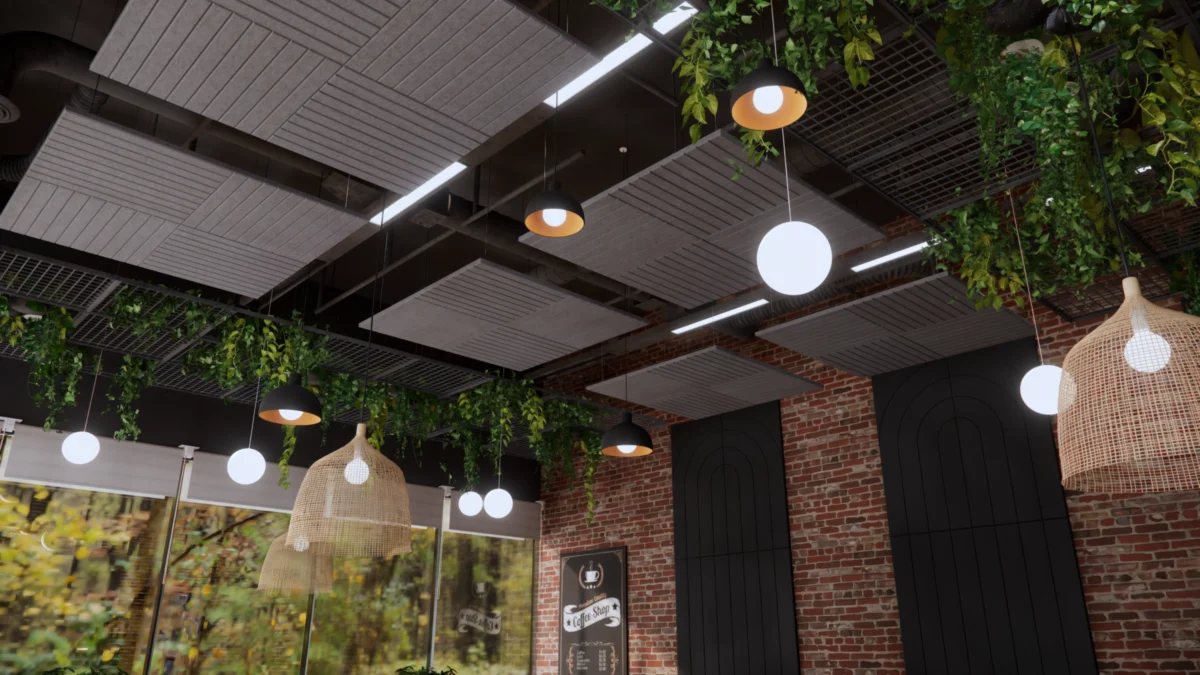
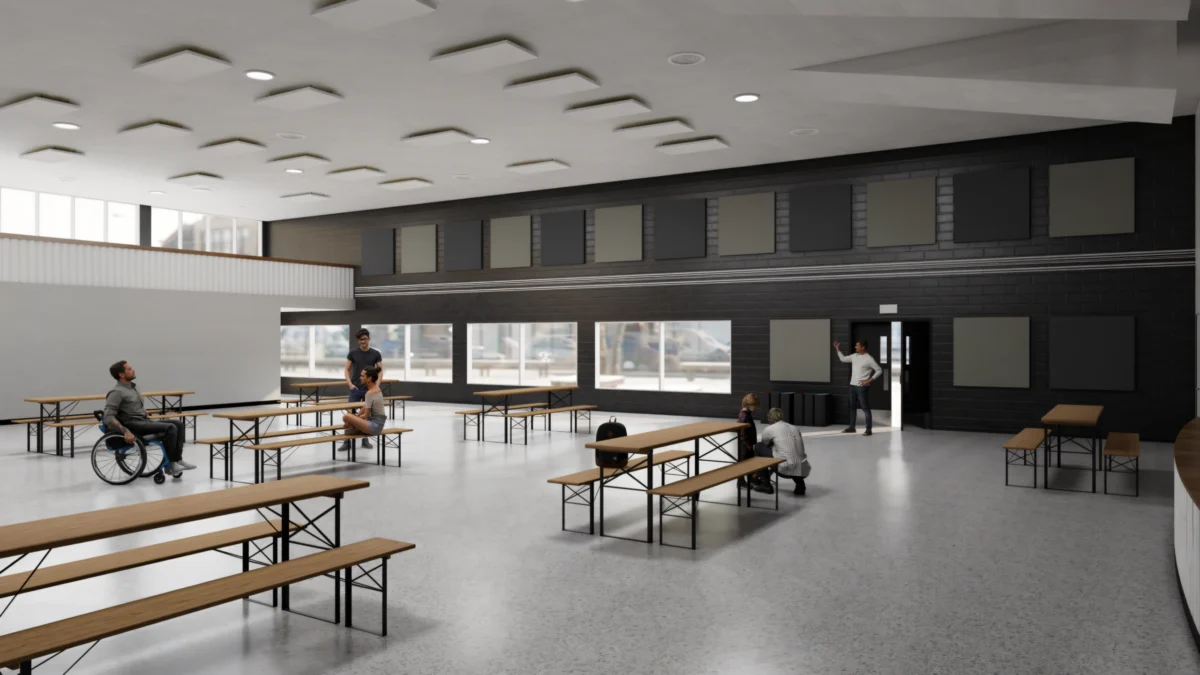
The remedy is both simple and highly effective: acoustic absorption. By installing high-performance panels on walls and ceilings, schools can effectively "soak up" the unwanted reflections that distort speech.

Key Benefits of Acoustic Treatment:
- Lower Reverberation Times: By targeting just 17–25% of wall surface area, schools can often reduce reverberation to the recommended 0.7-second standard, instantly clarifying speech.
- Reduced Ambient Noise: Absorption panels don’t just stop echoes; they lower the overall volume of the room, creating a calmer, more focused environment.
- Psychological Benefits: Studies have shown that a quieter classroom leads to better student behavior and lower stress levels for both the educator and the student.
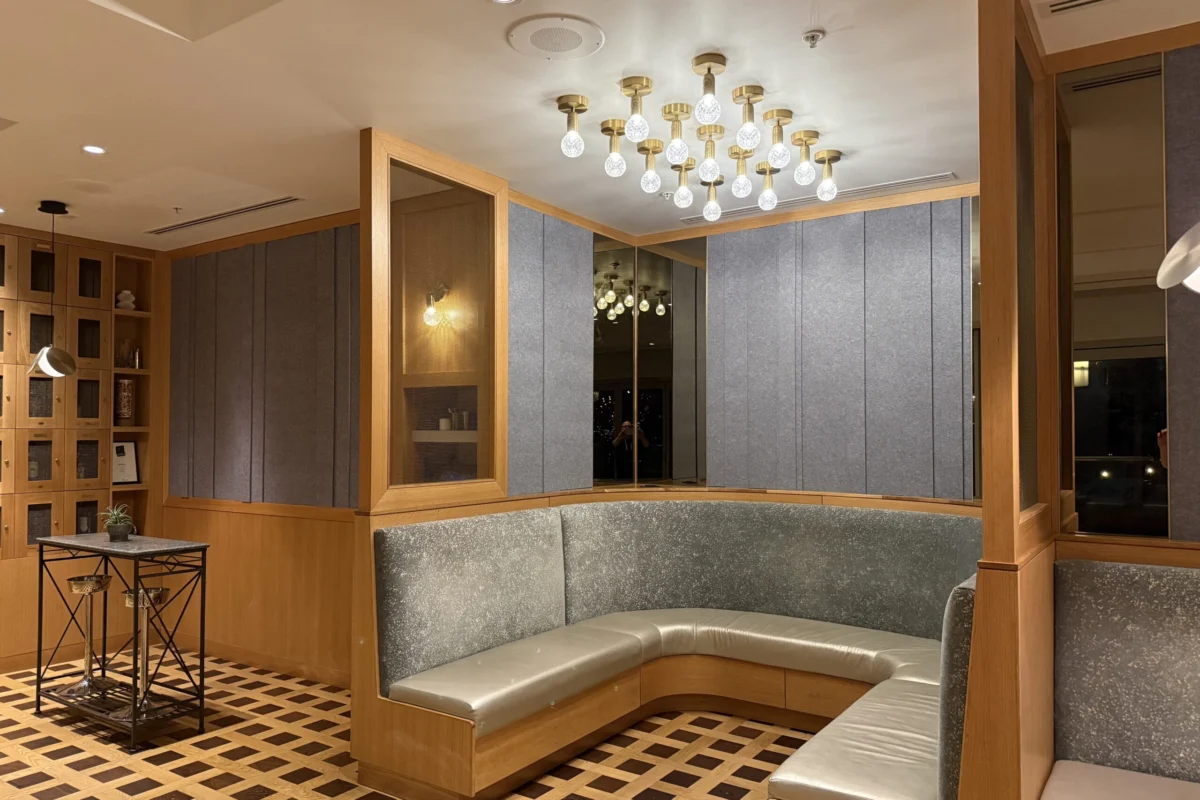
- Longevity and Aesthetics: Modern acoustic solutions, such as those provided by Primacoustic, are not only durable and fire-rated for safety but can be customized to match school colors, feature educational graphics, or incorporate high-resolution photography.
Official Responses and Industry Standards
The consensus among educational architects and audiologists is clear: acoustics should be treated as a priority, not an afterthought. Organizations like the National Deaf Children’s Society (NDCS) have published extensive research, such as "The Essex Study," which confirms that optimizing classroom acoustics leads to "very significant improvements" in learning outcomes.
The failure to address these standards is often a matter of budget prioritization. However, when one considers the long-term costs of remedial education, teacher burnout, and student underperformance, the "turnkey" cost of acoustic treatment is incredibly low. It is a one-time investment that provides a permanent improvement in the infrastructure of learning.
Implications: Building for the Future
As we look toward the future of education, we must stop viewing the classroom as a static box. It is a dynamic, high-stakes communication environment. If we are serious about closing the achievement gap, we must first close the "acoustical gap."
For administrators and school boards, the implication is clear: the most sophisticated technology in the world is useless if the student cannot hear the teacher. Whether it is through the creative use of ceiling clouds, wall-mounted panels, or customized acoustic art, there is a path to creating a "high-definition" listening environment in every school.

At Primacoustic, the mission is to ensure that no classroom remains in "acoustical darkness." By providing flexible, cost-effective, and aesthetically pleasing solutions, it is possible to transform any space into an optimal environment for student success. The technology exists, the research is settled, and the need is urgent. It is time to treat the invisible architecture of our schools with the same care we provide to the visible ones.
To learn more about how you can improve your educational environment, visit Primacoustic.com and explore the resources dedicated to the future of clear communication. Because when students can hear, they can learn—and when teachers can be heard, they can inspire.