As the holiday season approaches and the surge of package deliveries reaches its annual peak, the importance of home security has never been more front-of-mind. For those looking to fortify their entryway without breaking the bank, a significant opportunity has arrived. The Google Nest Doorbell (wired, 2nd Gen) is currently seeing a massive 46% price reduction as part of the early Black Friday sales cycle.
Available now for just $98—down from its standard list price of $179.99—this device represents one of the most compelling value propositions in the smart home security market. This isn’t just a simple doorbell; it is a sophisticated, AI-driven sentry designed to provide homeowners with peace of mind.
Main Facts: What You Get for $98
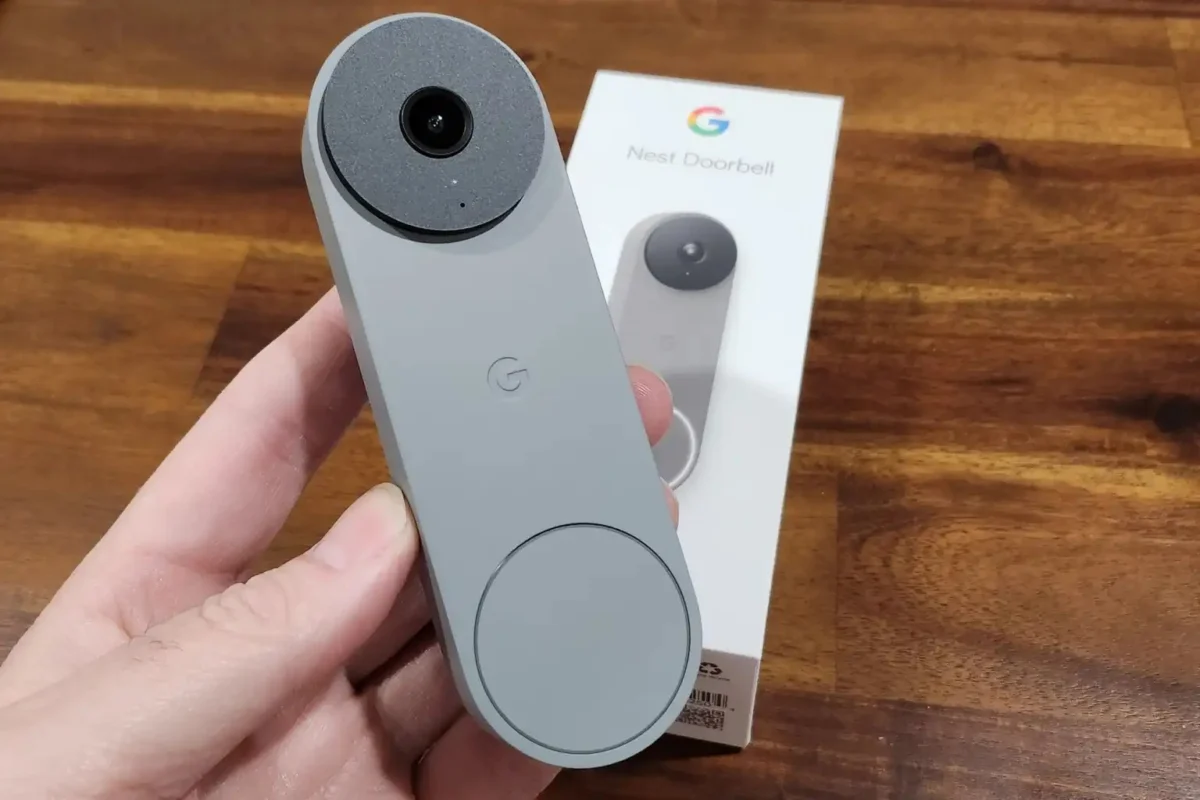
The Nest Doorbell (wired) is engineered to provide continuous monitoring, bypassing the battery-life anxieties associated with wireless alternatives. By tapping directly into your home’s existing low-voltage doorbell wiring, it ensures that your camera remains powered 24/7.
Key features include:
- High-Definition Imaging: The device captures crisp 1080p HDR video, ensuring that details remain visible even in challenging high-contrast lighting conditions.
- Expansive Field of View: With a 145-degree vertical field of view, the camera is designed to see "head-to-toe," meaning you can spot packages left directly on the porch floor—an area often missed by traditional, narrower-angle cameras.
- Intelligent On-Device Processing: Rather than relying solely on cloud processing, the Nest Doorbell performs primary object detection locally. It is capable of distinguishing between people, packages, animals, and vehicles, which significantly reduces the frequency of "false alarm" notifications that plague lesser devices.
- Enhanced Night Vision: Equipped with robust infrared capabilities, the device maintains high-clarity video surveillance even in complete darkness.
A Chronology of the Nest Evolution
To understand the significance of this deal, one must look at the trajectory of Google’s Nest hardware line. Since Google’s acquisition of Nest Labs in 2014, the ecosystem has undergone a massive transformation.
Initially, Nest was synonymous with the learning thermostat. Over the last decade, however, Google has pivoted the brand toward an integrated "Helpful Home" philosophy. The first generation of Nest doorbells were revolutionary for their time, but they relied heavily on cloud-based processing. The transition to the 2nd generation wired doorbell—the subject of this sale—marked a turning point in 2022. By integrating a dedicated machine-learning processor, Google moved away from the "cloud-first" architecture to a hybrid model that prioritizes privacy and speed.
This year, the integration of Gemini AI has pushed the product further. Throughout 2024, Google has been rolling out generative AI features that allow users to interact with their video history in natural language. Instead of scrubbing through hours of footage, a user can now ask, "Did I get a package yesterday?" and receive a summarized response.
Supporting Data and Technical Performance
In the competitive landscape of smart doorbells, performance is measured by reliability and clarity. The Nest Doorbell’s 1080p HDR sensor may seem modest compared to the 2K or 4K marketing fluff of competitors, but the real-world performance is bolstered by Google’s superior image signal processing.
Field of View Comparison
Most traditional doorbells offer a wide-angle horizontal view but fail on the vertical axis. The Nest Doorbell’s 3:4 aspect ratio is specifically optimized for doorways.
- Horizontal: 145 degrees
- Vertical: 145 degrees
- Aspect Ratio: 3:4 (Portrait mode)
This specific geometry is essential for security. A thief leaning over to grab a package is often invisible to wide-angle, short-height cameras. By prioritizing vertical height, the Nest Doorbell captures the entire scene from the doorstep to the ceiling.
The Gemini AI Integration
The inclusion of Gemini AI is the most significant software upgrade to the Nest platform in years. Data processing is handled locally where possible, with encrypted cloud transmission for advanced analysis. The system is designed to learn the rhythm of your household, allowing for "familiar face" detection (available with a Nest Aware subscription), which filters out recurring visitors, such as family members or regular housekeepers, from unknown individuals.

Official Perspectives and Ecosystem Strategy
Google’s strategy with the Nest Doorbell is not merely to sell hardware, but to integrate users into the Google Home ecosystem. By lowering the entry price to $98, Google is effectively removing the barrier to entry for the broader Nest Aware subscription service.
While the doorbell provides three hours of free event-based video history, the real power of the device is unlocked through the Nest Aware subscription.
- Standard Tier ($8/month): Provides 30 days of event video history and familiar face detection.
- Premium Tier ($15/month): Extends this to 60 days of event history and 10 days of continuous 24/7 video recording.
Industry analysts note that this "razor-and-blade" business model is standard in the security industry, but Google’s competitive advantage remains its software. The ability to use the same app that controls your thermostat, smart lights, and speakers creates a "stickiness" that few other manufacturers can replicate.
Implications: The Future of Home Security
The reduction in price for the Nest Doorbell highlights a broader trend in the Internet of Things (IoT) market: the commoditization of home security. Just five years ago, a doorbell with these capabilities would have cost upwards of $250. Today, for less than $100, consumers have access to technology that was once reserved for high-end enterprise security systems.
Privacy Concerns
With the rise of AI-assisted monitoring, privacy remains a paramount concern. Google has addressed this by moving detection algorithms to the device itself. By processing video events locally, the camera minimizes the amount of raw footage sent to the cloud, addressing common criticisms regarding privacy. However, users should be aware that to take full advantage of AI features like "familiar faces," image data must be uploaded to Google’s secure servers to train the recognition model.
The Impact of "Smart" Features on Delivery
The practical implication of this device is a reduction in the "package anxiety" that plagues suburban and urban households alike. The ability to receive a specific notification—"Package detected at 2:15 PM"—allows homeowners to act proactively. Whether that means asking a neighbor to move the package or using the two-way talk feature to instruct a delivery driver to place the item behind a planter, the Nest Doorbell serves as a vital bridge between the physical and digital worlds.
Conclusion: Is the Deal Worth It?
If you are already invested in the Google ecosystem, or if you are looking for a reliable, wired security solution that prioritizes intelligence over gimmicks, this Black Friday deal is difficult to overlook.
The $82 discount brings the device into the "impulse buy" category, but the long-term utility is significant. By combining best-in-class motion detection, a portrait-oriented field of view, and the latest in generative AI searching, the Nest Doorbell remains a top-tier choice for modern home security.
However, prospective buyers should act quickly. Historical data on Black Friday sales suggests that while stock may be replenished, the aggressive $98 price point is a promotional window that typically closes as soon as the holiday weekend concludes. As we head into the peak season for porch piracy, investing in a reliable set of digital eyes has never been more affordable.
Disclaimer: Prices and availability are subject to change. As an Amazon Associate, TechHive may earn from qualifying purchases. This article is intended for informational purposes and does not constitute financial or security advice.