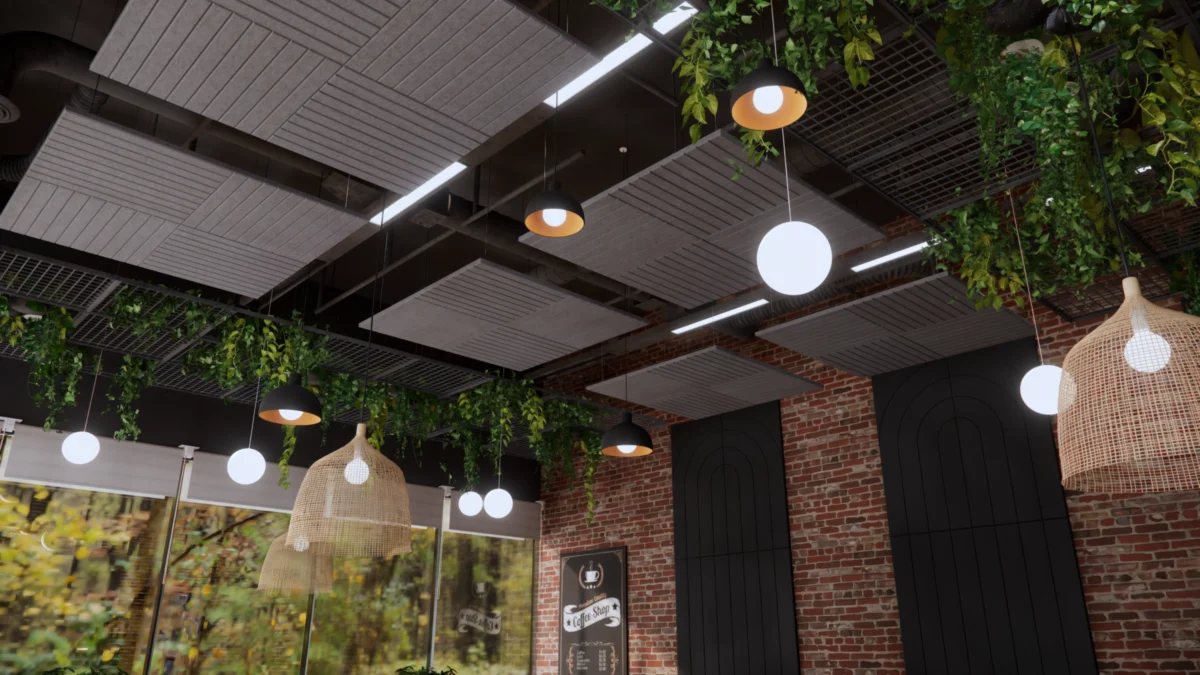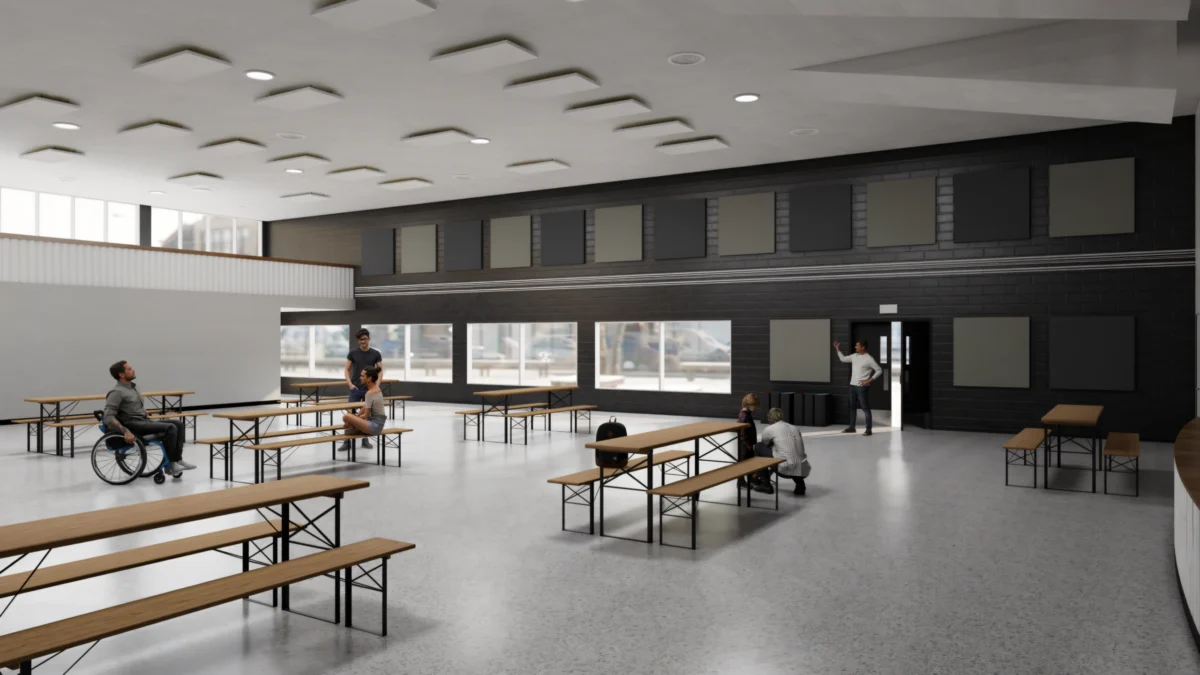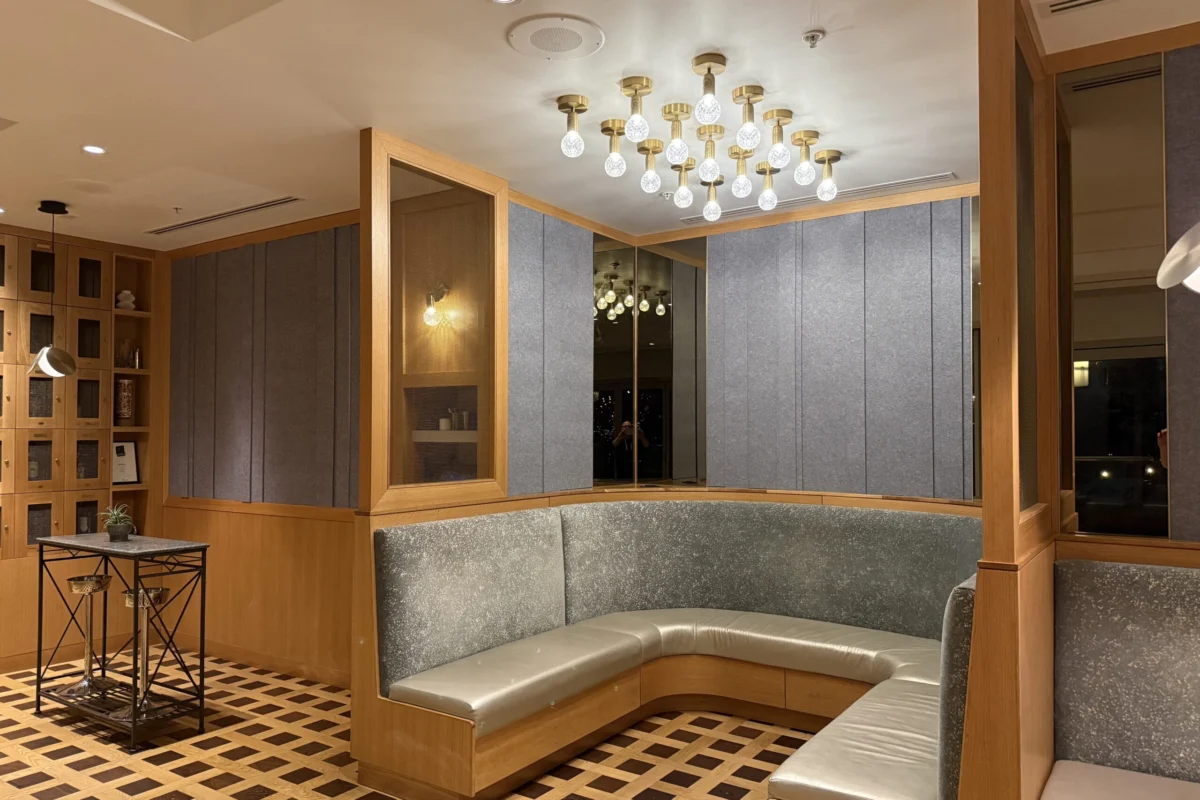
Achieving a professional-grade finish in interior acoustics is no longer the sole domain of specialized contractors. With the rise of EcoScapes PET (Polyethylene Terephthalate) acoustic panels, architects, interior designers, and DIY enthusiasts have gained access to a sustainable, high-performance material that transforms both the sonic and visual quality of a space. However, the secret to a high-end installation—where seams disappear and edges remain crisp—lies entirely in the preparation and the precision of the cut.
Whether you are navigating the complexities of electrical outlets, creating intricate geometric wall patterns, or simply trimming panels to fit a challenging architectural alcove, the right methodology is paramount. This comprehensive guide details the essential tools, safety protocols, and technical steps required to master the installation of EcoScapes panels.
1. What Are EcoScapes Acoustic Panels?
EcoScapes panels represent a revolution in sustainable building materials. Manufactured from high-density, compressed recycled plastic fibers (PET), these panels serve a dual purpose: they act as a sophisticated aesthetic element while providing superior sound absorption.
The Material Composition
Unlike traditional fiberglass or mineral wool acoustic treatments, PET panels are non-toxic, formaldehyde-free, and inherently moisture-resistant. Their high-density construction allows them to be cut, carved, and shaped without the need for edge-binding or fabric wrapping, which are common requirements for traditional acoustic panels. This makes them a preferred choice for modern office environments, home cinemas, and educational facilities where both safety and acoustic performance are non-negotiable.
2. Recommended Tooling: Choosing the Right Instrument
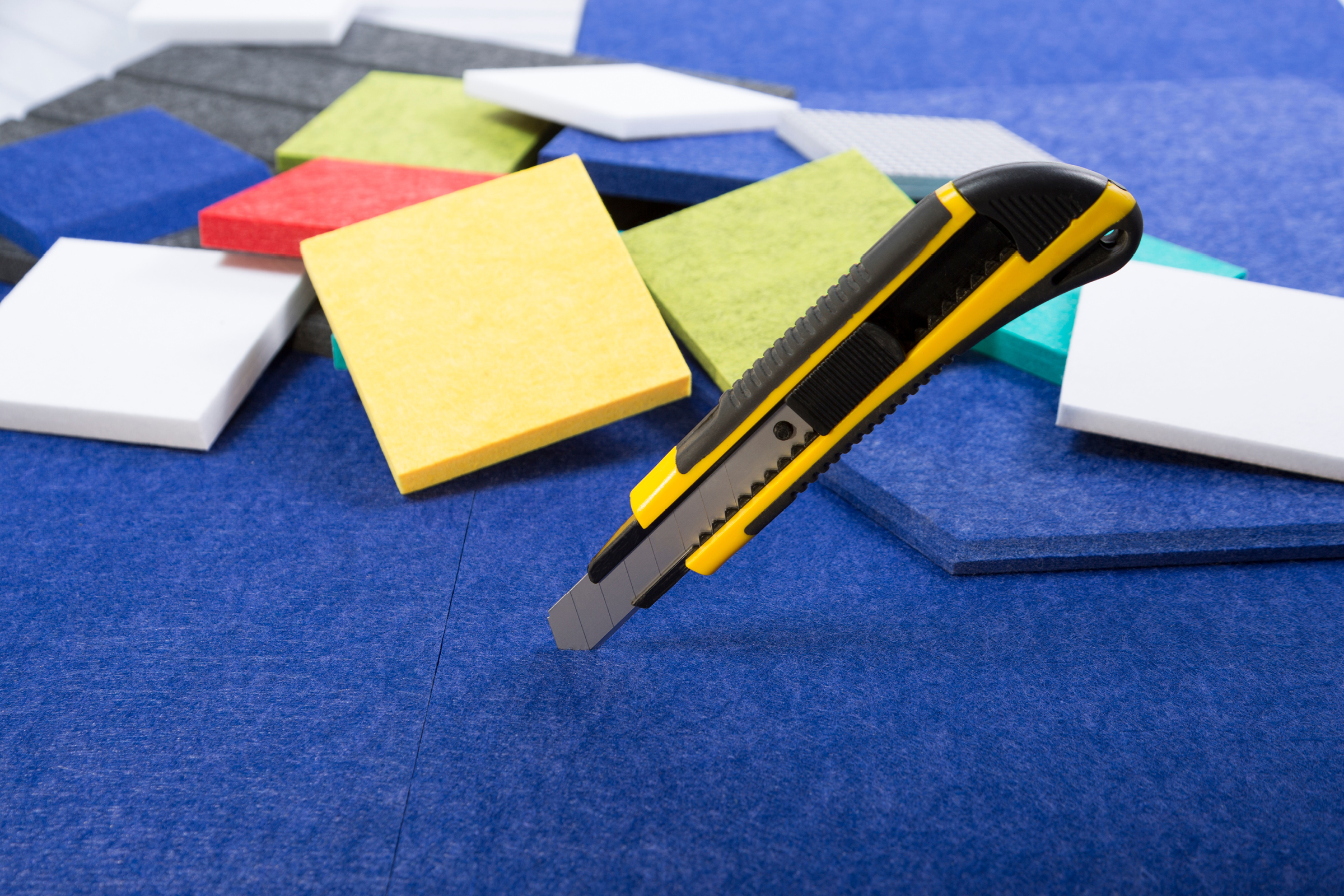
Selecting the correct cutting tool is not merely about convenience; it is about edge integrity. Because PET is a fibrous material, the wrong tool can cause tearing or "fuzzing" along the cut line.
Essential Tool Selection Matrix
| Tool | Best Application | Professional Insight |
|---|---|---|
| Utility Knife | Straight lines/fine adjustments | Use a snap-off blade. Never force the cut; score the material three to four times. |
| Carpenter’s Knife | General DIY/Smaller panels | Ideal for 9–12 mm thicknesses; keep the blade at a 45-degree angle for a cleaner edge. |
| Electric Cutter | High-volume installations | Best for consistent pressure and preventing "drag" which can fray the fibers. |
| Jigsaw / Circular Saw | Bulk cuts and complex shapes | Use a fine-tooth, non-set blade. Ensure the speed is set to medium to prevent heat friction. |
| CNC Machine | Custom logos/intricate designs | The gold standard for repeating patterns and architectural precision. |
3. A Chronological Guide to Installation
To ensure a seamless fit, professionals follow a rigorous four-step process. Skipping a step, particularly in the measurement phase, often leads to wasted material and compromised aesthetics.
Step 1: Precision Measurement and Marking
The "measure twice, cut once" mantra is never more vital than when working with PET panels. Use a high-visibility chalk line or a soft graphite pencil for marking. When marking, account for the blade thickness (the "kerf"). If you are using a jigsaw, the blade will remove 1–2 mm of material; ensure your line is adjusted accordingly so that the final panel size remains accurate.
Step 2: The Importance of Securing the Material
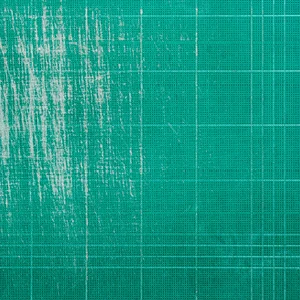
Never attempt to cut a panel that is not fully supported. Place your EcoScapes panel on a sacrificial surface—such as a piece of rigid foam insulation or a clean, flat workbench. Use heavy-duty clamps to secure the panel to the table. Vibration is the enemy of a clean cut; if the material moves even slightly, the resulting edge will appear jagged and uneven.
Step 3: Executing the Cut
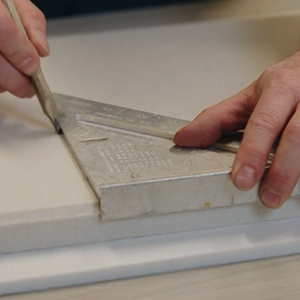
For straight cuts, use a heavy-duty metal straight-edge as a guide. When using a utility knife, do not attempt to cut through the entire thickness of the panel in one pass. Instead, perform a series of "scoring" passes. This technique minimizes resistance and prevents the blade from wandering off the mark. If using power tools, maintain a steady, moderate pace. Pushing too hard creates excessive friction, which can melt the plastic fibers and leave a burnt or hardened edge.
Step 4: Finishing and Edge Refinement
After the cut, you may notice micro-fibers along the edge. These can be easily removed using a fine-grit sanding block or by lightly running a hot-air gun over the edge to "seal" the fibers. This subtle finishing step is what separates a DIY project from a professional architectural installation.
4. Supporting Data: The Physics of Acoustic Performance
Research indicates that the cutting method significantly impacts the longevity of acoustic performance. When panels are cut cleanly, the internal air pockets of the compressed PET remain open. If a dull blade is used, the fibers become crushed, effectively "sealing" the edge and slightly reducing the surface area available for sound absorption. While the difference in a single room might be marginal, in large-scale commercial installations, consistent cutting technique ensures that the acoustic performance remains uniform across the entire wall surface.
5. Common Mistakes and How to Avoid Them
Even experienced installers can fall victim to common pitfalls. Being aware of these will save time and material.
- The "One-Pass" Fallacy: Attempting to cut through 12mm PET in a single stroke often results in the blade snapping or the panel tearing. Always prioritize multiple shallow passes.
- Dull Blades: A dull blade is a dangerous tool. It requires more force, increasing the risk of the tool slipping. Change your utility knife blades every 5–10 feet of cutting.
- Ignoring Expansion: While PET is dimensionally stable, it can react slightly to extreme temperature changes. Always allow panels to acclimate in the installation room for 24 hours before making final cuts.
6. Official Safety Guidelines
EcoScapes panels are engineered with health in mind, but safe work practices are mandatory:
- Respiratory Protection: While the fibers are non-toxic, the fine dust generated by power cutting can cause respiratory irritation. Always wear an N95 mask when using a saw or electric cutter.
- Eye Protection: PET particles are lightweight and can easily become airborne. ANSI-rated safety goggles are required.
- Blade Handling: Always cut away from your body. Because PET requires firm pressure, a slip can cause severe injury.
7. Implications for Modern Interior Design
The adoption of EcoScapes and similar PET technologies is shifting the paradigm of office and residential design. No longer are we forced to choose between the industrial look of metal baffles or the dusty, allergy-prone nature of traditional fabric-wrapped acoustic foam.
The implications of easy-to-cut, high-performance acoustic materials are vast. We are seeing a move toward "Acoustic Art"—where the wall panels themselves are cut into bespoke shapes, logos, or patterns that contribute to the branding of a workspace. This design flexibility, coupled with the ease of onsite modification, allows for agile construction. Designers can now make last-minute adjustments to accommodate unexpected architectural quirks without needing to return the materials to a factory for custom fabrication.
Looking Ahead: The Future of Acoustic Installations
As sustainability becomes a primary pillar of the construction industry, materials that offer a "cradle-to-cradle" lifecycle—like EcoScapes—will continue to dominate. The ability to field-modify these panels is not just a convenience; it is a critical component of waste reduction. By cutting accurately and minimizing scrap, installers are contributing to a more efficient, sustainable construction cycle that values material conservation as much as acoustic performance.
Conclusion
The installation of EcoScapes Acoustic Panels is a marriage of science and craft. While the material’s performance is built into its chemical structure, its visual and functional success rests in the hands of the installer. By utilizing the correct tools, adhering to a systematic cutting process, and prioritizing safety, you ensure that your installation is not only sound-absorbent but aesthetically impeccable. Whether you are a seasoned professional or a homeowner looking to elevate your listening environment, the path to a professional finish is clear: precision, patience, and the right technique.