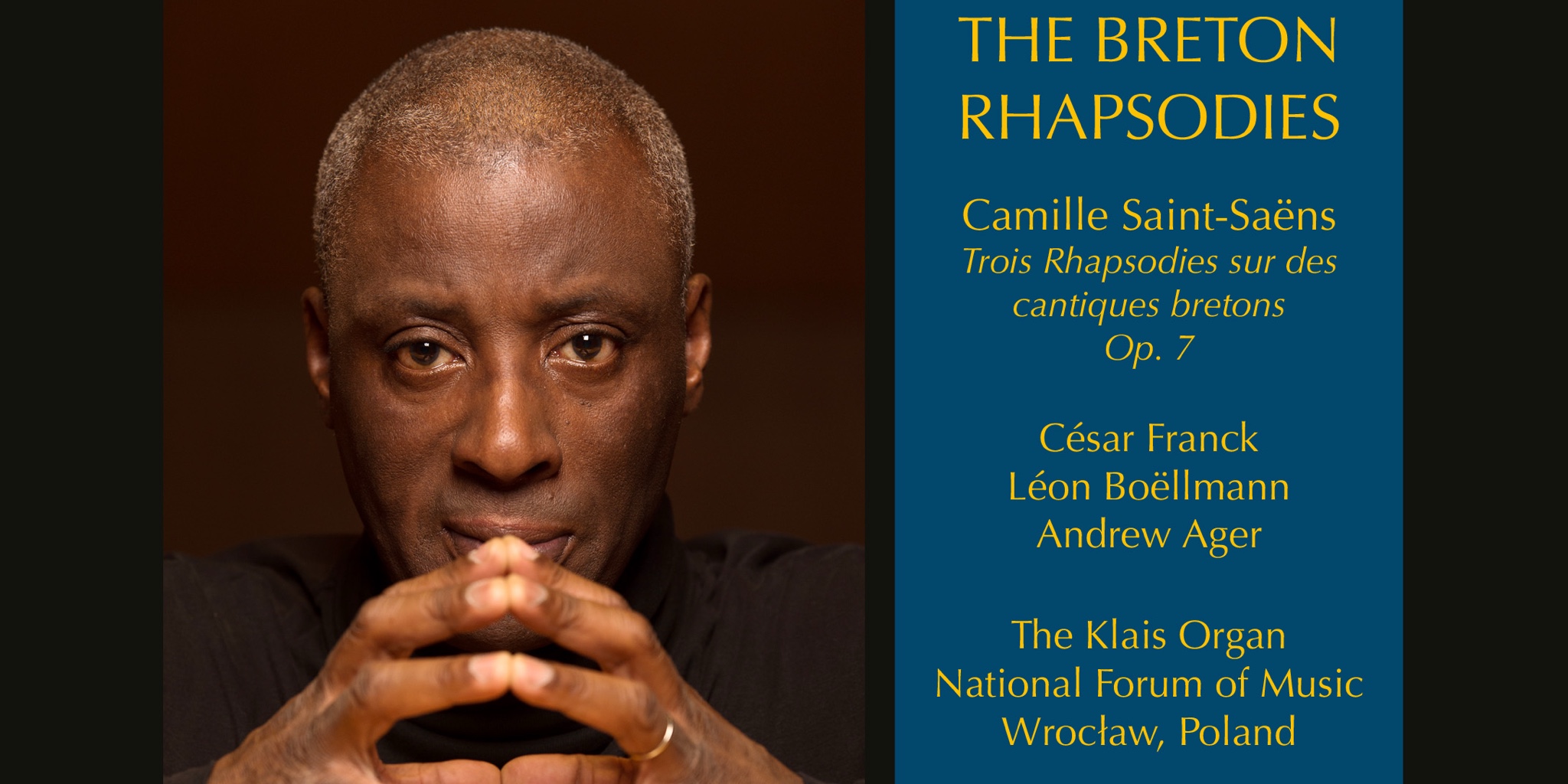
In the rarefied world of audiophile recording, the pursuit of "absolute realism" is often touted but rarely achieved. However, with the release of Wayne Marshall: The Breton Rhapsodies (Base2 Music), listeners are presented with more than just a performance; they are granted access to a temporal and acoustic monument. Recorded in the immediate aftermath of the global pandemic at the National Forum of Music in Wrocław, Poland, this project stands as a testament to technical ambition, artistic endurance, and the limitless potential of high-resolution digital audio.
The Genesis of a Masterpiece: Main Facts
The Breton Rhapsodies is the culmination of a four-year odyssey helmed by producer Jake Purches. At its center is the internationally acclaimed conductor, pianist, and organist Wayne Marshall, a musician whose versatility is matched only by his demanding international touring schedule.
The album’s repertoire is anchored by Camille Saint-Saëns’ Trois Rhapsodies sur des Cantiques Bretons, Op. 7. These works, rooted in traditional Breton folk melodies, serve as the perfect vehicle for Marshall to demonstrate both the technical rigor and the atmospheric color palette of the organ. To round out the program, the selection includes seminal works by César Franck and Léon Boëllmann, alongside a contemporary contribution from Canadian composer Andrew Ager. The result is a curated exploration of the French organ tradition, brought to life through a lens of modern engineering.
A Four-Year Odyssey: The Chronology
The project’s timeline is defined by the logistical complexities of the post-2020 musical landscape. For producer Jake Purches, the challenge was not merely artistic but logistical. Coordinating with a performer of Marshall’s stature required a nomadic production style, with editing sessions and conceptual meetings occurring across various European capitals as touring schedules permitted.
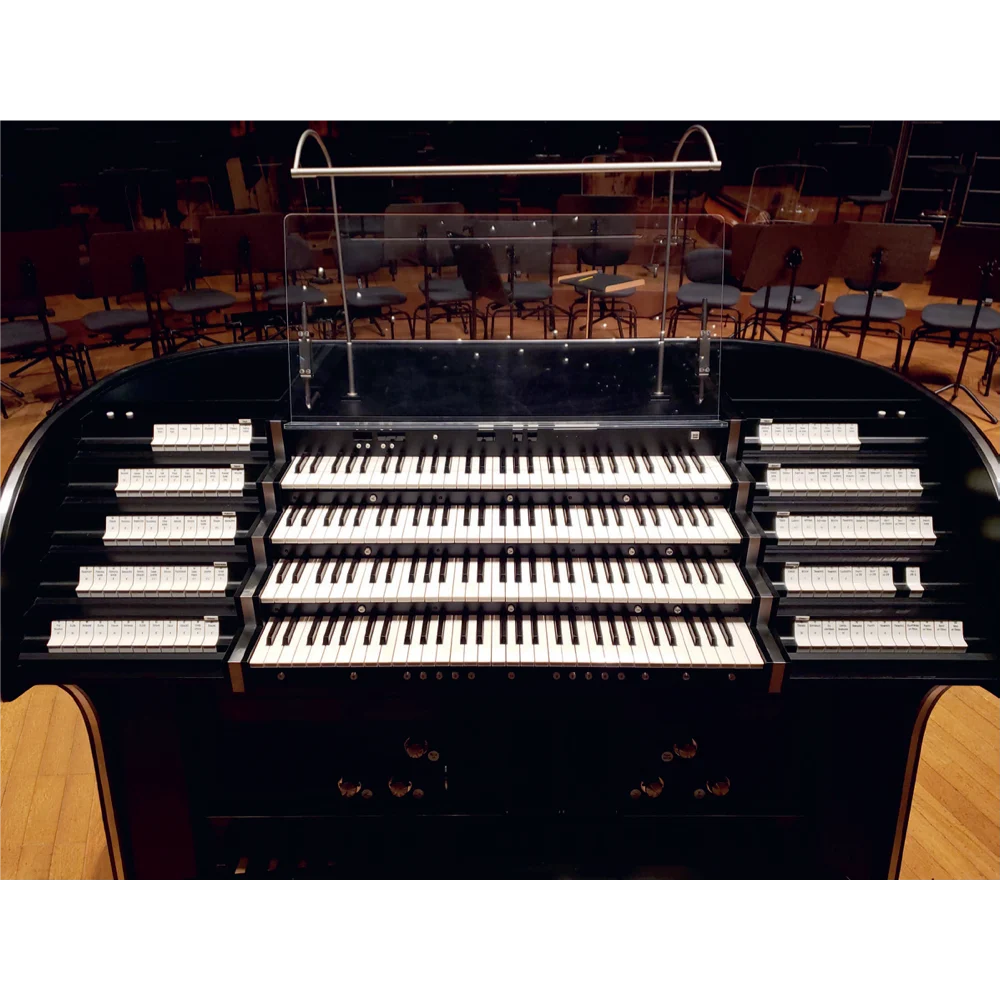
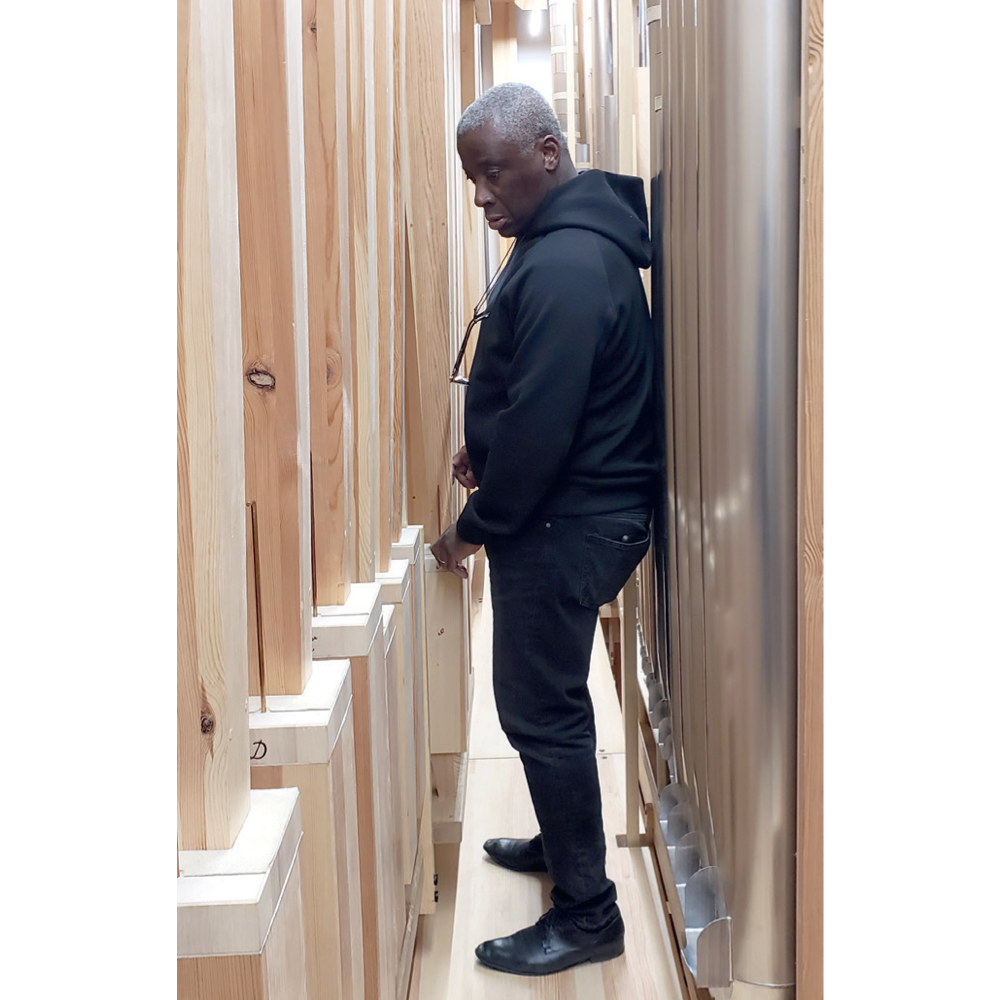
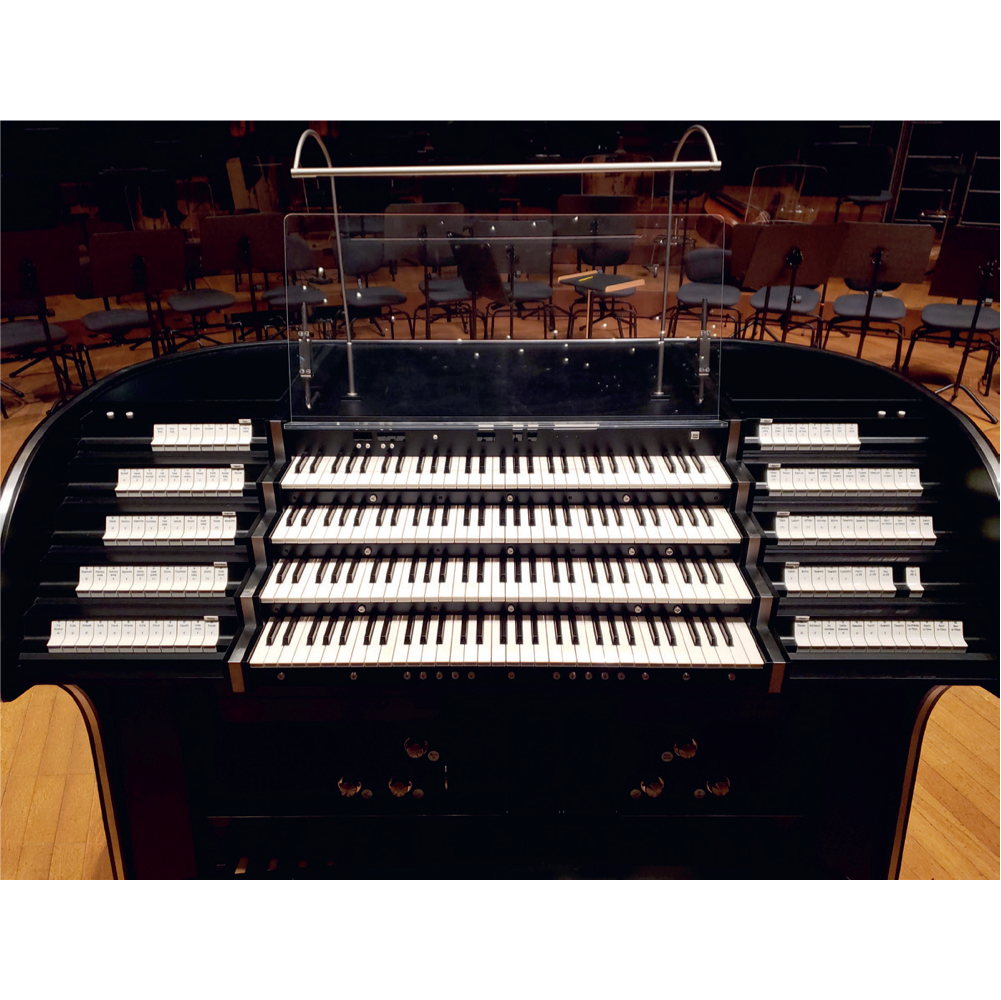
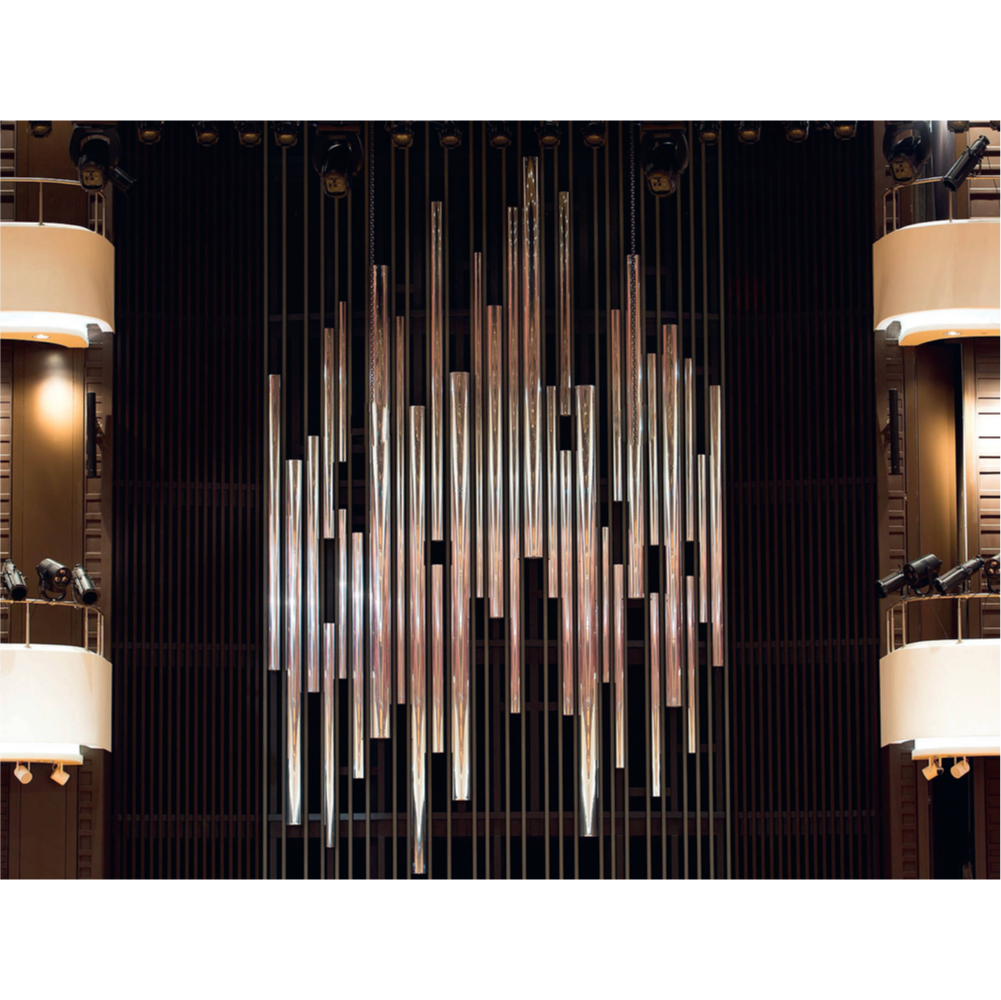
The recording sessions themselves took place in 2022, a time when the world was tentatively reopening. The National Forum of Music (NFM) in Wrocław provided the backdrop. At the time of recording, the hall’s magnificent Klais organ was a mere two years old—a "new" instrument in the context of pipe organ history. Because the instrument was still acclimating to its environment, the production team faced the arduous task of constant, meticulous tuning across both nights of recording. This process ensured that the tonal integrity remained consistent despite the shifting humidity and temperature of the concert hall, effectively "locking" the organ’s character in its prime.
Precision Engineering: Technical Data and Methodology
The production philosophy of Base2 Music has always prioritized the preservation of the raw acoustic event. For this project, the technical specifications are nothing short of industry-leading.
The Signal Chain
The team utilized Sennheiser MKH 8020 microphones, chosen specifically for their expansive frequency response, which stretches from a sub-audible 10 Hz to a staggering 100 kHz. By capturing these ultrasonic and infrasonic frequencies, the team ensured that the harmonic structure of the organ—particularly the visceral, floor-shaking energy of the 32-foot wooden pipes—remained intact.
Resolution and Immersive Depth
The recording was captured at an ultra-high resolution of 354.8 kHz/24-bit using the NFM’s proprietary Merging Technologies system. This massive data footprint allows for a dynamic range that captures the quietest breath of a pipe stop and the absolute roar of the full organ plenum without digital clipping or compression.
The microphone array was designed for a 5.1 surround sound experience that prioritizes spatial accuracy over gimmickry. By combining close-field omni and cardioid captures at the pipework with DPA 4006A flank microphones and rear-facing cardioids, the producers have created a "you-are-there" soundstage. The result is a playback experience where the listener is positioned not in the front row, but in the heart of the acoustic space, feeling the air move as the hall responds to the organ’s voice.
The Producer’s Perspective: Official Response
In a special communique regarding the release, producer Jake Purches highlighted the symbiotic relationship between the artist and the venue. "The challenge was never about the performance—Wayne’s facility with the instrument is absolute," Purches remarked. "The challenge was capturing the soul of a new instrument in a hall that demands perfection. Every stop, every reed, and every pedal note had to be balanced against the natural reverberation time of the NFM. We were not just recording music; we were recording the air inside the building."
Purches emphasized that the surround master includes a dedicated subwoofer channel, specifically designed to handle the 16 Hz fundamental frequencies produced by the largest pipes. "If your playback system can handle the low-end," Purches notes, "you aren’t just hearing the music; you are physically experiencing the architecture of the instrument."
Implications for the Audiophile Community
The release of The Breton Rhapsodies carries significant weight for the high-end audio community. It serves as a rebuttal to the trend of over-compressed, "loudness-war" mastered recordings that have dominated commercial streaming platforms for years.
Setting the Standard
By pushing the boundaries of what is possible with 354.8 kHz/24-bit recording, Base2 Music is setting a new benchmark. The album suggests that for classical and organ music, the future of the medium lies in "Immersive Audio." By utilizing the full 5.1 surround space, the producers have successfully solved one of the oldest problems in organ recording: the loss of scale. Usually, an organ’s immense power is flattened when reduced to a two-channel stereo signal. Here, the depth is maintained, providing a three-dimensional landscape that allows the listener to distinguish the physical location of the pipes.
Preserving a Legacy
Furthermore, the album acts as a vital documentation of the Klais organ at the National Forum of Music. By recording this instrument while it was still in its "settling" phase, the album provides a historical snapshot of the organ’s character. It is an invaluable resource for organists, musicologists, and audiophiles alike, demonstrating how a modern, world-class instrument interacts with a contemporary acoustic environment.
The Artistic Journey: A Musical Summary
The album’s repertoire offers a compelling narrative. The Trois Rhapsodies by Saint-Saëns are characterized by their kaleidoscopic shifts in texture, moving from meditative, hymn-like passages to virtuosic, rhythmic explosions. Marshall’s performance captures this duality with ease, navigating the delicate registration changes required by the Breton canticles.
The inclusion of César Franck brings a sense of structural gravity to the record, while the works of Léon Boëllmann—a master of the late-Romantic French style—add a layer of technical brilliance. The choice of Andrew Ager’s work provides a modern contrast, showing that the organ is not merely a relic of the 19th century but a living, breathing machine capable of articulating contemporary musical language.
Conclusion: A New Benchmark
Wayne Marshall: The Breton Rhapsodies is more than an album; it is a technical and artistic achievement that demands serious attention. It rewards the listener who invests in a high-fidelity system, but it also rewards the casual listener who simply wants to experience the raw, unadulterated power of one of the world’s most complex instruments.
As the industry continues to debate the merits of high-resolution versus standard streaming, projects like this offer a clear path forward: prioritize the source, respect the acoustic space, and never compromise on dynamic range. For those who seek the pinnacle of organ recording, the journey to Wrocław, Poland—via the ears of Wayne Marshall and the lenses of Jake Purches—is an essential experience. This recording stands as a high-water mark for the decade, a marriage of human artistry and digital perfection that will likely remain a reference disc for years to come.