In the ever-evolving landscape of high-resolution audio, the quest for sonic purity often intersects with the profound emotional weight of musical interpretation. Over the past few weeks, a series of remarkable releases—spanning from the rigorous contrapuntal architecture of J.S. Bach to the atmospheric, minimalist landscapes of modern folk—has redefined the standard for digital fidelity. This report examines a curated collection of recent releases, primarily focusing on the Pure DSD256 format, which continues to set the benchmark for transparency and natural acoustic reproduction in the audiophile community.
The Main Facts: A Convergence of Engineering and Artistry
The current wave of releases, spearheaded by labels such as Hunnia Records, Eudora Records, and Soundkeeper, underscores a growing industry commitment to "truth in recording." By eschewing excessive post-processing and artificial studio polish, these engineers and performers are inviting listeners into a space where the technical specs—Pure DSD256, DXD, and 192kHz—serve only to disappear, leaving behind the unadulterated essence of the performance.
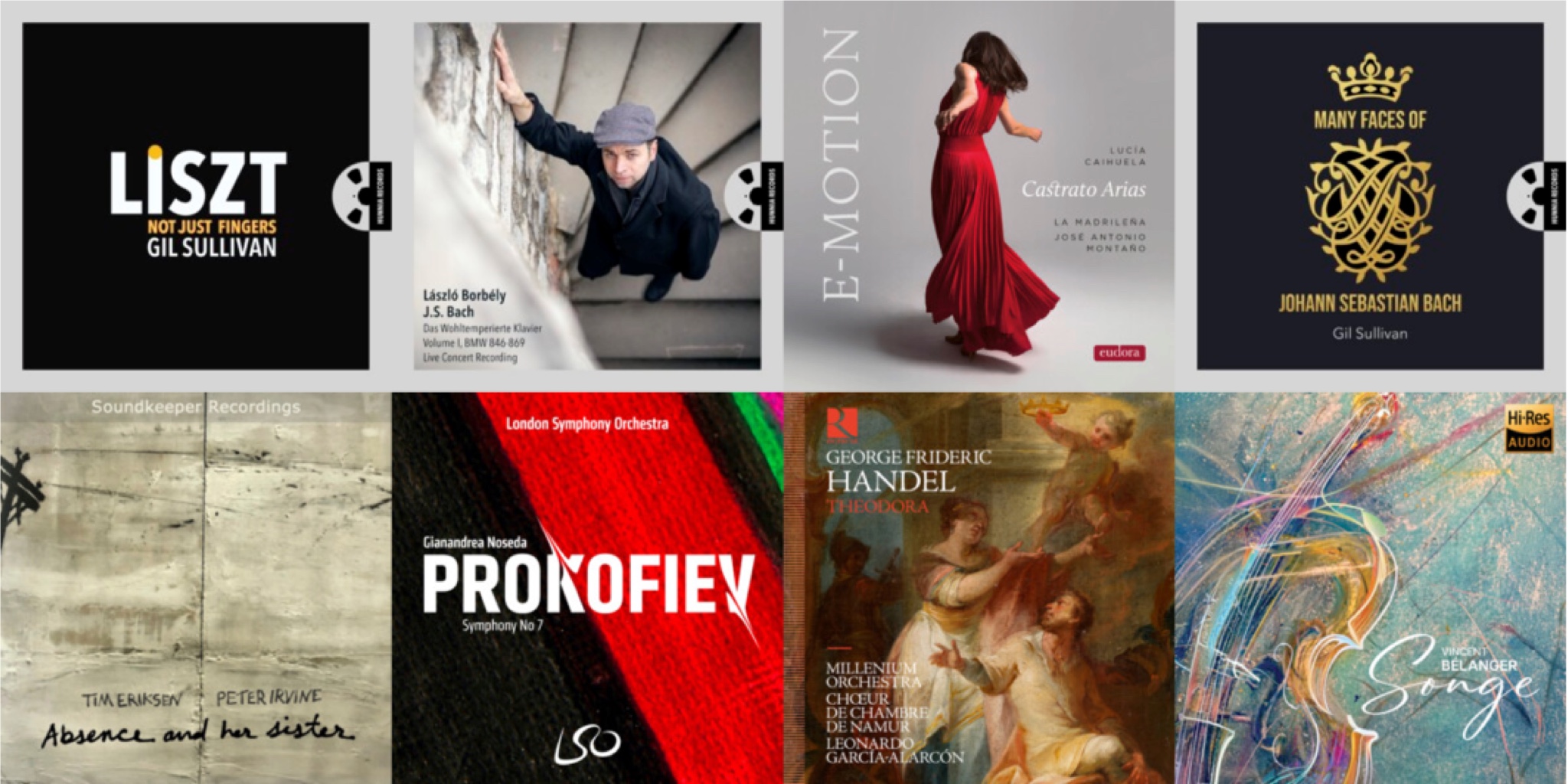
This collection includes:
- László Borbély’s The Well-Tempered Clavier, Vol. I (Hunnia Records).
- Gil Sullivan’s dual-album exploration of Bach and Liszt (Hunnia Records).
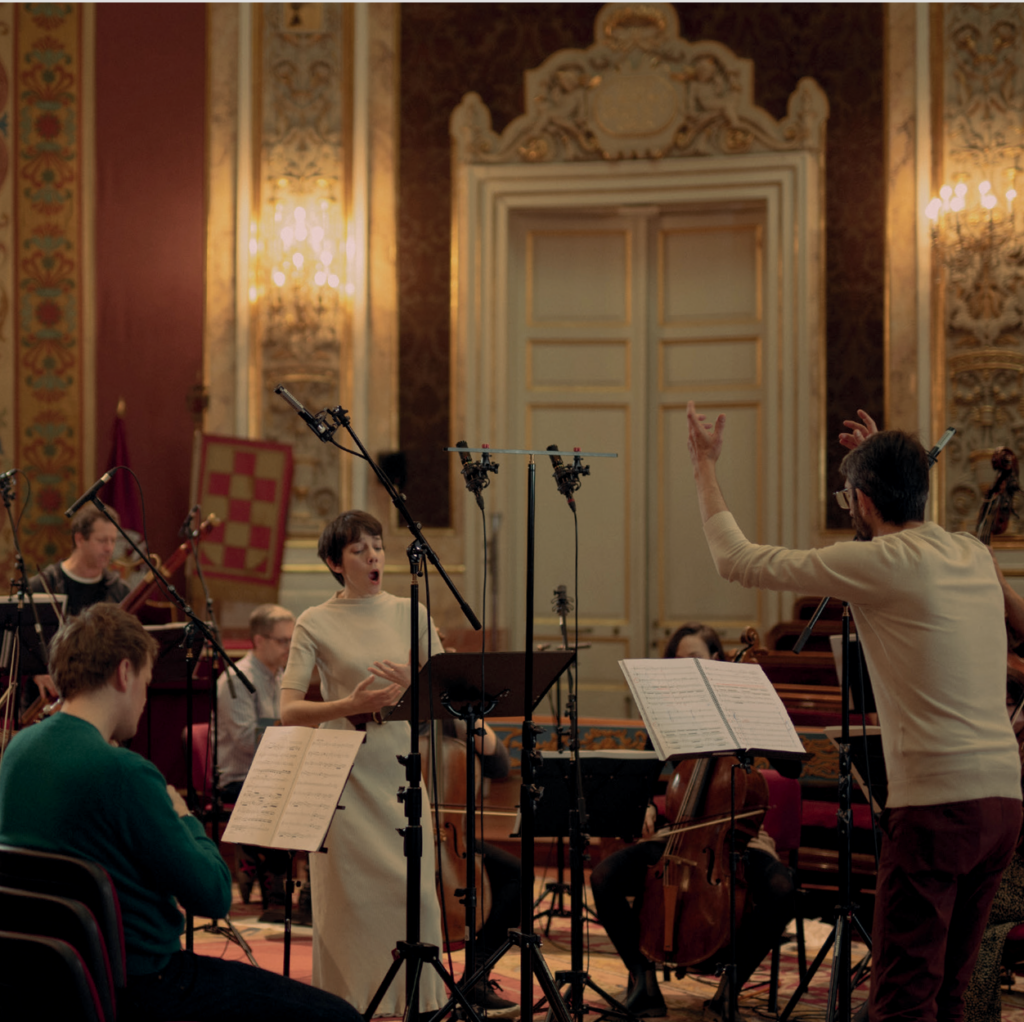
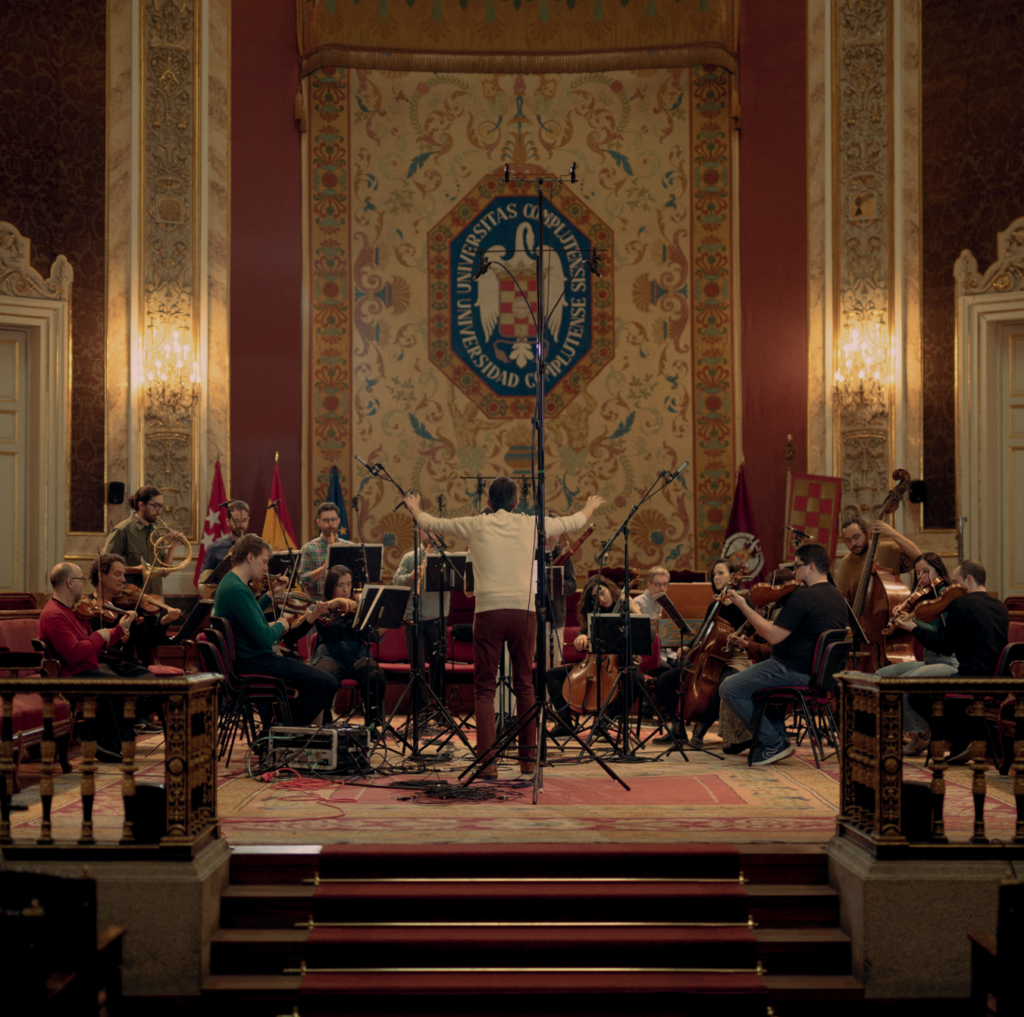
- Lucía Caihuela and La Madrileña’s E-MOTION (Eudora Records).
- Gianandrea Noseda and the LSO’s rendition of Prokofiev’s Symphony No. 7 (LSO Live).
- Leonardo García-Alarcón’s dramatic reading of Handel’s Theodora (Ricercar).
- Vincent Bélanger’s evocative Songe (VBMP).
- Tim Eriksen and Peter Irvine’s Absence and her sister (Soundkeeper Recordings).
Chronology and Musical Analysis: A Deep Dive
The Well-Tempered Clavier: Borbély’s "Musical Breviary"
László Borbély’s recording of Bach’s The Well-Tempered Clavier, Vol. I stands as a testament to lifelong intimacy with a score. Rather than approaching the work as a set of technical exercises, Borbély treats it as a daily conversation. His performance captures an improvisatory quality, reminiscent of jazz phrasing within a classical framework. By balancing horizontal voice-leading with a grand architectural arc, he avoids the sterile precision often found in "Apollonian" interpretations, opting instead for a warm, humanized sonority.

Gil Sullivan: The Many Faces of Bach and Liszt
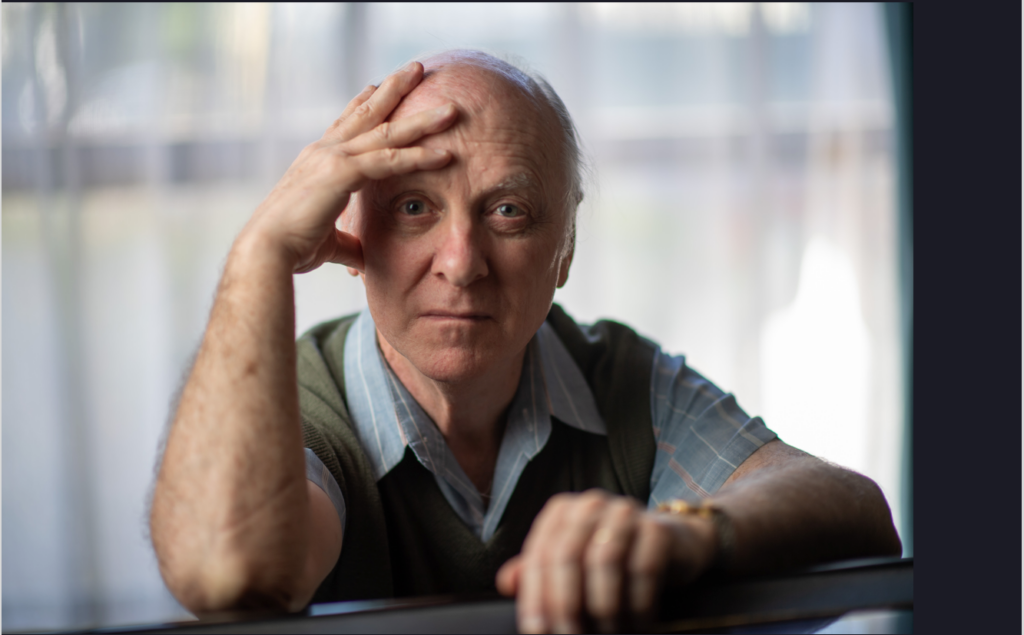
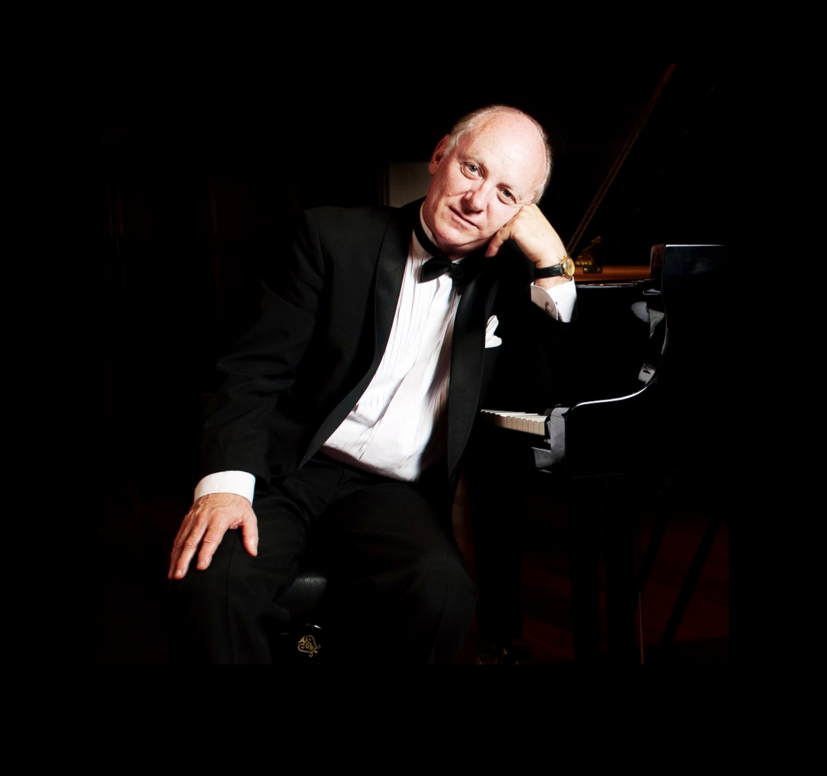
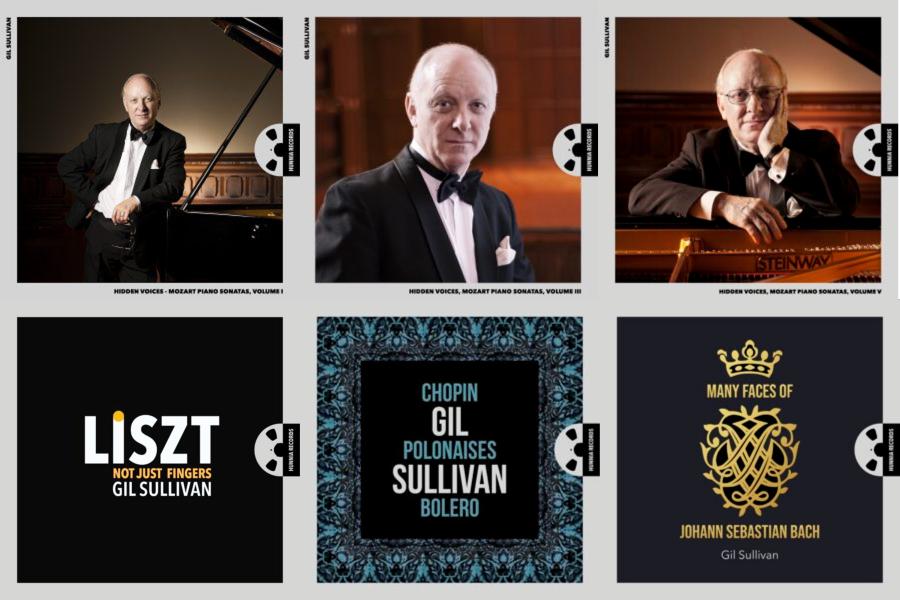
Gil Sullivan continues his productive streak with Hunnia Records, releasing two distinct yet equally compelling albums. His The Many Faces of J.S. Bach is a masterclass in programming, seamlessly moving from Kempff transcriptions to the Italian Concerto.
Simultaneously, his Liszt album, Not Just Fingers, challenges the reductive view of Liszt as merely a virtuoso of speed. By focusing on transcriptions of Schumann, Tchaikovsky, and his own evocative tone poems, Sullivan highlights the lyrical, tender side of the composer. The resonant depth of the Steinway Model D, captured in Pure DSD256, provides a rich, tactile foundation for these performances.
E-MOTION: Baroque Energy and Historical Context
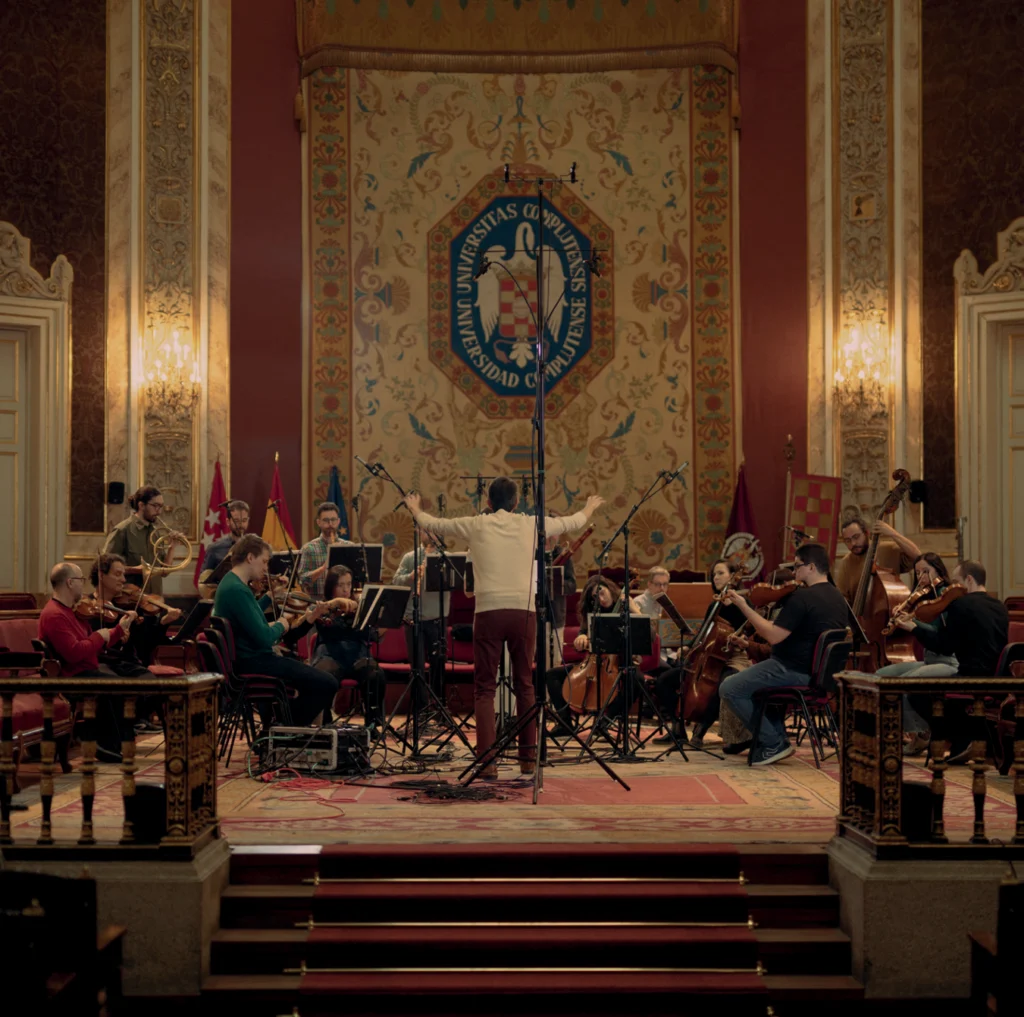
Lucía Caihuela, backed by the ensemble La Madrileña under the baton of José Antonio Montaño, presents E-MOTION. This release is a vibrant exploration of Baroque and early Classical repertoire. What distinguishes this project is the rhythmic alertness and the "animated" quality of the ensemble. Rather than acting as a backing band, the orchestra engages in a genuine dialogue with Caihuela, creating a sense of "emotion in motion" that is both historically informed and vividly immediate.
Noseda’s Prokofiev: The Power of Restraint
Gianandrea Noseda and the London Symphony Orchestra have delivered a definitive modern account of Prokofiev’s Symphony No. 7. In a work often prone to sentimentality, Noseda chooses a path of autumnal restraint. By utilizing the original, quiet ending—which emphasizes existential reflection over triumphalist closure—the LSO achieves a level of emotional gravity that is rare in contemporary recordings.
Handel’s Theodora: A Dramatic Triumph
Leonardo García-Alarcón’s reading of Theodora is a triumph of pacing and vocal intimacy. Long considered one of Handel’s more misunderstood works, Theodora focuses on conscience and faith rather than public spectacle. The Chœur de Chambre de Namur and the Millenium Orchestra provide a transparent, chamber-like texture that allows the soloists—including Sophie Junker as Theodora—to explore the work’s profound emotional interiority without the need for operatic grandstanding.
Supporting Data: Engineering Philosophies
The common thread linking these high-quality releases is the philosophy of "capturing the event."
- The Soundkeeper Method: Barry Diament, the producer behind Absence and her sister, emphasizes "recording without a net." By using minimal miking and zero overdubs, his work with Tim Eriksen and Peter Irvine captures the three-dimensional immediacy of a live performance. It is a rebuke to modern producers who prioritize studio manipulation over the organic interaction between musicians.
- Pure DSD256 and DXD: As seen in the Hunnia and Eudora releases, these high-resolution formats offer a dynamic range that preserves the natural decay of notes and the specific acoustic signatures of the recording venues—be it a concert hall in Madrid or a church in Montreal.
- Acoustic Transparency: Engineers like Gonzalo Noqué (Eudora) are proving that one can achieve clinical resolution without sacrificing the "air" and space around the instruments.
Official Responses and Industry Implications
The critical reception of these releases suggests a paradigm shift in the audiophile market. While digital music was once synonymous with compression and "loudness wars," these labels are proving that a significant demographic of listeners is gravitating toward archival-quality, high-resolution masters.
The success of artists like Vincent Bélanger, who blends classical instrumentation with a contemporary, cinematic approach to soundscapes, suggests that the "audiophile" label is no longer restricted to traditional classical or jazz. When listeners are presented with a work that possesses both an emotional "arch" and top-tier technical fidelity, they respond with increased engagement.
The "Edit Master" Debate
A recurring theme in recent technical discussions is the provenance of the files. As noted by reviewers, while DSD256 is the gold standard, the ultimate quality depends on the "edit master." In cases like Vincent Bélanger’s Songe, where the recording was processed at 96kHz, there remains a healthy debate within the community regarding the benefits of DSD upsampling versus native DSD capture. However, the consensus remains that the transparency of these labels—being open about their recording chains—builds essential trust with the end-user.
Implications for the Future of Music Production
The implications of this current trend are twofold:
- The Renaissance of the "Full Album" Experience: By prioritizing works that demand to be heard in sequence (such as Bélanger’s Songe or the various suites in Sullivan’s Bach recital), these artists are pushing back against the "singles-first" culture of streaming platforms. They are reasserting the importance of the album as a holistic work of art.
- Engineering as an Invisible Art: The best engineering in these releases is, by definition, the least noticed. By removing the "sonic stamp" of the producer, these labels allow the music to stand on its own merits. This is a vital lesson for the broader industry: technical prowess should facilitate the listener’s connection to the performer, not stand between them.
Final Thoughts
Whether it is the haunting, minimalist folk of Tim Eriksen or the complex, contrapuntal rigor of a Bach Partita, the recent crop of high-resolution releases serves as a reminder that the goal of high-fidelity audio is ultimately human connection. As these labels continue to push the boundaries of what is possible in digital capture, they offer not just "nice sounds," but a richer, more profound way to experience the world of music. We strongly recommend that enthusiasts explore these titles, as they represent the pinnacle of current recording craft.