Introduction: A Maestro for the Modern Age
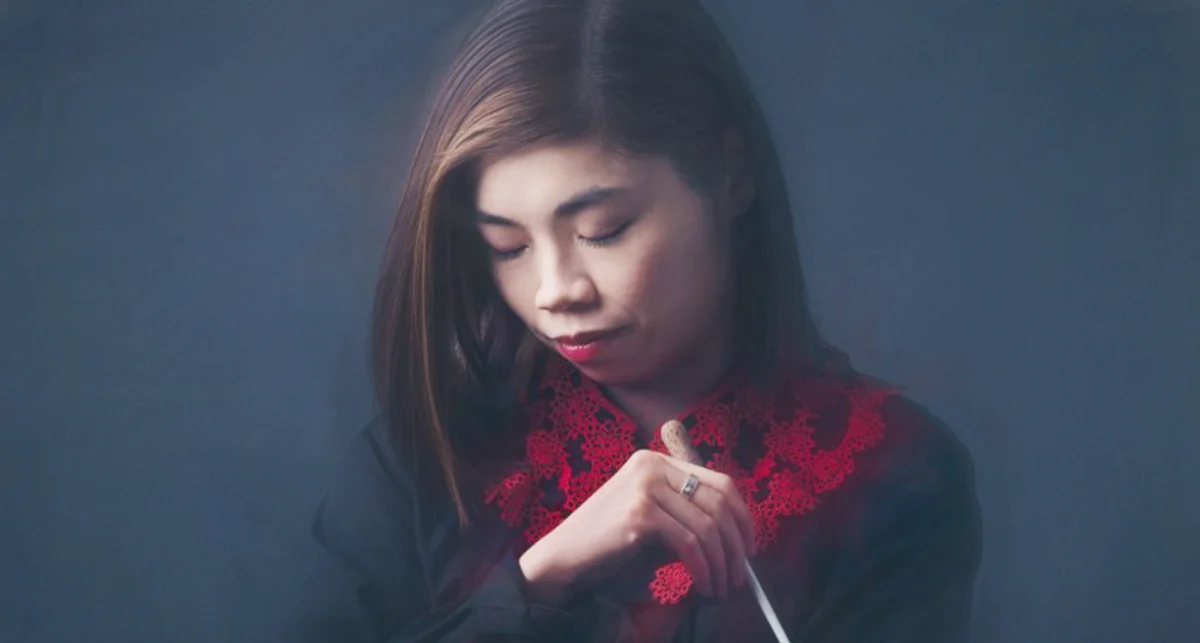
In the high-stakes world of classical music, few appointments generate as much genuine fervor as the naming of a new Music Director. When the San Francisco Symphony announced that Elim Chan would serve as its next Music Director Designate, beginning her full tenure in September 2027, the classical community collectively leaned in. Chan, a conductor whose career has been characterized by a meteoric rise and a distinct, illuminating interpretive style, represents a bridge between the storied traditions of the symphonic canon and the vibrant, evolving landscape of 21st-century composition.
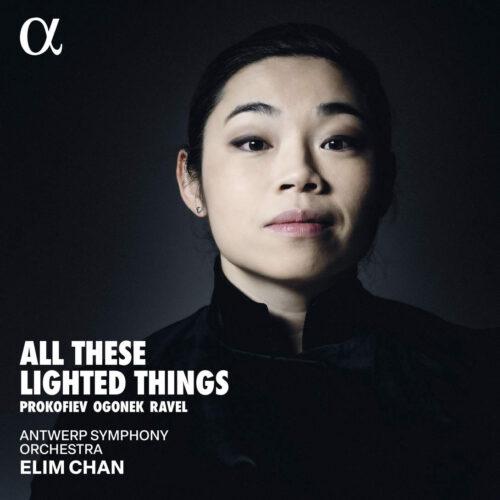
As part of the ongoing "Dodd’s Discoveries" series, we take a deep dive into the artistry of this transformative conductor, examining her recent recorded work and the palpable energy she brings to the podium. For listeners eager to experience her unique vision firsthand, the album All These Lighted Things is currently available at a 40% discount via NativeDSD, offering an accessible entry point into the repertoire of a generational talent.
Chronology: From Conservatory to the Podium
Elim Chan’s journey to the helm of one of America’s most prestigious orchestras is a testament to rigorous training and an innate musicality that transcends the baton. Born in Hong Kong, Chan’s trajectory took her through the hallowed halls of Smith College and the Royal Academy of Music, where she refined her craft under the tutelage of some of the world’s most demanding mentors.
- Early Breakthroughs: Chan’s international profile skyrocketed in 2014 when she became the first female winner of the Donatella Flick Conducting Competition. This victory acted as a catalyst, opening doors to the London Symphony Orchestra and setting a standard of precision and emotional intelligence.
- The Global Stage: Her tenure as Chief Conductor of the Antwerp Symphony Orchestra and her role as Principal Guest Conductor of the Royal Scottish National Orchestra solidified her reputation. She proved herself to be a conductor who favors clarity, rhythmic vitality, and an uncanny ability to draw warm, resonant textures from any ensemble she leads.
- The San Francisco Appointment: The announcement of her appointment as Music Director Designate of the San Francisco Symphony sent waves through the industry. Her first appearance following the news was not merely a performance; it was a coronation of sorts. Attendees described the evening as "rapturous" and "exhilarating." The sheer level of anticipation was such that Chan received a standing ovation before she even raised her hands to begin the first movement.
Supporting Data: The Artistic Vision of All These Lighted Things
The recent release, All These Lighted Things, serves as a perfect microcosm of Chan’s interpretive philosophy. The album is a carefully curated program that balances the heavy hitters of the ballet repertoire with the delicate, crystalline structures of contemporary American composition.
Prokofiev and Ravel: A Fresh Perspective
Chan approaches Prokofiev’s Romeo and Juliet (Suites 1 and 2) and Ravel’s Daphnis et Chloé (Suite 2) with a focus on melodic fluidity. Often, these works are treated as displays of orchestral muscle, but Chan emphasizes the narrative arc. In her hands, the music flows with a grace that is, at times, startling. The lyrical quality she extracts from the woodwinds and the subtle, nuanced dynamics of the strings provide an enchanting listening experience. She treats these "well-known" scores as living documents rather than dusty relics, finding new light in the shadows of Prokofiev’s tragedy and the impressionistic dreamscapes of Ravel.

Elizabeth Ogonek: The Modern Voice
The title track, All These Lighted Things by American composer Elizabeth Ogonek, highlights Chan’s commitment to new music. The work is modern, yet entirely devoid of the "abrasive" qualities that sometimes alienate audiences from contemporary compositions.
- Movement I: A shimmering, delicate opening that sets an ethereal tone.
- Movement II: A deeply lyrical, contemplative passage that showcases Chan’s ability to sustain tension without relying on volume.
- Movement III: A lively, celebratory "dance" that brings the work to a joyous, rhythmic conclusion.
The recording itself is a triumph of high-fidelity engineering, capturing the "glow and dance" of the orchestra with a transparency that invites the listener into the very heart of the concert hall.
Official Responses and Industry Reception
The reaction to Chan’s appointment has been overwhelmingly positive, characterized by a sense of optimism regarding the future of the San Francisco Symphony.
"The level of excitement surrounding Elim Chan is not just about her gender or her age; it is about the sound she produces," notes one industry insider. "She has a way of making an orchestra sound like a chamber ensemble—intimate, responsive, and incredibly alert."
Critics who witnessed her first post-announcement concerts were unanimous in their praise for the "hero’s welcome" she received. The audience, sensing that the orchestra was entering a period of renewed vitality, responded with a warmth that signaled a deep trust in the new leadership. This is a crucial element for any MD: the ability to foster a relationship with the community that extends beyond the subscription season.
Implications: The Future of the San Francisco Symphony
What does the arrival of Elim Chan mean for the broader world of classical music? Her appointment suggests a shift toward a more inclusive, diverse, and forward-thinking institutional model.
1. A Redefinition of the Canon
Chan’s programming suggests she will not be content with the "greatest hits" of the 19th and 20th centuries. By weaving modern works like Ogonek’s into programs featuring standard repertoire, she is creating a dialogue between eras. This ensures that the tradition remains a living, breathing entity.
2. The Sound of the Future
As a conductor who has worked extensively in Europe, Chan brings a sophisticated approach to orchestral color. We can expect the San Francisco Symphony to adopt a more nuanced, transparent, and rhythmically precise sound. Her "flowing, melodic quality" is likely to become the signature of the ensemble as she settles into her role over the next few years.
3. Audience Engagement
The standing ovation prior to her first downbeat is a strong indicator of the "star power" Chan brings to the role. In an era where many orchestras struggle to maintain relevance, having a charismatic leader who can draw crowds through both her technical prowess and her magnetic stage presence is a significant competitive advantage.
Conclusion: A Highly Recommended Discovery
For those who have yet to acquaint themselves with the work of Elim Chan, All These Lighted Things is the ideal starting point. It provides a window into the mind of a conductor who is clearly at the beginning of a legendary career.
As noted by Bill Dodd, Senior Music Reviewer at NativeDSD, the album is a "delight" and a "marvelous" demonstration of what happens when a brilliant conductor meets a world-class orchestra. The current 40% discount provides an excellent opportunity for both seasoned collectors and newcomers to explore this vibrant recording.
Beyond the music, we encourage all listeners to download and read the accompanying digital booklet. It offers a deeper look into Chan’s philosophy and the context of the works performed, enriching the experience and providing a sense of the dedication that informs her artistry.
As we look toward 2027 and the start of her official tenure in San Francisco, one thing is certain: the future of symphonic music is in very capable, and very luminous, hands.
About the Reviewer
Bill Dodd is the Senior Music Reviewer at NativeDSD. Based in the Portland, Oregon area, Bill’s lifelong passion for classical music is informed by a diverse background in broadcasting, photography, and high-fidelity audio. From his early piano lessons—which spanned from the works of J.S. Bach to the jazz-inflected compositions of George Gershwin—to his successful tenure as a radio personality in San Francisco, Bill has maintained a deep, abiding love for the textures and nuances of sound. His listening habits are as eclectic as his career, ranging from the intricacies of Miles Davis and Dave Brubeck to the rock-and-roll dynamism of The Who and Led Zeppelin, all centered around a core of deep, analytical appreciation for the classical tradition.