In the world of high-fidelity audio, the term "mastered" is often treated as the final seal of quality. However, for a select group of audiophiles and music purists, the process of mastering—while essential for commercial distribution—can sometimes act as a filter that obscures the raw, unadulterated intent of the studio session. Today, NativeDSD has taken a bold step toward transparency by releasing the Canada Day Unmastered Editions, a collection featuring the compositions of drummer and bandleader Harris Eisenstadt. By bypassing traditional post-production compression and limiting, these releases offer a rare, "behind-the-curtain" glimpse into the true sonic architecture of one of modern jazz’s most innovative ensembles.
The Case Against the "Loudness War": Why Unmastered?
To understand the significance of this release, one must first distinguish between the two pillars of post-production: mixing and mastering. Mixing is the art of balancing individual instruments to recreate the soundstage of a live performance. Mastering, by contrast, is often driven by the technical limitations of physical media like vinyl or the competitive pressures of the digital marketplace.
Historically, mastering engineers have been tasked with boosting gain and applying peak limiting to ensure that an album sounds "competitive" on streaming platforms or radio. This process, often referred to as "squeezing," reduces the dynamic range—the distance between the quietest and loudest passages of a song. For acoustic jazz, which thrives on subtle textures and dramatic crescendos, this can be detrimental.
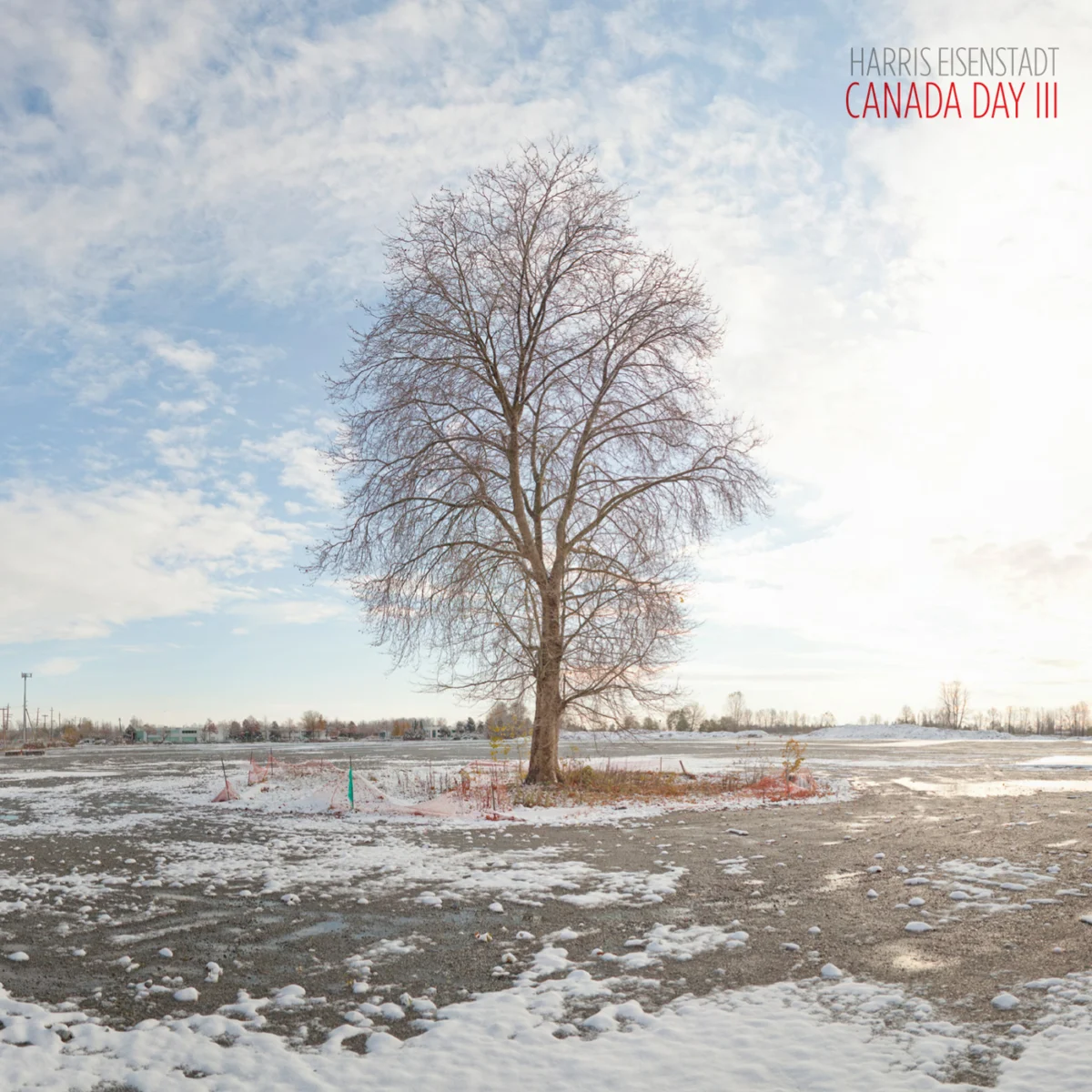
When NativeDSD’s mastering engineer, Tom Caulfield, began reviewing the Canada Day III files from Songlines Recordings, he encountered a significant technical hurdle. The commercial release had been mastered with high gain and peak limiting pushing against 0dB, effectively rendering the files unsuitable for high-rate DSD (Direct Stream Digital) conversion. This discovery prompted a search for the original, unmastered final mixes. Upon locating them, label owner Tony Reif and his team discovered that the unmastered versions possessed significantly wider dynamic range, deeper soundstage imaging, and more accurate instrumental timbres.
A Chronology of Artistic Evolution
The Canada Day series stands as a testament to the growth of Harris Eisenstadt’s quintet. The ensemble—a piano-less configuration featuring trumpet, tenor saxophone, vibraphone, bass, and drums—defies easy categorization, blending 1960s post-bop sensibilities with modern, avant-garde improvisational freedom.
Canada Day II: Finding the Collective Voice
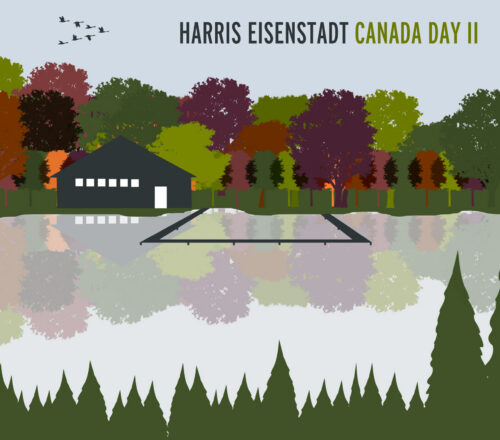
Released in an era when Eisenstadt was sharpening his compositional identity, Canada Day II serves as the foundation for the series. Drawing from his MFA studies in African American music and traditional African percussion, Eisenstadt crafted a sound that feels both intellectually rigorous and physically buoyant. The album captures a moment where the band, having moved beyond mere rehearsal, began to find a "collective voice." Tracks like "To Seventeen" and "To Be" showcase the delicate interplay between Nate Wooley’s experimental trumpet and the rhythmic foundation laid by bassist Eivind Opsvik and vibraphonist Chris Dingman.

Canada Day III: The Modernist Course
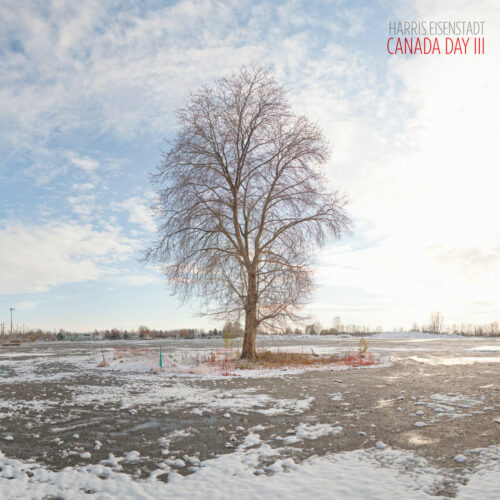
By the time the ensemble entered Water Music Recorders for Canada Day III, the group’s sound had solidified. This edition highlights the band’s ability to pivot between structured, written arrangements and free-spirited improvisation. The introduction of bassist Garth Stevens provided a new anchor for the group, with his harmonics-laden work on "The Magician of Lublin" showcasing a tighter, more propulsive groove. It is here that the benefits of the "unmastered" format become most apparent; the engineering by Sean Kelly captures the decay of vibraphone chords and the subtle air surrounding the cymbals, providing a sonic clarity that the original release simply could not sustain.
Canada Day IV: Into Freer Territory
The final installment in this bundle, Canada Day IV, represents the apex of the project’s maturity. Recorded in 2013, the album documents the ensemble in a state of creative flux. With the addition of bassist Pascal Niggenkemper, the music moves into more open-ended, adventurous territory. Pieces like "After Several Snowstorms" challenge the listener’s expectations, with abrupt shifts and structural ambiguity that mimic the complexities of a real-time conversation. The unmastered edition serves as a historical document of the now-closed Water Music Recorders, preserving the pristine 24/192 resolution of one of the studio’s final jazz sessions.
Technical Data and Audiophile Implications
The NativeDSD Canada Day bundle is not merely a re-release; it is a restoration project. By providing these albums in their original recorded resolution and high-rate DSD, NativeDSD allows listeners to experience:
- Dynamic Range Integrity: Without the "squashing" effect of peak limiters, the natural ebb and flow of the quintet’s performances are preserved.
- Soundstage Depth: The unmastered mixes maintain the original spatial positioning of the musicians, allowing for a more three-dimensional listening experience.
- Timbral Accuracy: The raw, uncompressed files capture the specific nuances of Nate Wooley’s vocalized trumpet techniques and the percussive decay of the vibraphone, which are often lost during the standard mastering process.
This release poses a challenge to the traditional industry model: if consumers have access to high-quality playback systems, is the "commercial" master still necessary? For the audiophile, the answer is a resounding "no."
Official Perspectives: The Artist and the Engineer
Harris Eisenstadt has long been a proponent of the balance between structure and freedom. In a 2011 interview, he noted, "No matter how detailed my scores are, the strength and vibrancy of the music comes from the band finding its collective voice through rehearsals and performances." The unmastered editions arguably bring the listener closer to that "vibrancy" than any previous iteration.
Tony Reif of Songlines Recordings has been instrumental in ensuring that these works are preserved in their most honest form. By collaborating with NativeDSD, he has ensured that the artistic intent of these sessions is not buried under the technical requirements of obsolete physical media. The consensus among the production team is clear: the unmastered versions are the definitive versions of these performances, offering a "truthful" representation of the studio session that was previously confined to the mixing console.
The Legacy of Water Music Recorders
A poignant aspect of this release is the documentation of Water Music Recorders in Hoboken, New Jersey. The facility, which became a legendary hub for creative jazz, has since ceased operations. The Canada Day series represents a significant portion of the studio’s late-period catalog. By releasing these files in their original, high-resolution states, NativeDSD is effectively acting as an archive, ensuring that the acoustic signature of this space—and the performances captured within it—are preserved for future generations of jazz historians and listeners.
Conclusion: A New Standard for Listening
The release of the Canada Day Unmastered Editions serves as a milestone for both the Songlines label and the NativeDSD community. It invites the listener to stop "consuming" music as a commodity and start "experiencing" it as a performance.
For those who value the nuance of a trumpet’s growl, the resonance of a vibraphone mallet, and the interplay of a world-class rhythm section, this bundle is essential. It proves that in the digital age, the most revolutionary thing an audio label can do is to simply get out of the way of the music. As we look toward the future of high-fidelity audio, the Canada Day series will likely be remembered as a turning point—a moment where the listener was finally given the chance to hear what the artist heard in the room, in all its raw, unmastered glory.