Introduction: The Rediscovery of a Symphonic Titan
In the ever-expanding universe of classical music recording catalogs, true gems often remain buried beneath the weight of more commercially dominant repertoire. For classical enthusiasts eager to venture beyond the standard concert hall canon, NativeDSD Senior Music Reviewer Bill Dodd has returned with a compelling new installment of his acclaimed review series, “Dodd’s Discoveries.”
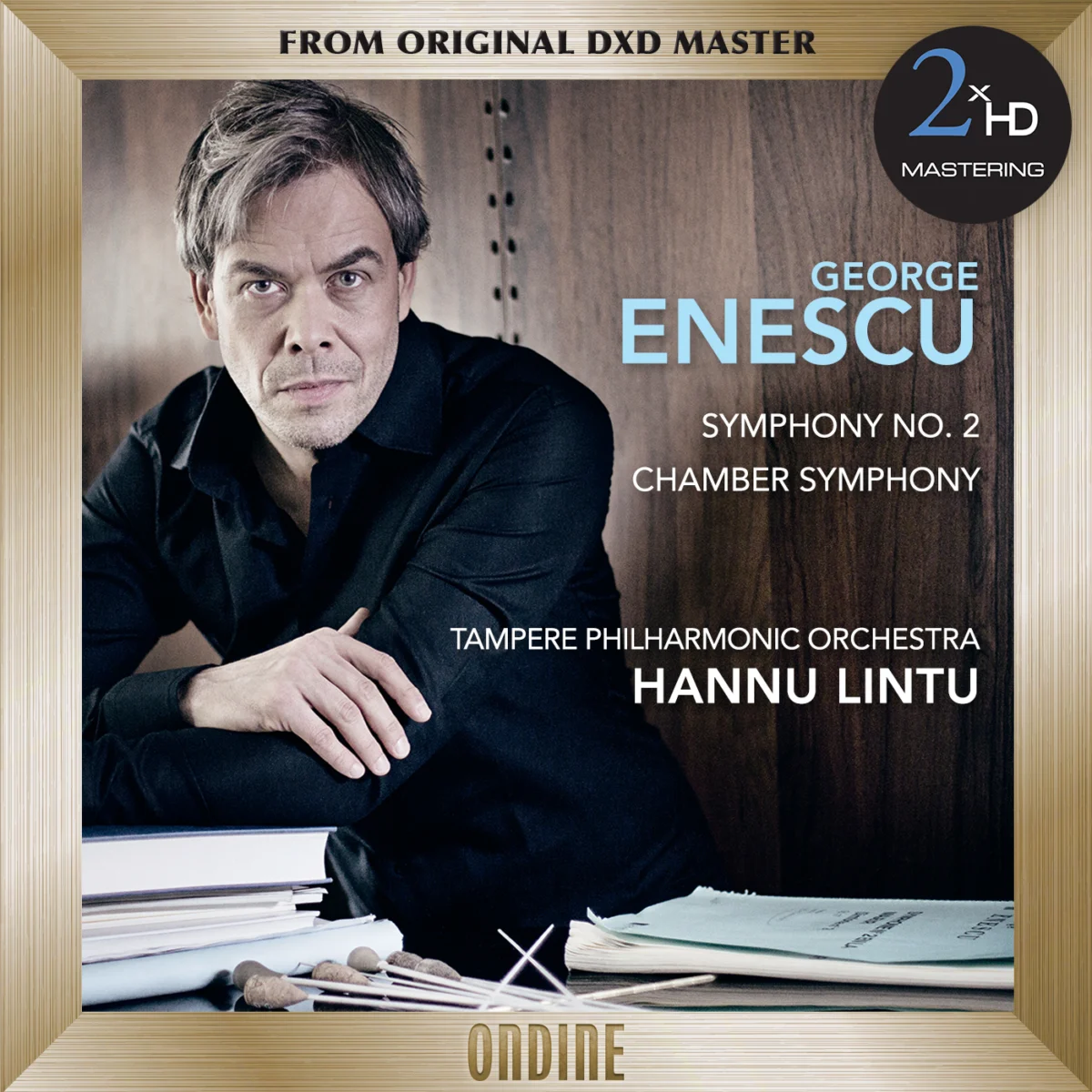
Designed to highlight overlooked or underappreciated masterworks available on the platform, the series comes with a distinct perk for audiophiles and collectors: the featured albums are made available for a limited time at a deeply discounted rate. In his latest feature, Dodd turns his critical lens toward a stellar, high-resolution recording from the NativeDSD catalog featuring conductor Hannu Lintu leading the Tampere Philharmonic Orchestra. The focal point of this rediscovery is a monumental yet rarely performed work: Romanian composer George Enescu’s Symphony No. 2 in A major, Op. 13.
For those willing to look past the composer’s ubiquitous Romanian Rhapsodies, this release offers a profound encounter with a sophisticated symphonic mind—one that bridges the worlds of late-Romantic bravura and early-20th-century modernism, bearing striking spiritual and structural affinities to the works of Gustav Mahler and Richard Strauss.
Main Facts: At a Glance
- Featured Work: George Enescu – Symphony No. 2 in A major, Op. 13 (paired with the 1954 Chamber Symphony, Op. 33).
- Performers: Tampere Philharmonic Orchestra, conducted by Hannu Lintu.
- Curator: Bill Dodd, Senior Music Reviewer at NativeDSD.
- Current Promotion: Featured albums in the "Dodd’s Discoveries" spotlight are currently available at 40% off on the NativeDSD platform.
- Aesthetic Profile: A sprawling orchestral canvas that opens with Strauss-like swagger before shifting into unsettled, Mahlerian harmonic landscapes, characterized by dense string and brass writing, sudden shifts in texture, and biting ironies.
Chronology: Tracing Enescu’s Evolution and the Recording’s Genesis
To fully appreciate the weight of Enescu’s Symphony No. 2, one must trace the trajectory of a musician who was far more than a purveyor of nationalist folklore.
George Enescu (1881–1955): The Serious Modernist
While music history largely remembers George Enescu for his glittering, folk-infused Romanian Rhapsodies Nos. 1 and 2—works that he composed in his early twenties and which quickly became international pops-concert staples—Enescu himself grew frustrated by their overshadowing of his more serious, avant-garde output.
Enescu was a polymath of towering proportions: a virtuoso violinist, a brilliant pianist, an influential teacher (counting Yehudi Menuhin among his pupils), and a prolific composer. His compositional output evolved from the lush Brahmsian romanticism of his youth into a hyper-complex, highly personal idiom defined by microtones, free counterpoint, and shifting tonal centers.
The Composition of Symphony No. 2 (1912–1915)
Enescu composed his Symphony No. 2 during a period of immense global and personal transition. Written between 1912 and 1915—just as the horrors of the First World War were engulfing Europe—the symphony reflects an era of fracture and uncertainty. It was first performed in 1915 in Bucharest, a city caught in the crosshairs of geopolitical upheaval. The score demands immense forces and unwavering stamina from the orchestra, presenting a sprawling architectural challenge that conductors rarely risk programming.
The Companion Piece: Chamber Symphony, Op. 33 (1954)
Complementing the massive Second Symphony on this recording is Enescu’s late Chamber Symphony, completed in 1954, just a year before his death in Paris. Representing the twilight of his career, this work distills the expansive orchestral architecture of his youth into a lean, transparent, and intensely concentrated polyphonic framework. Together, the two works bookend a lifetime of tireless sonic exploration.
Supporting Data & Musical Analysis: The Dodd Perspective
In his analysis, Bill Dodd breaks down why this specific recording deserves a prime spot in any serious classical music library. Beyond the sheer performance metrics, Dodd explores the stylistic intersections that make Enescu’s Second Symphony such a fascinating listening experience.
The Strauss Opening
As Dodd notes, the symphony begins with an unmistakable surge of late-Romantic adrenaline. For the first minute or two, the listener is enveloped in a brilliant, heroic soundworld that feels akin to Richard Strauss’s tone poems. “I wouldn’t be surprised to see Don Juan stride into the picture,” Dodd remarks, pointing to the muscular orchestration, soaring lines, and unbridled confidence that mark the movement’s onset.
The Mahlerian Turn
However, this Straussian swagger quickly gives way to something far more unsettled and psychologically complex. Enescu pivots into a territory that evokes Gustav Mahler. This is not a matter of direct imitation, but rather of shared emotional DNA:
- Massed Forces: A colossal orchestra deploying heavy brass and dense, shimmering string textures.
- Textural Contrast: Sudden, breathtaking shifts from transparent, chamber-like intimacy to overwhelming full-orchestral weight.
- Harmonic Ambiguity: Wandering, unstable harmonies and long, searching melodic lines that refuse to settle into comfortable resolutions.
Rhythmic Irony and the Third Movement
The third movement introduces a distinct change of pace, marrying driving, aggressive rhythms with seductive, dance-like qualities. Amidst the unfolding structural drama, sharp-eared listeners are treated to moments of dark humor—most notably, as Dodd points out, the inclusion of "snide trombones" that slither through the texture, undercutting any potential for unearned sentimentality.
Resolution and Resolution in Chaos
Much like Mahler’s symphonies, which constantly negotiate the friction between triumphant affirmation and paralyzing anxiety, Enescu’s final movement grapples with clarity versus chaos. The symphony resolves not with simple jubilation, but through a hard-won emotional synthesis that bears the unmistakable stamp of Enescu’s unique voice.
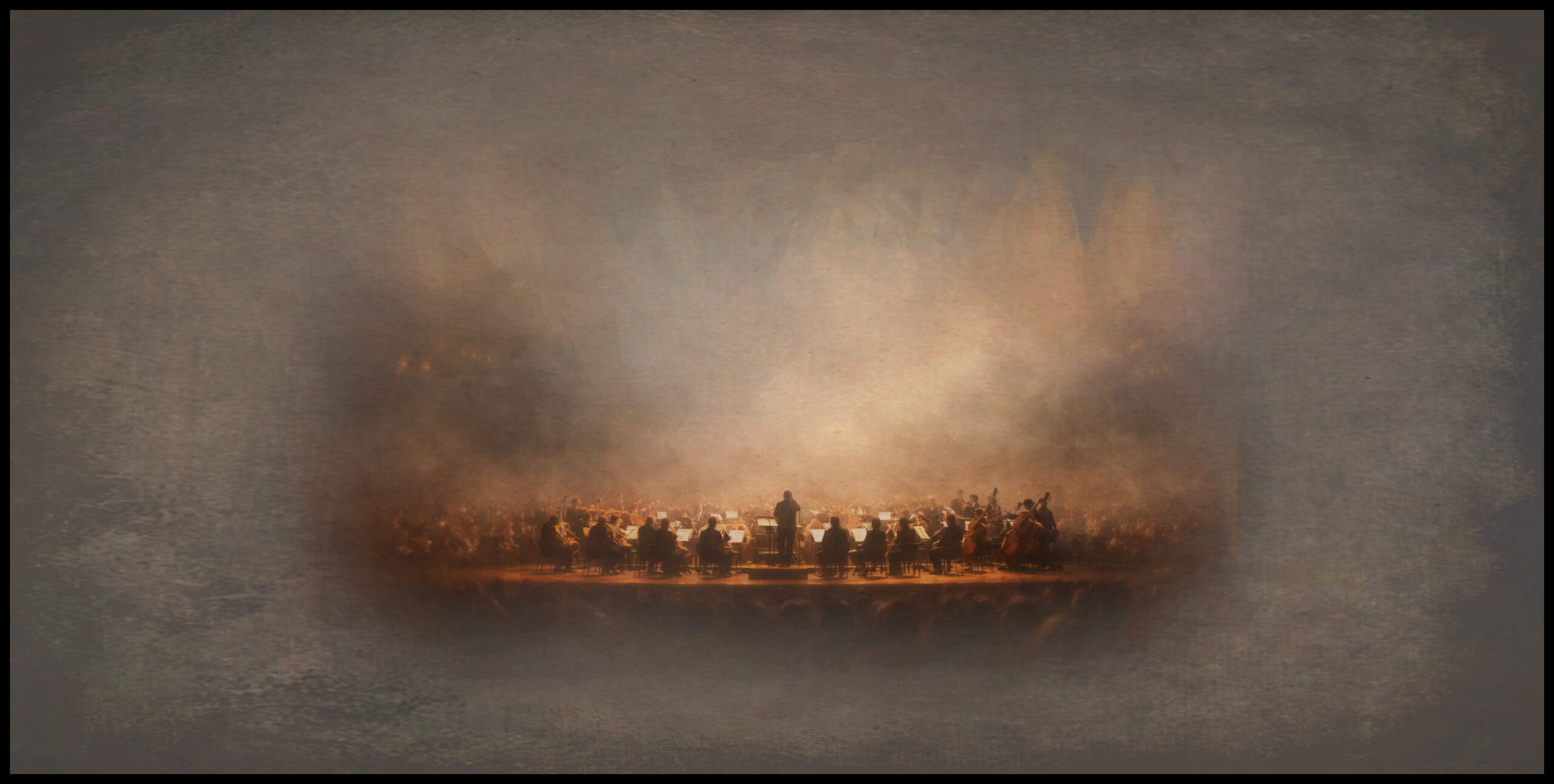
Official Responses and Curatorial Insights
The release of this high-resolution recording under the "Dodd’s Discoveries" banner brings renewed attention to the collaborative synergy between conductor Hannu Lintu, the Tampere Philharmonic Orchestra, and NativeDSD’s commitment to audiophile-grade sound reproduction.
Hannu Lintu and the Tampere Philharmonic
Finnish conductor Hannu Lintu, renowned for his fearless championing of 20th-century and contemporary masterworks, extracts a visceral, high-definition performance from the Tampere Philharmonic. Rather than treating Enescu’s dense polyphony as an impenetrable wall of sound, Lintu emphasizes clarity of line without sacrificing the raw, overwhelming power required by the score.
Bill Dodd on the Listening Experience
Reflecting on his role as Senior Music Reviewer, Dodd emphasizes that discovery in classical music is not merely about finding obscure names, but about confronting works that challenge preconceived notions of the repertoire.
"This is not imitation Mahler," Dodd stresses in his review. "But if you like Mahler, this is strong, involving symphonic art that will surprise you. And the recording quality is superb."
By pairing insightful musicological observation with accessibility, Dodd bridges the gap between academic appreciation and visceral listening pleasure.
Implications: Why This Release Matters for Classical Audiophiles
The spotlighting of Enescu’s Symphony No. 2 carries broader implications for the classical music ecosystem, particularly in the digital age of high-resolution audio.
1. Expanding Beyond the Canon
Audiences often suffer from "repertoire fatigue," cycling endlessly through the same handful of Beethoven, Brahms, and Mahler cycles. Releases championed by "Dodd’s Discoveries" prove that the late-Romantic and early-modern eras hold vast, unmined territories of equal artistic merit. By directing listeners toward Enescu, NativeDSD encourages a richer, more diverse engagement with orchestral history.
2. The Audiophile Advantage
Enescu’s dense orchestration—characterized by simultaneous counterpoint, massive brass chorales, and delicate string filigrees—poses an ultimate test for audio engineering. Standard compressed streaming formats often turn complex late-Romantic scores into a congested blur. Because NativeDSD specializes in Direct Stream Digital (DSD) and high-resolution Pulse Code Modulation (PCM) transfers, listeners can experience the dynamic range and spatial depth of the Tampere Philharmonic’s performance exactly as the engineers and artists intended.
3. A Curated Pathway to Discovery
In an era of infinite algorithmic playlists, human curation is more valuable than ever. Bill Dodd’s deep background in broadcasting, high-fidelity audio, and lifelong classical immersion brings a trusted voice to the discovery process. By coupling critical endorsement with a 40% discount, NativeDSD lowers the barrier to entry, inviting hesitant listeners to take a chance on an unfamiliar masterpiece.
About the Reviewer: Bill Dodd
For those exploring "Dodd’s Discoveries" for the first time, Bill Dodd brings a remarkably diverse background to his role as NativeDSD Senior Music Reviewer. Residing in the Portland, Oregon area, Dodd’s lifelong passion for high-fidelity audio and classical music began in childhood. Trained in piano from the age of nine—starting with Bach and extending to Gershwin—he also sang in choral groups throughout high school and college.
Interestingly, Dodd’s professional broadcasting career began in popular music—achieving success as a morning radio personality in San Francisco at just 22 years old—yet his private listening habits have remained anchored in classical music, alongside jazz legends like Miles Davis and Dave Brubeck, and classic rock icons such as The Who and Led Zeppelin. This eclectic sonic palette informs his reviews, allowing him to analyze orchestral structures with technical precision while appreciating the raw, visceral energy inherent in great performances.
Conclusion: Take the Journey
For listeners looking to expand their musical horizons beyond the familiar staples of the concert hall, George Enescu’s Symphony No. 2 offers a thrilling, emotionally charged journey into the unknown. Backed by Hannu Lintu, the Tampere Philharmonic, and the insightful advocacy of Bill Dodd, this release stands as a triumph of rediscovery.
Head over to the NativeDSD platform to explore the current edition of “Dodd’s Discoveries,” take advantage of the limited-time 40% discount, and experience a late-Romantic masterpiece that just might redefine your understanding of early-20th-century symphonic art.