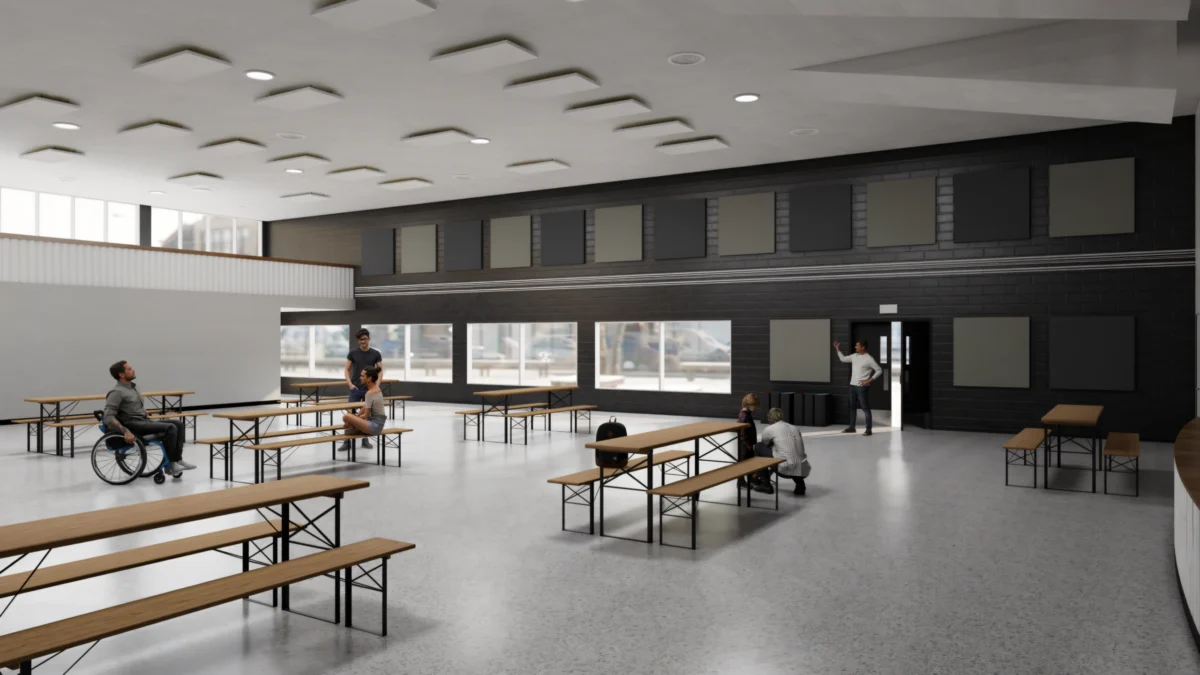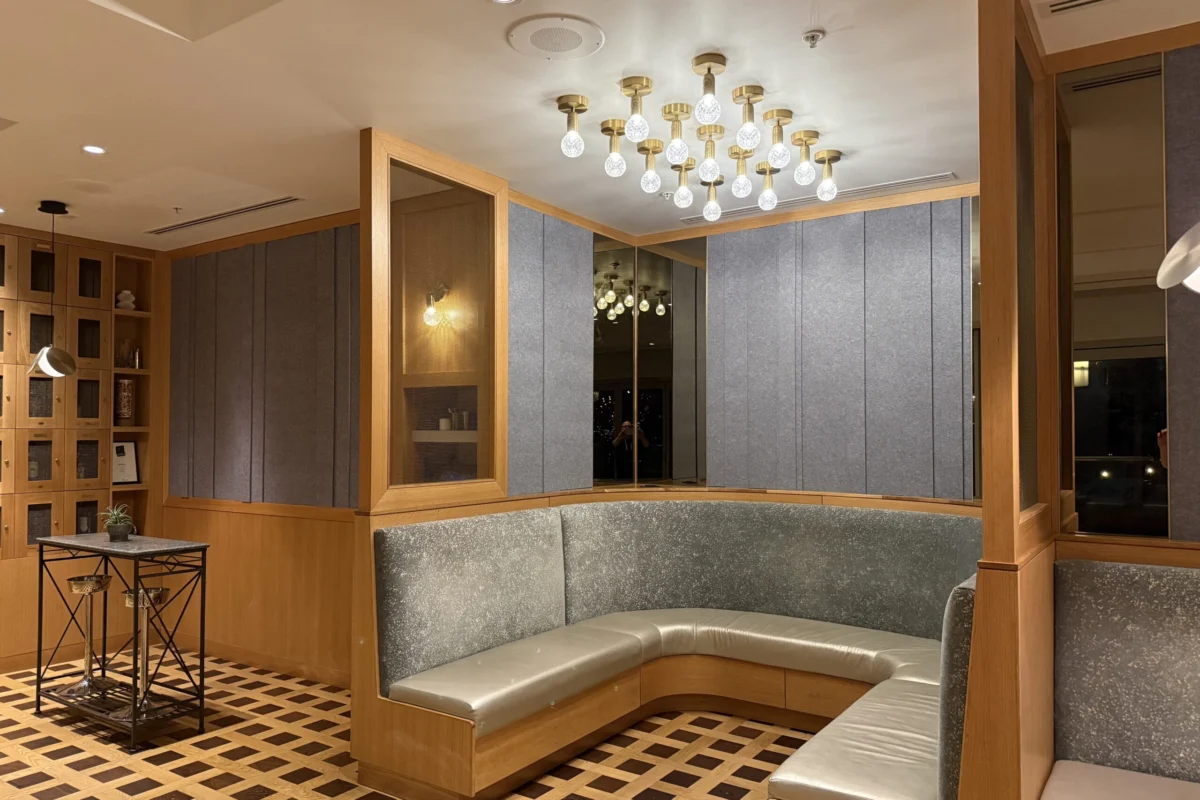
In the contemporary architectural landscape, the traditional boundaries between form and function are dissolving. Today’s premier commercial and institutional spaces demand more than mere structural integrity; they require an environment that prioritizes human experience. As functionality, aesthetics, and sustainability become inextricably linked, the industry is witnessing a paradigm shift: acoustic control is moving from an afterthought to a foundational pillar of design.
For architects, interior designers, and systems integrators, the challenge lies in creating environments that are as quiet as they are beautiful. This requires a move away from "piecemeal" sound management toward a holistic, system-level approach—a philosophy championed by industry leaders like Primacoustic through their evolving EcoScapes PET acoustic treatment system and the bespoke Waypoint Colour Collection.
The Evolution of Acoustic Integration: A Chronology of Change
The history of interior design has often viewed acoustics as a remedial necessity rather than a design opportunity. Historically, sound control was limited to heavy, industrial-looking baffles that were hidden above drop ceilings or tucked behind fabric screens.

- The Early Era (1980s–2000s): Acoustic treatment was largely functional. Materials were heavy, cumbersome, and rarely considered part of the building’s visual identity.
- The Shift toward WELL and LEED (2010s): As sustainability certifications like LEED and wellness-focused standards like WELL gained prominence, the industry began to demand materials that were not only effective but also low-VOC, recyclable, and aesthetically integrated.
- The Modern Era (2020–Present): The rise of open-plan offices, hybrid collaboration hubs, and multi-use facilities has created a complex sonic environment. The industry has reached a tipping point where acoustic treatments must now be modular, customizable, and capable of serving as architectural art.
This chronological progression reflects a broader industry movement: the realization that if acoustics are not baked into the initial design phase, the "human cost"—decreased productivity, increased stress, and poor speech intelligibility—becomes an unavoidable liability.
The Limitations of Conventional, "One-Size-Fits-All" Approaches
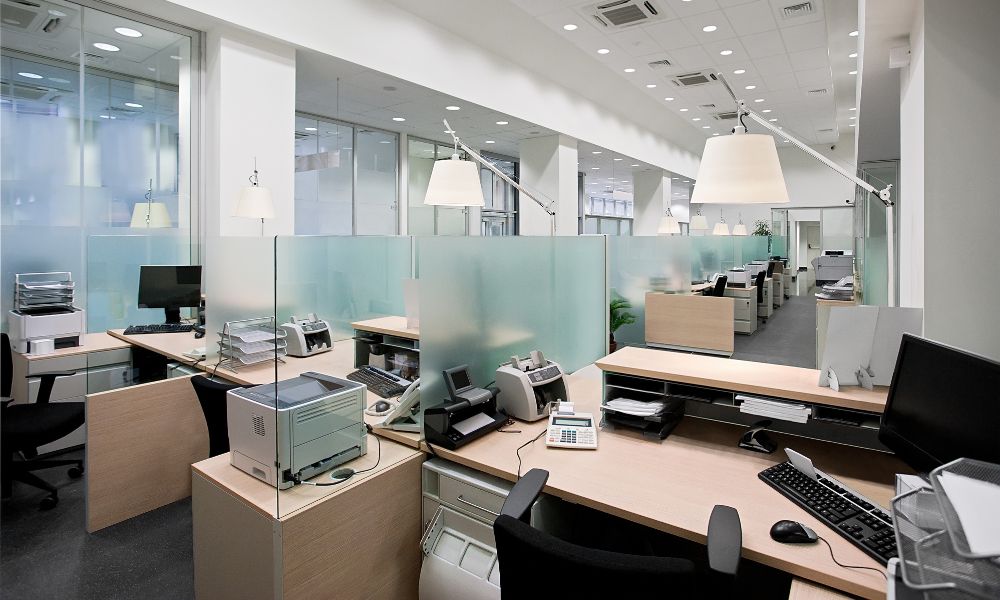
The reliance on standardized, limited-format acoustic panels has long been a frustration for design professionals. A singular product approach fails to account for the unique acoustic signature of a space. Modern architecture, characterized by glass, concrete, and steel, creates a "billiard ball" effect for sound waves, where noise reflects aggressively off hard surfaces.
When designers attempt to mitigate this with "one-size-fits-all" solutions, they often run into three primary failures:

- Sonic Inconsistency: Standardized panels rarely address the full frequency spectrum, leaving low-end "muddiness" or high-frequency "flutter echoes" untouched.
- Visual Disharmony: A product that is not designed to blend with the room’s specific geometry often looks like an invasive add-on, ruining the architect’s intended aesthetic.
- Scalability Deficits: As offices shift from meeting rooms to open collaborative zones, the acoustic requirements evolve. Static, rigid products cannot adapt to these lifecycle changes in a building’s usage.
The System-Level Advantage: Flexibility as the New Standard
To overcome these hurdles, the industry is moving toward modular "families" of products. The Primacoustic EcoScapes system exemplifies this shift, providing a suite of sustainably sourced PET (polyethylene terephthalate) solutions that can be scaled, carved, and colored to suit the specific personality of a space.
Why Modular Systems Matter
Modern architecture thrives on versatility. A lobby that functions as a quiet coworking space by day may become a vibrant networking event space by night. A system-level approach allows for the deployment of a unified aesthetic across different surfaces—walls, ceilings, and even structural columns—ensuring that the acoustic performance is as dynamic as the building’s usage.
By utilizing high-performance materials like PET, which is derived from recycled plastics, architects can now achieve LEED and WELL points while simultaneously solving complex noise issues. This is not merely about dampening sound; it is about "sculpting" the sonic environment to enhance wellness and focus.
Supporting Data: The ROI of Acoustic Comfort
Research consistently demonstrates that acoustic control is a direct driver of business performance. According to studies on workplace productivity:
- Speech Intelligibility: In open-plan environments, background noise is the primary cause of distraction. Properly treated rooms can improve speech intelligibility by up to 30%, significantly reducing the cognitive load on employees.
- The Wellness Factor: High ambient noise levels increase cortisol (the stress hormone). Integrating acoustic panels into ceiling and wall designs has been shown to lower heart rates and improve self-reported satisfaction scores in office environments.
- Sustainability Metrics: The adoption of PET-based solutions like EcoScapes contributes to "Circular Economy" goals. Because these materials are lightweight and easy to transport, their carbon footprint is lower than traditional mineral wool or fiberglass counterparts, further supporting green building initiatives.
Official Perspectives: The Philosophy of Design-Forward Acoustics
Leading acoustic engineers and designers emphasize that the "best" treatment is the one that disappears into the architecture. "We are moving into an era of invisible performance," notes a representative from Primacoustic. "Architects no longer want to see ‘acoustic panels’ on a wall. They want to see art, texture, and structural features that just happen to absorb sound."
This sentiment is echoed in the industry’s adoption of the Waypoint Colour Collection. By allowing designers to match panels to brand colors or specific architectural palettes, the acoustic system becomes a tool for brand identity. Whether it is a corporate headquarters requiring a professional, monochromatic look or a creative agency looking for bold, artistic statements, the ability to customize the finish is no longer a luxury—it is a requirement.

Implications for Future Construction and Retrofitting
The shift toward modular, high-aesthetic acoustic systems has profound implications for how buildings will be managed over the next several decades.
1. The "Living" Space
As buildings become more adaptive, acoustic systems must be "retrofittable." Using systems like EcoScapes, facility managers can add or rearrange acoustic elements as the furniture layout changes. This eliminates the need for expensive structural renovations when a space is repurposed.
2. Ceiling and Wall Integration
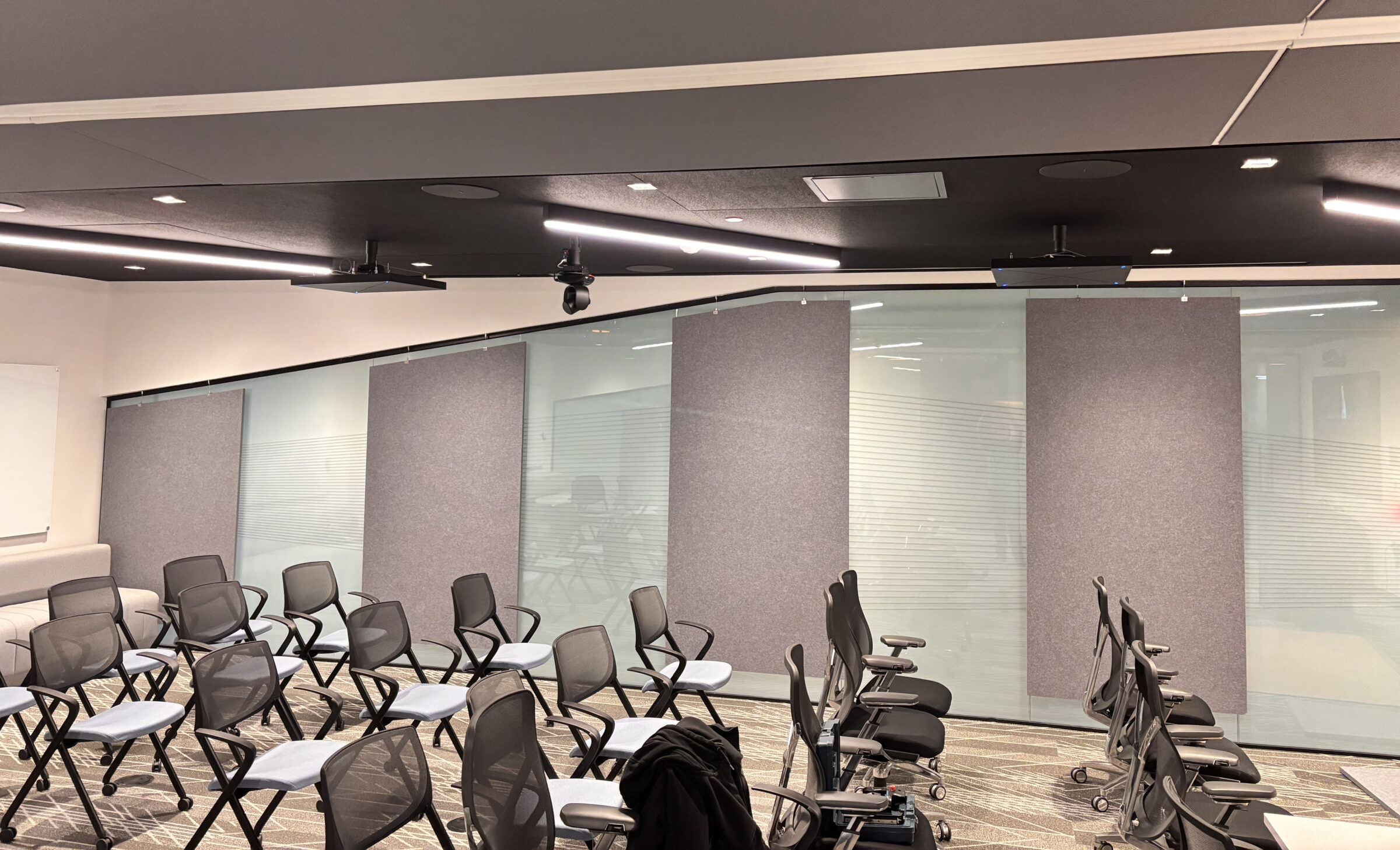
The most significant trend is the move toward "360-degree" control. Applying treatments to walls alone is rarely sufficient. By integrating ceiling baffles, suspended clouds, and wall-mounted art, designers can create a "cocoon" of acoustic comfort. This is particularly critical in buildings with exposed beams and high ceilings, where traditional drop ceilings are being discarded in favor of raw, industrial aesthetics.
3. Sustainability and Lifecycle
The longevity of a building now includes its environmental impact. Designers are increasingly opting for PET solutions that can be easily removed, recycled, or reconfigured. This lifecycle management is becoming a standard inquiry in the procurement phase of major construction projects.
Conclusion: Crafting the Soundscapes of Tomorrow
The era of choosing between a beautiful space and a quiet one is over. Through the strategic use of modular, system-level acoustic treatments, architects and designers are creating environments that support both the psychological well-being of occupants and the aesthetic vision of the project.
Whether it is the sustainability of recycled PET, the visual versatility of custom-colored panels, or the flexibility of modular mounting systems, the tools for acoustic excellence are more accessible than ever. As we look to the future, the defining characteristic of a "signature space" will not just be its visual impact, but the way it makes people feel—and hear. By starting the conversation about sound at the sketch phase, professionals can ensure that form, function, and acoustic excellence finally speak the same language.

Additional Resources for Professionals:
- Designing with Sound in Mind: Why Acoustics Should Start at the Sketch
- How to Cut EcoScapes Acoustic Panels Cleanly: Tools and Techniques
- Explore the Full EcoScapes Catalog