By Adrian Wu
Dmitri Shostakovich’s Symphony No. 11 in G Minor, Op. 103, "The Year 1905" stands as one of the most evocative and psychologically complex works in the 20th-century orchestral canon. A sonic tapestry documenting the bloodshed and societal upheaval of the Russian Revolution’s prelude, the symphony is a harrowing examination of power, tragedy, and the indomitable human spirit.
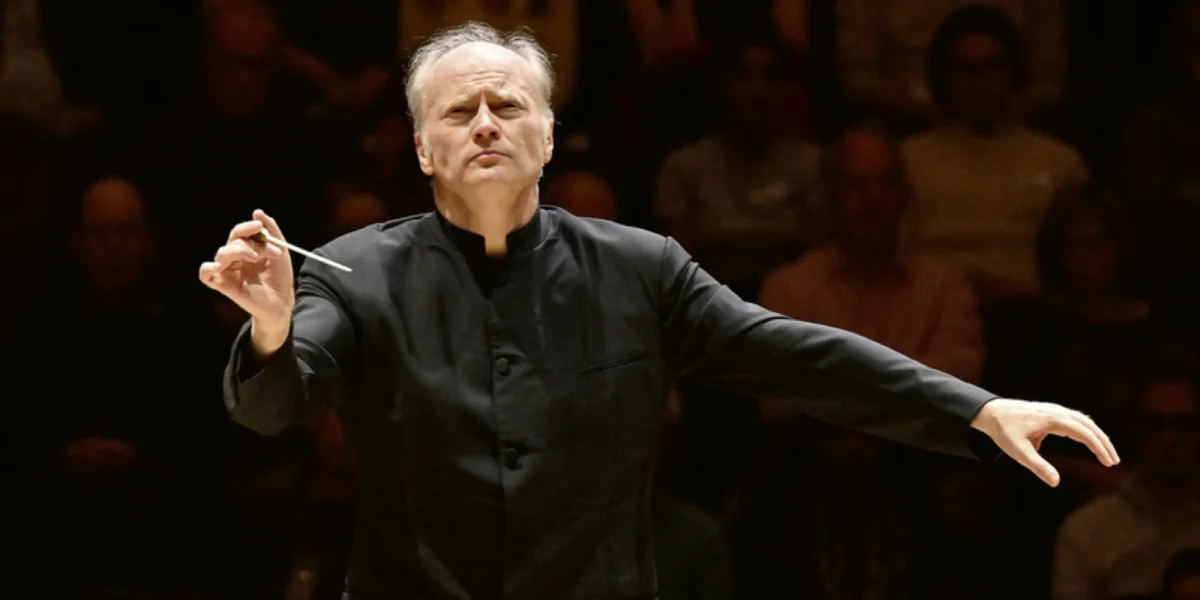
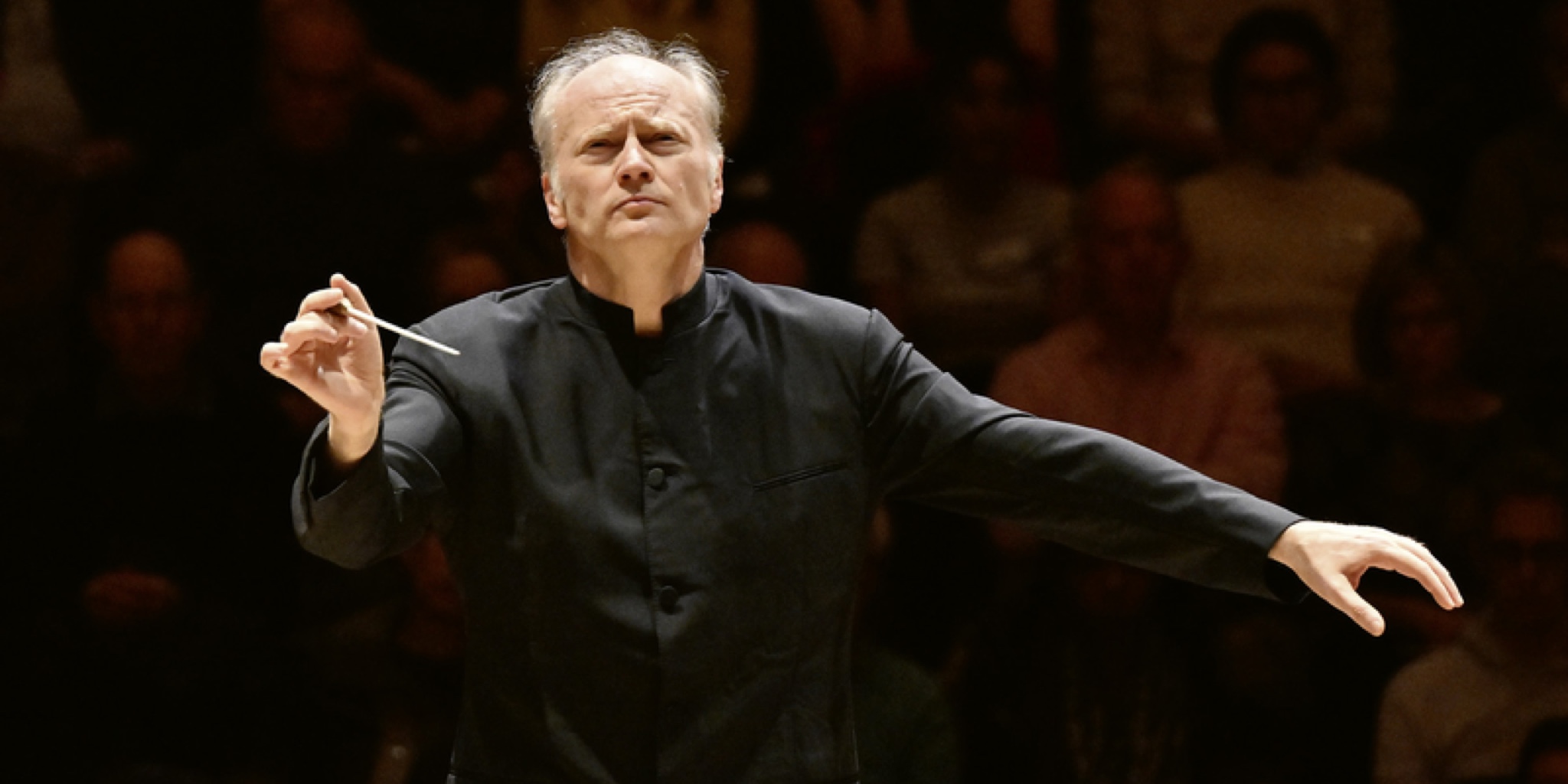
Recently, the London Symphony Orchestra (LSO), under the incisive baton of Gianandrea Noseda, released a live recording of this monumental work in DSD128 format via the LSO Live label. This release invites a critical reappraisal of the symphony, juxtaposing modern high-resolution digital engineering against the legacy of analog traditions.
The Historical Context: Music as Subversive Narrative
To engage with Shostakovich is to engage with the shadow of the Soviet state. Writing under the omnipresent threat of political persecution, Shostakovich mastered the art of the "double-speak" in music. His compositions often functioned as coded messages, appearing superficially compliant with the aesthetic demands of the Soviet regime while harboring deep, subversive undercurrents of grief and defiance.
Symphony No. 11 was composed in 1957 to mark the 40th anniversary of the October Revolution. While it garnered the Lenin Prize and immediate state approval, Western critics of the era were quick to dismiss the work as mere "Soviet propaganda" or a cinematic score lacking in intellectual rigor. However, history has vindicated Shostakovich. We now recognize that the composer was writing from a place of profound trauma—a survivor of Stalinist purges who, unlike his contemporary Sergei Prokofiev, lived to translate the collective agony of the Russian people into sound.
The symphony depicts the events of January 9, 1905—"Bloody Sunday." It was on this day that citizens of St. Petersburg gathered before the Winter Palace to petition the Tsar for relief from systemic corruption and state incompetence. The response was a massacre; imperial troops fired into the peaceful crowd, killing hundreds. This tragedy served as the catalyst for the revolution that would eventually dismantle the Tsarist regime, and Shostakovich captures the sequence of these events with terrifying precision.
Chronology of a Masterpiece: From Bournemouth to the Barbican
For decades, the benchmark for this work was the 1980 EMI recording featuring the Bournemouth Symphony Orchestra, conducted by Paavo Berglund. For many audiophiles, that performance remains a cornerstone of the collection. It was a recording that pushed the limits of the LP format, capturing the raw, visceral intensity of the music.
The Evolution of the Performance
Comparing the 1980 Berglund recording to the 2022 LSO Live recording reveals a fascinating evolution in orchestral performance practice:
- The 1980 EMI Recording: Characterized by a "raw" aesthetic, the Bournemouth players perform with a sense of precariousness. The performance feels as though it is perpetually on the edge of losing control—a quality that echoes the frantic, desperate energy of Mravinsky’s historic interpretations with the Leningrad Philharmonic.
- The 2022 LSO Live Recording: Recorded at the Barbican Hall, this performance represents the pinnacle of contemporary technical mastery. Under Noseda, the LSO demonstrates a degree of precision and polish that renders the orchestral textures crystalline. Where Berglund is volatile, Noseda is clinical and ominous.
Supporting Data: The DSD Format and Modern Soundscapes
The LSO Live release, captured in DSD256 (and reviewed here in DSD128), provides an acoustic clarity that is simply unattainable through the limitations of the vinyl medium.
Technical Analysis of the Recording
The recording benefits from the high-resolution dynamic range inherent in the DSD format. While the production involved a transition to PCM during the post-production phase, the final output maintains a transparency that allows the listener to peer into the dark, subterranean depths of Shostakovich’s orchestration.
- Atmosphere: The first movement’s sustained, menacing atmosphere is rendered with absolute silence in the background. Unlike the inevitable surface noise or occasional pops of a vintage LP, the digital silence allows the quietest woodwind solos to emerge from the "dark recesses" of the hall with startling presence.
- Dynamic Range: The most impressive feat of this recording is its handling of extreme volume. During the violent percussive passages, the tympani strikes are felt as much as they are heard—possessing an explosiveness, solidity, and fullness that perfectly captures the terror of the 1905 massacre. The strings, even at their most intense, remain free of the shrillness that often plagues high-output recordings.
- Acoustic Nuance: The Barbican acoustic is admittedly drier than the legendary reverberance of Kingsway Hall or Boston’s Symphony Hall. However, this dryness works in favor of the piece’s stark, brutalist architecture, emphasizing the mechanical coldness of the state’s violence.
Official Perspectives and Industry Implications
The LSO Live label has become a masterclass in modern institutional self-sufficiency. By owning their master recordings and distributing them directly, the LSO has managed to generate substantial revenue streams that are shared directly among the orchestra members and their conductors.
The Strategy of LSO Live
This model does more than secure financial stability; it serves as a global ambassador for the orchestra. By capturing high-quality live performances, the LSO is effectively broadening its subscription-based audience to a global digital consumer base. This shift—from the "studio-perfect" environment of the 20th century to the "live-captured" authenticity of the 21st—is a shrewd adaptation to a market that increasingly values the energy of a live performance over the antiseptic perfection of the recording studio.
Implications: The Verdict on Shostakovich Today
Is Noseda’s account superior to the historical standards? That depends on what the listener seeks. If one prefers the rough-hewn, almost amateurish danger of a struggling ensemble fighting to keep its head above water, the Berglund remains a compelling historical document.
However, Noseda brings something arguably more dangerous: total, chilling control. By presenting the symphony with technical perfection, Noseda highlights the cold, calculated nature of the oppression being depicted. The LSO does not just play the notes; they deliver a surgical strike of musical narrative.
Final Assessment
The Noseda/LSO recording of Symphony No. 11 is a triumph of modern audio engineering and symphonic interpretation. It demands a playback system capable of handling extreme dynamic swings—preferably a full-range system with high-sensitivity speakers—and, ideally, neighbors who are either as passionate about music as you are or are away for the day.
While the LP vs. Digital debate has largely been settled in favor of high-resolution digital for its sheer fidelity and lack of mechanical interference, recordings like this remind us that the heart of the matter remains the music itself. Shostakovich’s "Year 1905" remains a necessary, uncomfortable, and profoundly moving mirror held up to the human condition. Noseda and the LSO have ensured that this mirror remains as sharp and unforgiving as it was intended to be.
Recommended for: Audiophiles seeking to test the limits of their systems, historians of the Soviet era, and anyone who appreciates the marriage of technical precision and raw, emotional storytelling.