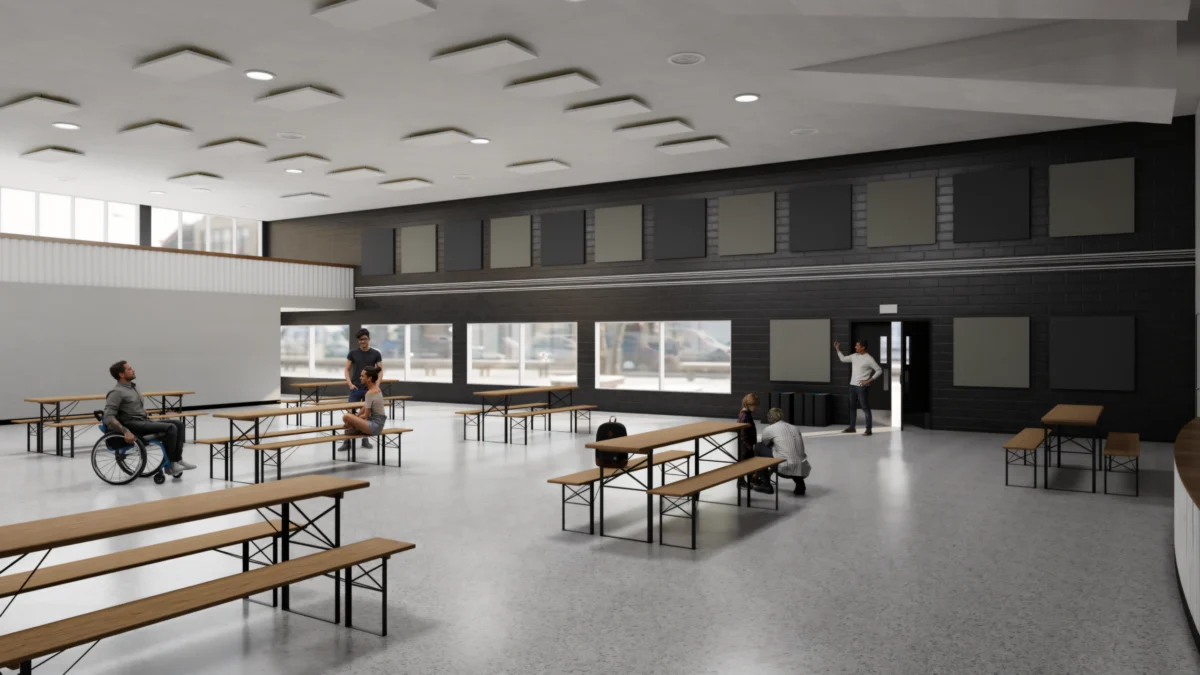
In the contemporary architectural landscape, we are witnessing a shift in priorities. For years, the pursuit of "clean" design—characterized by vast, uninterrupted expanses of glass, polished concrete, and stark drywall—has dominated the aesthetic zeitgeist. While these minimalist environments offer a visual "escape," providing a sense of order in an increasingly chaotic world, they harbor a hidden flaw: they are acoustically hostile.
The perception of a space is rarely determined by its dimensions alone. Much like a musical composition, an interior is an intentional arrangement of elements. It possesses a beat, a tempo, and a harmonic structure. If the visual elements of a room are the melody, then the acoustics are the rhythm. When the rhythm is discordant—plagued by reverberation and echoes—the user’s experience suffers, regardless of how visually stunning the space may be.
The Acoustic Conundrum: The Failure of the Flat Surface
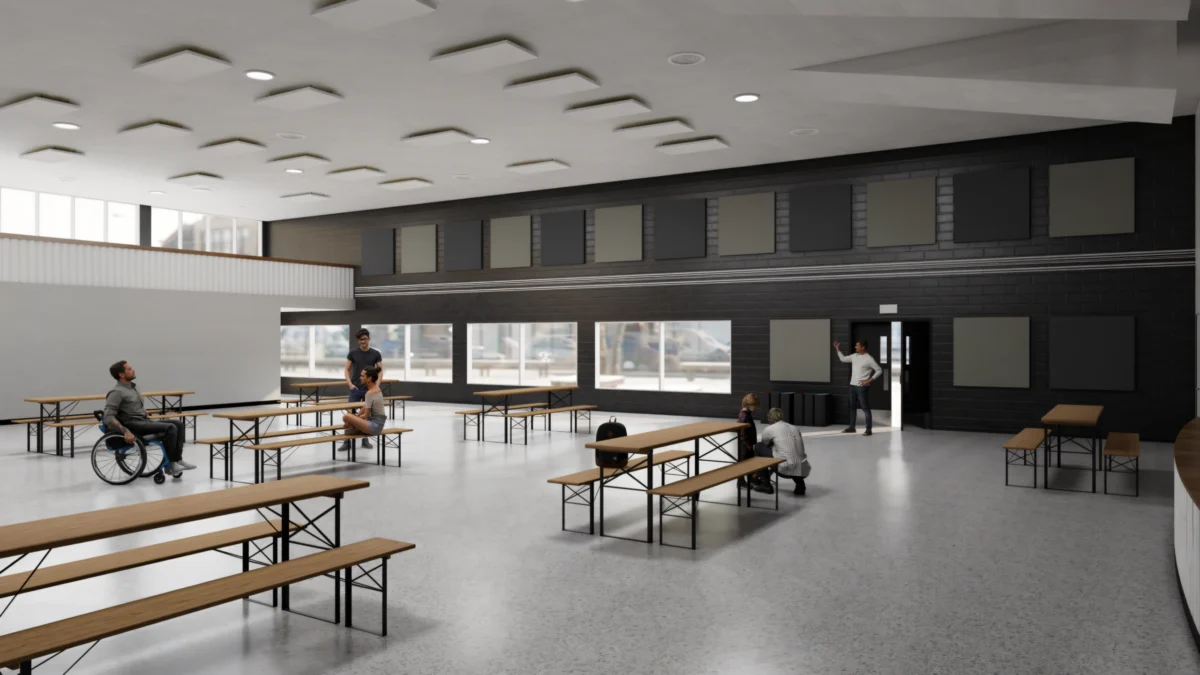
The primary culprit in modern design fatigue is the reflective surface. When sound waves collide with a hard, flat, and non-porous material, they do not dissipate; they bounce back into the room. This phenomenon creates a cumulative effect known as reverberation. In a professional office, a classroom, or a place of worship, this sonic clutter makes speech harder to discern, elevates ambient noise levels, and significantly increases cognitive fatigue.
"Walls are not merely background elements; they are active, dynamic participants in the environmental experience," explains a spokesperson for Primacoustic, the team behind the EcoScapes Contour line. "When we design a room, we are choosing how it will ‘speak’ to those inside it. If we choose materials that prioritize aesthetics at the expense of acoustics, we are effectively designing a space that fights against its own purpose."

Chronology of a Design Shift: From Functional Fixes to Integrated Art
The history of acoustic treatment has long been one of "afterthought." For decades, if a room suffered from poor acoustics, the remedy was to bolt bulky, industrial-looking foam panels onto the walls—a process that often felt like an admission of failure. These panels were intrusive, aesthetically clashing with the architectural intent of the space.
The Evolution of Acoustic Integration
- The Early Era (Pre-2000s): Acoustic treatment was purely utilitarian. It was hidden behind fabric wraps or relegated to drop-ceilings, with little consideration for visual design.
- The Mid-Transition (2000s–2015): As open-plan offices gained popularity, the industry saw an influx of suspended "clouds" and colorful baffles. While effective, they were often viewed as secondary add-ons.
- The Current Paradigm (2016–Present): The rise of PET (polyethylene terephthalate) technology has changed the narrative. By utilizing recycled plastic bottles, manufacturers can now create dense, sound-absorbing panels that can be precision-cut, engraved, and sculpted. This marks the transition from "acoustic treatment" to "acoustic architecture."
Supporting Data: The Science of Surface Texture
The relationship between surface texture and acoustic comfort is backed by the physics of diffusion. A flat wall reflects sound like a mirror reflects light. A textured surface, however, functions as a diffuser. By creating depth, grooves, and complex geometries on a wall surface, sound waves are scattered in multiple directions rather than being reflected as a single, harsh pulse.
Studies in environmental psychology suggest that "sensory fatigue"—the exhaustion resulting from high-stimulus environments—is significantly mitigated in spaces with controlled reverberation. When PET panels are carved with intricate patterns, they perform a dual function:
- Sonic Diffusion: The three-dimensional surface breaks up sound waves, lowering the decibel floor of the room.
- Cognitive Softening: The visual rhythm of the carved patterns provides a point of focus that replaces the visual "static" of plain, empty walls.
The Intersection of PET and Precision Engineering
The breakthrough of the EcoScapes Contour Panels lies in their versatility. PET is a material that behaves like a structural canvas. It is lightweight, durable, and, crucially, can be engraved with high-precision CNC equipment.
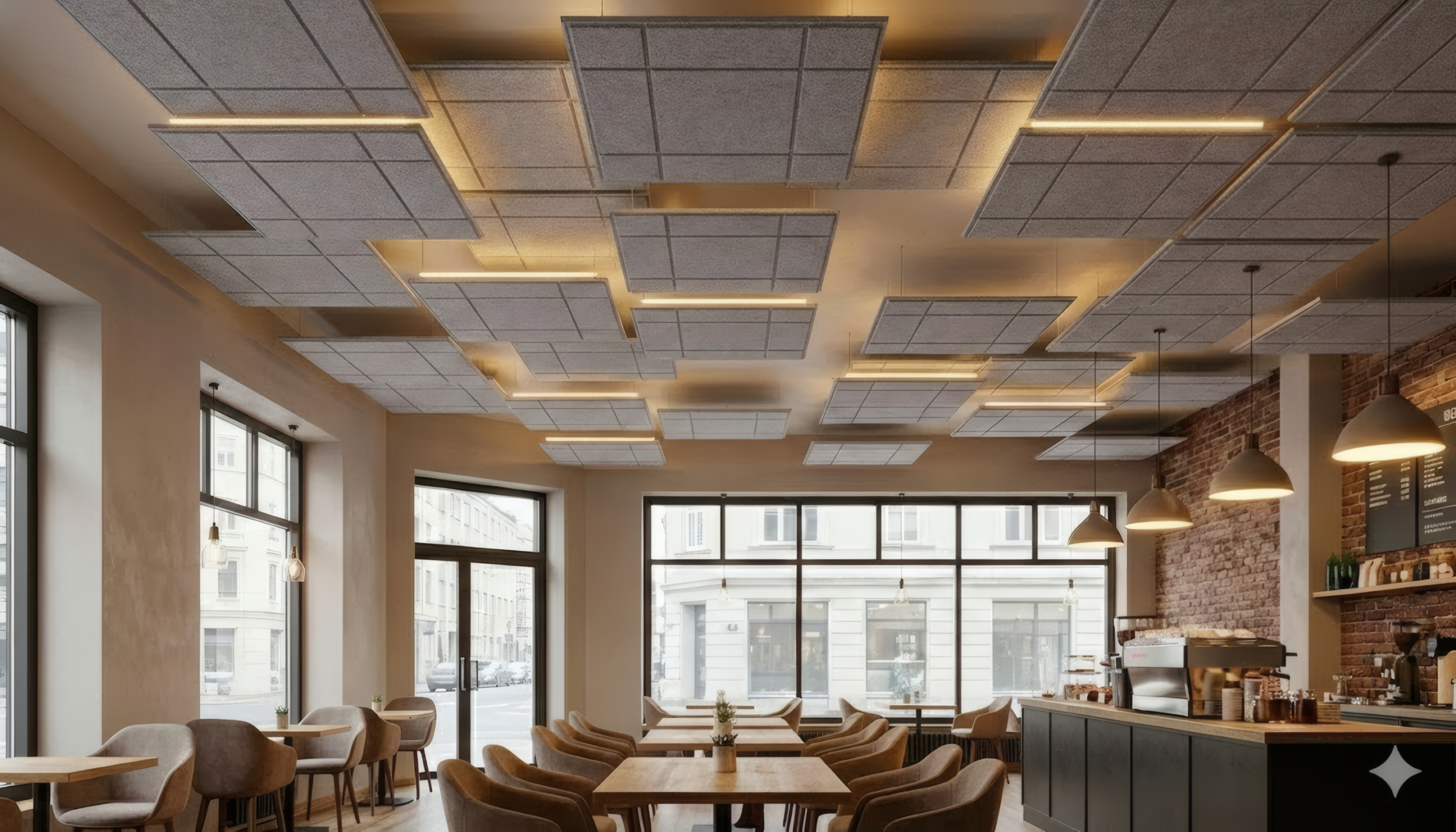
"We stopped asking how we could hide the acoustic panels," the design team notes. "Instead, we asked how we could make the acoustic panel the feature wall itself."
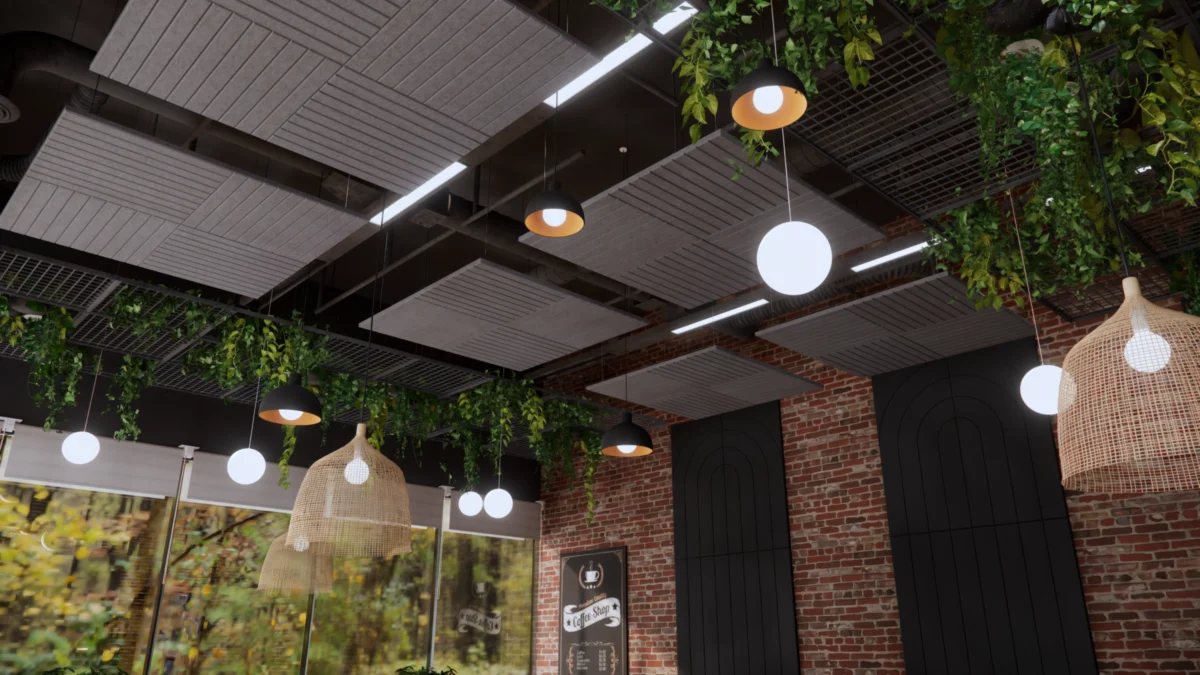
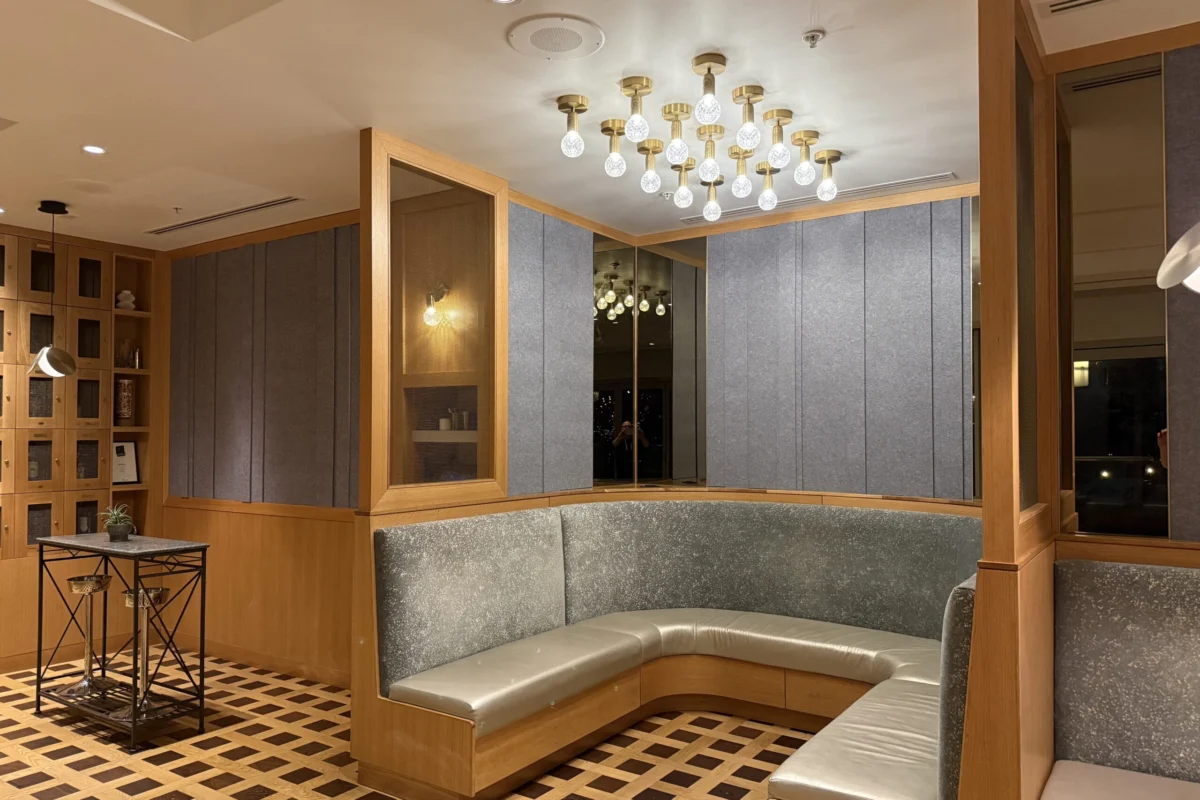
By utilizing custom carvings, designers can now replicate the visual texture of wood, stone, or abstract geometric motifs while maintaining the high-performance sound absorption necessary for modern, high-traffic spaces. This allows for a seamless integration where the acoustic solution is physically indistinguishable from the architectural finish of the building.
Official Perspective: Integrating Acoustics into the Design Intent
In a recent industry roundtable, leading architects emphasized that the most common mistake in modern design is the "siloing" of expertise. Acoustic consultants are often brought in only after the building is completed, at which point the only solutions available are corrective rather than preventative.
"When we consider acoustics early—during the conceptual phase—we aren’t just ‘fixing’ sound; we are enriching the space," says a senior project architect. "We can manipulate light and shadow across a textured wall to create a specific visual rhythm that aligns with the brand identity of the client. The panel becomes a part of the building’s DNA."

This approach encourages a "holistic composition." Instead of adding posters or art to dampen sound, the wall itself acts as the art. It invites interaction; it encourages occupants to engage with the environment through both sight and touch, effectively anchoring the room and preventing the "drowning" effect often found in large, minimalist atriums.
Implications for Future Spaces
The implications of this design philosophy are far-reaching. As hybrid work models and multi-purpose spaces continue to define the post-pandemic era, the ability of a room to adapt its "sonic character" is paramount.
- Increased Productivity: By reducing the mental load of ambient noise, users can maintain focus for longer periods.
- Psychological Well-being: Spaces that "feel right" contribute to lower stress levels. The rhythm of a thoughtfully textured surface provides a sense of enclosure and comfort that a flat, sterile wall cannot emulate.
- Design Longevity: Because these panels are durable and customizable, they offer a sustainable alternative to the cycle of installing and replacing temporary sound fixes.
Conclusion: The Harmonious Composition
Designing for acoustics is no longer a matter of choosing between beauty and functionality. The modern interior, when treated with intentional, textured surfaces, becomes a balanced composition. By treating the wall as an active participant in the room’s atmosphere, designers can create environments that are not only visually arresting but sonically supportive.
The future of architecture lies in this synthesis—the understanding that, like a piece of music, the most successful spaces are those where every element is carefully chosen for its role in the final, harmonious outcome. As we move forward, the "beat" of our built environment will increasingly be defined by the textures we choose to embrace, proving that when it comes to the spaces we inhabit, texture matters far more than we ever dared to believe.