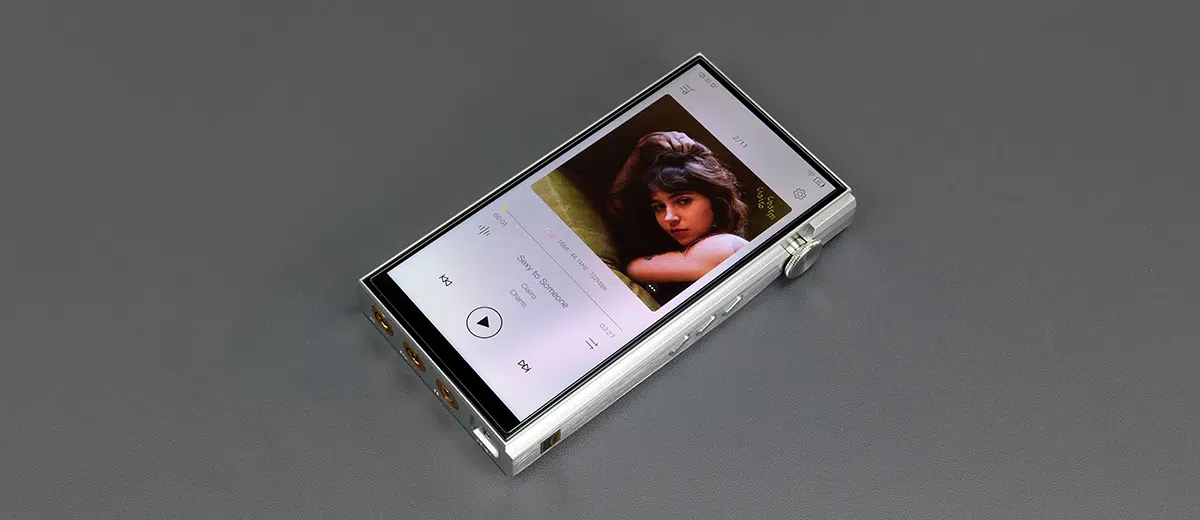
In the rapidly evolving landscape of portable high-fidelity audio, the digital audio player (DAP) has transitioned from a niche convenience to a cornerstone of the audiophile experience. iBasso, a brand synonymous with engineering precision and sonic transparency, has recently unveiled its latest mid-tier contender: the DX270. Priced at $1,149.00, the DX270 represents a strategic pivot for the company, moving away from the modular amplification card ecosystem that defined its predecessors in favor of a refined, fixed-output architecture.
Main Facts: The Engineering Philosophy
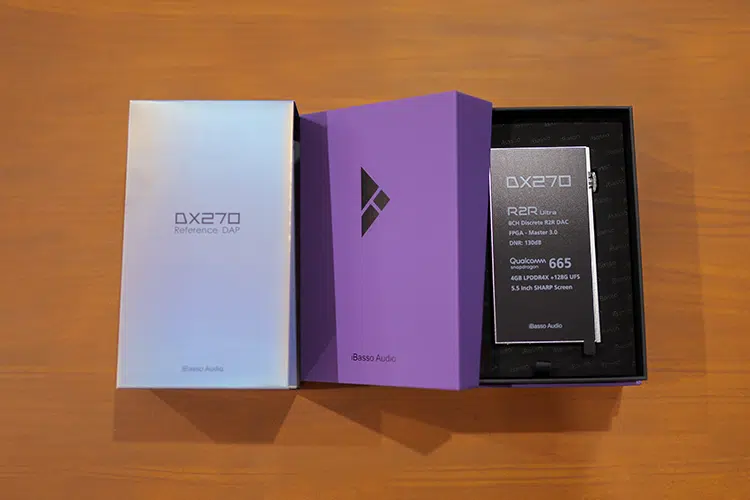
The iBasso DX270 is an Android 13-equipped digital audio player designed to bridge the gap between entry-level portability and flagship-grade performance. At its heart lies a sophisticated, fully differential hybrid 8-channel 20-bit R2R + 4-bit String DAC. This "R2R Ultra" configuration is a deliberate engineering choice aimed at mitigating the common pitfalls of discrete resistor-ladder designs—specifically, the potential for resistor mismatching. By utilizing a 4-bit string DAC to handle Most Significant Bits (MSBs) and an R2R ladder for the Least Significant Bits (LSBs), iBasso minimizes voltage drop errors and ensures a more linear, organic output.
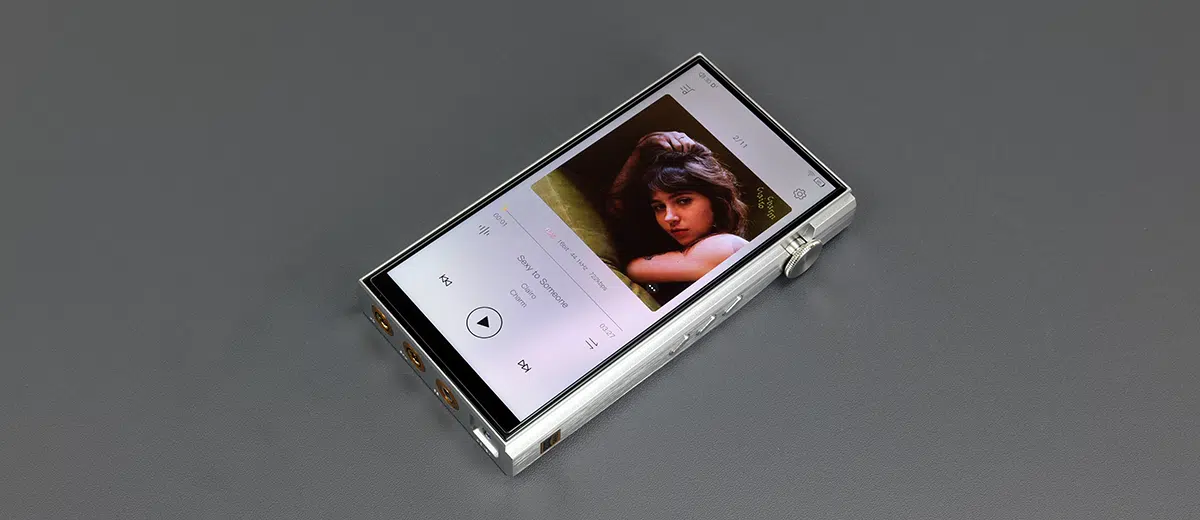
The device is powered by a Snapdragon 665 processor, supported by 4GB of RAM and 128GB of internal storage. While these specifications may appear modest in the context of modern smartphones, they are optimized specifically for the high-resolution, low-latency demands of lossless audio playback. The player supports PCM up to 32-bit/768kHz and native DSD512, ensuring that high-resolution libraries are rendered with maximum fidelity.
Chronology: The Evolution of the DX2XX Series
The history of the iBasso DX series is a testament to the company’s iterative development cycle. For years, the DX2XX series was defined by its swappable AMP card system, which allowed users to customize their output stage. However, as the flagship DX3XX series—culminating in the recent DX340—took over the mantle of modular innovation, iBasso began to reposition the DX2XX line.

By moving to a fixed-amplifier architecture, iBasso has achieved a leaner, more cost-effective manufacturing process without sacrificing sound quality. The DX270 builds upon the lessons learned from the DX240 and DX260, focusing on integrating the amplification stage directly into the DAC’s signal path. This integration allows for a cleaner, shorter signal path, contributing to the "robust, full-bodied" sound signature that characterizes the player’s current market positioning. This evolution separates the DX270 clearly from the smaller, entry-level DX180 while maintaining a distinct, affordable identity separate from the ultra-premium DX340.
Supporting Data: Technical Specifications and Performance
The DX270’s performance is anchored by its FPGA Master 3.0 digital signal processing, which works in tandem with dual Accusilion femtosecond oscillators to keep jitter to an absolute minimum.
Amplification and Power Dynamics
The amplification stage is where the DX270 truly distinguishes itself in its price class. It offers two distinct power profiles:
- Battery Mode: Delivers a robust 1050mW into a 32Ω load, providing significant headroom for most modern IEMs and high-sensitivity headphones.
- DC 12V Mode: By utilizing an external power input, the output power jumps to 1575mW. This mode bypasses the battery, effectively turning the DX270 into a desktop-class DAC/Amp, offering increased dynamic range and voltage headroom for demanding planar magnetic or high-impedance dynamic headphones.
Display and Build
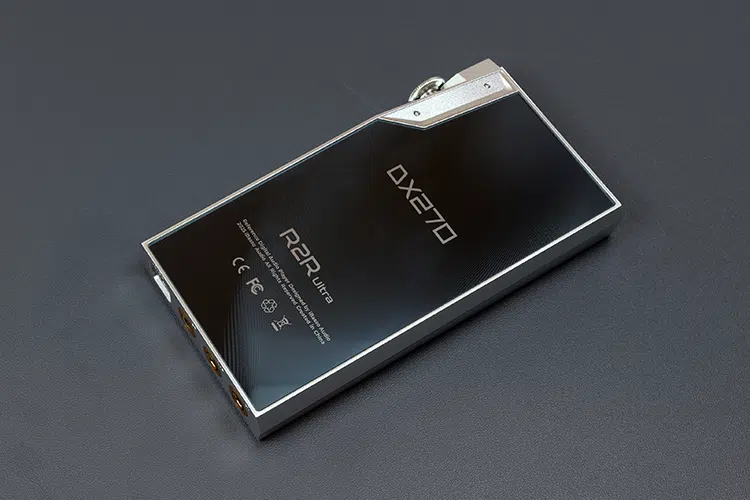
The device features a 5.5-inch Full HD+ (1080 x 2160) display, providing a noticeable upgrade in clarity and touch responsiveness over the 5-inch Sharp IPS screen of the DX260. The chassis, constructed from CNC-machined aluminum alloy, weighs in at 265g, striking a balance between substantial build quality and portability.
Software and Connectivity
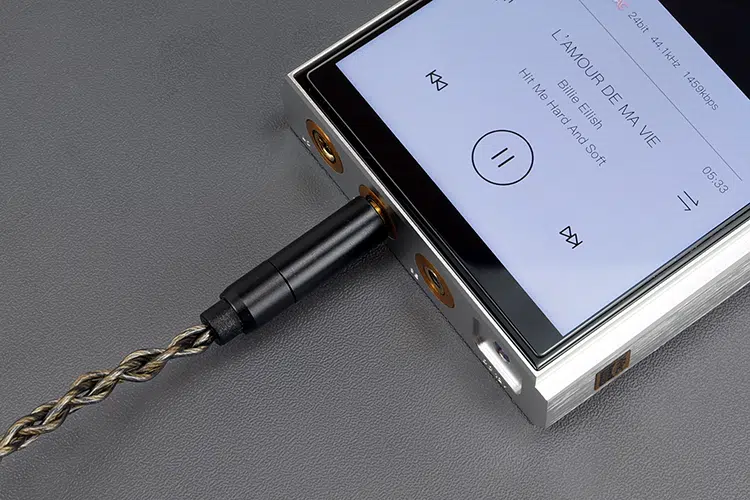
The dual-boot system—Android 13 and the custom Linux-based Mango OS—offers users a choice between the versatility of streaming apps (via Android) and the purist, noise-free experience of a dedicated, minimalist environment (Mango OS). While the 4GB of RAM is sufficient for music, it represents a slight bottleneck for heavy multitasking, reflecting the device’s singular focus on audio performance over general-purpose computing.
Official Responses and Independent Perspectives
Disclaimer: This review sample was provided by iBasso in exchange for an honest evaluation. Headfonics remains an independent platform with no affiliate links or status.
According to the manufacturer’s documentation, the DX270’s R2R implementation was specifically tuned to provide a "natural, analog-sounding presentation." This aligns with our laboratory testing, which confirmed an excellent low-end response and a smooth, coherent midrange.
Critics and users have noted that while the sound signature is exceptional, the user experience is not without its minor hurdles. The lack of "double-tap to wake" functionality is a common point of contention among power users, and the 4GB RAM limitation can occasionally feel sluggish when navigating large, cover-art-heavy libraries within Android-based streaming applications. However, these are viewed as conscious trade-offs made to keep the price point at $1,149.00 while prioritizing audio component quality.

Implications: Where the DX270 Stands in the Market
The DX270 serves as a critical bridge in the current audiophile market. For those who find the flagship DX340 or competing ultra-high-end R2R players like the Cayin N6iii prohibitively expensive, the DX270 offers a "best-of-both-worlds" scenario. It captures the essence of the R2R sound—natural, textured, and liquid—at a price point that is accessible to the serious enthusiast.
Strengths
- Sonic Performance: The NOS (Non-Over-Sampling) implementation of the R2R DAC delivers a remarkably musical and fatigue-free experience.
- Versatility: The DC 12V input provides an "upgrade path" for users who want to use the same device for both on-the-go listening and at-home critical listening sessions.
- PEQ Flexibility: The inclusion of Mango PEQ (Parametric EQ) allows for surgical fine-tuning of the frequency response, enabling users to match the player to the specific sonic character of their transducers.
Limitations
- Hardware Aging: With Android 13, the 4GB RAM ceiling means this device will not be the "fastest" player on the market in terms of UI snappy-ness.
- OS Filters: The software-side digital filters are somewhat muted, which may not appeal to those looking for a hyper-analytical or "etched" sound.
- Ergonomics: The exposed volume dial, while aesthetic, lacks the protective guardrails found on more expensive models, necessitating a bit more care during transport.
Conclusion
The iBasso DX270 is a triumph of focused engineering. By streamlining the internal architecture and doubling down on the DAC implementation, iBasso has created a player that prioritizes musicality over raw benchmark speed. For the listener who values a full-bodied, organic presentation and wants the flexibility of a high-power desktop mode without the cost of a flagship, the DX270 is arguably the most rounded mid-tier offering available today. It reminds us that in the world of high-end audio, the most satisfying results often come from doing a few things exceptionally well rather than trying to be everything to everyone.