In the high-stakes world of private member clubs, the sensory experience is paramount. A space must be as visually impressive as it is functional, serving as a sanctuary for business negotiations, formal dining, and social connection. However, when the historic Terminal City Club (TCC) in downtown Vancouver underwent a sophisticated renovation, it inadvertently sacrificed its auditory comfort for aesthetic modernization. The result was a beautiful room that had become a sonic nightmare—a challenge that required a bespoke, high-tech intervention to resolve.
The Sound of Silence: Defining the Problem
For Iain Fletcher, the Director of Club Outlets at Terminal City Club, the link between acoustics and member satisfaction is undeniable. "I’ve been to some places in the city with thoughtful acoustic treatment, and the experience is memorable," Fletcher explains. "But there are also restaurants I might not return to because they’re just too loud. And I can’t help but think how often others feel the same—but don’t tell the people running the restaurant."
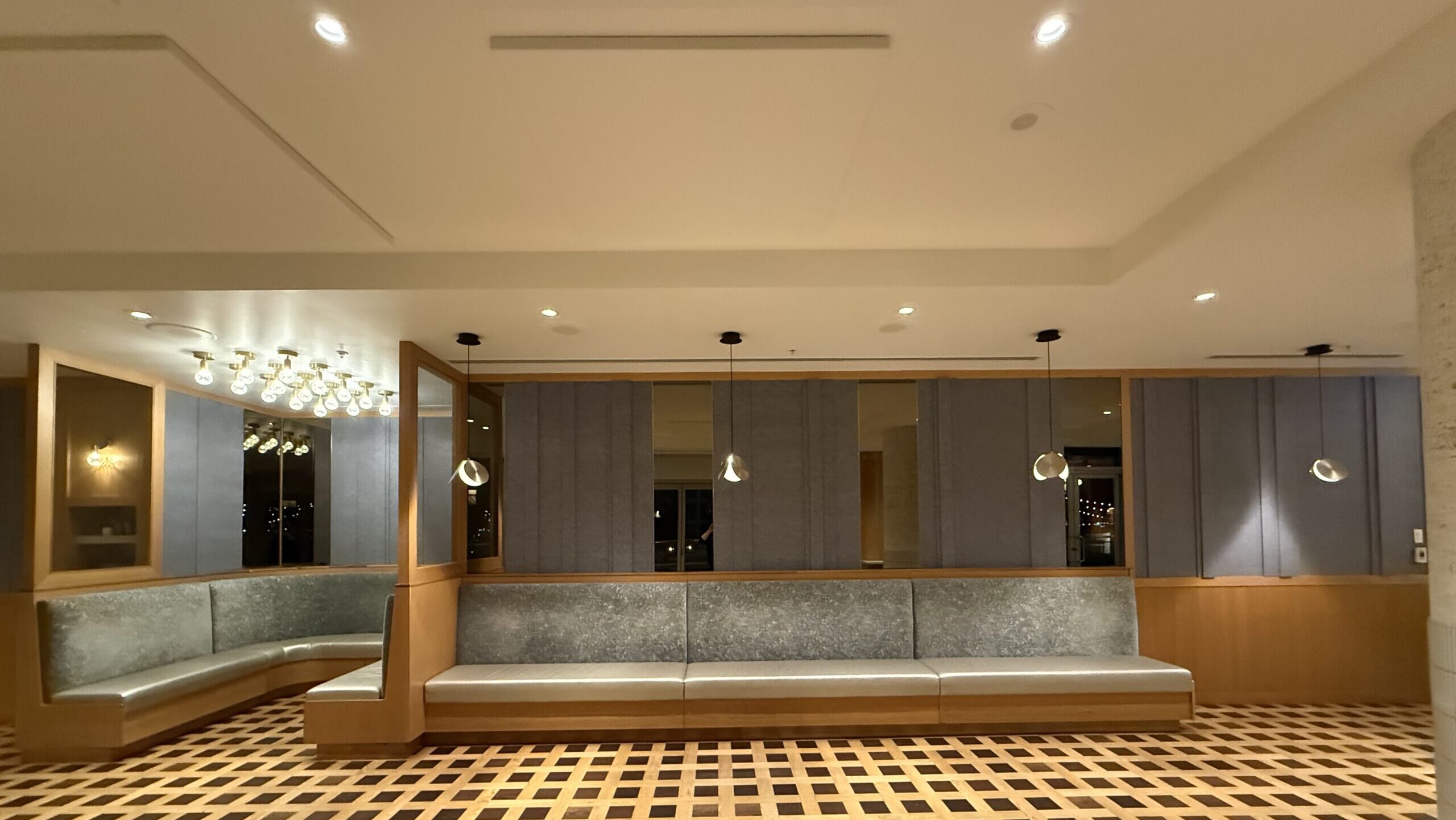
Located on West Hastings Street, the TCC serves an elite demographic of business professionals. For these members, the club’s restaurant and private dining spaces are not merely places to eat; they are extensions of the boardroom. Following a comprehensive design refresh, Fletcher began to notice a troubling trend: the lunch crowd was thinning. Despite the room being, in his words, "a beautiful room with a very thoughtful design," the unintended consequences of the renovation had stripped away the sound-absorbing elements—carpets, soft furnishings, and heavy fabrics—replacing them with sleek, hard, reflective surfaces.
The physics of the room had changed, leading to an increase in reverberation times that decimated speech intelligibility. Conversations became an uphill battle, and the once-inviting ambiance had shifted into a chaotic, echo-heavy environment.
A Strategic Partnership: The Path to Resolution
The solution began with a discovery. Fletcher, aware of the club’s growing reputation for poor acoustics, began researching potential fixes. His search led him to the work of Primacoustic, a leader in acoustic treatment, and their long-time integration partner, Paramount Automation. Specifically, a project at Piva Restaurant in New Westminster served as the catalyst for the TCC initiative.
"One of our previous managers had actually started working at Piva," Fletcher notes. "Seeing his comments, and a video showing how it sounded and looked before and after, we thought we’d give it a shot."
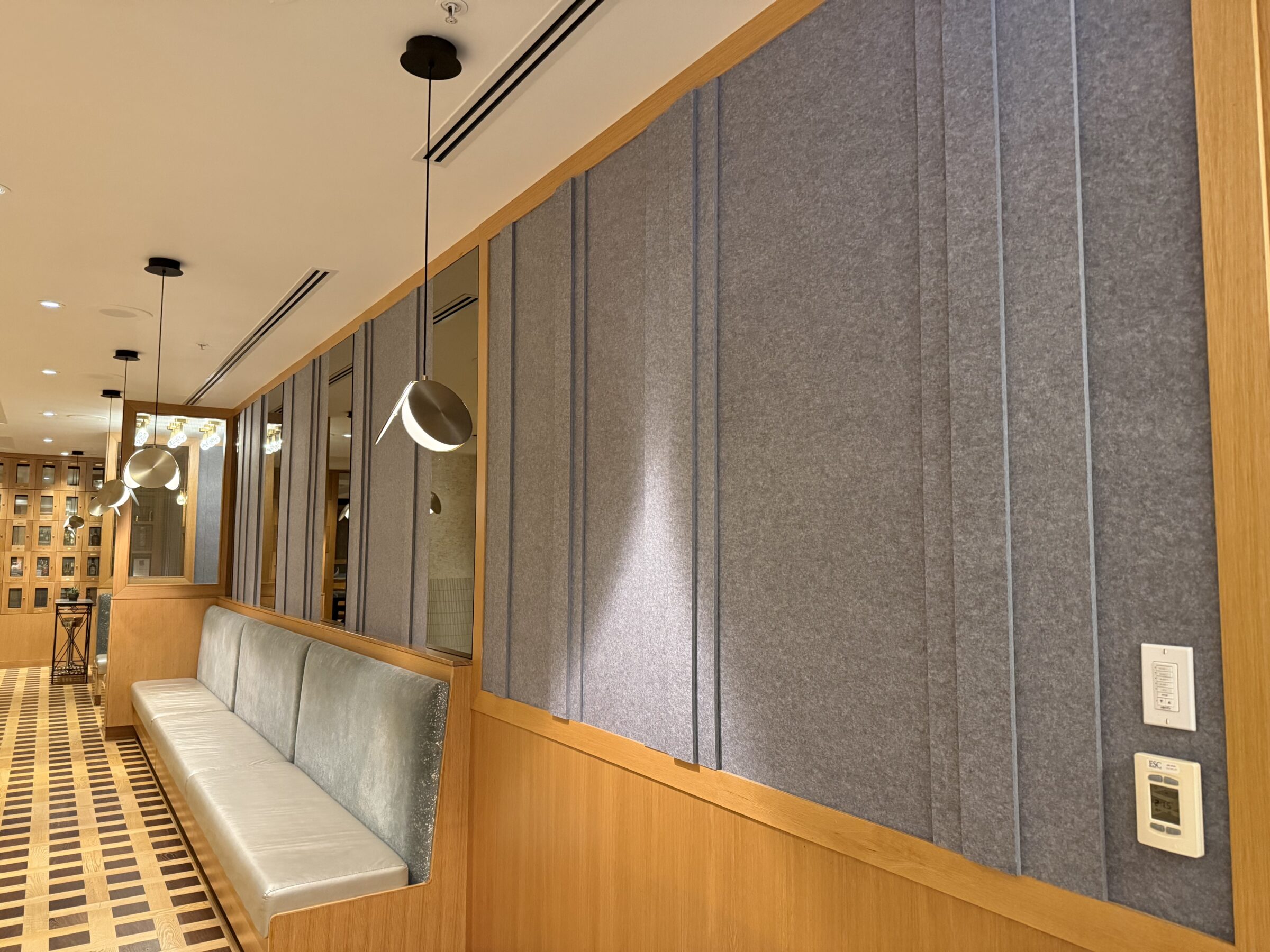
The challenge for the TCC team, however, was unique. Unlike a standard acoustic project, the club required a "stealth" installation. The restaurant had already garnered multiple design awards, and the stakeholders were adamant that the acoustic intervention should be heard, not seen. This mandate shifted the project from a standard installation to a high-precision architectural endeavor.
Chronology: From Concept to Acoustic Harmony
The project unfolded in phases, driven by the expertise of Paramount Automation’s "resident craftsman," Marty Nightingale. The process was defined by a commitment to aesthetic integrity, ensuring that the acoustic solutions integrated seamlessly with the club’s existing millwork and decor.
Phase 1: The Dining Room Assessment
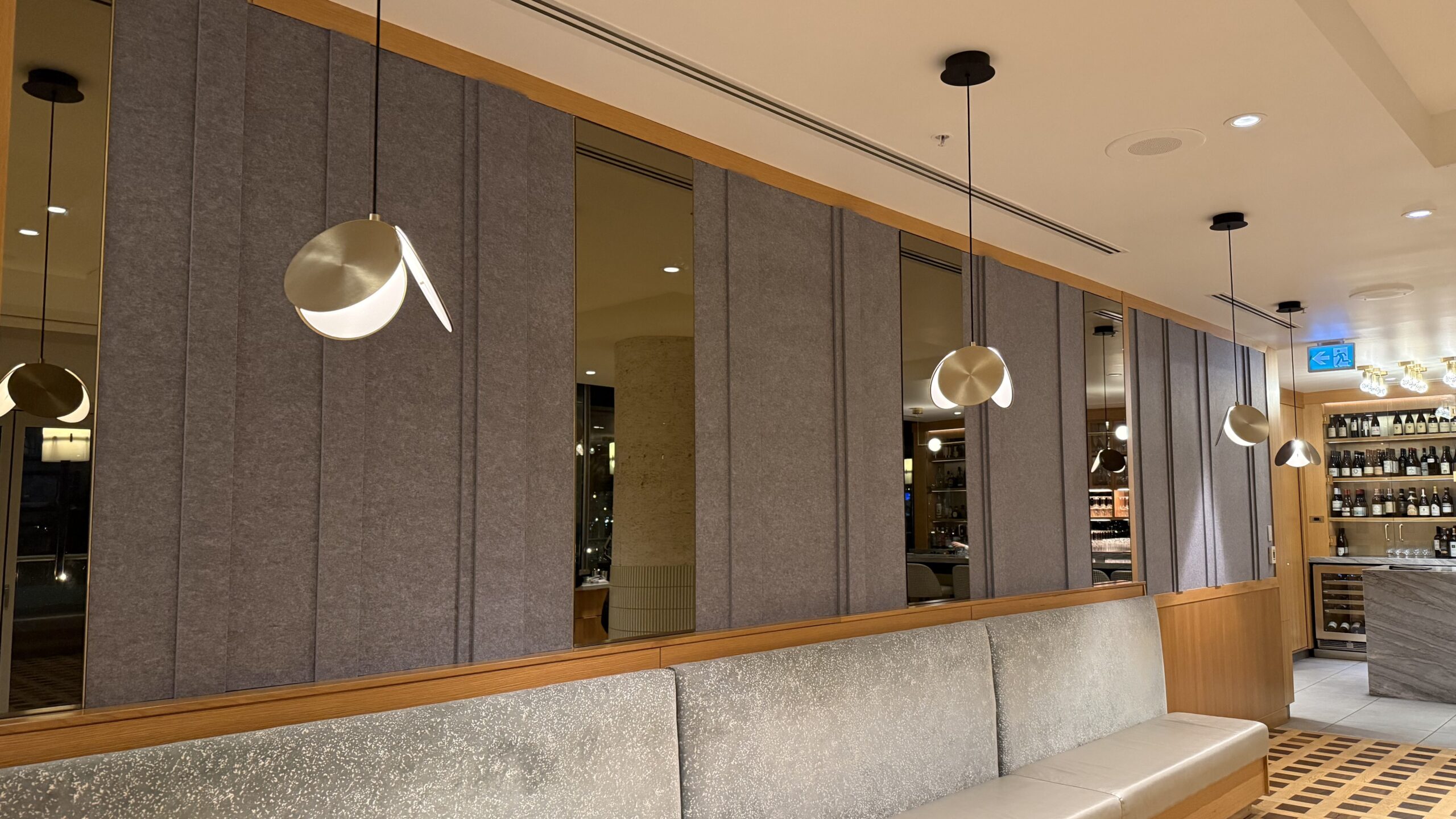
Initially, the focus was limited to the main dining room. Nightingale and Dylan Bubel, Primacoustic’s Western Canada Sales Manager, conducted an in-depth survey of the site. They quickly identified the primary culprits: floor-to-ceiling reflections and a lack of absorption on the wall surfaces. The team decided on a dual-pronged approach, utilizing Primacoustic’s EcoScapes PET panels for their customization capabilities and Broadway glass wool treatments for high-performance sound absorption.
Phase 2: Expanding the Scope
As the team worked, it became clear that the adjacent private lounge suffered from the same acoustic deficiencies. The scope was expanded to include this space, despite the even tighter physical constraints.
Phase 3: Precision Fabrication and Installation
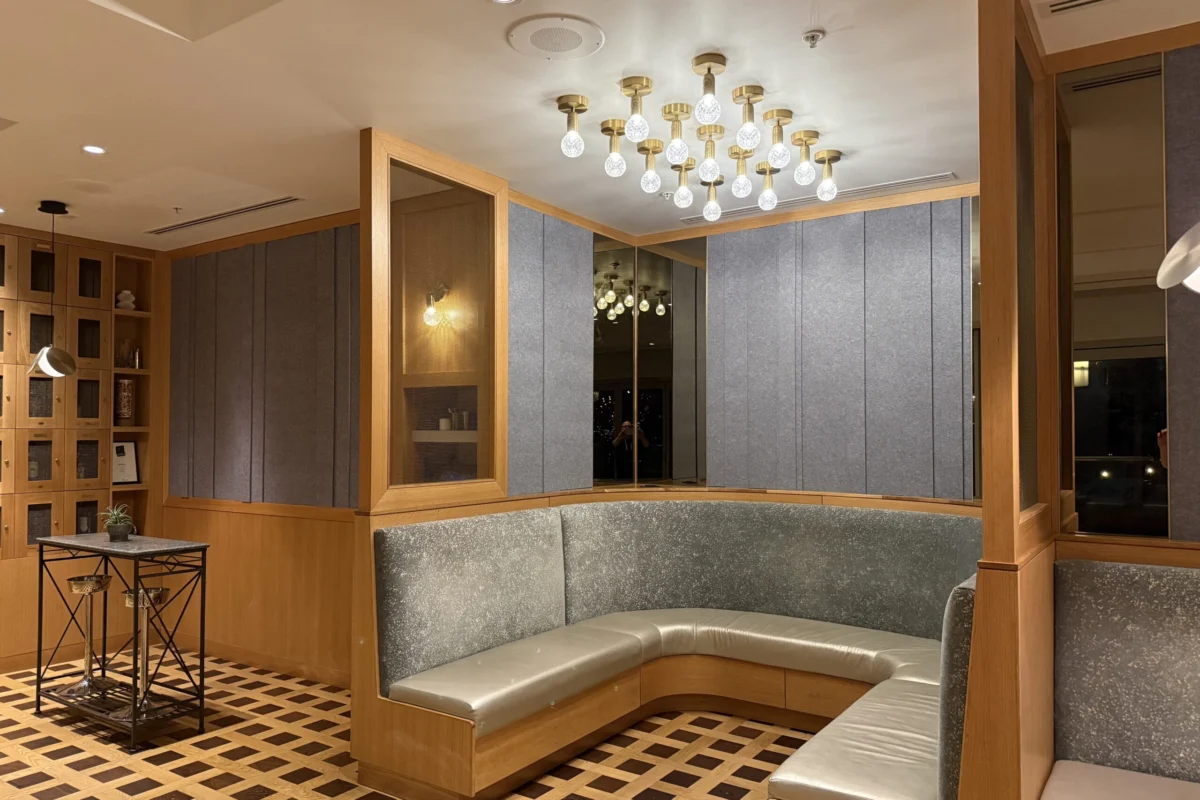
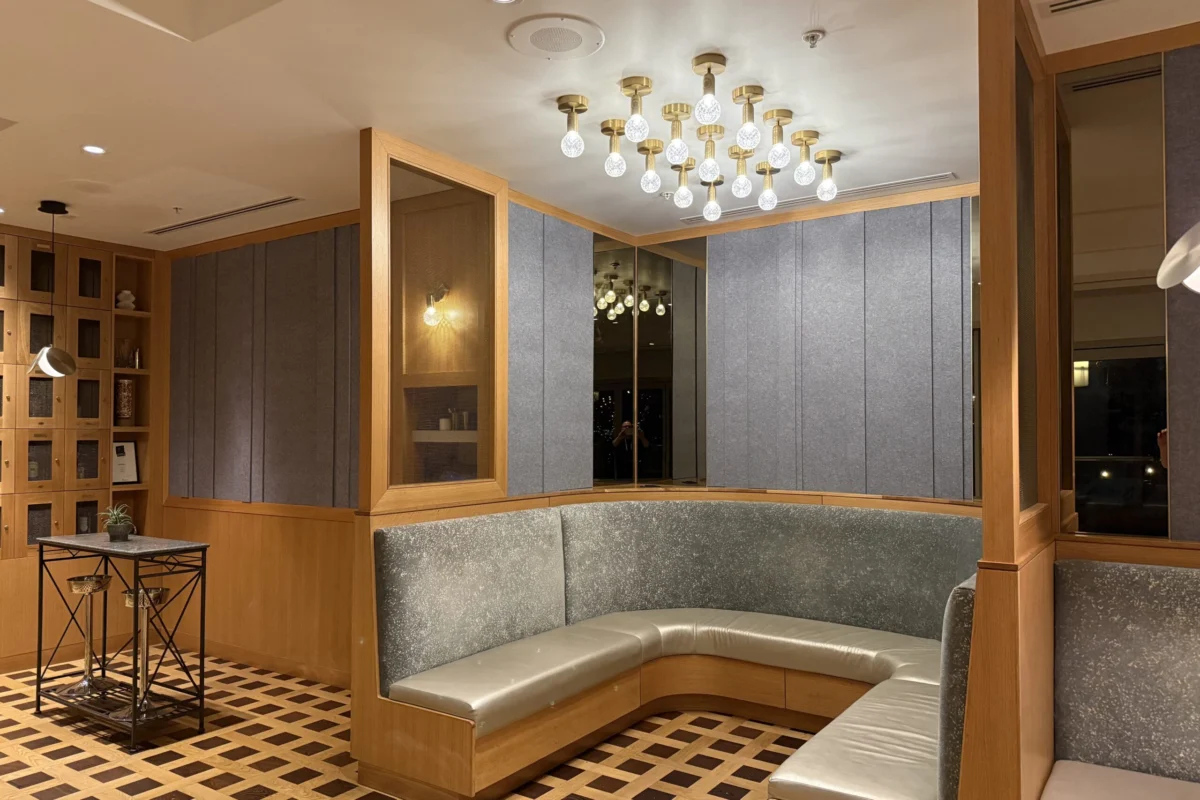
The most demanding portion of the project involved the dining room’s grey felt wall features. These were located at eye level, leaving no margin for error regarding seams or finish quality. The team removed the existing felt and replaced it with a multi-layered PET system. By using two different thicknesses of EcoScapes "Slate" grey panels, they created a custom, layered design that looked as though it had been sculpted from a single material.
Phase 4: Ceiling Integration
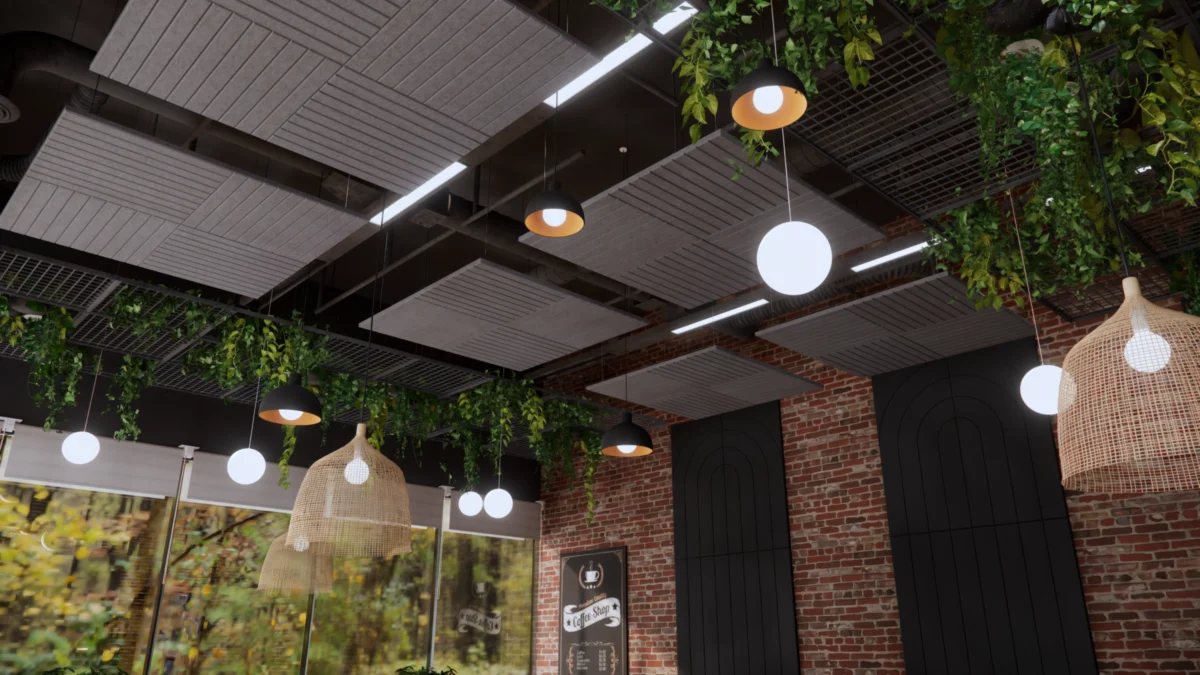
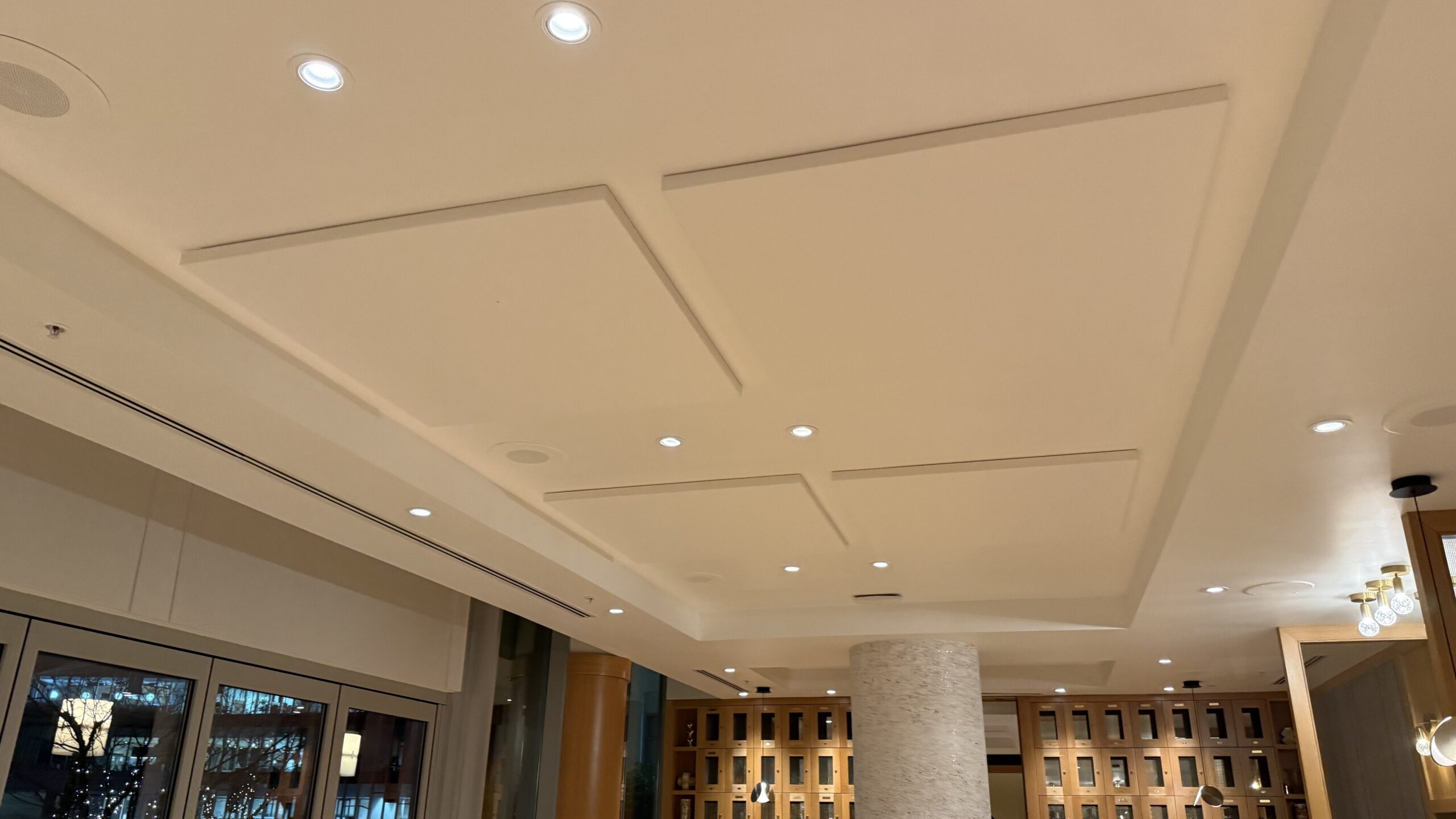
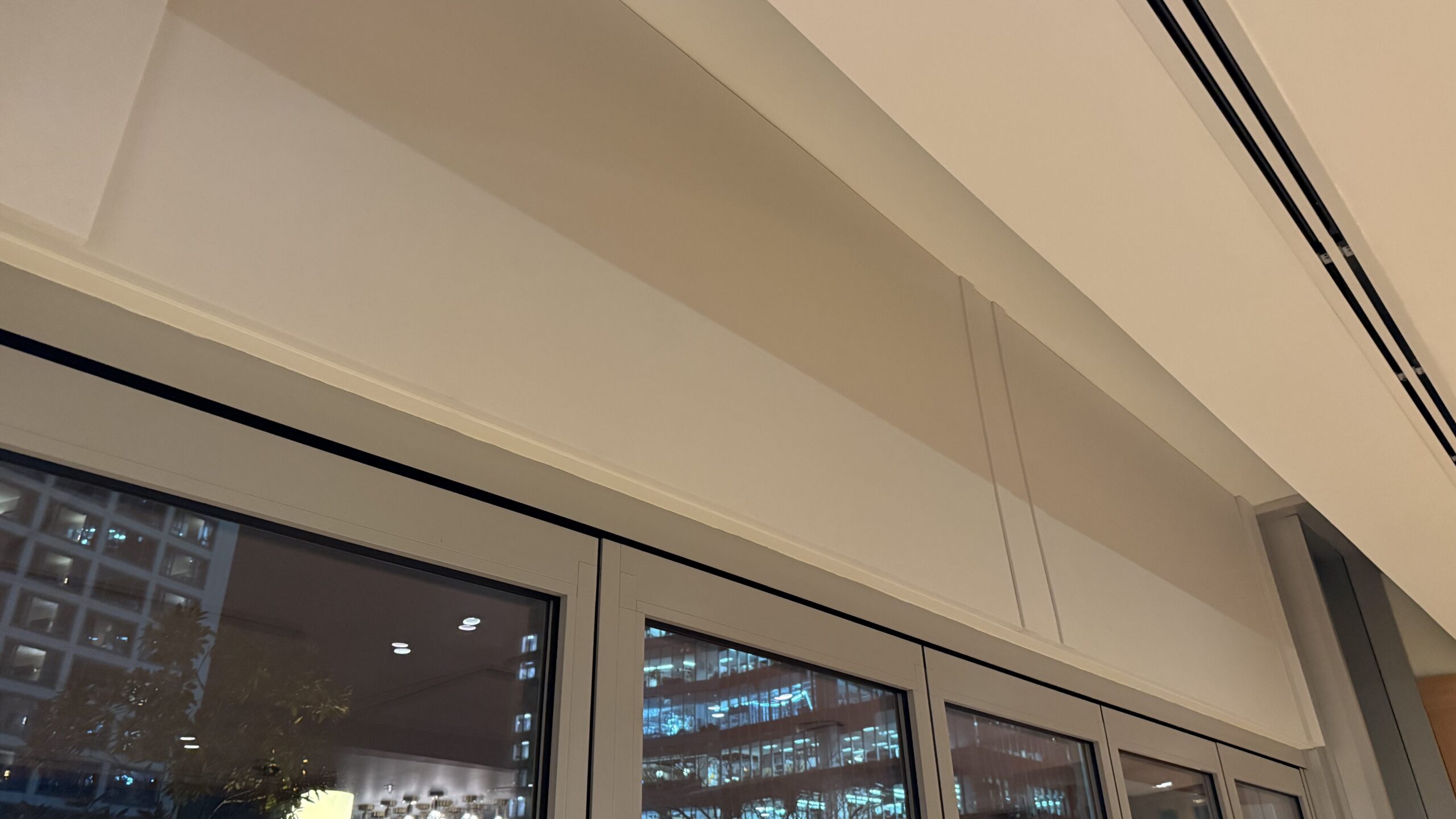
To tackle the ceiling, the team employed "Arctic White" Broadway panels. These were flush-mounted to provide professional-grade absorption while blending into the ceiling’s existing color palette. In the private lounge, they utilized a base layer of "Glacier" white EcoScapes, topped with custom-cut PET strips to mirror the room’s original coffered ceiling aesthetic.
Supporting Data: The Physics of the Fix
Acoustic treatment is a science of balancing reflection, absorption, and diffusion. In a room with hard surfaces, sound waves bounce repeatedly, creating a "smearing" effect on speech. By introducing high-density glass wool and PET fiber panels, the team was able to:
- Reduce Reverberation: By installing panels at primary reflection points, the team significantly shortened the decay time of sound within the room.
- Enhance Intelligibility: By mitigating the mid-frequency reflections that interfere with the human voice, the TCC ensured that members could hold business meetings at normal volume levels.
- Maintain Aesthetic Symmetry: The use of precision-cut PET allowed for a seamless finish, ensuring that the acoustic treatment served as an architectural detail rather than an intrusion.
The project highlights the efficacy of combining different material technologies. While the Broadway panels provided the heavy-duty sound control required for the ceiling, the EcoScapes PET panels offered the design flexibility needed for wall-mounted, high-visibility areas.
Official Responses: A Philosophy of "Challenge, Not Problem"
The success of the TCC installation is rooted in the deep-seated professional relationship between Primacoustic and Paramount Automation. For both parties, the project was a testament to their shared values.
"At Paramount Automation, we’re outside-the-box thinkers," explains Marty Nightingale. "It’s a perfect fit, because with both Paramount and Primacoustic, it’s like, ‘this is a challenge, not a problem—let’s figure it out.’"
Drew Campbell, founder and owner of Paramount Automation, emphasized that this collaboration is more than just a vendor-client relationship. "We work well together because we’re like-minded, because we complement each other. And Primacoustic is always open to feedback." This collaborative environment, he notes, drives a constant "how can we do this better" approach, which was the defining factor in the TCC project’s success.
Implications: The New Standard for Dining Environments
The impact of the installation was immediate. When members walked into the newly treated spaces, they didn’t see panels—they felt the difference.
"I have had people ask what we did and where the panels are, so they’ve noticed a difference, but haven’t seen a difference," Fletcher reports. "Right away, it’s something you can feel when you walk into the restaurant. The acoustic performance exceeded our expectations by far."
The implications of this project extend far beyond the Terminal City Club. It serves as a blueprint for high-end hospitality venues worldwide, demonstrating that acoustic comfort does not need to be sacrificed for architectural beauty. The "unbearable echo" that once plagued the club has been replaced by a "soft murmur of voices," allowing the TCC to restore its identity as a premier venue for both high-level business and sophisticated social interaction.
As the industry continues to evolve, the success at Terminal City Club proves that with the right combination of engineering, craftsmanship, and aesthetic sensitivity, any space can be transformed into an environment where sound is managed as carefully as the menu. For those looking to replicate these results, the partnership between Primacoustic and installers like Paramount Automation offers a masterclass in how to turn a sonic challenge into a quiet, functional success.