In the contemporary landscape of ministry, the church has evolved far beyond the traditional Sunday-morning-only model. Today’s places of worship serve as community hubs, educational centers, banquet halls, and spiritual refuges. Yet, as these physical spaces become increasingly multifunctional, a silent barrier often hinders the mission: poor acoustics. When a room’s sound quality fails to keep pace with its diverse usage, the result is a fragmented experience that can alienate congregants. Achieving a "whole church" experience requires a move away from one-size-fits-all fixes toward a sophisticated, room-by-room acoustic strategy.
The Evolution of the Church Environment: A Chronology of Challenges
Historically, the sanctuary was the singular focus of acoustic design, often favoring long, reverberant spaces that suited pipe organs and traditional liturgy. However, the architectural and cultural evolution of the church has shifted dramatically over the last century.
- The Early Era (Pre-1950s): Focus was almost exclusively on the sanctuary, utilizing hard surfaces like stone, plaster, and wood to amplify natural, unamplified voices and traditional instrumentation.
- The Multi-Purpose Shift (1960s–1990s): As churches expanded their outreach, they began constructing "fellowship halls" and gymnasiums. These spaces were often designed with little regard for acoustics, leading to "echo chambers" where speech intelligibility was non-existent.
- The Modern Integration Era (2000s–Present): With the rise of contemporary worship styles, high-fidelity sound systems, and video technology, churches now demand precision. A space must be "dead" enough for a modern rock-style worship band but "live" enough to maintain a sense of communal reverence.
This transition highlights a critical reality: the acoustic challenges faced by a 21st-century church are vastly more complex than those of the past. When modern building materials—such as glass curtain walls, steel beams, and polished concrete—are introduced, the sonic environment becomes hostile to both speech and music.
Supporting Data: The Cost of Poor Acoustics
Research consistently shows that auditory clarity is directly linked to psychological engagement and retention. In a sanctuary, when the reverberation time is too long, the brain struggles to distinguish individual syllables. This phenomenon, known as the "cocktail party effect," forces the listener to exert high levels of cognitive effort to decipher speech.
Data from professional acoustic studies indicate that in environments with high noise floors and excessive echoes:
- Retention Rates Drop: Congregants who cannot hear the message clearly report a 30% decrease in their ability to recall key points of a sermon.
- Increased Fatigue: The mental strain of "listening through" noise leads to auditory fatigue, making congregants feel physically exhausted after a service.
- Inclusivity Gaps: Individuals with hearing impairments or those for whom the language of the service is a second language are disproportionately affected by poor room acoustics, creating an unintentional barrier to inclusion.
Understanding the Anatomy of Church Spaces
To achieve a "whole church" acoustic environment, administrators must categorize their facility into specific zones, each with its own set of acoustic requirements.
The Sanctuary: The Heart of the Worship Experience
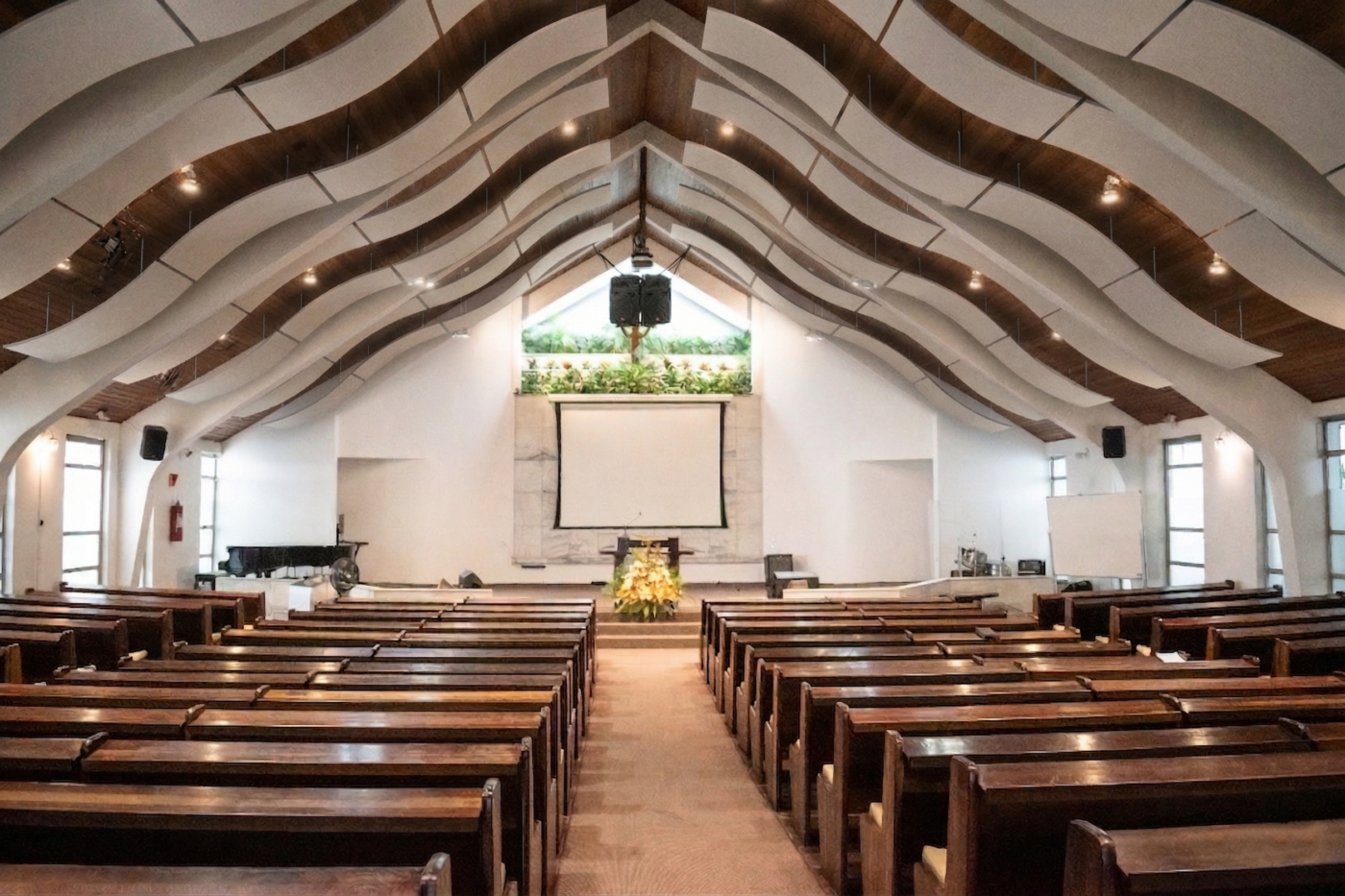
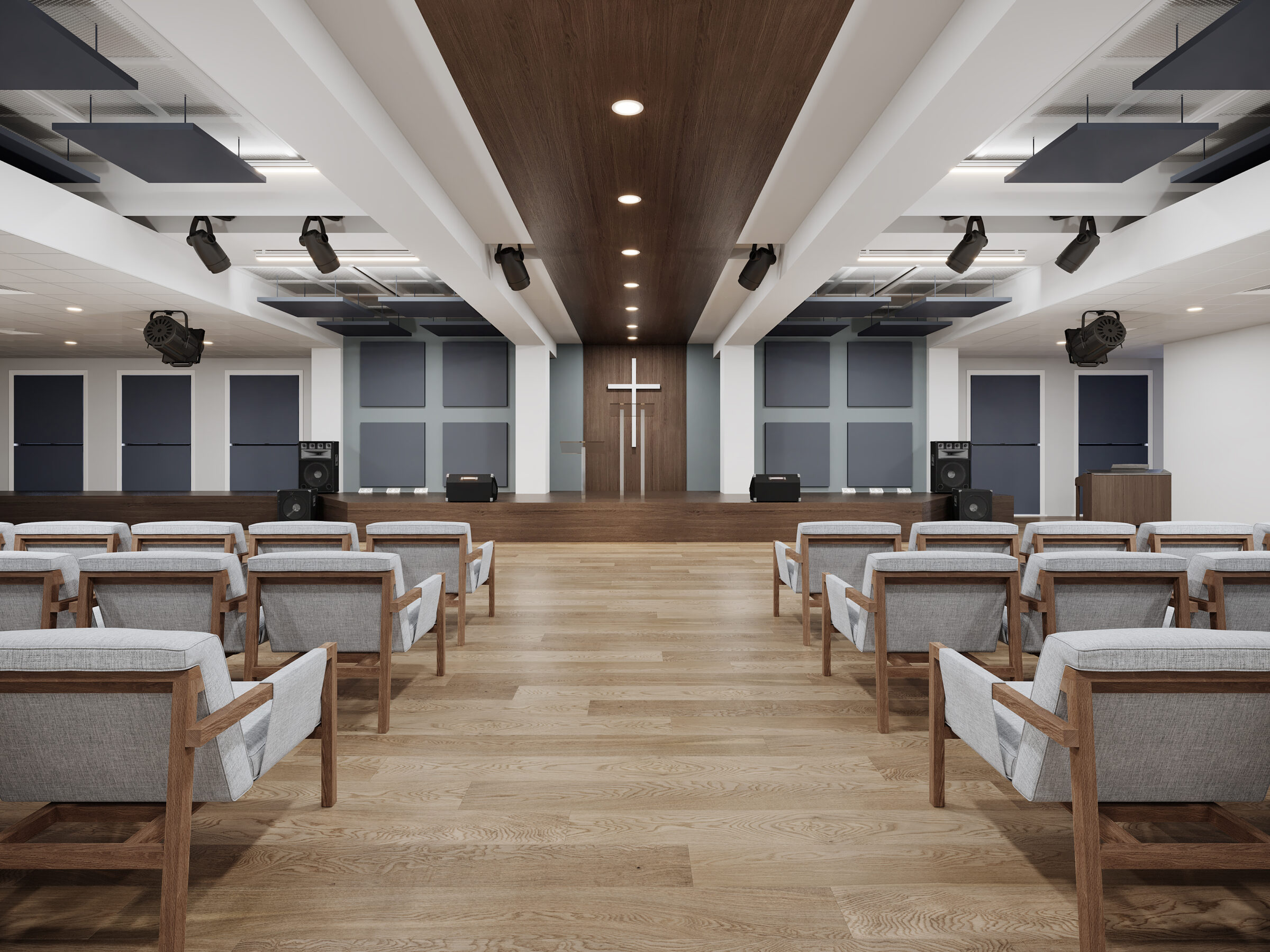
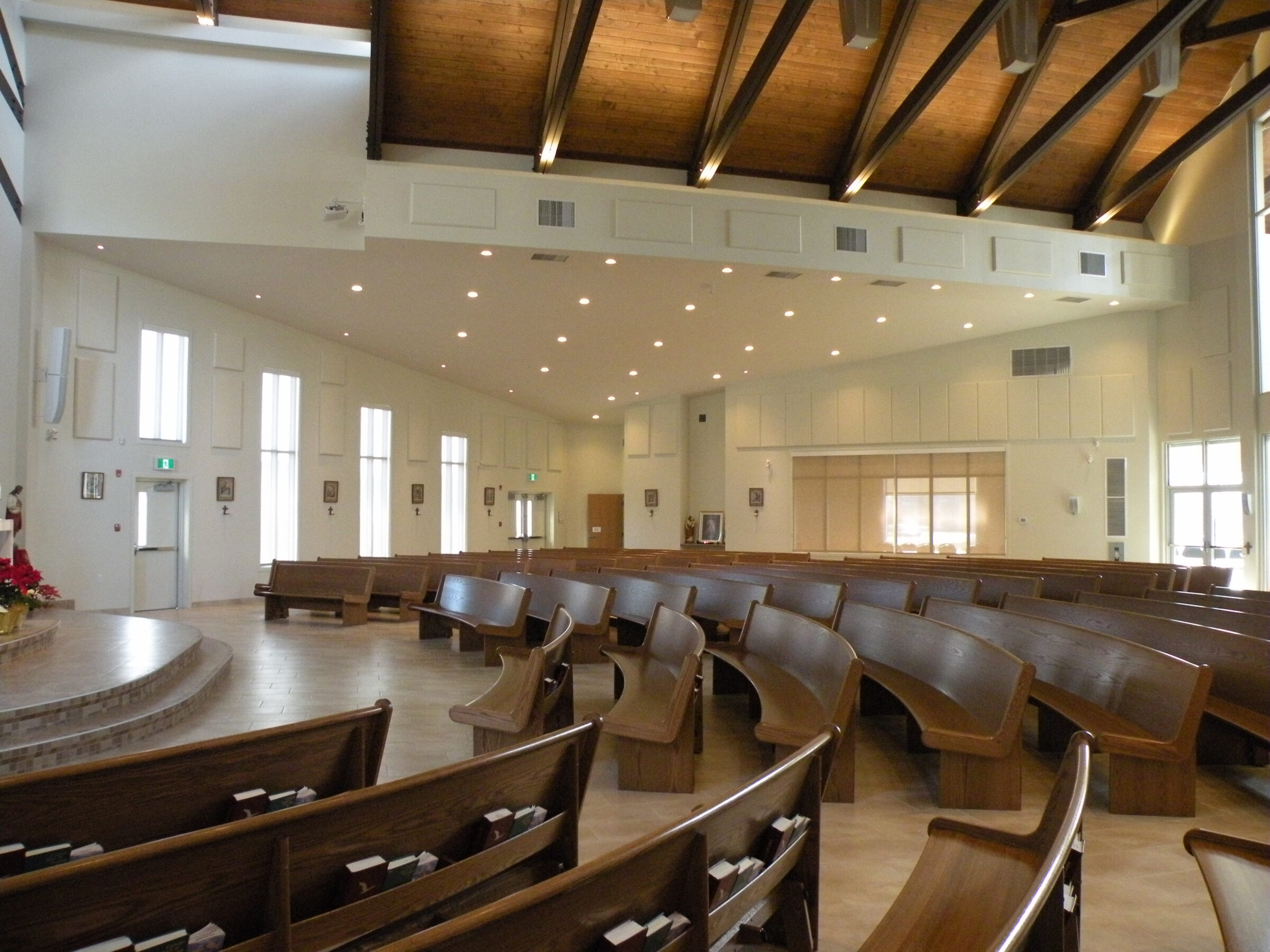
The sanctuary is a delicate balancing act. It must provide enough clarity for the spoken word—essential for preaching—while retaining enough "liveness" to support congregational singing. Over-treating a sanctuary can lead to a sterile, "studio-like" environment that feels cold, while under-treating it creates a muddy, chaotic soundscape where the lyrics of a worship song are lost in the reflection of the back wall.
Lobbies and Gathering Areas: The First Impression
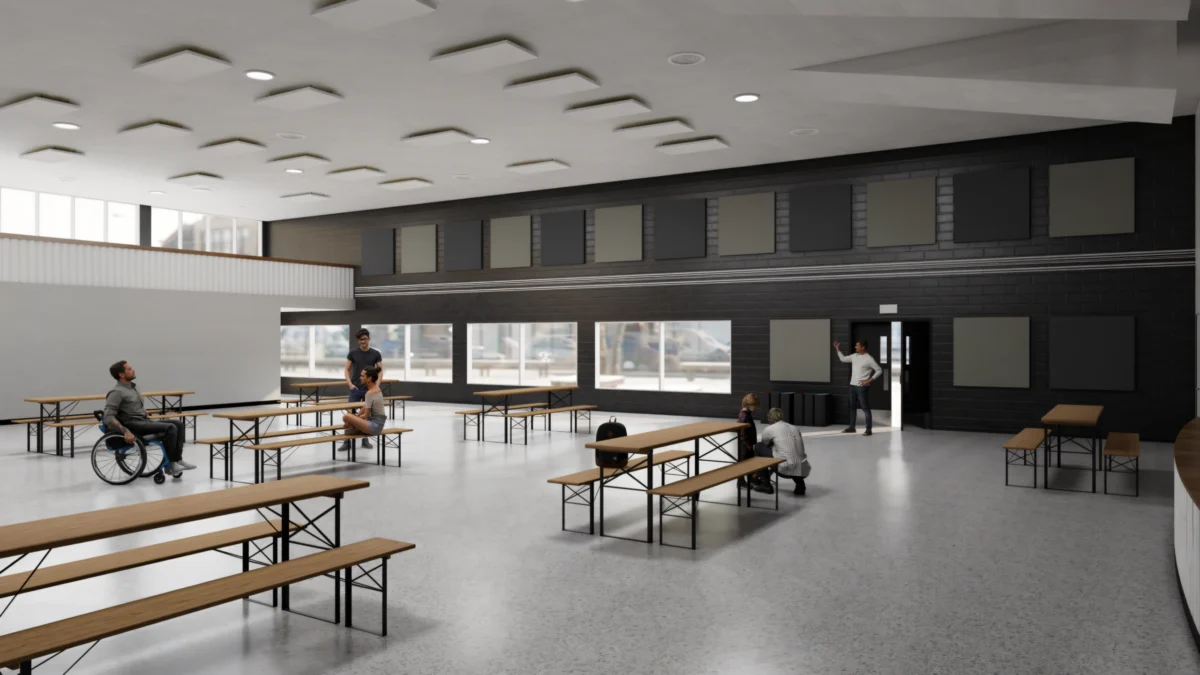
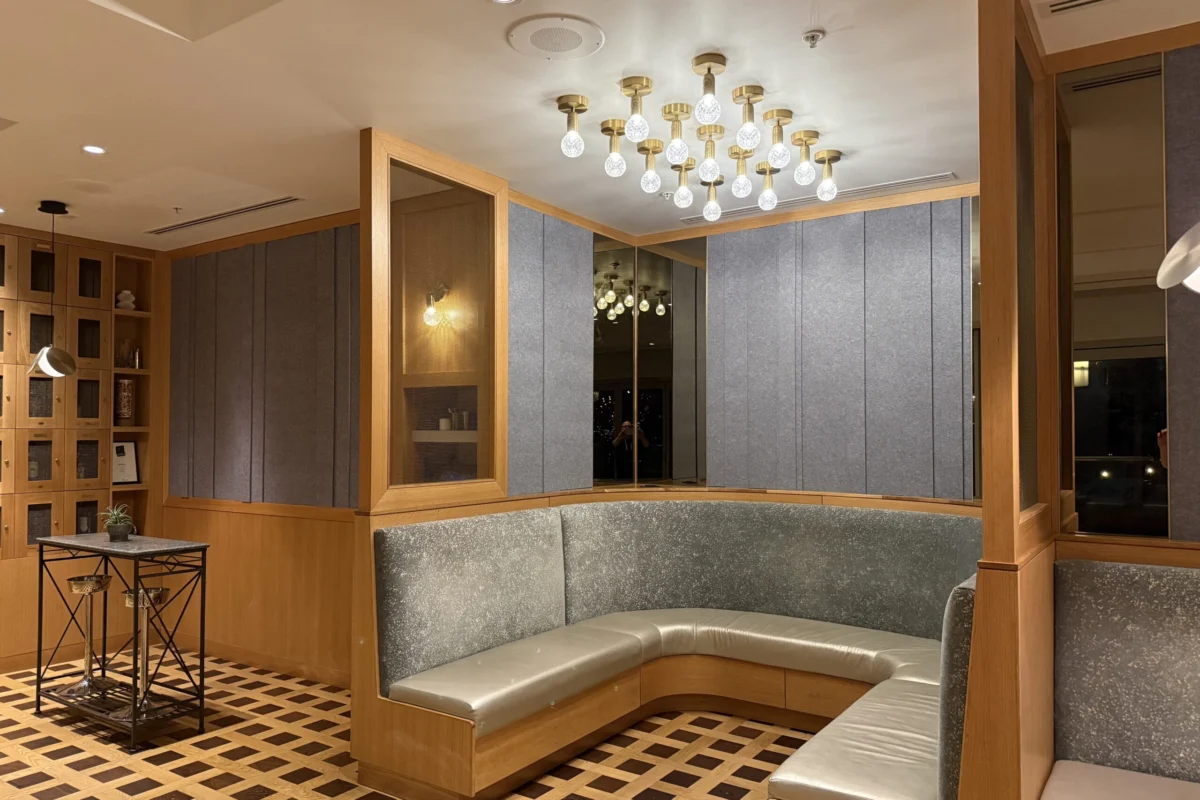
These are often the most neglected spaces, yet they are the most critical for community building. Because these areas are usually designed for aesthetics—often featuring high ceilings and hard floors—they become incredibly loud as the lobby fills before or after a service. This noise spillover can disrupt the sanctuary and make it impossible for congregants to engage in meaningful, private conversation.
Classrooms and Meeting Rooms
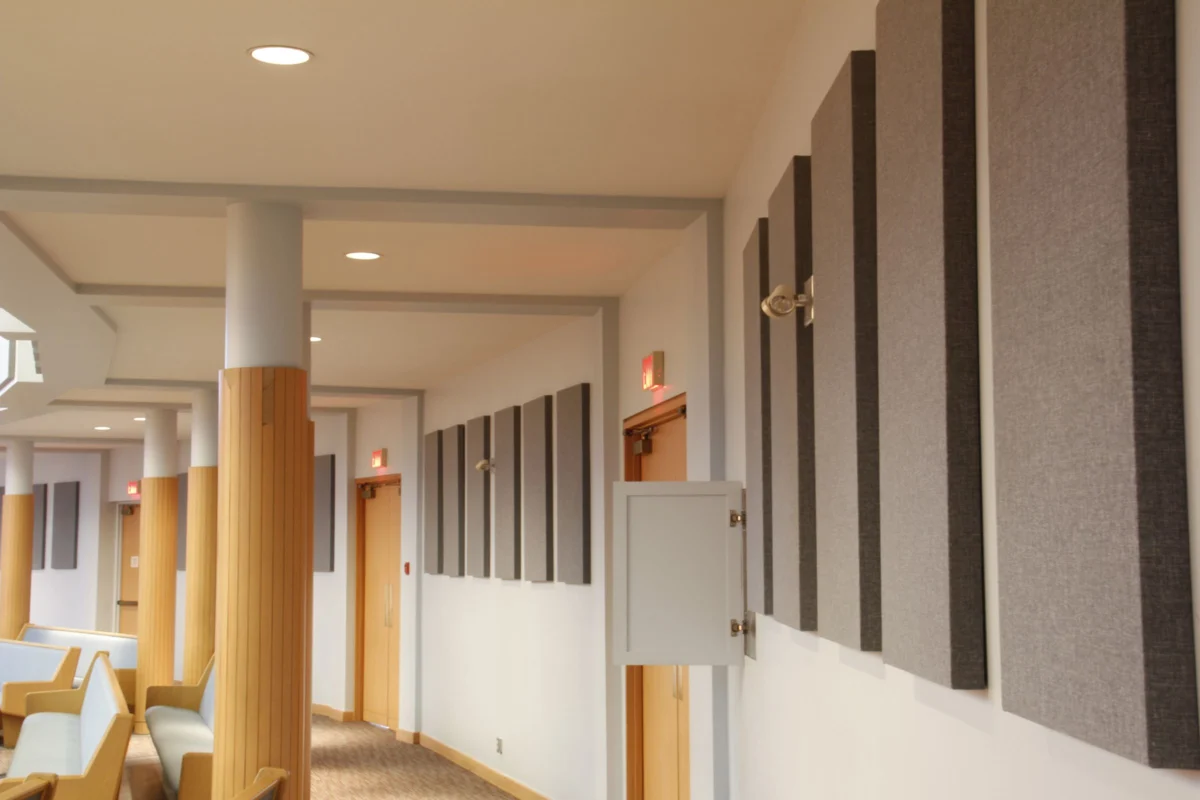
Whether used for Sunday school or mid-week Bible studies, these spaces require high speech intelligibility. The challenge here is twofold: controlling internal reflections so that teachers and students can hear one another, and mitigating sound leakage between adjoining rooms, which is common in older, repurposed buildings.
Multi-Purpose and Youth Spaces
Perhaps the most difficult rooms to manage, these areas may transform from a gymnasium for youth sports on Tuesday to a banquet hall on Thursday and a second worship site on Sunday. The acoustic solution here must be versatile, often requiring retractable or highly durable treatments that can handle the physical nature of the space without sacrificing the sonic requirements of a musical performance.
Official Perspectives: The Primacoustic Approach
Industry leaders like Primacoustic emphasize that acoustic treatment should not be an afterthought. According to technical consultants in the field, the most successful projects are those that treat acoustic design as an integral component of the building’s infrastructure, similar to HVAC or lighting.
"Acoustics is the invisible architecture of a church," says a spokesperson from the design sector. "When it’s done right, nobody notices it. When it’s done wrong, it’s the only thing people can talk about."
The official stance from leading acoustic engineers is that a "one-size-fits-all" approach is fundamentally flawed. A classroom with a low ceiling and drywall walls behaves differently than a sanctuary with 40-foot vaulted ceilings. Primacoustic’s strategy involves a comprehensive audit of each room, identifying the specific "sonic signature" of the space. By deploying high-performance, design-forward panels—ranging from wall-mounted solutions to ceiling clouds—churches can control unwanted reflections while maintaining the desired aesthetic.
Implications for the Future of Ministry
The implications of ignoring acoustic health are significant. A church is, at its core, a communication organization. Whether the message is delivered through music, preaching, or community discussion, the clarity of that message is paramount.
Building for Longevity
As churches evolve, their spaces must be adaptable. Investing in professional acoustic treatment is not merely a renovation; it is a long-term investment in the "emotional infrastructure" of the congregation. A building that sounds good is a building that feels welcoming. It is an environment where a newcomer can sit down, hear the service, and feel an immediate sense of belonging.
Aesthetic and Functional Synergy
Modern acoustic products have moved far beyond the "egg crate foam" of the past. Today’s solutions, such as sustainably sourced PET treatments or custom-printed panels, allow churches to integrate sound control directly into their interior design. This ensures that the church does not have to sacrifice its visual brand to achieve its auditory goals.
The Holistic Path Forward
The path to a better-sounding church begins with an acknowledgment that the sanctuary is not the whole story. By addressing the noise issues in the lobby, the speech intelligibility in the classroom, and the energy management in the youth hall, a church creates a consistent, high-quality experience across the entire campus.
In summary, the transition from a traditional "one-room" mindset to a holistic, facility-wide acoustic strategy is essential for the modern church. By prioritizing clarity, comfort, and engagement through tailored, professional solutions, church leaders can ensure that every member of the congregation—from the back row of the balcony to the youngest student in the Sunday school wing—is able to participate fully in the life of the church.
The goal of the ministry is to foster connection; the role of acoustics is to ensure that the environment never stands in the way of that connection. Through careful planning, expert consultation, and a commitment to quality, the modern church can transform its physical spaces into powerful instruments for community and faith.