By Sean O’Kane
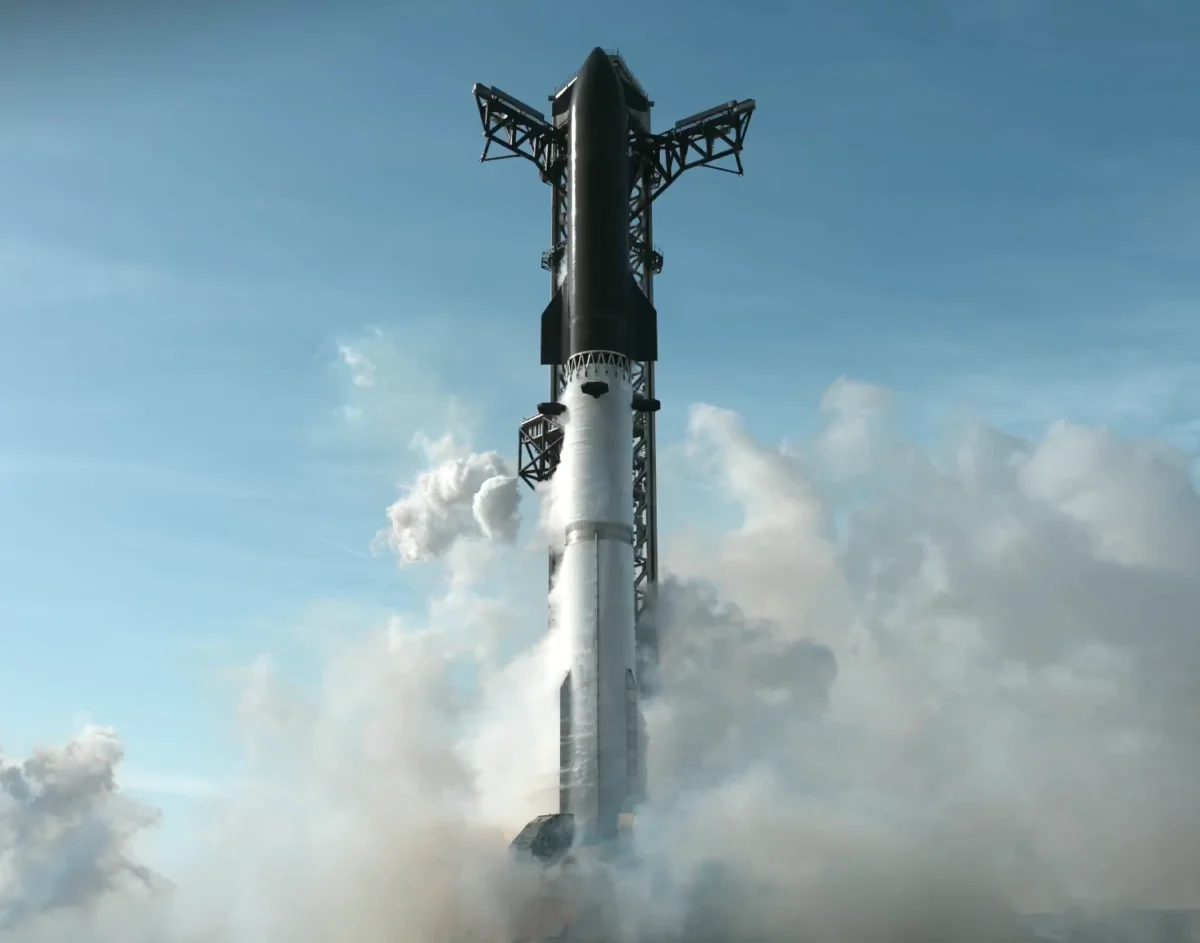
SpaceX’s pursuit of orbital dominance hit a sudden, pressurized wall on Thursday when the company was forced to abort the second launch attempt of its upgraded Starship V3 rocket system. The dramatic sequence occurred at the company’s Starbase facility in South Texas, with the booster’s engines igniting before an automated safety protocol abruptly terminated the countdown.
The abort, which occurred just moments after the ignition sequence began, serves as a sobering reminder of the extreme technical volatility inherent in the company’s mission to revolutionize space travel. For a company that recently navigated the largest initial public offering (IPO) in history, the incident has sent ripples through both the aerospace sector and the financial markets.
The Chronology: A Countdown Interrupted
The atmosphere at Starbase on Thursday was electric, fueled by the anticipation of testing the latest iteration of the most powerful launch vehicle ever built. Early in the countdown, operations proceeded with relative stability, save for a minor, brief hold at T-minus one minute. The mission control team cleared the hold efficiently, allowing the countdown to resume with a sense of guarded optimism.
As the final seconds ticked away, the launchpad’s sophisticated water deluge system—designed to mitigate the massive acoustic energy produced by the Raptor engines—sprang to life, shrouding the base of the tower in a curtain of mist. On the livestream, the Super Heavy booster roared to life, but the ascent never materialized.
The system’s automated safety logic, sensitive to the precise synchronization required for flight, detected a failure. Visual data from the broadcast suggested that at least four of the Raptor engines failed to ignite as commanded. In a fraction of a second, the complex choreography of the launch was replaced by a total engine shutdown, forcing the team to enter a standard "safing" procedure to secure the vehicle and its volatile propellant load.
Official Responses: Musk Addresses the Raptor Failure
Elon Musk, who frequently utilizes his social media platform, X, to provide real-time updates on SpaceX operations, was quick to address the situation.
"Some of the engines didn’t start, triggering an automatic launch abort," Musk confirmed in a post shortly after the event. He added that the engineering team would focus on replacing the two malfunctioning engines before attempting a re-flight. According to his updates, the company will not return to the launch pad until at least next week, allowing for a thorough diagnostic review.
The transparency provided by Musk serves as a double-edged sword; while it keeps the public informed, it also highlights the "trial-and-error" nature of SpaceX’s development cycle. This philosophy—building, testing, failing, and iterating—has allowed the company to move faster than traditional aerospace giants, but it also invites public scrutiny when high-profile launches fall short of their goals.
Supporting Data: The Stakes of the Starship V3 Mission
The objective of Thursday’s mission was twofold. Beyond the primary goal of testing the flight capabilities of the upgraded V3 system, SpaceX aimed to deploy a fleet of third-generation Starlink satellites.
Crucially, these satellites were slated for a short-lived mission. Because Starship has yet to demonstrate a fully successful path to Earth orbit, the satellites were designed to burn up in the atmosphere approximately 20 minutes after deployment. This serves as a "test flight" payload—a way to gather operational data without risking expensive, long-term infrastructure.
The Financial Pressure
The timing of this launch failure is particularly sensitive given the company’s recent transition to the public market. Since its record-breaking $85 billion IPO on June 12, SpaceX has been under the microscope of institutional investors. During the IPO, the company’s valuation briefly rivaled tech giants like Amazon and Microsoft, signaling immense investor confidence in the future of the space economy.
However, the post-IPO honeymoon has been brief. As of Thursday’s close, SpaceX stock had dipped below its initial offering price of $135. Following the news of the aborted launch, the stock experienced a further decline of over 4% in after-hours trading. This volatility highlights a disconnect between the long-term, multi-decade vision of Mars colonization and the short-term, quarterly-results-driven expectations of the public stock market.
Implications: The "Orbital Data Center" Vision
The success of the Starship V3 platform is not merely a matter of prestige; it is the linchpin of SpaceX’s entire business model.
The Economic Engine
Starlink remains the primary revenue generator for the company and is currently the only segment of the business that can be categorized as profitable. By evolving Starlink to a "third-generation" architecture, SpaceX aims to prove the concept of "orbital data centers." The vision is to treat space as a cloud computing environment, where data processing happens in orbit, reducing latency and creating a new paradigm for global internet connectivity.
If SpaceX can consistently launch these satellites, they solidify their grip on the global telecommunications market. If they cannot, the company risks stalling its primary revenue engine.
The Regulatory Landscape
The aborted launch also comes on the heels of an intense period of regulatory oversight. Following the mixed results of the May mission—where the Starship V3 successfully deployed simulators but suffered a booster failure before its intended landing in the Gulf of Mexico—the Federal Aviation Administration (FAA) mandated a rigorous review.
The FAA only cleared the company to fly again earlier this week after identifying specific technical fixes for the previous booster failure. The fact that a different set of engines failed to ignite on Thursday suggests that the technical hurdles of the Raptor engine program remain substantial. While the FAA has been supportive of SpaceX’s rapid pace, repeated failures—even if they are "safe" aborts—keep the company under a watchful regulatory eye.
A Decade of High-Stakes Innovation
The road to this point has been marked by rapid, often chaotic progress. The transition from the early days of the Falcon 9 to the current Starship era represents a shift from "reliable workhorse" to "transformative architecture."
The industry’s reliance on SpaceX is at an all-time high. With the company playing a central role in both civilian and government space exploration, the pressure to demonstrate that Starship is a stable, reliable vehicle is unprecedented. Every aborted launch is a data point, but for the investors watching the ticker symbols on Wall Street, it is also a question of when the massive capital expenditures will translate into sustainable, risk-free profit.
Looking Ahead
SpaceX’s engineers are now faced with a complex logistical challenge. They must drain the propellant from the vehicle—a hazardous process—before they can access the engines. Replacing two Raptor engines is a major operation that requires precision and time, potentially pushing the next launch window well into the coming weeks.
As the company looks toward next week’s attempt, the aerospace community remains cautiously optimistic. The history of rocketry is paved with aborted countdowns and scrubbed missions. For SpaceX, the goal remains the same: to make the transit between Earth and the stars as routine as an airplane flight. However, as Thursday’s events proved, the difference between a successful launch and a quiet day in South Texas often comes down to the split-second decision of a computer system, and the resilience of a company navigating the thin line between failure and the future.
Disclaimer: This report contains information gathered from official company statements and market data. When you purchase through links in our articles, we may earn a small commission. This doesn’t affect our editorial independence.