In the world of aftermarket automotive audio, the transition from one vehicle platform to another is often fraught with logistical challenges, electrical hurdles, and the inevitable "brainstorming" phase that defines a project car’s identity. The ongoing build thread, "The Equinox That Rocks," offers a transparent look into the meticulous process of transforming a stock Chevrolet Equinox into a high-fidelity mobile sound environment. Led by forum enthusiast ThxOne, the project serves as a masterclass in modular audio upgrades, covering everything from simple cosmetic lighting swaps to complex power distribution theories and subwoofer enclosure design.
Main Facts: The Vision for the Equinox
The core mission of the "Equinox That Rocks" project is to establish a robust, high-output audio system within a modern crossover SUV platform. Unlike traditional sedan builds, the Equinox presents a unique spatial geometry, particularly regarding the rear hatch and the under-floor storage area.

The owner has set ambitious goals:
- Acoustic Foundation: Replacing standard factory components with high-output midbass drivers and high-excursion subwoofers.
- Electrical Infrastructure: A planned overhaul of the stock 125-130A alternator system to a high-output variant (220A+) to support heavy power demands.
- Cosmetic Refinement: An initial phase focusing on low-impact, high-visibility LED upgrades to modernize the interior and exterior aesthetic.
- Strategic Planning: The build is being executed with an emphasis on future-proofing, specifically regarding cable routing and modular rack design for amplifiers and battery banks.
Chronology of the Build
The project gained significant momentum in late 2024, as documented through a series of forum updates tracking the progression from stock to custom.

Phase 1: Cosmetic Modernization (November 2024)
The build commenced with a pragmatic approach: optimizing the vehicle’s lighting. ThxOne discovered that the Equinox utilizes 194-style bulbs across the board, including five interior overhead lights and two license plate tag lights. By sourcing a cost-effective 10-pack of white LEDs, the owner successfully upgraded the vehicle’s lighting signature, providing a clean, modern aesthetic that complements the planned technical upgrades.
Phase 2: Power and Electrical Theory (November 21, 2024)
As the project shifted toward high-power audio, the focus turned to the "Big 3" electrical upgrade and battery placement. A central point of contention was the routing of the 2/0-gauge power cable. ThxOne proposed a direct run from the alternator to the rear of the vehicle, through a fuse/relay, and into the distribution block for the amplifiers. This sparked a community debate regarding the necessity of the front-to-back run versus the traditional alternator-to-battery-to-rear configuration.
Phase 3: Hardware Integration (November 25, 2024)
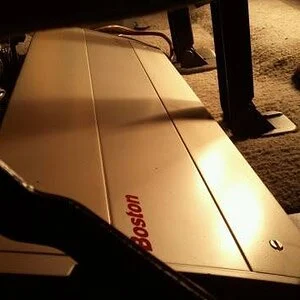
By late November, the owner successfully migrated his amplifier and subwoofer hardware from his previous vehicle (an Elantra). This phase involved the fabrication of a custom mounting board secured to the top of the subwoofer enclosure with L-brackets. With a maximum width constraint of 37.5 inches, the project reached a critical juncture: deciding between multiple 10-inch subwoofers or a single, high-performance 15-inch unit.
Supporting Data and Technical Considerations
Electrical Load Management
One of the primary concerns for any high-output build is voltage drop. The stock Chevrolet Equinox electrical system, rated at roughly 125-130A, is insufficient for a dual-amplifier setup, especially if the user intends to run multiple JP630 units. The proposed jump to a 220A+ high-output alternator is a standard industry response to this limitation.

ThxOne’s proposal to run a 2/0-gauge cable directly from the alternator to the rear distribution block is an aggressive approach to minimizing resistance. However, as noted by fellow enthusiasts, the standard industry practice of "Alternator to Battery, Battery to Rear" is often preferred to ensure the primary battery acts as a buffer, preventing sudden voltage spikes or dips from reaching the sensitive amplifier internals.
Enclosure Design and Spatial Constraints
The Equinox offers a unique "spare tire well" configuration. ThxOne has theorized that by removing the subfloor foam, there is significant room for a 15-inch driver, which would allow for a stealthy, high-output setup. The current plan involves:

- Orientation: Subs facing up, port facing the rear, which typically maximizes cabin gain in an SUV/Crossover platform.
- Dimensions: With a 37.5-inch width limit, the box must be compact yet tuned for low-frequency extension.
- Driver Selection: The debate between high-hitting 10s and a single high-excursion 15-inch driver remains open. The user previously achieved 145dB on the glass at 37Hz in a Jeep Grand Cherokee, providing a benchmark for the current project.
Community Feedback and Expert Consensus
The forum thread has become a collaborative space for troubleshooting. When ThxOne inquired about the efficiency of Def Bonce 6.5" midbass speakers, the community response was one of technical scrutiny.
The primary consensus among users like spokey9 is that many "midbass" speakers marketed in the car audio space are often just rebadged midrange drivers. For a true high-output build, the community emphasizes the importance of ensuring the drivers are specifically designed for the lower mid-frequency range (typically 60Hz–500Hz) to bridge the gap between the subwoofer and the tweeters.

Implications for Future Car Audio Enthusiasts
The "Equinox That Rocks" project highlights several key takeaways for those looking to undertake similar builds:
- Platform Limitations: Every vehicle has "bottlenecks." In the Equinox, the spatial constraints of the cargo area and the stock electrical system capacity are the primary hurdles.
- The Importance of Infrastructure: Before adding massive power, the electrical system (alternator, "Big 3" wiring, and battery capacity) must be solidified. Attempting to power heavy-duty subwoofers on a stock electrical system is a recipe for premature hardware failure.
- Modular Design: By building an amplifier rack that can be easily removed or reconfigured, ThxOne is ensuring that the system can evolve. This is a critical lesson for beginners: avoid permanent, non-serviceable installations.
- Community Knowledge: The input from experienced builders regarding the "Alternator-to-Rear" vs. "Alternator-to-Battery" debate saved the project from potential electrical errors. Engaging with forums is not just for show; it is a vital step in vetting technical designs.
Looking Ahead
As of the latest updates, the project remains in a state of flux. With the hardware removed from the previous vehicle and a clear path toward power and enclosure design, the next phase will likely involve the physical installation of the wiring and the construction of the permanent sub-box. The decision to either pursue a dual-10 setup or a singular high-end 15-inch SQL-style driver will define the system’s character—either favoring punchy, tight mid-bass or deep, gut-wrenching low-end frequencies.
For the owner, the journey is as much about the build process as it is about the final output. The "Equinox That Rocks" stands as a testament to the methodical, step-by-step approach required to build a system that is not only loud but also reliable and well-integrated into the daily-driver functionality of a modern SUV. As the project continues to evolve, the documentation provided by ThxOne will undoubtedly serve as a blueprint for other Equinox owners looking to break away from the constraints of factory audio.