While the global conversation surrounding major sporting spectacles like the 2026 World Cup typically centers on ultra-high-definition television displays, screen sizes, and refresh rates, seasoned sports enthusiasts understand that sight is only half the experience. The roar of a stadium, the sharp thud of a boot striking a ball, the tactical insights of commentary, and the collective gasp of tens of thousands of fans are what truly construct the emotional architecture of live sports. You do not simply watch the World Cup—you hear it.
As broadcast schedules demand late-night viewing across different time zones, and mobile streaming enables fans to follow matches on the move, personal audio has transitioned from an optional accessory to critical gear. Whether you are seeking budget-friendly wired earbuds for a portable radio, studio-grade over-ears for a late-night living room session, or premium active noise-canceling (ANC) wireless earbuds to block out a chaotic commute, selecting the right audio companion is essential.
Below is an in-depth, journalistically evaluated guide to the top headphones for the upcoming summer of soccer, followed by an analysis of the technological, historical, and market factors shaping how we consume sports audio today.
Main Facts: The Top Contenders for Sports Audio
To help you navigate the crowded audio marketplace, we have categorized and evaluated five standout headphone models across various price points and form factors. Each has been selected for its unique strengths in sports broadcasting, comfort, and audio performance.
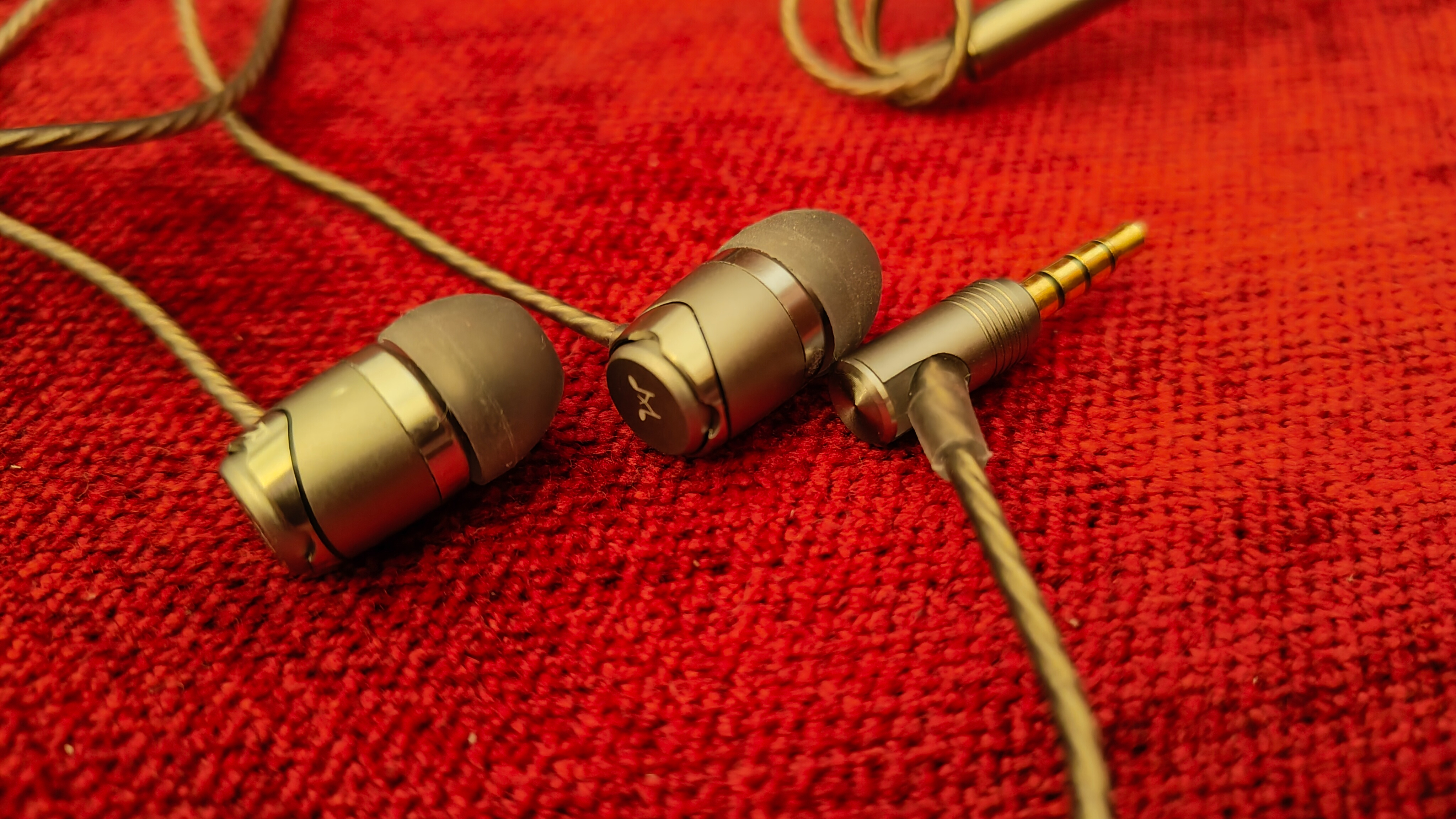
1. SoundMagic E11C: The Unbeatable Budget Wired Option
- Form Factor: Wired In-Ear
- Connectivity: 3.5mm jack
- Approximate Price: £35 / $45
For many purists, the ideal way to experience a major tournament is through the immediate, latency-free medium of live radio. The SoundMagic E11C earbuds are uniquely suited for this purpose. Featuring a standard 3.5mm auxiliary connector, they plug directly into portable receivers, such as the Roberts Revival Petite 2, allowing users to follow real-time match commentary without disturbing others.
Despite their modest price tag, the E11C earbuds offer an remarkably sophisticated soundstage. They balance crisp treble with a surprisingly robust low-end, ensuring that both the commentator’s voice and the low-frequency rumble of the crowd are rendered with clarity. Furthermore, the resurgence of wired headphones as a contemporary fashion statement adds a layer of lifestyle appeal to this highly practical, affordable choice.
2. Røde NTH-100: Studio-Grade Comfort for Extended Viewing
- Form Factor: Wired Over-Ear (Closed-Back)
- Connectivity: 3.5mm jack (with locking cable)
- Approximate Price: £110 / $130
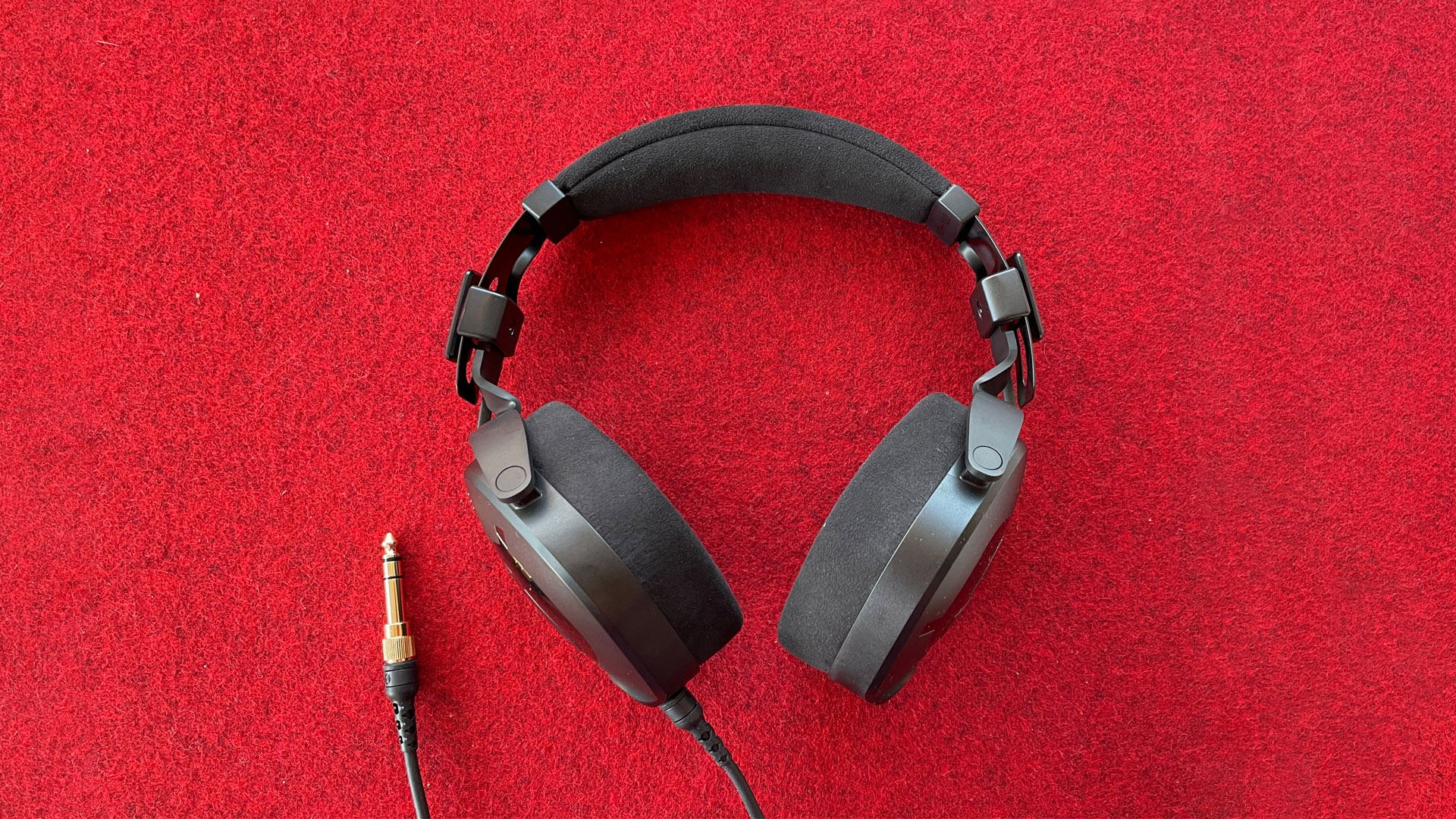
If in-ear monitors cause physical fatigue during long matches, the Røde NTH-100 over-ear headphones present an exceptional alternative. Engineered by a brand synonymous with professional broadcast microphones, these headphones bring studio-monitoring precision to consumer sports viewing.
The NTH-100 features custom-matched 40mm dynamic drivers that deliver an incredibly flat, neutral frequency response. This means you hear the broadcast exactly as the sound engineers intended, without artificial bass boost masking the commentary. Comfort is a primary design focus: the earpads are covered in premium Alcantara fabric and integrated with CoolTech gel, which actively absorbs and dissipates heat—a crucial feature during high-stress penalty shootouts on warm summer nights.
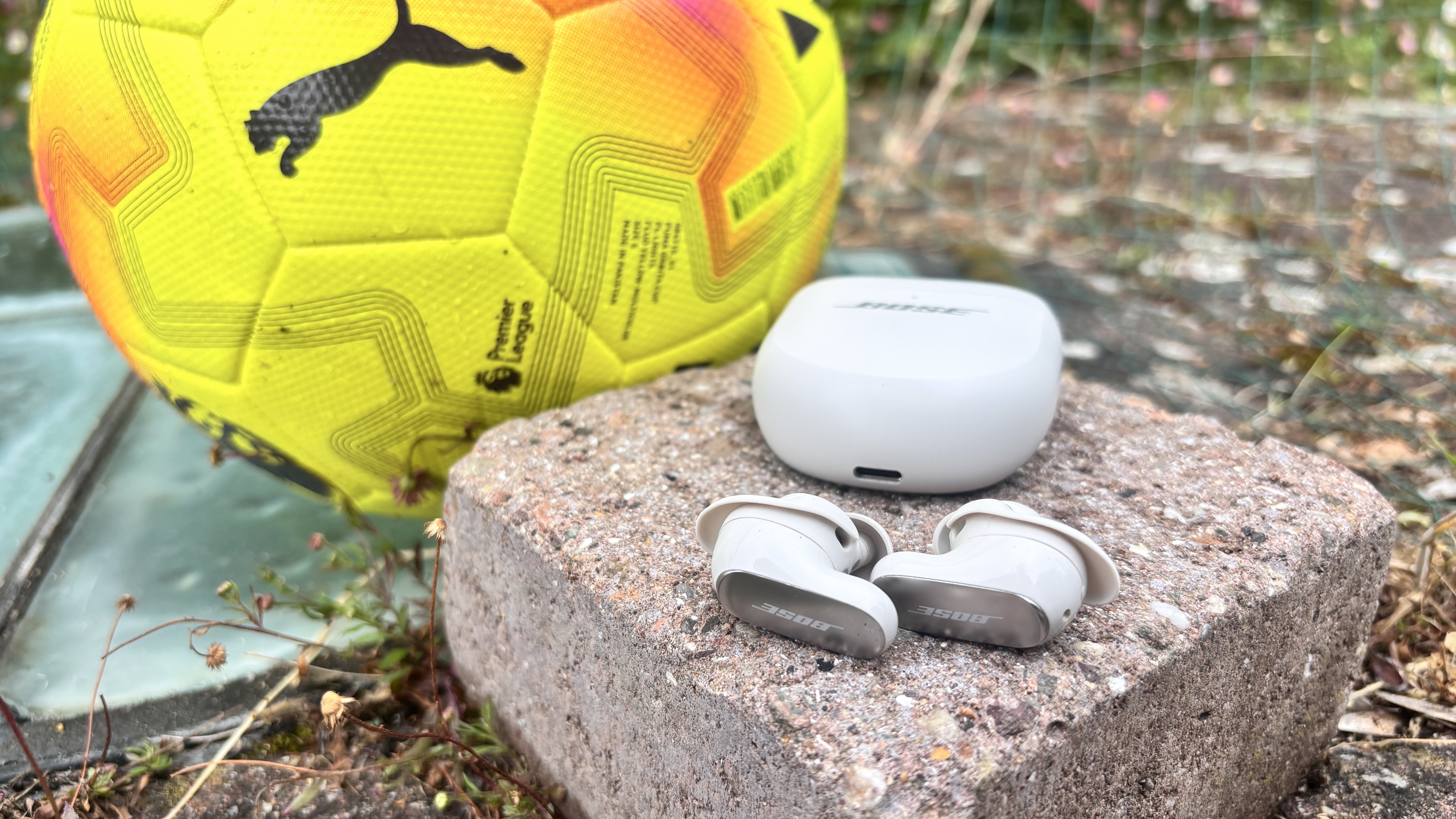
3. Bose QuietComfort Ultra Earbuds (2nd Gen): Unmatched Isolation and Spatial Immersion
- Form Factor: True Wireless In-Ear
- Connectivity: Bluetooth 5.3 (with Snapdragon Sound)
- Approximate Price: £250 / $300
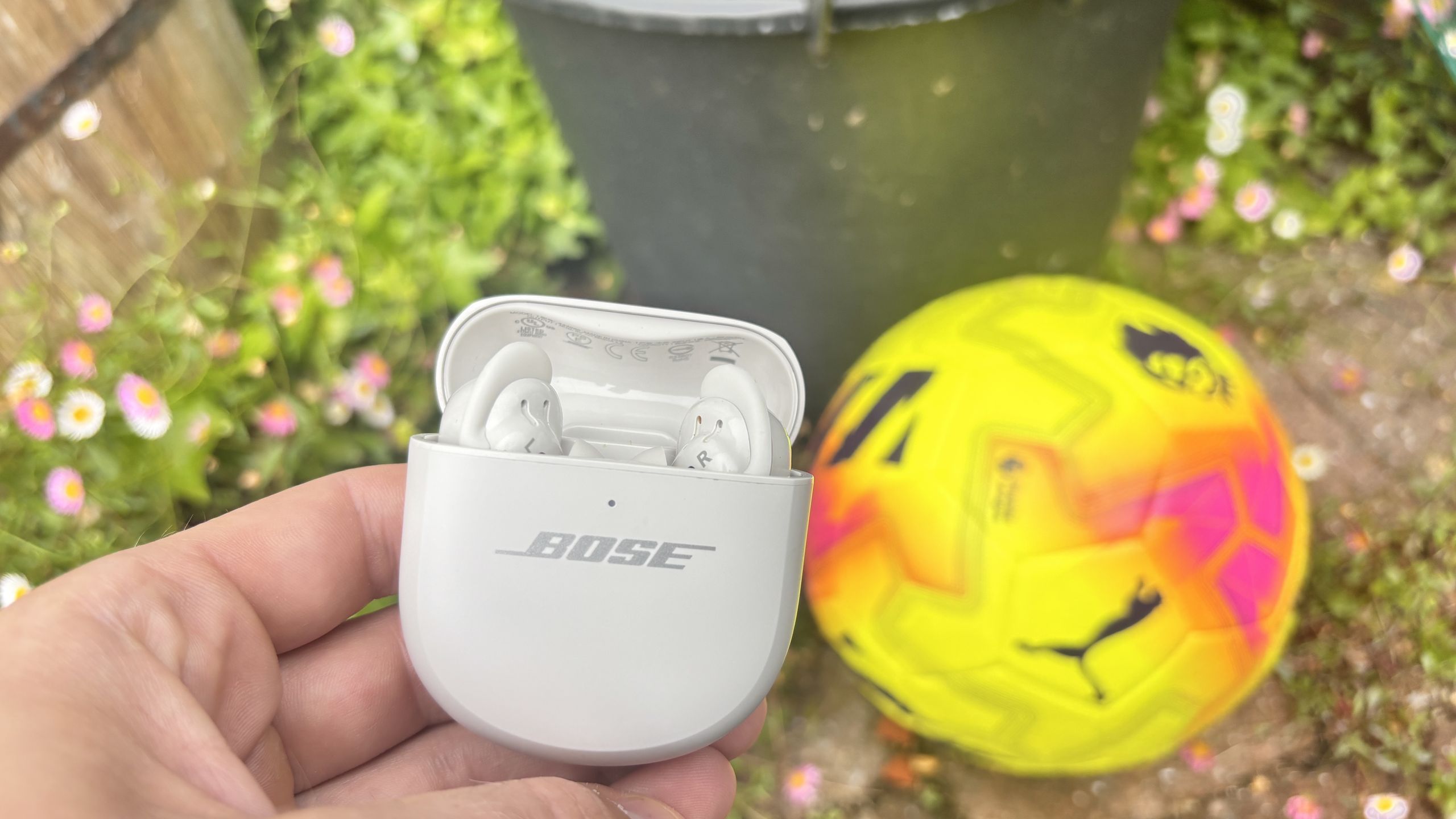
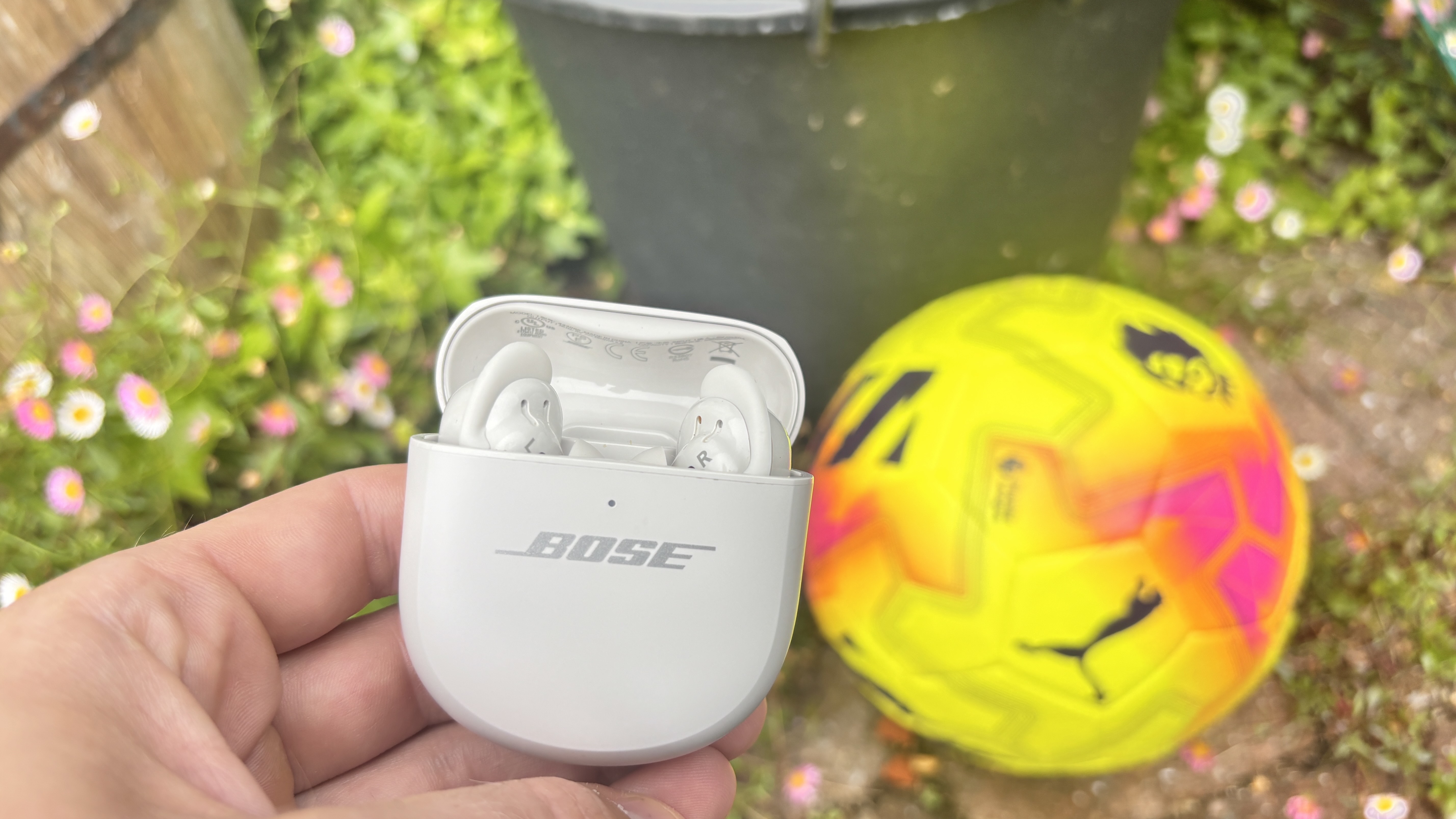
For viewers seeking a premium, untethered experience, the Bose QuietComfort Ultra Earbuds (2nd Gen) represent the pinnacle of active noise cancellation. If you are attempting to watch a high-stakes match in a noisy household or while commuting, Bose’s industry-leading ANC technology effectively isolates you from external distractions.
A standout feature for sports fans is Bose’s proprietary "Immersive Audio" mode. By utilizing advanced digital signal processing (DSP), these earbuds create a wider, more multi-dimensional soundstage. This spatial audio processing makes you feel as though you are sitting in the center of the stadium, with the crowd noise wrapping around you while the commentary remains anchored directly in front. Additionally, their secure, ergonomic fit ensures they remain comfortably in place, even if you leap up to celebrate a last-minute goal.
4. Sennheiser Momentum HDB 630: The High-Fidelity Hybrid Powerhouse
- Form Factor: Wireless Over-Ear (with wired capability)
- Connectivity: Bluetooth, USB-C, and 3.5mm jack
- Approximate Price: £300 / $350
The Sennheiser Momentum HDB 630 is designed for audiophiles who refuse to compromise on audio quality, regardless of the source. These premium over-ear headphones offer a versatile hybrid connectivity suite, featuring high-quality wireless playback alongside physical USB-C and 3.5mm connections.
When used wirelessly, the HDB 630 utilizes a specialized USB-C transmitter dongle that unlocks Qualcomm’s aptX Adaptive codec. This technology dramatically reduces latency—a common issue where the audio of a kick or a whistle lags behind the video display. Combined with Sennheiser’s signature detailed sound signature and plush, deeply padded ear cushions, these headphones deliver an elite, lag-free viewing experience.
5. Sony WF-C710N: The Smart, Long-Lasting Everyday Companion
- Form Factor: True Wireless In-Ear
- Connectivity: Bluetooth
- Approximate Price: £80 / $100
For a highly capable, mid-range wireless option, the Sony WF-C710N stands out as an exceptional value. As a multi-award winner in its price category, these earbuds strike a perfect balance between performance, features, and cost.
The WF-C710N boasts an impressive combined battery life of up to 30 hours when paired with its charging case, ensuring you will not run out of power during back-to-back match days. Equipped with reliable active noise cancellation and Sony’s Digital Sound Enhancement Engine (DSEE)—which upscales compressed audio files in real-time—these earbuds ensure that even low-bitrate sports streams sound clean, dynamic, and engaging.
Chronology: The Evolution of Sports Audio Technology
The way sports fans consume audio has undergone a massive technological shift over the past century. Understanding this timeline helps illustrate why modern headphones have become such sophisticated, essential pieces of hardware.
[1930s-1950s] Early Radio Broadcasts (Mono, AM band, high latency, communal listening)
       │
[1970s-1980s] Transistor Radio Boom (Stadium spectators listening to live commentary in real-time)
       │
[1990s-2000s] Portable Television & MP3 Era (Stereo sound, early analog wireless systems)
       │
[2010s-2020s] Streaming & Bluetooth Revolution (True wireless, digital compression, low-latency codecs)
       │
[2026 & Beyond] Spatial Audio & Personalization (Dolby Atmos, interactive object-based audio mixing)- The 1930s–1950s (The Mono Radio Era): Live sports broadcasting began on the AM radio band. Audiences gathered around large, stationary home receivers. Audio quality was highly compressed, prone to static, and strictly monaural.
- The 1970s–1980s (The Transistor Revolution): The introduction of portable transistor radios transformed the fan experience. Spectators inside the stadium began wearing simple, single-earpiece monaural headphones to listen to live play-by-play commentary while watching the pitch, bridging the gap between live action and expert analysis.
- The 1990s–2000s (Stereo and Portable TV): The rise of portable televisions and advanced analog pocket radios introduced stereo sound to sports. Fans could now hear crowd noise split across left and right channels, creating an early sense of acoustic space.
- The 2010s–2020s (The Wireless and Streaming Age): The proliferation of smartphones, digital streaming apps, and Bluetooth technology shifted sports viewing to mobile devices. However, early Bluetooth versions introduced significant audio lag (latency), prompting manufacturers to develop low-latency codecs specifically for video and gaming.
- 2026 and Beyond (Spatial Audio and Interactive Mixing): Modern broadcasts now support object-based audio formats like Dolby Atmos. Today’s advanced headphones are engineered to decode these formats, allowing fans to customize their audio experience—such as boosting the commentator’s volume or muting the commentary entirely to enjoy pure, raw stadium acoustics.
Supporting Data: Market Trends and Technical Performance
The shift toward high-performance personal audio for sports is supported by clear consumer data and technical performance metrics.
Mobile Sports Consumption Metrics
According to global media consumption reports, sports viewing habits have shifted significantly toward mobile and personal devices:
| Age Demographic | Percentage Watching Sports on Mobile/Tablet Devices |
|---|---|
| Under 35 | 62% |
| 35 to 54 | 44% |
| 55 and Over | 21% |
This high rate of mobile consumption among younger demographics highlights the critical need for quality headphones. When viewing matches on public transit, in offices, or in shared living spaces, built-in phone or tablet speakers are simply inadequate.
The Latency Factor
For live sports, audio-to-video synchronization is critical. Standard Bluetooth connections can introduce noticeable delays, which can ruin key moments of a match:
[Audio Codec Latency Comparison]

SBC (Standard):     ████████████████████ 220ms (Noticeable lag; ball strike heard after visual impact)
AAC (Apple):        ██████████████ 150ms (Moderate lag; acceptable for casual viewing)
aptX Adaptive:      ████ 40ms (Virtually imperceptible; perfect synchronization)
Wired (3.5mm):      ▏ 0ms (Absolute real-time instantaneous transmission)
This data illustrates why wired options like the SoundMagic E11C and Røde NTH-100, or wireless models equipped with low-latency transmitters like the Sennheiser Momentum HDB 630, are highly favored by sports viewers who demand precise synchronization.
Official Responses: Industry Perspectives and Expert Insights
Broadcasters and audio manufacturers alike recognize that audio is a critical element of the modern viewing experience.
In technical briefings, FIFA’s host broadcast services have consistently emphasized their commitment to capturing the authentic acoustic environment of the tournament. Audio engineers strategically place dozens of ultra-sensitive directional microphones around the pitch to capture specific on-field interactions, from the referee’s whistle to the sound of the ball hitting the net.
Reflecting on the engineering challenges of sports audio, a senior product manager at Sennheiser noted:
"Capturing the raw energy of a stadium while maintaining pristine voice intelligibility for commentators is one of the most difficult balancing acts in live audio. Our goal with products like the HDB 630 is to give listeners the dynamic range and separation necessary to hear the crowd’s roar without losing the commentator’s tactical breakdown in the mix."
Furthermore, editorial reviews from specialist publications like What Hi-Fi? consistently highlight that sports-focused headphones must deliver balanced mid-range frequencies. Because human speech resides primarily in the mid-range, headphones with a scooped sound signature (recessed mids) often struggle to deliver clear commentary, forcing users to raise the volume to potentially unsafe levels just to hear the play-by-play analysis.
Implications: How Immersive Audio Changes the Fan Experience
The continuous advancement of personal audio technology is fundamentally redefining the relationship between sports fans and live broadcasts.
The Personalization of the Fan Experience
As broadcasters adopt object-based audio formats, future sports streams will allow viewers to customize their audio mix directly through their headphones. Fans will have the option to select home or away crowd audio feeds, listen to the raw stadium environment without commentary, or access specialized audio descriptions for the visually impaired. High-quality headphones with wide dynamic range are essential to fully appreciate these customized audio options.
Resolving Household Conflicts
As international tournaments feature match schedules that span late nights and early mornings, high-fidelity headphones serve as a practical solution for shared households. They allow dedicated fans to enjoy matches at stadium-level volumes without disrupting sleeping family members or neighbors.
The Democratic Access to Premium Sound
Perhaps the most encouraging implication of today’s audio market is the democratization of high-quality sound. As demonstrated by the SoundMagic E11C and the Sony WF-C710N, fans no longer need to spend a fortune to enjoy clear, lag-free, and immersive sports audio. Whether utilizing budget-friendly wired earbuds or state-of-the-art spatial wireless systems, today’s sports fans are better equipped than ever to experience every moment of the beautiful game.