By Rush Paul, originally featured in Positive Feedback
The modern landscape of high-resolution digital music is not merely growing; it is flourishing. For the discerning listener, we are currently living in a golden age of accessibility, where the meticulous efforts of labels like Eudora, 2L, Cobra, and Pentatone bring the concert hall—and the recording studio—directly into our listening rooms.
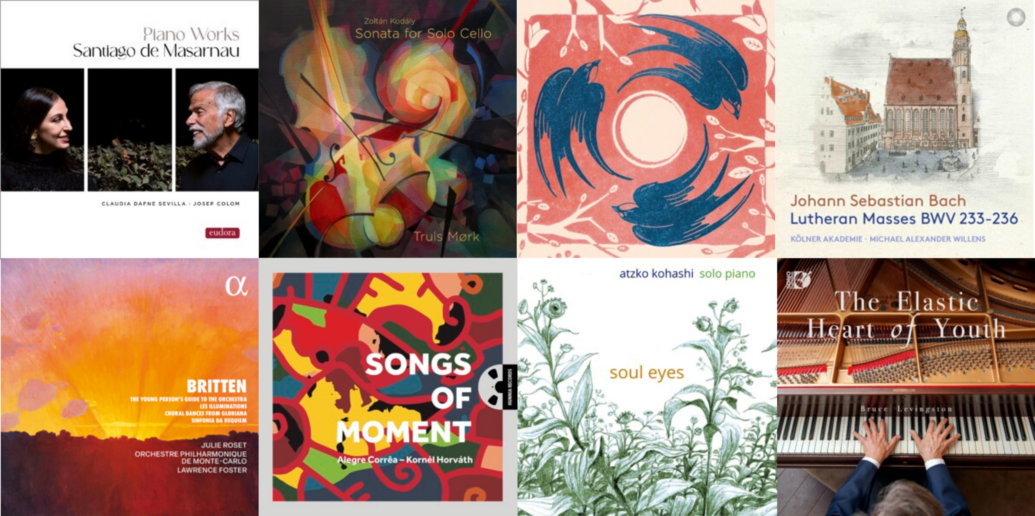
In this installment of "Recent Finds," I have selected eight standout releases available on NativeDSD. These recordings represent the pinnacle of current production standards, blending world-class performance with sonic fidelity that challenges the limits of contemporary playback systems.
The Rediscovery of Romanticism: Santiago de Masarnau
The Musical Resurrection
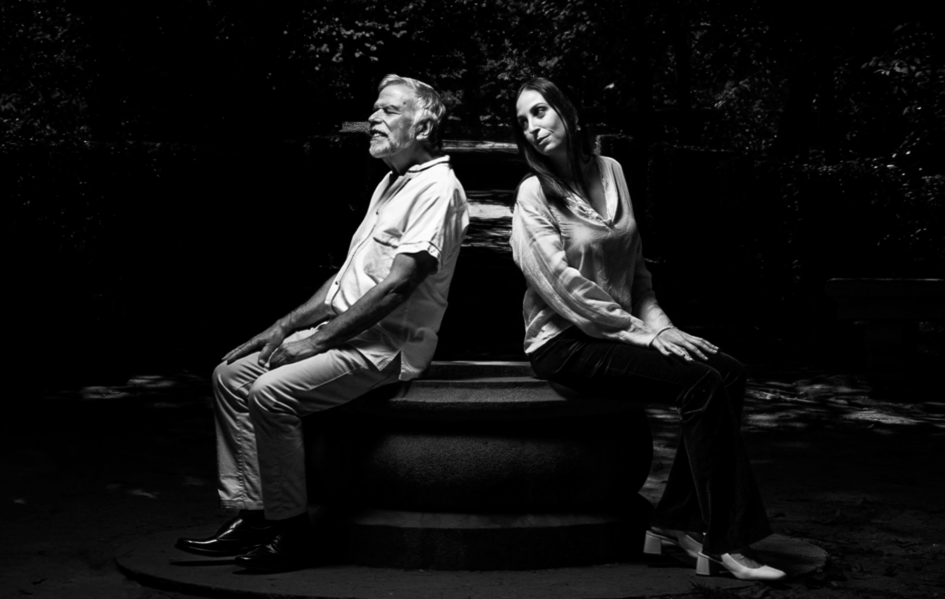
The three-volume set of Santiago de Masarnau: Piano Works (Eudora Records) is nothing short of a landmark achievement. Masarnau (1805–1882) was a pivotal, if under-recognized, bridge between European Romanticism and the Spanish musical tradition. Until this world-premiere recording, much of his output remained in obscurity.
Pianists Josep Colom and Claudia Dafne Sevilla have curated a collection that is as intellectually rigorous as it is emotionally resonant. As Sevilla notes in the accompanying liner notes, Masarnau’s influence extended beyond his compositions into his critical writing for the journal El Artista. His Parisian years, spent in the company of Liszt, Chopin, and Alkan, deeply informed his aesthetic, yet he eschewed the theatrical excess of his peers in favor of a restrained, inward-looking pianism that feels remarkably modern.
Technical Prowess and Sonic Fidelity
Recorded at the Auditorio de Zaragoza, Gonzalo Noqué has delivered what can only be described as a sonic benchmark. Captured in Pure DSD256, the 1957 Steinway Model D is rendered with breathtaking transparency. Noqué’s philosophy—a holistic approach to microphone placement and venue acoustics—ensures that the piano’s harmonic bloom is preserved without artificial compression. This is high-resolution audio at its most authentic: an unforced, crystalline window into the soul of the instrument.
The Cello as an Orchestra: Truls Mørk’s Kodály
A Monumental Achievement
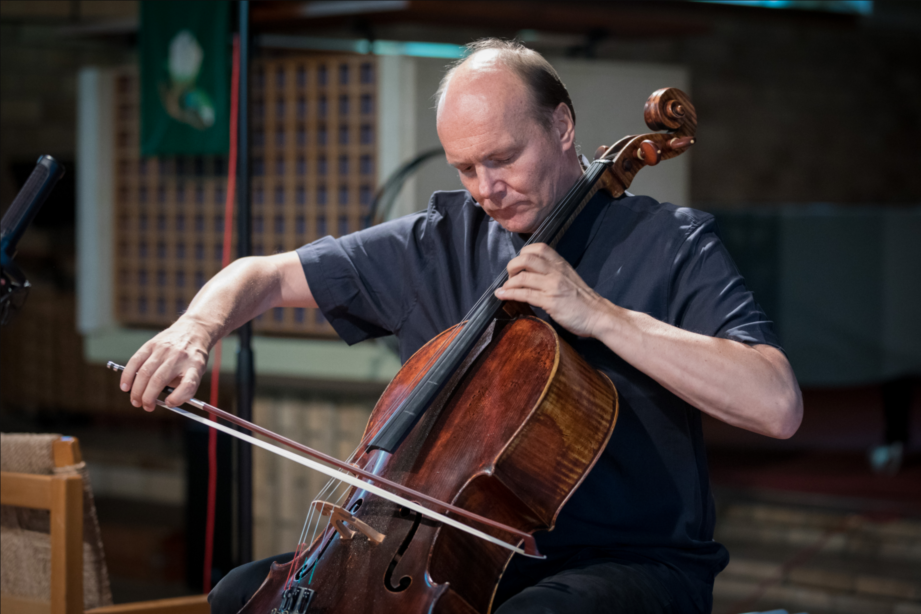
Zoltán Kodály’s Sonata in B Minor for Solo Cello, Op. 8 is widely regarded as the most significant work for the instrument since the suites of J.S. Bach. It is a grueling, technically demanding piece that requires more than just virtuosity; it requires a structural narrative. Truls Mørk’s performance, released by 2L, is a masterclass in tension and release.
The 2L Soundscape
Morten Lindberg, the force behind 2L, captures Mørk’s cello with his signature three-dimensional realism. Using a DXD 32-bit master, the recording preserves the tactile grit of bow hair against string and the resonant decay of the Jar Church. Mørk utilizes scordatura (non-standard tuning) to deepen the instrument’s resonance, creating a dark, orchestral sonority that is both haunting and beautiful. It is an essential addition to any serious cello collection.
Reclaiming Folk Roots: Agathe Ensemble
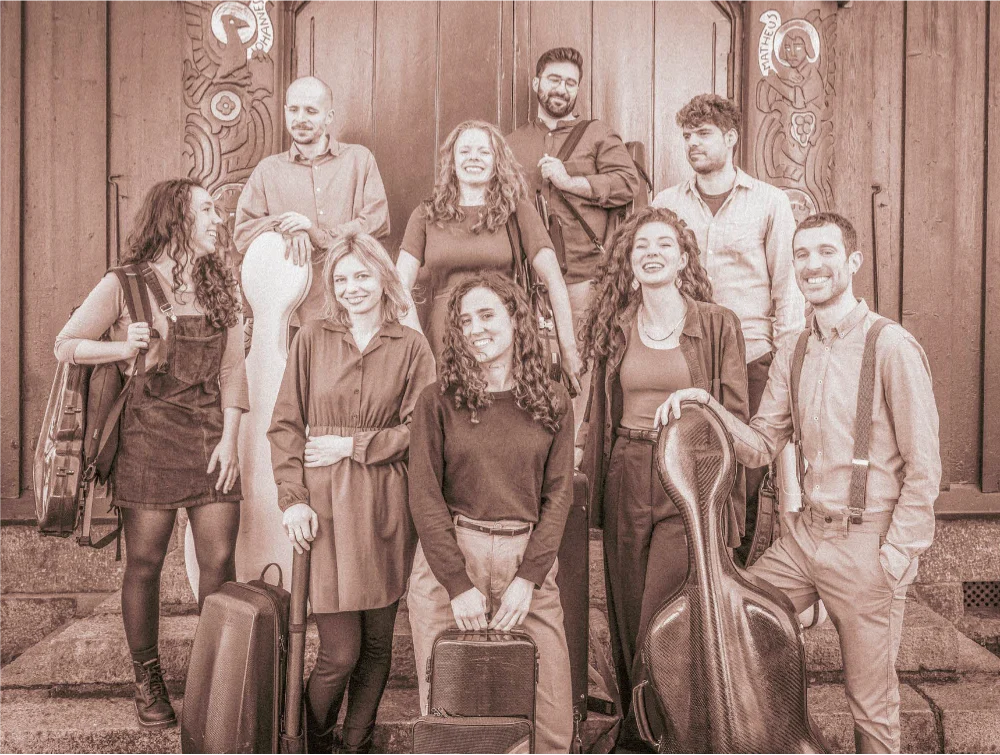
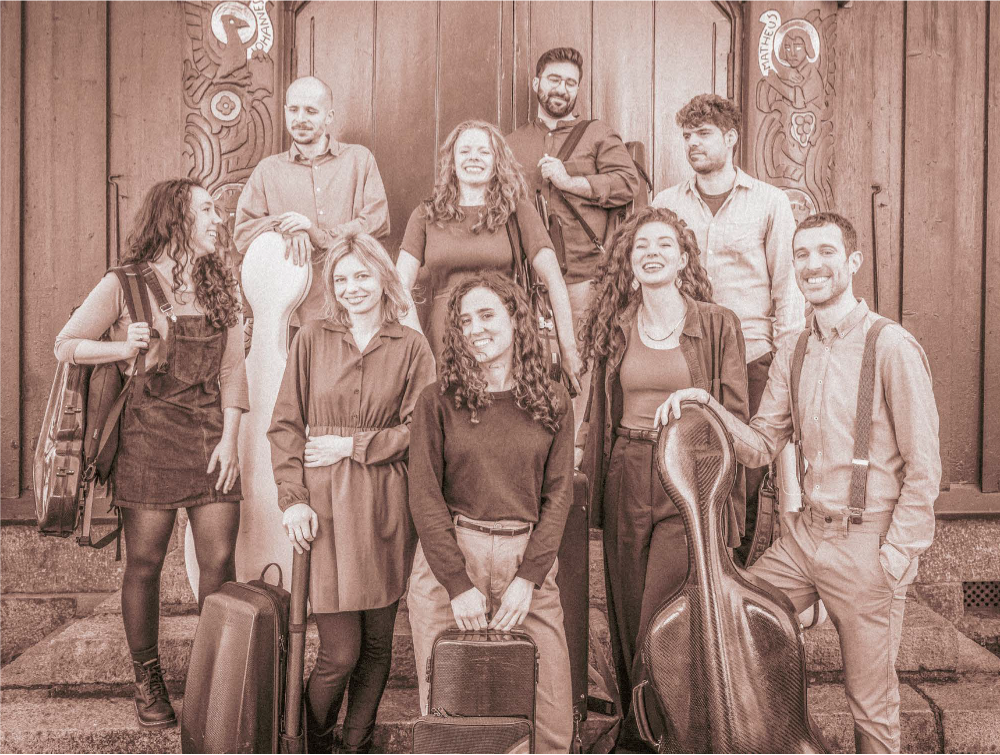
In Scenes of a Folk Life, the Agathe Ensemble challenges the "Romantic accretions" that have long smoothed over the rough, rhythmic edges of folk-inspired classical music. By re-arranging works by Röntgen, Maier, and Grieg for various string combinations—from duos to septets—the ensemble restores the physicality and dance impulse inherent in the source material. This is music that doesn’t just sit on the page; it moves, breathes, and demands engagement.
Bach, Refined: The Kölner Akademie
Theological and Musical Context
The Lutheran Masses (BWV 233–236) by J.S. Bach represent a fascinating "reduction" of the composer’s art. Often misunderstood as mere recycled cantata movements, these Missae breves demonstrate Bach’s genius for transformation. They are concentrated, devotional, and direct.
Performance and Engineering
The Kölner Akademie, led by historically informed performance practices, brings a light, agile touch to these works. While the original recording resolution (96kHz PCM) leaves some room for desire regarding pure aural density, the engineering team has achieved remarkable clarity. The contrapuntal lines are sharply etched, and the vocal quartet balances perfectly with the bright wind textures, resulting in an intimate, focused listening experience.
Reflections on Time: Bruce Levingston
A Meditative Program
Bruce Levingston’s The Elastic Heart of Youth (Sono Luminus) is less a traditional recital and more a philosophical exploration of vitality. Moving from the quiet stillness of Sibelius to the volatile intensity of Janáček, the program is anchored by Missy Mazzoli’s titular composition. Mazzoli’s ability to weave modern innovation into the fabric of the piano repertoire is a highlight of the current decade.
Acoustic Presence
Recorded in a converted church with a vaulted wood ceiling, Daniel Shores has captured the Steinway with striking presence. The natural resonance of the venue serves the music, providing a space where silence is as important as the notes themselves.
Cross-Cultural Dialogue: Songs of Moment
Alegre Corrêa and Kornél Horváth’s Songs of Moment (Hunnia Records) is a daring, genre-defying collaboration. Merging Brazilian folk, European traditions, and American jazz, the duo creates a sound world that is "wild and different." The 20th Anniversary DSD256 remastering process, utilizing an analog Studer 962 console, has injected new life into the recording, preserving the raw, live energy that defines their partnership.
The Art of the Solo Piano: Atzko Kohashi
The Decca Tree Technique
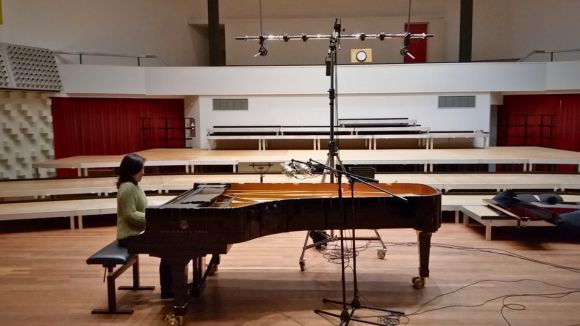
Atzko Kohashi’s Soul Eyes (Sound Liaison) serves as a testament to the "less is more" philosophy. By removing the piano lid and employing a Decca Tree microphone array, engineer Frans de Rond captured the instrument as if it were an orchestra. This allows the piano to bloom naturally, without the harshness often found in close-mic recordings.
The Philosophy of Flow
De Rond’s decision to allow for long, uninterrupted takes—free from the "technical anxieties" of modern editing—results in a performance that feels profoundly honest. Kohashi’s improvisation is poetic, searching, and deeply authentic. It is a reminder that the best recordings capture not just the music, but the state of mind of the performer.
Breaking New Ground: Britten by Lawrence Foster
Redefining the Standard
One might ask, "Do we need another Young Person’s Guide to the Orchestra?" The answer, provided by Lawrence Foster and the Orchestre Philharmonique de Monte-Carlo (Alpha Classics), is a definitive "Yes." By opting for faster tempos and a more transparent, chamber-like sound, Foster strips away the "Edwardian grandeur" that often weighs down this piece, revealing instead a thread of wry humor and intellectual curiosity.
Implications for the Listener
This album acts as a bridge for those who might find Britten inaccessible. The clarity afforded by Erdo Groot’s engineering ensures that every section of the orchestra is distinct, shifting the listener’s perspective from the "orchestral wash" to an analytical, immediate engagement with the score. Even to the skeptical ear, this performance proves that a fresh approach can illuminate even the most familiar works.
Conclusion: The Path Forward
As these eight releases demonstrate, the state of recorded music is robust. Whether it is the rediscovery of the works of Santiago de Masarnau or the innovative sonic engineering found in Atzko Kohashi’s solo sessions, these albums reflect a commitment to both artistic excellence and technological advancement. For the audiophile, the choice is no longer about finding "good" music, but about choosing which masterful experience to savor next.
For further technical specifications and to listen to these recordings, visit the NativeDSD portal.