By Adrian Wu
Dmitri Shostakovich remains one of the most enigmatic figures in 20th-century classical music. His symphonies, concertos, and quartets are more than mere compositions; they are historical artifacts—a sonic map of the fear, resilience, and profound suffering experienced in the Soviet Union. To engage with his music is to engage with a man who navigated the treacherous waters of Stalinist tyranny, hiding subversive messages behind a veil of superficial conformity.
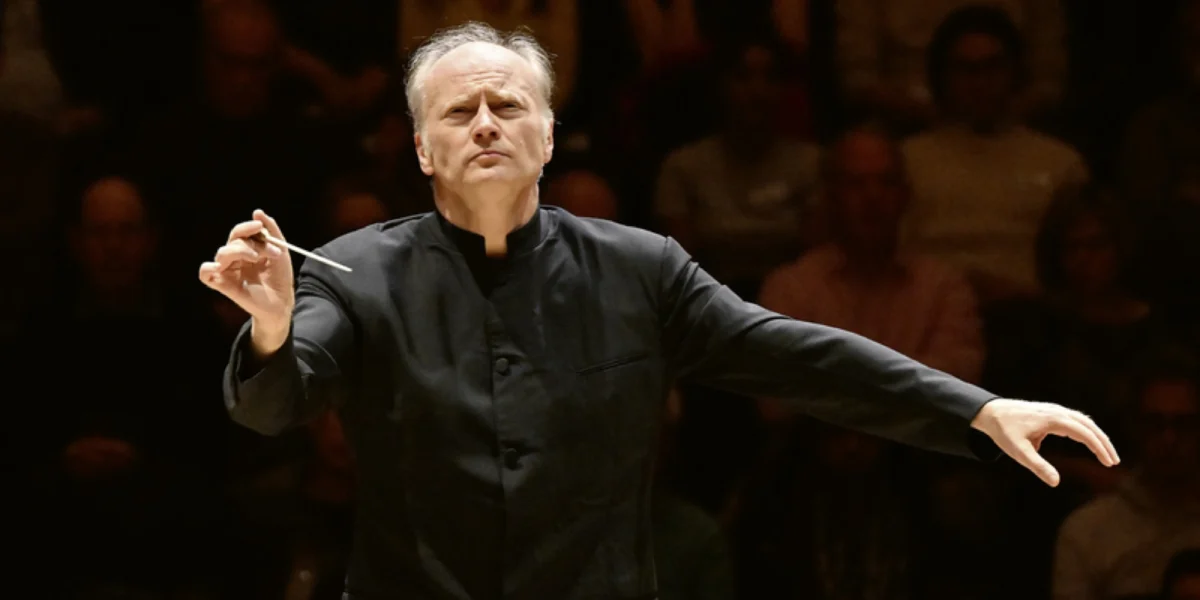
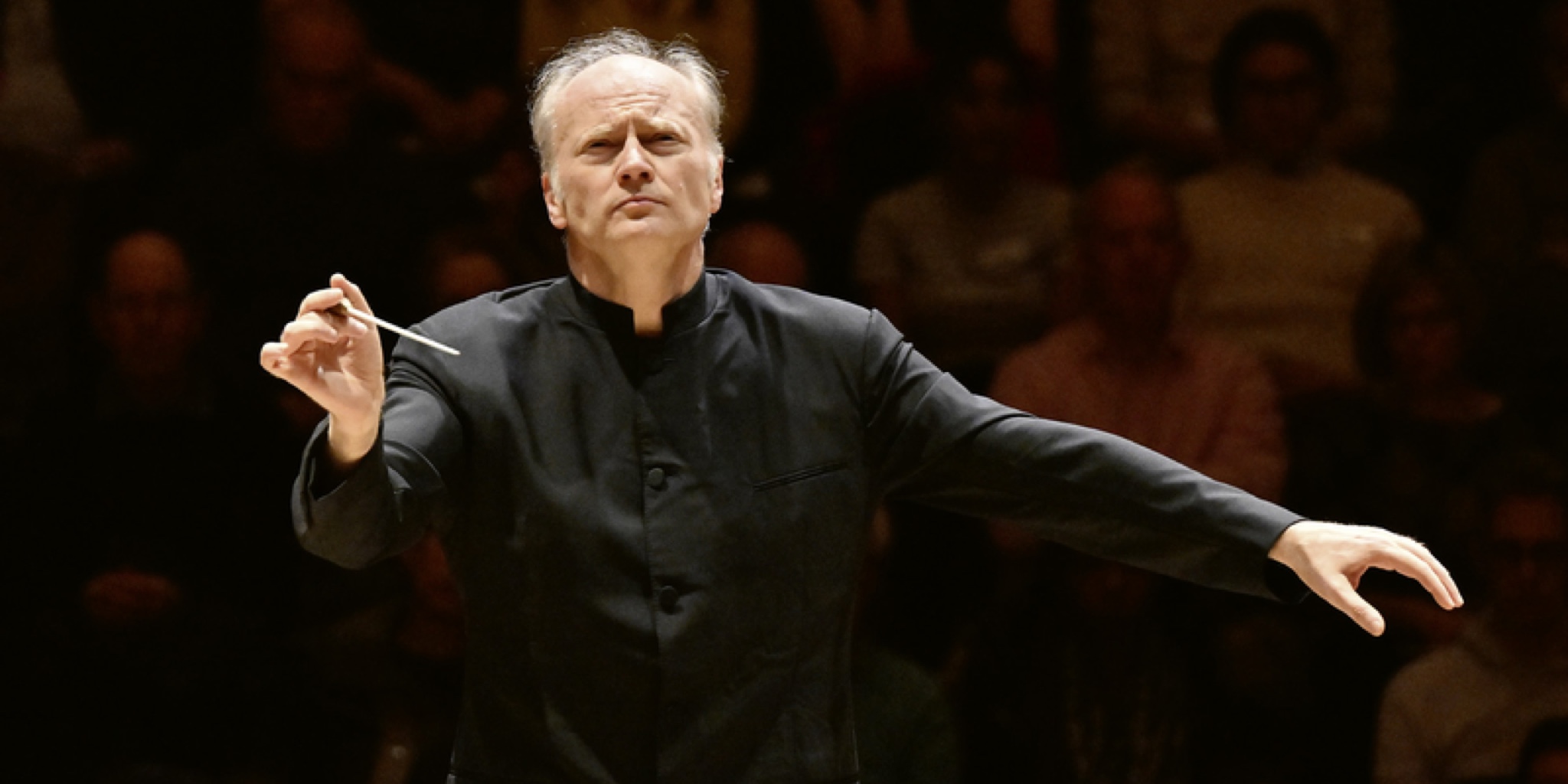
Recently, the LSO Live label released a new recording of Shostakovich’s Symphony No. 11 in G Minor, Op. 103, "The Year 1905." Performed by the London Symphony Orchestra under the baton of Gianandrea Noseda and captured in high-resolution DSD256, this recording offers a compelling modern perspective on a work that has long been misunderstood by the Western canon.
The Historical Context: A Revolution in Sound
Commissioned in 1957 to commemorate the 40th anniversary of the October Revolution, Symphony No. 11 was initially greeted with skepticism in the West. Critics, often viewing the work through the lens of Cold War politics, dismissed it as "Soviet propaganda" or a glorified film score.
However, this critique ignores the reality of Shostakovich’s existence. By 1957, the composer had survived the brutal purges of the Stalin era—a period that claimed the life of his contemporary, Sergei Prokofiev, on the very day Stalin died. Shostakovich had mastered the art of the "double-speak." Much like a clandestine operative, he crafted music that appeared to celebrate the state while embedding deep, often subversive, lamentations within the structural fabric of the symphonies.
The symphony itself is a programmatic depiction of the "Bloody Sunday" massacre of January 9, 1905. On that day, thousands of peaceful petitioners gathered before the Winter Palace in St. Petersburg to appeal to the Tsar regarding government corruption and incompetence. They were met not with empathy, but with a hail of gunfire that killed hundreds. Historians now recognize this atrocity as the spark that ignited the fires of the revolution. Shostakovich captures the atmosphere of that day with chilling precision, from the cold, frozen anticipation of the opening to the explosive violence of the finale.
Comparative Analysis: Analog Heritage vs. Digital Precision
To understand the weight of Noseda’s new interpretation, it is necessary to look back. One of the most revered accounts of this work remains the 1980 EMI recording by the Bournemouth Symphony Orchestra, conducted by Paavo Berglund. For decades, audiophiles have pointed to this LP as a benchmark for demonstration-quality sound.
When revisiting the Berglund record—freshly cleaned and played on a modern high-end system—the raw, visceral power of the performance remains undeniable. Berglund’s approach is characterized by a flexible, almost volatile tempo that captures the sheer terror of the events. It echoes the legendary, uncompromising intensity of Yevgeny Mravinsky and the Leningrad Philharmonic. The Bournemouth players, perhaps less "polished" than their modern counterparts, deliver a performance that feels dangerously on the edge of collapse, perfectly mirroring the chaos of the 1905 massacre.
In contrast, the new LSO Live recording, captured live at the Barbican Hall in 2022, presents a different philosophy. While the Berglund recording is a triumph of the analog era, the Noseda/LSO performance is a testament to modern technical perfection.
Sound Quality and the DSD Format
The LSO Live release, provided in DSD128 (sourced from a DSD256 master), offers a level of clarity that the analog format simply cannot replicate. In the quiet, ominous opening movement, the "non-existent" background noise of the digital recording allows for a chilling, sustained tension. Where the surface noise and pops of an LP might distract the listener in the work’s most delicate passages, the digital format allows the dark, menacing silence of the Winter Palace to permeate the room.
The LSO’s execution is technically flawless. Every woodwind entry is placed with surgical precision, and the string textures are rich without ever veering into shrillness. The tympani strikes, in particular, possess an explosiveness and solidity that are startlingly realistic. This is a recording that pushes the dynamic range of any high-end audio system to its absolute limits.
Supporting Data: The LSO Live Model
The success of this recording is also a case study in the modern business model of world-class orchestras. LSO Live, the orchestra’s own label, has effectively bypassed the traditional record label hierarchy. By retaining ownership of their recordings, the London Symphony Orchestra ensures that revenue is shared directly with the musicians and the conductor. This strategy not only sustains the artistic endeavor but serves as a vital tool in broadening the orchestra’s global audience.
By capturing live performances rather than studio sessions, the LSO captures a unique energy—a "live" factor that is increasingly sought after by listeners who find studio-produced recordings too clinical or "bland."
Implications: The Evolution of Interpretation
Does the modern, polished approach of Noseda surpass the raw, historical intensity of Berglund? The answer lies in what the listener values most in Shostakovich.
Noseda’s interpretation is undeniably powerful. He brings a structural clarity to the symphony that reveals the genius of Shostakovich’s orchestration. The way he allows the solo woodwinds to emerge from the "dark recesses" of the soundstage in the first movement is masterful. However, there is a legitimate argument that Shostakovich’s music, born of such profound suffering, benefits from a "rougher" edge.
The LSO is, perhaps, too perfect. While Berglund’s Bournemouth players occasionally sound as though they are struggling to maintain control—adding to the palpable anxiety of the piece—the LSO sounds consistently in command. This creates a fascinating paradox: the Noseda recording is more technically "accurate" to the score, while the Berglund recording feels more "accurate" to the emotional terror of the historical event.
The only slight drawback to the new LSO release is the acoustic of the Barbican Hall itself. When compared to the legendary resonance of venues like Kingsway Hall or Boston Symphony Hall, the acoustic can feel slightly dry. Yet, this dryness adds a sense of intimacy, placing the listener closer to the musicians than a more cavernous hall might allow.
Conclusion: A Must-Have for the Audiophile Library
Gianandrea Noseda and the London Symphony Orchestra have provided an essential addition to the Shostakovich discography. This recording stands as a high-water mark for modern DSD production, offering a dynamic range and sonic solidity that brings the listener into the heart of the concert hall.
For those who prioritize technical fidelity, soundstage depth, and orchestral polish, this LSO Live release is mandatory listening. It successfully bridges the gap between historical significance and modern sonic capability. While the "raw" recordings of the 20th century will always hold a place in the hearts of those who seek the jagged, unfiltered pain in Shostakovich’s work, Noseda proves that the symphony remains as terrifying and relevant today as it was nearly 70 years ago.
To fully experience this recording, listeners are advised to utilize a full-range system capable of handling extreme dynamic shifts. And, perhaps, to inform their neighbors beforehand—the sheer power of the LSO’s tympani and brass sections is not meant to be contained behind closed doors.
About the Contributors:
Adrian Wu is a classical music critic with a focus on historical recording techniques and the evolution of the symphonic repertoire.
David Hopkins, NativeDSD’s Product and Communication Manager, brings years of experience as a recording engineer and producer to the platform. His background in studio production and live event management provides the technical backbone for the critical analysis featured here.