Introduction: A New Era for Wireless Communications
In the high-stakes world of live sports broadcasting, few environments are as demanding or as unforgiving as the Nürburgring. Known globally as the "Green Hell," this sprawling race circuit in the Eifel mountains of Germany presents a unique set of logistical and technical challenges, particularly concerning communication. In June 2026, a significant milestone in broadcast technology was reached as RTL Deutschland, in collaboration with Clear-Com and Deutsche Telekom, successfully deployed and tested the FreeSpeak Cell system.
This test was not merely a routine equipment check; it represented a fundamental shift in how media organizations approach the "last mile" of wireless communication. By leveraging the power of 5G connectivity—both private and public—the trial demonstrated that the future of remote production lies in the seamless integration of cellular infrastructure and professional intercom systems.
Main Facts: The FreeSpeak Cell Breakthrough
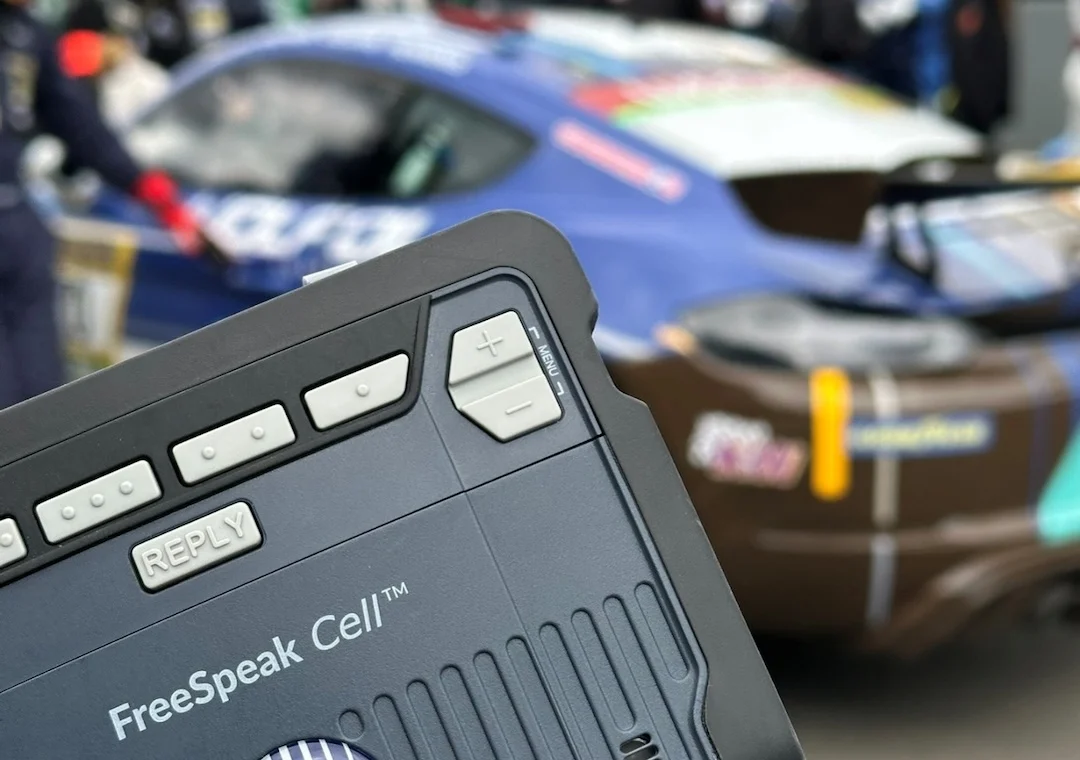
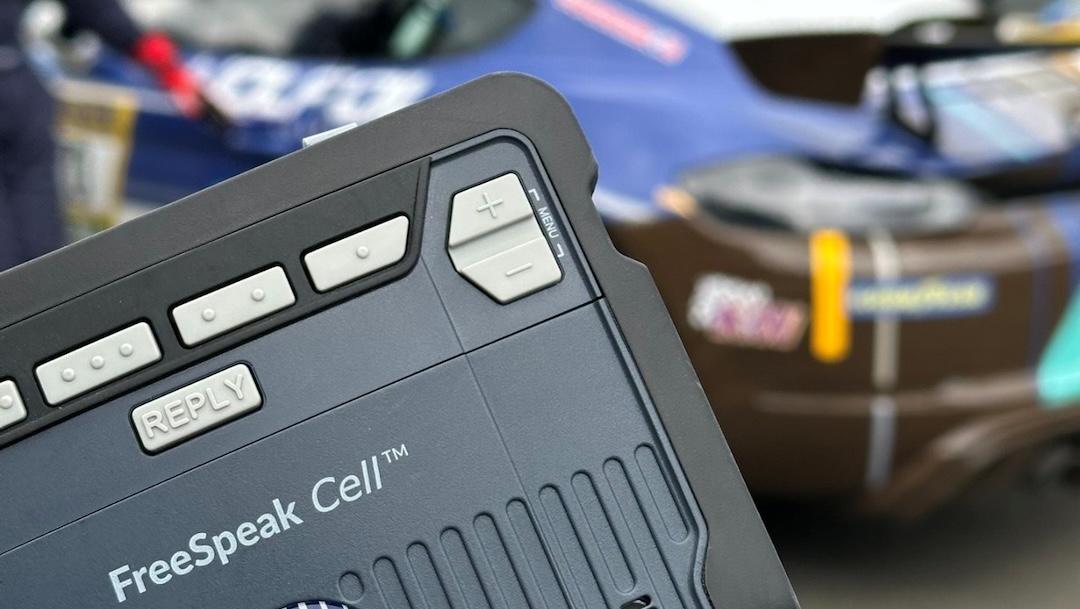
The core of this technological achievement is the FreeSpeak Cell system, developed by Clear-Com, a global leader in real-time communication solutions. The Proof of Concept (PoC) conducted at the Nürburgring was designed to validate the system’s ability to provide high-fidelity, low-latency audio across a vast and geographically complex area.
Key Technical Achievements
The deployment at the Nürburgring yielded several critical results that are set to influence the industry:
- Hybrid 5G Integration: The system successfully operated across both private 5G slices (ensuring dedicated bandwidth) and public 5G networks, proving that broadcasters can maintain communication stability even in crowded environments.
- Extended Coverage: Unlike traditional Digital Enhanced Cordless Telecommunications (DECT) systems, which require a dense network of base stations and antennas, FreeSpeak Cell utilized existing 5G towers to cover the Grand Prix circuit, the paddock, and the challenging Hatzenbach section.
- Low Latency: In live racing, a delay of even half a second can lead to missed cues or safety issues. The test confirmed that 5G-based intercoms could meet the rigorous sub-millisecond requirements of professional broadcast.
- Operational Flexibility: The test integrated seamlessly with RTL’s existing intercom ecosystem, allowing production teams to move between different zones without losing connectivity or audio quality.
Chronology: From Concept to the "Green Hell"
The journey to the Nürburgring test began several months prior, driven by RTL Deutschland’s strategic goal to modernize its remote production capabilities.
Phase 1: Planning and Collaboration
RTL’s engineering team identified the need for a more scalable wireless solution. Traditional RF (Radio Frequency) and DECT-based systems, while reliable, often become a bottleneck in large-scale environments due to the sheer volume of hardware required. RTL partnered with Clear-Com to adapt the FreeSpeak architecture for 5G and engaged Deutsche Telekom to provide the necessary network backbone.
Phase 2: Laboratory and Bench Testing
Before heading to the track, the FreeSpeak Cell system underwent rigorous testing in controlled environments. Engineers focused on "network slicing," a 5G feature that allows a portion of the network to be reserved exclusively for broadcast data, protecting it from the congestion caused by thousands of spectators using their mobile phones at the track.
Phase 3: The Nürburgring Deployment
During a live event production in June 2026, the system was put to the ultimate test. The Nürburgring’s topography—characterized by steep elevation changes, dense forests, and massive concrete structures—is notorious for blocking signals. The team deployed FreeSpeak Cell beltpacks to mobile camera crews, pit lane reporters, and technical directors.
As the cars roared across the Hatzenbach section, the system maintained a stable link, proving that cellular-based workflows could replace or augment traditional localized antenna setups.
Supporting Data: The Physics of 5G vs. DECT
To understand why the RTL test is significant, one must look at the technical limitations of previous technologies. For decades, the industry standard for wireless intercoms has been DECT (1.9 GHz).
The DECT Limitation
DECT is highly reliable but has a limited range (typically 50 to 300 meters depending on the environment). For a circuit like the Nürburgring, covering the entire area would require hundreds of synchronized antennas and kilometers of fiber-optic cabling. This adds massive costs and setup time to every production.
The 5G Advantage
By moving to FreeSpeak Cell, RTL leveraged the 3.5 GHz and 5 GHz bands of the 5G spectrum.
- Capacity: 5G can handle significantly more data packets simultaneously, allowing for more "virtual" channels of communication.
- Range: A single 5G macro cell can cover several kilometers. By using the existing telecommunications infrastructure provided by Deutsche Telekom, RTL eliminated the need to "carpet" the track with their own hardware.
- Mobility: 5G is designed for high-speed handovers. As a crew member moves from one cell tower’s range to another, the FreeSpeak Cell system manages the transition without an audible drop in the signal.
During the test, RTL reported "clear audio quality" across nearly the entire Grand Prix circuit. This was achieved by utilizing the low-latency URLLC (Ultra-Reliable Low-Latency Communications) standards inherent in 5G architecture.
Official Responses: Insights from the Front Lines
The success of the PoC has been met with enthusiasm from the engineers who managed the deployment.
Jens Schilder, Project Engineer at RTL Deutschland, emphasized that this technology is a game-changer for the agility of their teams.
“For us at RTL, the flexibility of our production workflows is one of our top priorities. The successful test at the Nürburgring proves that integrating intercom solutions into 5G infrastructures efficiently bridges the last mile of wireless communication. Thanks to FreeSpeak Cell technology, we were able to ensure stable communications coverage across almost the entire Grand Prix circuit, the paddock, and additional production areas without relying on complex infrastructure.”
Schilder further noted that this represents a “decisive step toward fully mobile remote productions.”
Clear-Com Representatives echoed this sentiment, noting that the FreeSpeak Cell system was designed specifically to address the transition from hardware-centric setups to software-defined, network-based workflows. The goal was to provide a "plug-and-play" experience where a beltpack could theoretically work anywhere there is a 5G signal, provided it is authenticated to the broadcaster’s private network.
Implications: The Future of Remote Production (REMI)
The successful test at the Nürburgring has far-reaching implications for the global broadcast industry, extending well beyond motor racing.
1. Cost Reduction and Sustainability
Traditional outside broadcast (OB) setups require massive trucks, miles of cabling, and large crews to manage the physical infrastructure. By utilizing 5G and FreeSpeak Cell, broadcasters can significantly reduce their "on-site footprint." Fewer antennas and less cabling mean lower shipping costs, faster setup times, and a smaller carbon footprint.
2. The Rise of "REMI" (Remote Integration Model)
Remote production allows the core production team (directors, audio mixers, and editors) to remain at a central hub (like RTL’s headquarters in Cologne) while only the camera operators and talent are at the venue. Reliable, low-latency communication is the "glue" that holds this model together. The Nürburgring test proves that 5G can provide that glue even in the most challenging locations.
3. Scalability for Tier 2 and Tier 3 Events
In the past, only high-budget events like Formula 1 could afford the complex communication setups required for total track coverage. With FreeSpeak Cell, smaller events—such as regional marathons, cycling races, or music festivals—can achieve professional-grade communication by leveraging existing cellular networks, democratizing high-quality production values.
4. Integration with the "Connected Stadium"
As more stadiums and venues install private 5G networks for fan engagement, broadcasters can "piggyback" on this infrastructure. The RTL test shows a future where a broadcaster enters a venue, connects to the local 5G slice, and immediately has a fully functional, wide-area intercom system ready to go.
5. Technical Standardization
This test also pushes the industry closer to universal standards. As Clear-Com continues to refine FreeSpeak Cell, it encourages the adoption of SMPTE ST 2110 (the standard for Professional Media Over Managed IP Networks) in wireless domains, ensuring that different pieces of equipment from different manufacturers can talk to each other over a common 5G backbone.
Conclusion
The successful deployment of Clear-Com’s FreeSpeak Cell at the Nürburgring marks the end of the "tethered" era for broadcast communications. By proving that 5G can handle the mission-critical demands of a live race, RTL Deutschland has provided a blueprint for the future of the industry. As cellular networks continue to evolve and private 5G becomes more accessible, the boundaries of where and how live stories are told will continue to expand, driven by the reliability and flexibility of 5G-integrated intercom systems.