The audiophile landscape is defined by the perpetual pursuit of the "perfect" signal path. For owners of iBasso’s DX-series Digital Audio Players (DAPs), this pursuit has been facilitated by a unique modular architecture that allows users to swap internal amplification stages as easily as changing a lens on a camera. The latest addition to this ecosystem, the iBasso AMP18, represents a significant pivot in the company’s design philosophy. Priced at $329, the AMP18 moves away from the aggressive, analytical transparency of its predecessor, the AMP17, opting instead for a refined, analog-inspired sound signature that prioritizes musicality, depth, and fatigue-free long-term listening.
Main Facts: The Anatomy of the AMP18
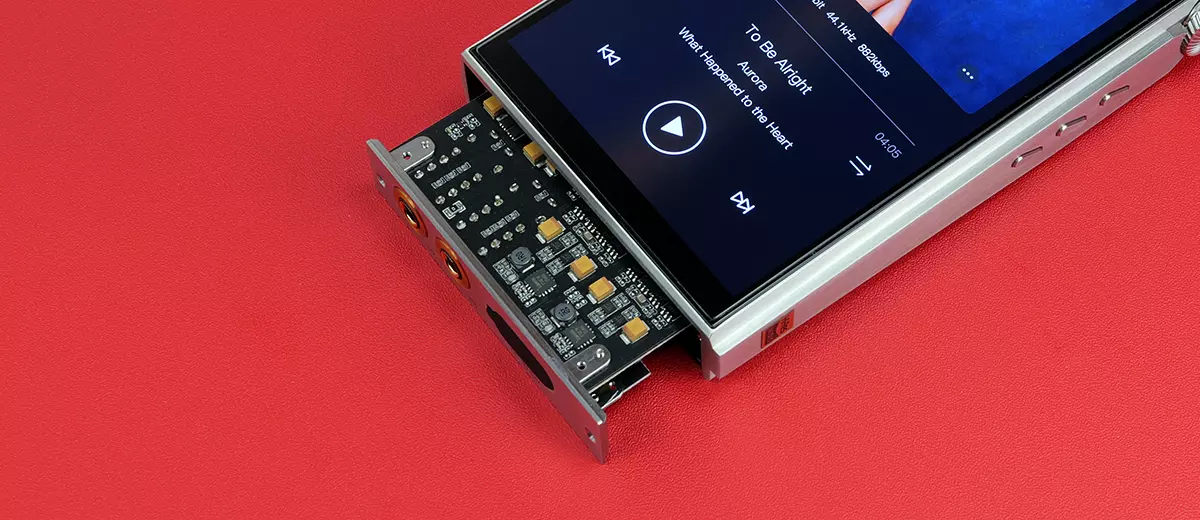
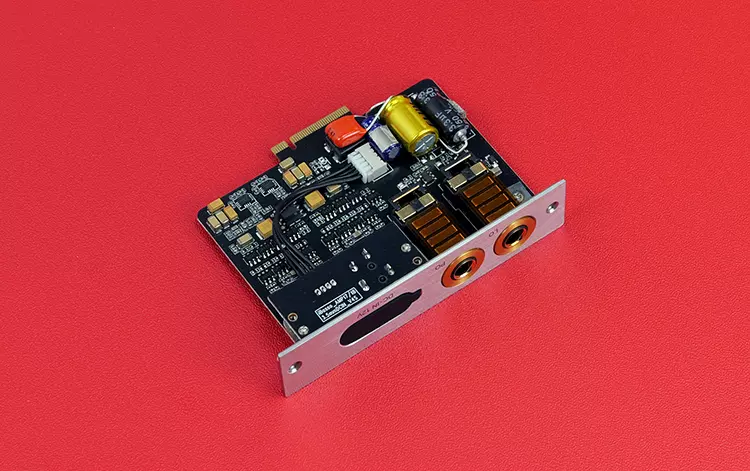
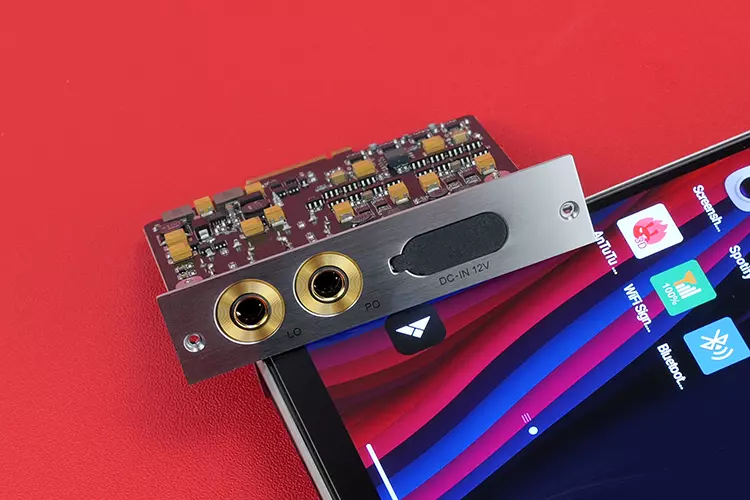
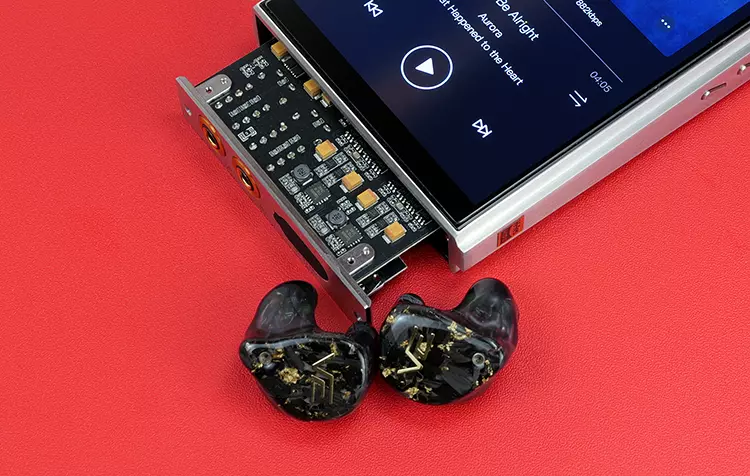
At its core, the AMP18 is a sophisticated, solid-state-based amplification card designed specifically for the DX3XX series of DAPs. While it ships as the standard upgrade path for the flagship DX340, its modular nature ensures backward compatibility with the DX300 and DX320—provided users utilize the optional $29 faceplate adaptor.
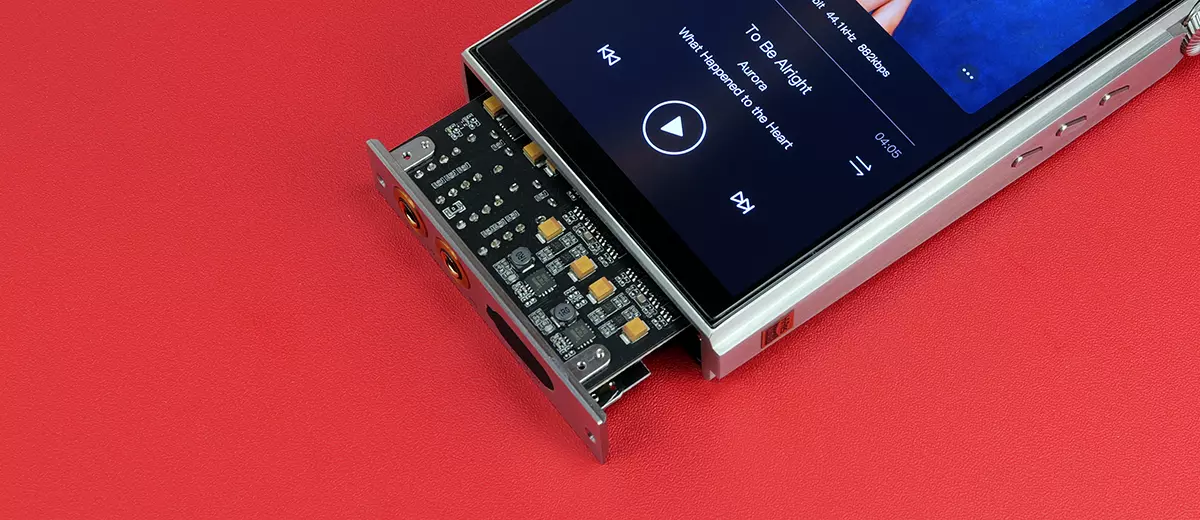
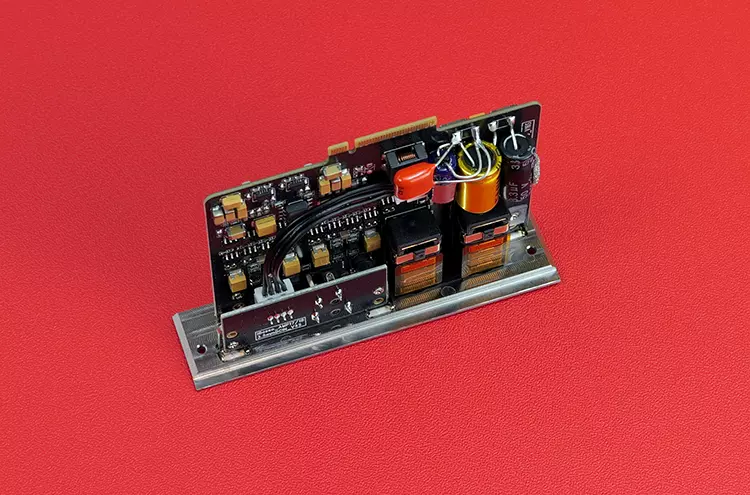
Technically, the AMP18 is a departure from the GaN (Gallium Nitride) semiconductor technology seen in the AMP17. Instead, iBasso has engineered a dense, 80-transistor matrix, comprised of 40 dual transistors, utilizing a cascaded current-feedback circuit. This configuration is specifically designed to enhance transient response and dynamic range. The architecture employs a two-stage process: a low-noise operational amplifier (op-amp) input stage, which serves to preserve the integrity of the source signal, followed by a current-mirror amplification stage. This ensures that the output signal remains pure and clear, even when driving demanding planar magnetic loads.
When connected to a 12V DC power supply, the AMP18 outputs a formidable 1740mW into a 32Ω load. While this falls slightly short of the 1.9W achieved by the AMP17 under identical conditions, the AMP18 compensates with superior battery-only efficiency, delivering 1170mW into 32Ω compared to the 1030mW offered by the AMP17. With an output impedance of 1.2Ω, the card is well-positioned to drive a wide range of In-Ear Monitors (IEMs) without causing significant impedance skew.
Chronology: The iBasso AMP Evolution
To understand the positioning of the AMP18, one must view it within the broader historical context of the iBasso DX series. The modular card series has evolved rapidly, serving as a playground for iBasso’s engineering team to experiment with various amplification topologies:
- AMP15: The foundational high-performance solid-state card that set the baseline for the series.
- AMP16: The "tube outlier," which introduced the Raytheon JAN6418 vacuum tube implementation, offering a raw, distinctively vintage flavor.
- AMP17: The penultimate release, noted for its energetic, neutral, and highly analytical sound signature, utilizing advanced GaN technology.
- AMP18: The current flagship offering, designed to bridge the gap between technical precision and an "analog" warmth.
The release of the AMP18 arrives at a time when the audiophile market is increasingly divided between those who prefer the clinical "truth" of modern high-resolution audio and those who seek the romantic, euphonic character of classic analog gear. The AMP18 is explicitly aimed at the latter group, functioning as the "relaxed cousin" to the high-contrast AMP17.
Supporting Data: Technical Performance and Synergy
The performance of the AMP18 is best understood through its synergy with a diverse range of transducers. During extensive testing using the DX340 as the host device, the AMP18 demonstrated a consistent tendency to round off the "sharp edges" often found in high-end, detail-oriented IEMs.
The Sound Signature
The AMP18 provides a departure from the "in-your-face" presentation of the AMP17. It features a robust low-end response, a fuller note weight in the midrange, and a slightly attenuated high-frequency roll-off. This results in a soundstage that feels expansive and deep rather than wide and clinical. Decay times are longer, which contributes to a more natural, lifelike presentation of acoustic instruments and vocal tracks.
IEM and Headphone Synergy
Testing against the PMG Audio Apx—an IEM known for being unforgiving and prone to "hot" upper-midrange frequencies—revealed the true value of the AMP18. Where the AMP17 might highlight sibilance or harshness, the AMP18 smoothed the vocal timbre, resulting in a fatigue-free listening experience. Conversely, with already warm-tuned gear like the Vision Ears VE ZEN, the AMP18 can feel overly soft, suggesting that the card is best utilized as a corrective tool for bright-leaning transducers.
When paired with full-sized planars like the ZMF Headphones Tessidera or the DCA NOIRE XO, the necessity of the 12V DC input becomes apparent. While the battery-only performance is respectable, the addition of external power unlocks a significant increase in dynamic headroom and bass "snap," elevating the card from a portable solution to a pseudo-desktop performer.
Official Responses and Engineering Philosophy
iBasso’s design decisions regarding the AMP18 have been framed by their commitment to "signal purity." By opting for a discrete-engineered topology rather than relying on standardized, integrated solutions, the company claims to have gained greater control over the harmonic structure of the output.
Regarding the decision to exclude a 3.5mm single-ended output, iBasso maintains that the balanced-only design (utilizing dual 4.4mm ports) is essential for maximizing signal-to-noise ratios and channel separation. While this may alienate users who possess a large collection of 3.5mm-terminated cables, it is a deliberate trade-off in the pursuit of technical superiority. The company has also acknowledged the feedback regarding their current screw-based locking mechanism, with indications that future iterations of the modular system may explore more integrated, tool-less chassis designs.

Implications: Where Does the AMP18 Stand?
The arrival of the AMP18 has several implications for the current iBasso user base. First, it cements the DX3XX series as the most versatile DAP platform on the market. Users no longer need to purchase a new player to change the sound signature of their system; they simply need to purchase a new card.
Second, the AMP18 serves as a "corrective" device. For the enthusiast who has invested in a high-end, analytical IEM only to find that it causes listening fatigue after thirty minutes, the AMP18 offers a cost-effective solution to reclaim that investment. It effectively shifts the burden of "tuning" from the transducer to the amplification stage, providing a much-needed layer of flexibility.
However, there are trade-offs. The increased power consumption is a tangible reality for mobile users. If one frequently utilizes the card’s higher current capabilities, battery life will suffer by approximately 60 to 90 minutes compared to the AMP17. Furthermore, the reliance on a 12V DC input for optimal performance with full-sized headphones suggests that while the AMP18 is a portable module, its true potential is only fully realized in a stationary, "transportable" configuration.
In conclusion, the iBasso AMP18 is a masterclass in nuanced engineering. It does not attempt to be the most powerful or the most transparent card in the lineup; rather, it aims to be the most enjoyable. By prioritizing natural timbre and long-term comfort, iBasso has provided a sophisticated alternative for the discerning listener who values the soul of the music as much as its technical resolution. For those currently utilizing the DX340, the AMP18 is not merely an accessory—it is a transformation.