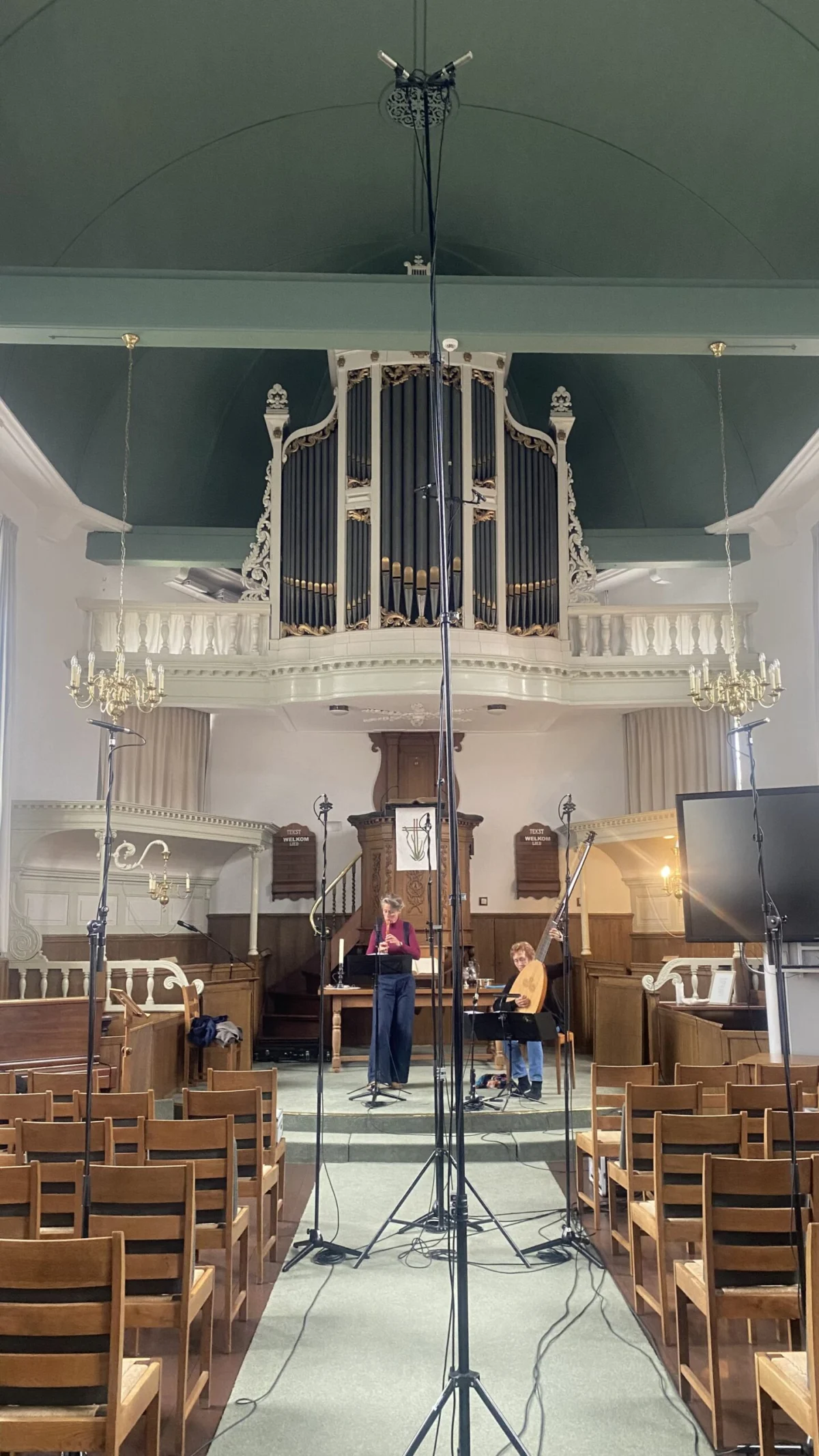
In the quiet, picturesque town of Joure, Netherlands, a sonic revolution has been brewing for over four decades. Aliud Records, a boutique powerhouse in the world of high-fidelity music production, stands as a testament to the idea that passion, when coupled with uncompromising technical standards, can create a legacy that transcends the fleeting trends of the mainstream music industry. Founded by percussionist and recording engineer Jos Boerland, the label has evolved from a student’s "hobby that got out of hand" into a vanguard of 3D and immersive audio technology.
As the featured Label of the Month on NativeDSD, Aliud Records invites listeners to explore a catalog that defies simple categorization. Whether it is the delicate resonance of a harp, the complex improvisations of jazz, or the expansive soundscapes of orchestral wind bands, Aliud remains a beacon for audiophiles who demand more than just music—they demand an experience.
The Genesis: From Percussionist to Pioneer
The story of Aliud Records is intrinsically linked to the career of its founder, Jos Boerland. In the late 1970s, long before the label had a name, Boerland was a percussion student navigating the vibrant musical landscape of Groningen. His entry into the world of professional recording was almost accidental.
While visiting Eringa Geluid, a local high-fidelity audio shop, Boerland encountered Bert Oling, a salesperson with a vision to record Hendrik Andriessen’s Kuhnau Variations with the Regional Youth Orchestra. Because the composition lacked percussion parts, the orchestra didn’t require Boerland’s musical services—but Oling recognized a meticulous ear in the young student and invited him to assist with the recording. That session, held in 1978, sparked a fascination with the science of sound that would eventually lead to the birth of his own label.
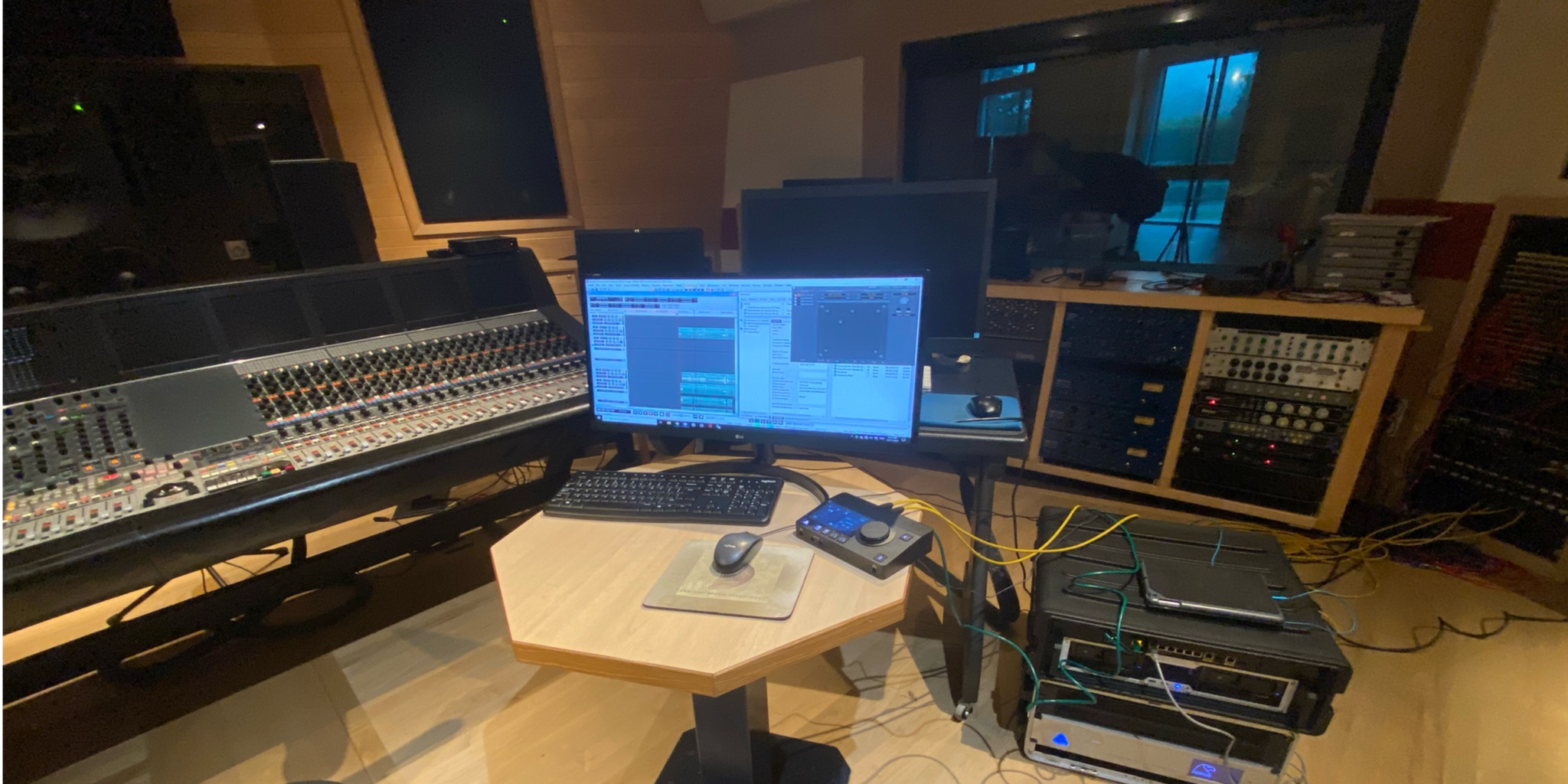
In 1982, the formalization of the label occurred when Ensemble Super Librum approached Boerland to record their debut album. Seeking a name that captured his reputation as an unconventional thinker and a disruptor of the status quo, he adopted the Latin word Aliud—meaning "different." It was a fitting moniker for a label that refused to be boxed into a single genre or traditional commercial constraint.
A Chronology of Innovation
The Analog-to-Digital Transition (1980s–1990s)
The 1980s represented the "Golden Age" of the compact disc, and Boerland was at the forefront of this digital shift. He didn’t merely observe the industry; he invested in it. By purchasing a Sony mastering system capable of recording to U-Matic videotape, he ensured that his productions met the highest standards of the era. Throughout the 1990s, while performing and teaching, he refined his craft, eventually setting up a dedicated recording studio for the music publisher De Haske.
The 2005 Renaissance
By 2005, Boerland felt that his creative ambitions were no longer aligned with the corporate objectives of the publishing world. He made the pivotal decision to re-launch Aliud Records with a renewed focus on technical innovation. This period marked the beginning of his quest to master natural acoustics in recording, leading him away from standard stereo and toward the third dimension: height.
Pioneering 3D Audio (2008–Present)
In 2008, a chance meeting with Wilfried Van Baelen of the legendary Galaxy Studios proved to be a watershed moment. As both men were independently exploring the potential of spatial audio, their collaboration helped pave the way for what would become Auro-3D—an immersive sound format that has since become the gold standard for high-end audio enthusiasts. Since that year, every production under the Aliud banner has been captured in immersive sound, ensuring that the listener is not just listening to a recording, but is physically transported into the acoustic space of the performance.
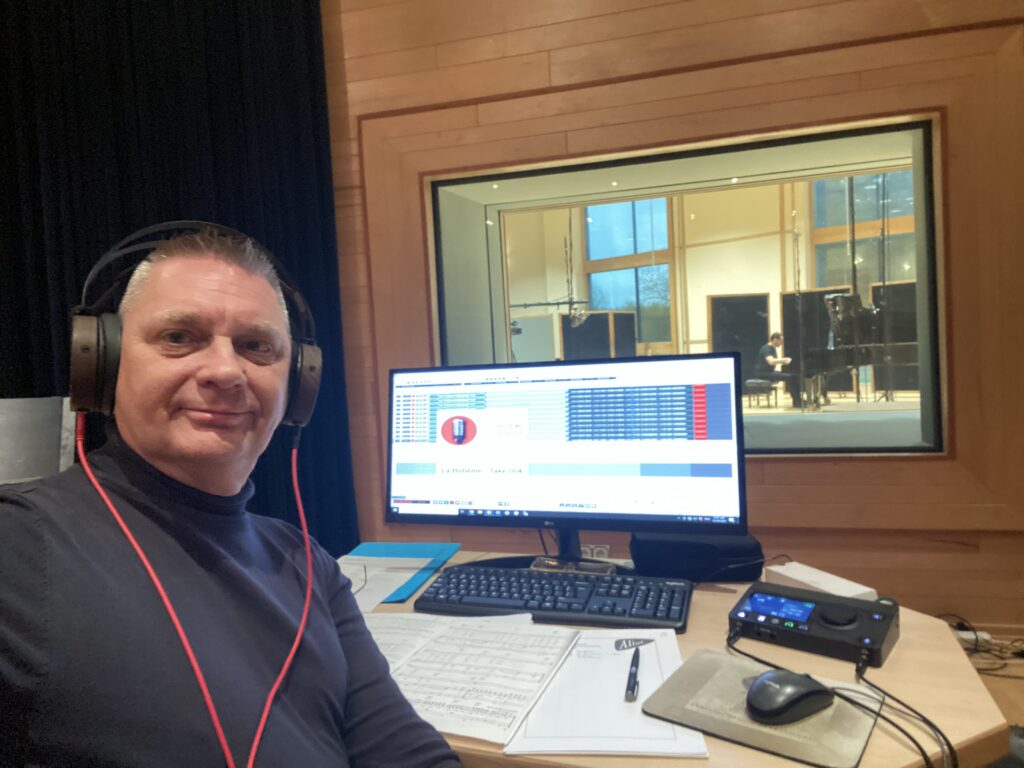
The Philosophy of the "Different" Label
In an industry where many independent labels shift the financial burden of production onto the artists, Aliud Records maintains a radically different approach.
A Collaborative Business Model
"We have never worked that way," says Boerland, addressing the industry-wide trend of musicians self-funding their own recordings. "My starting point is simple: I believe in our musicians and in the repertoire, however broad it may be."
For Boerland, a recording is more than a commercial product; it is a "calling card." By treating the album as an extension of the live performance and social media presence, Aliud provides its artists with a platform that prioritizes artistic integrity over mass-market appeal. This collaborative approach has paid dividends. The label’s international reputation is bolstered by a string of accolades, including a Grammy nomination for the tango album Ahora and an Edison Award for the jazz project The Shakespeare Album.
Bridging the Genre Divide
Aliud’s catalog is a tapestry of diverse influences. From early music—which Boerland notes was, at its inception, essentially an improvised art form—to modern jazz and wind band compositions, the label seeks to find the threads that connect them. By treating these genres with the same sonic reverence, Boerland demonstrates that the "Aliud" philosophy is rooted in the idea that all great music, regardless of its historical era or stylistic conventions, shares a fundamental core of human emotion.
Supporting Data: Why Immersive Sound Matters
The shift from 2D (stereo) to 3D audio is not merely a marketing gimmick; it is a fundamental shift in how humans process sound. Scientific studies on acoustic perception suggest that humans identify the location of sound sources through a complex interaction of time-of-arrival and frequency differences.
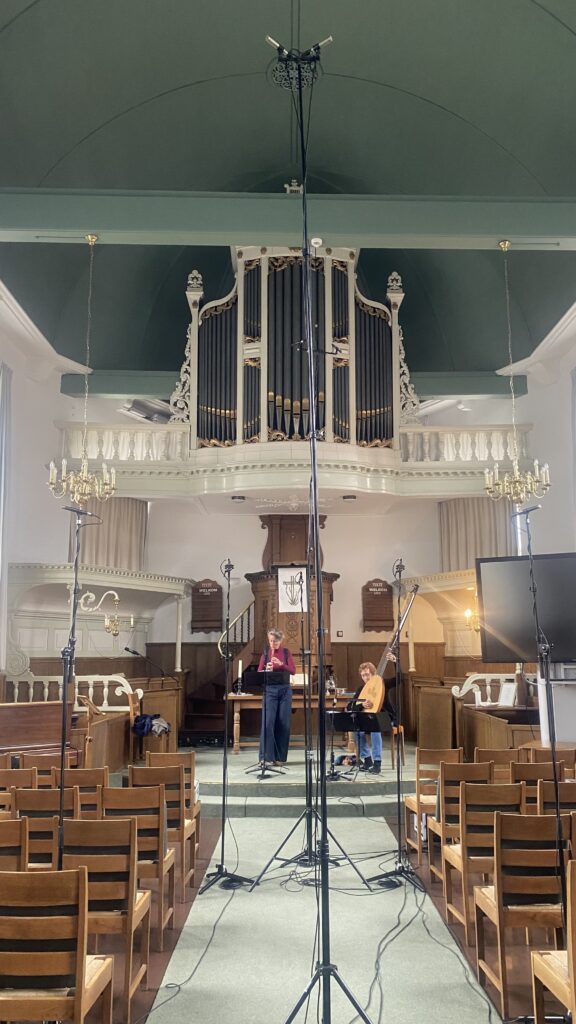
In traditional stereo recording, the "height" component of a concert hall or a church is lost. By utilizing Auro-3D and other immersive techniques, Aliud Records captures the vertical reflections of the recording venue. This creates a "spherical" sound field that mimics the way a human ear experiences sound in a real-world environment. For the listener, this translates to:
- Increased Spatial Clarity: Instruments are placed with surgical precision within a 360-degree environment.
- Emotional Resonance: The natural decay and reverberation of the space add a layer of realism that triggers deeper emotional responses.
- Technical Longevity: As high-resolution audio streaming platforms grow, Aliud’s back catalog is already future-proofed, ready for the next generation of home cinema and headphone technology.
Official Perspectives: The Founder’s Vision
When asked about the future of his label and the industry at large, Jos Boerland remains remarkably grounded. His perspective is a blend of technological futurism and old-world craftsmanship.
"Technology is wonderful," Boerland explains, "but in the end, it is about the emotion and experience of the composition and the performance—those are the starting points." He emphasizes that the tools he uses—whether it is the state-of-the-art 3D microphones or the archival projects he conducts with the Frisian Music Archive—are merely vessels for the artist’s message.
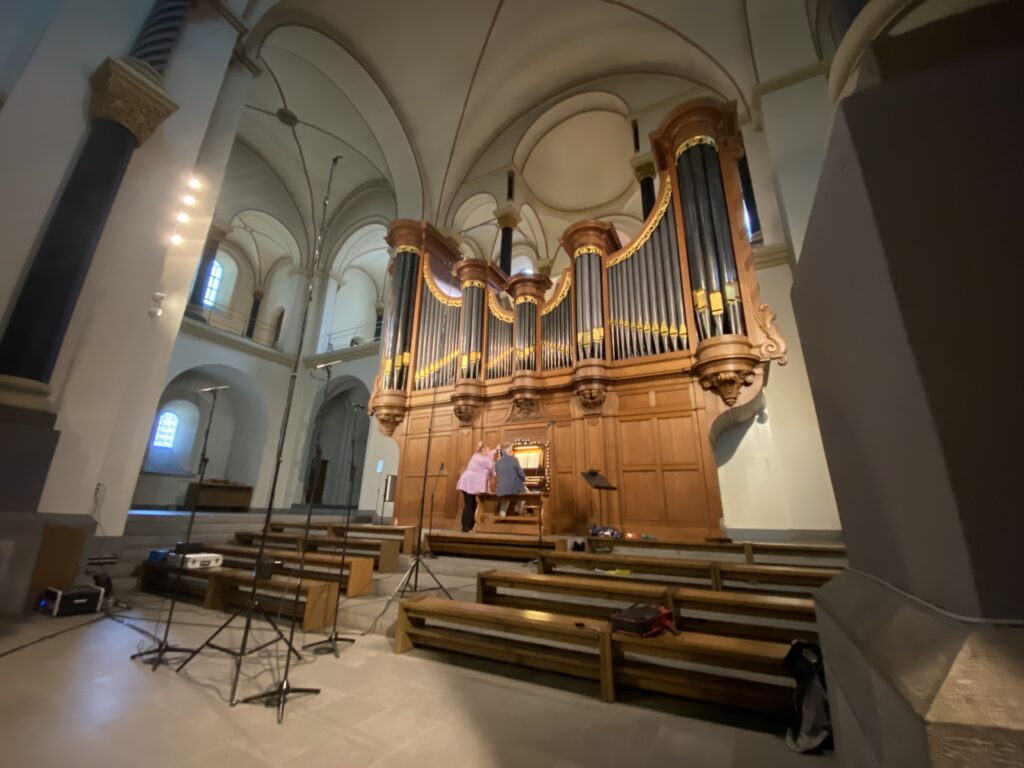
This sentiment is echoed by the musicians who have worked with him. By providing a low-pressure, high-quality environment, Aliud allows for performances that are often described as "visceral" and "authentic." It is this human-centric approach that has kept the label relevant for over 40 years, surviving the death of physical media and the volatility of the digital streaming era.
Implications for the Future
The success of Aliud Records serves as a case study for small, independent labels in the 21st century. It proves that there is a viable, sustainable path for those who refuse to compromise on quality. As the industry continues to consolidate, the niche for "boutique" labels—those that prioritize the curation of sound and the development of artists over algorithmic popularity—is expanding.
Looking forward, Aliud continues to bridge the past and the future. Through their work with historical archives, such as the City Archive of Jülich, they are preserving cultural heritage while simultaneously pushing the boundaries of what is technically possible in audio engineering.
For the listener, the implication is clear: the "limitless sound" promised by the label is not just a slogan. It is an invitation to re-listen to the music we thought we knew, and to discover the textures and dimensions that were previously hidden by the constraints of two-dimensional recording. As the current Label of the Month on NativeDSD, Aliud Records stands ready to welcome a new generation of listeners into its immersive,, and ever-evolving world of sound.