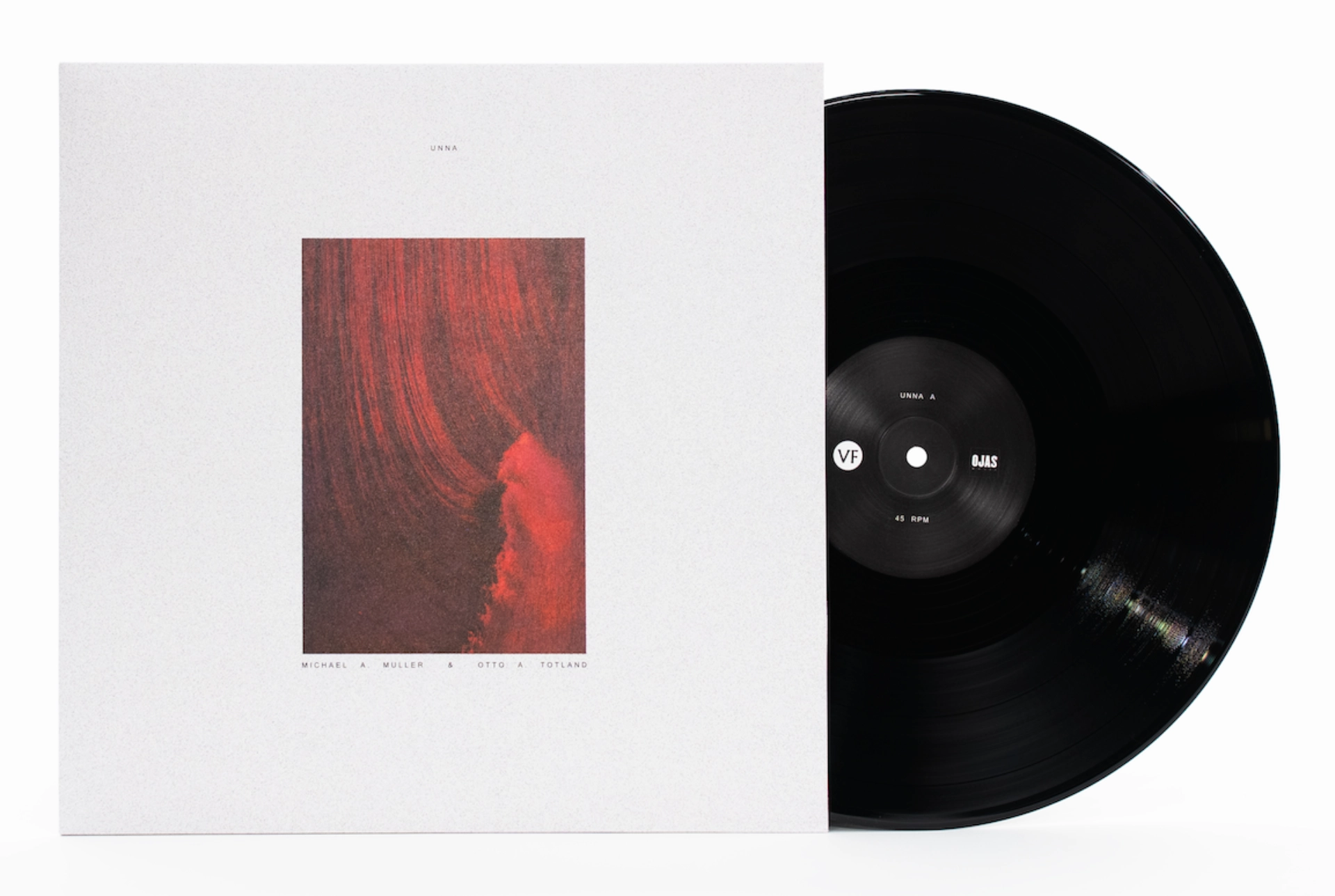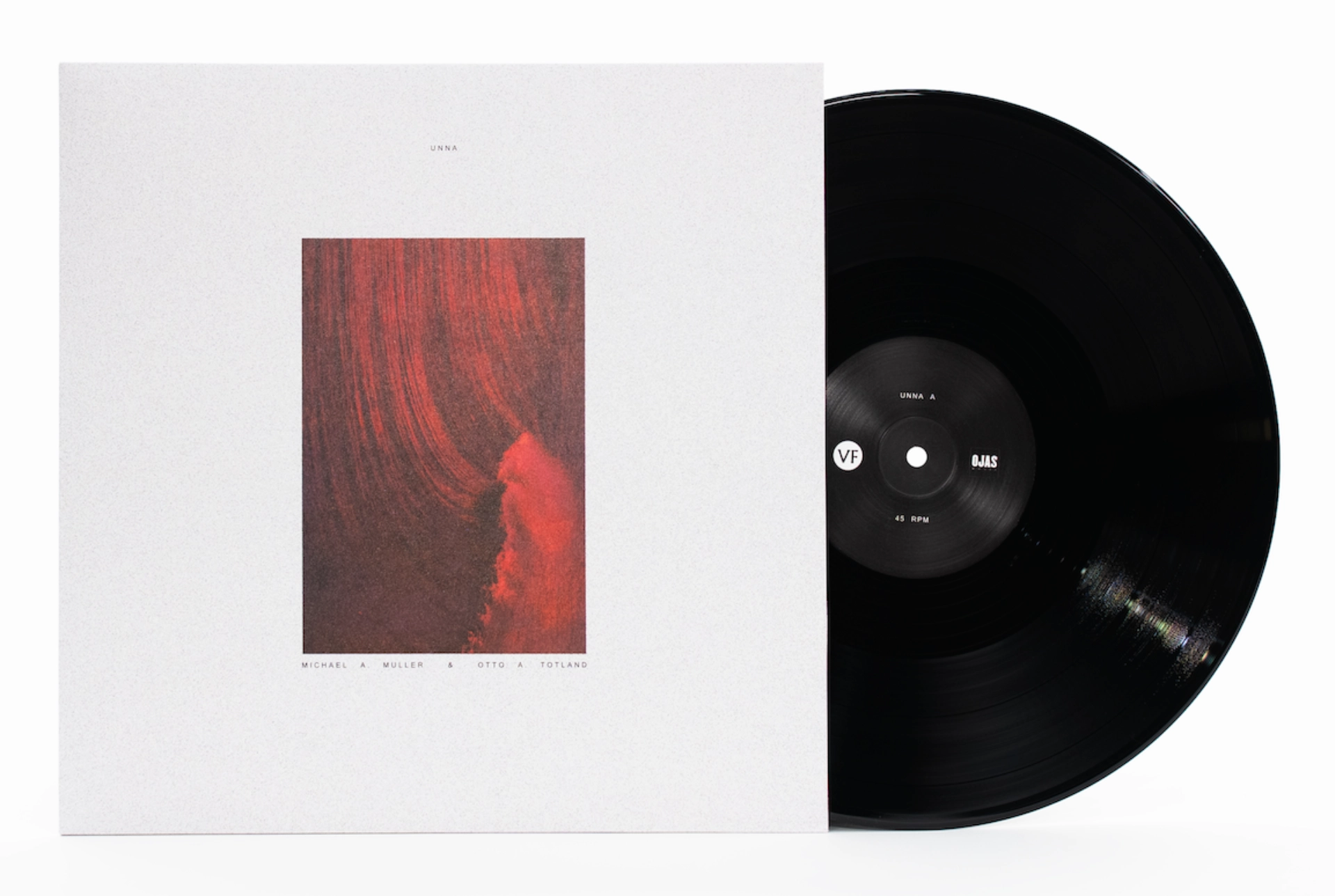
In an era defined by digital saturation and the fleeting nature of streaming consumption, a new collaboration arrives as a deliberate antidote to the noise. Unna, the debut release from Ojas Music—the newly minted record label helmed by high-end audio visionary Devon Turnbull—marks a significant convergence of minimalist pedigree. Featuring Michael A. Muller (of Balmorhea) and Otto A. Totland (of Deaf Center), the EP is a masterclass in spatial awareness, sonic intimacy, and the intersection of hardware design and musical composition.
The Convergence of Sound: Main Facts
Unna, which translates from Norwegian to "away," serves as both the title of the EP and a thematic manifesto for the project. Released in partnership with The Vinyl Factory, the record captures a rare dialogue between two of the most influential figures in modern ambient and minimalist music.
The project is the inaugural offering from Ojas Music, an extension of Devon Turnbull’s acclaimed audio and design company. Turnbull, whose work centers on the philosophy that sound is a physical, tangible experience, has provided a label home that prioritizes the "listening environment" as much as the music itself.
The EP features a sparse but profound instrumentation. Otto A. Totland contributes his signature close-miked, delicate piano work—a sound that has become a touchstone for the contemporary ambient genre. This serves as the emotional core of the record, around which Michael A. Muller weaves an intricate tapestry of double bass, glockenspiel, Mellotron, and Rhodes. The result is not merely an album, but a sonic landscape that encourages the listener to step "away" from the frantic pace of contemporary life and into a state of deep, introspective flow.
A Chronology of Collaboration and Craft
To understand the weight of Unna, one must examine the paths that led Muller and Totland to this point.
The Evolution of Michael A. Muller
Michael A. Muller, a founding member of the instrumental ensemble Balmorhea, has spent the better part of two decades carving out a space in the post-classical and minimalist canon. His work has moved fluidly from the cinematic, organic textures of his early ensemble pieces to highly sophisticated solo ventures.
His journey has seen him collaborating with luminaries across the spectrum of modern composition, including Hania Rani, Alva Noto, and Víkingur Ólafsson. His association with labels like Deutsche Grammophon cemented his reputation as an artist capable of bridging the gap between avant-garde experimentation and emotional accessibility. Whether scoring films or producing solo records, Muller’s focus has consistently been on the narrative potential of silence and the resonance of acoustic instruments.
The Legacy of Otto A. Totland
Parallel to this, Norway’s Otto A. Totland was helping to redefine the boundaries of experimental music. As one-half of Deaf Center—alongside Erik K. Skodvin—Totland’s contributions to Type Records and Sonic Pieces were instrumental in the mid-2000s surge of modern ambient music.
Deaf Center’s sound was characterized by its ability to marry the haunting qualities of traditional instrumentation with the blurred edges of dark ambient and drone. Totland’s subsequent solo piano trilogy, which benefited from the production brilliance of Nils Frahm, became a critical benchmark for the "modern classical" movement. His ability to capture the mechanical intimacy of the piano—the pedal noise, the felt on the hammers, the room tone—is perhaps unmatched in the contemporary sphere.
The Genesis of Ojas Music
The final piece of this chronological puzzle is the emergence of Ojas Music. Devon Turnbull’s brand, Ojas, has long been revered by audiophiles for its custom-built speakers, amplifiers, and turntables. By launching a label, Turnbull is effectively closing the loop between the hardware that reproduces music and the music itself. Unna is not just a test press; it is a curated experience intended to be played on high-fidelity systems, honoring the spectral depth that both Muller and Totland have labored to encode into these tracks.
Supporting Data: The Architecture of the EP
Unna is an exercise in restraint. The recording process, which took place across vast physical distances, mirrors the titular meaning of the record: "away."

The technical composition of the EP relies on the interplay between Totland’s piano and Muller’s textural overlays. In a standard production, the piano might be compressed or polished to a crystalline sheen. Here, the production choice favors the "room"—the air between the microphone and the strings.
- Instrumentation: Double bass, glockenspiel, Mellotron, Rhodes, and felt-dampened upright piano.
- Format: 180g vinyl, limited to 500 copies worldwide.
- Thematic Intent: A double entendre referencing both the physical separation of the artists and the psychological "flow state" where the passage of time becomes subjective.
The vinyl pressing itself, produced by The Vinyl Factory, utilizes high-mass, 180g black vinyl to ensure maximum fidelity and minimize surface noise—a necessity for music that dwells in the quietest registers of human hearing.
Official Perspectives: The Philosophy of the Listening Room
The partnership with Devon Turnbull is not a mere branding exercise; it is an extension of his work at 180 Studios in London, where the HiFi Listening Room Dream No. 1 remains a permanent, sanctuary-like installation.
Turnbull’s philosophy posits that we have lost the art of "active listening." In a world of background noise, he argues, the medium matters. When asked about the label’s ethos, the team at Ojas emphasized that the label was born out of a desire to create a "dedicated space" for music that requires the listener’s undivided attention.
"The music of Muller and Totland demands a certain level of stillness," a spokesperson for the label noted. "By releasing this as a limited-run, high-fidelity object, we are asking the listener to treat the act of listening as a ceremony. It is about the friction between the digital world and the physical reality of sound waves moving through air."
Implications for the Ambient and Minimalist Scenes
The release of Unna arrives at a pivotal moment for ambient music. As the genre has seen a massive surge in popularity on streaming platforms, it has also faced criticism for becoming "functional" or "background" music—playlists designed to facilitate focus or sleep rather than to be engaged with as an art form.
Unna stands in firm opposition to this trend. By aligning with a brand like Ojas—which caters to the audiophile community—Muller and Totland are reclaiming the genre’s status as "serious" music.
1. The Audiophile-Artist Symbiosis
This collaboration signals a growing trend where artists are seeking out hardware designers as creative partners. By curating the playback environment, the artist ensures their sonic intentions are fully realized. We can expect to see more "label-hardware" collaborations in the future, as musicians become increasingly dissatisfied with the sonic limitations of compressed digital files.
2. The Resurgence of the "Slow Record"
The success of Unna will likely be measured not by chart positions, but by the resonance it finds within the community of listeners who still value the physical album as a cohesive, long-form experience. It encourages a return to the "listening room" culture, where the listener provides the time and space necessary for the music to reveal its nuances.
3. A New Standard for Minimalist Collaboration
Finally, the partnership proves that collaboration in the digital age does not have to be hollow. By utilizing the "away" theme, Muller and Totland have turned their physical distance into a conceptual strength. They have managed to create a cohesive whole that feels like a singular, unified vision, proving that ambient music, at its best, is a conversation between two minds, regardless of where they are in the world.
As Unna makes its way into the hands of listeners, it serves as a timely reminder of the power of minimalism. In a world that is constantly asking us to add more—more content, more noise, more speed—Muller and Totland invite us to take something away. They invite us to listen to the space between the notes, the weight of the piano, and the quiet, persistent pulse of the human heart. It is, ultimately, a record for those who are ready to disappear into the sound.