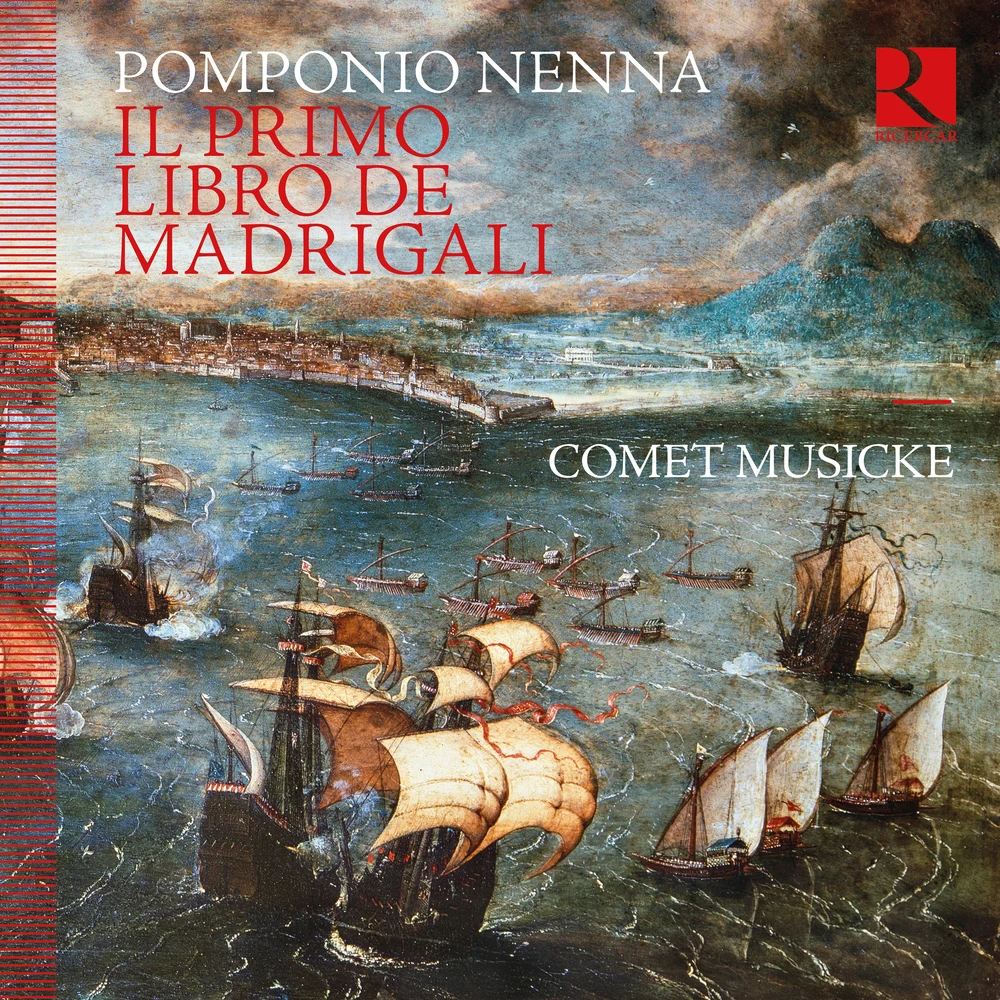
Beyond the Resolution: A Curated Journey Through Recent Musical Discoveries
012 mins
This article is a repost of a review originally published by Rush Paul for Positive Feedback. We extend our gratitude to Rush Paul and the Positive Feedback editorial team for their permission to share these insights with our readers.
In the high-fidelity audio community, we are often preoccupied with the technical specs of a recording—the DXD sampling rates, the DSD256 bit-depths, and the “aural density” that these formats promise. While ultra-high-resolution audio remains a cornerstone of my listening habits, there is a danger in letting format dictate musical taste. The true value of a recording lies not in its bit rate, but in the narrative, emotional, and structural integrity of the music itself.
In this edition of "Recent Finds," I have intentionally moved beyond the singular focus on ultra-high-resolution files to explore a collection of albums that represent the pinnacle of musical storytelling. While one entry is a pure DSD256 marvel, the others arrive in more modest PCM resolutions. Yet, each is an essential listening experience, proving that a soul-stirring performance will always transcend the technical limitations of its capture.
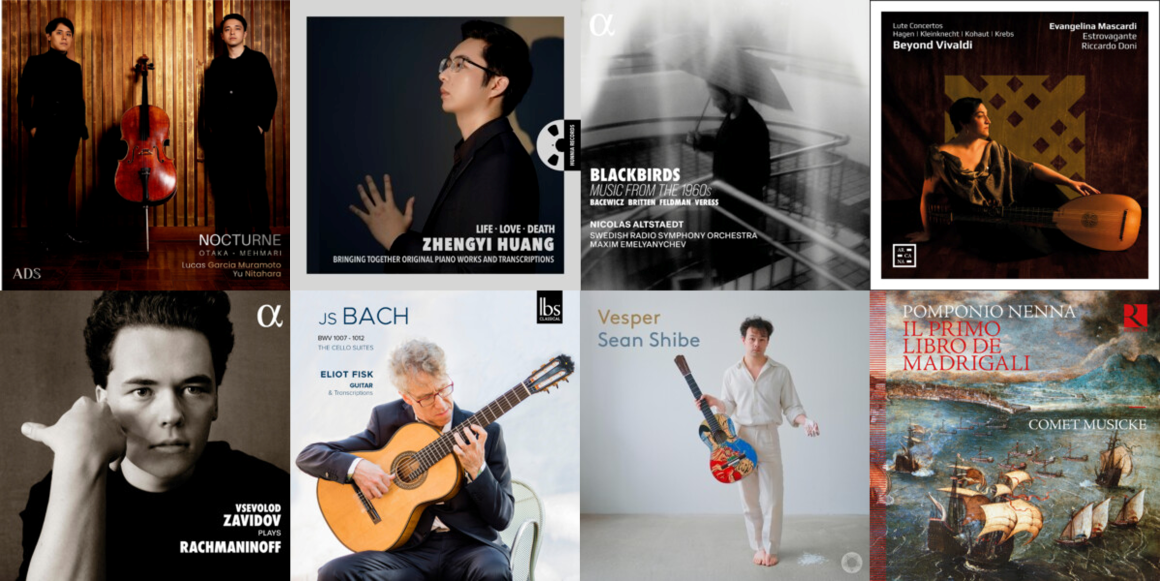
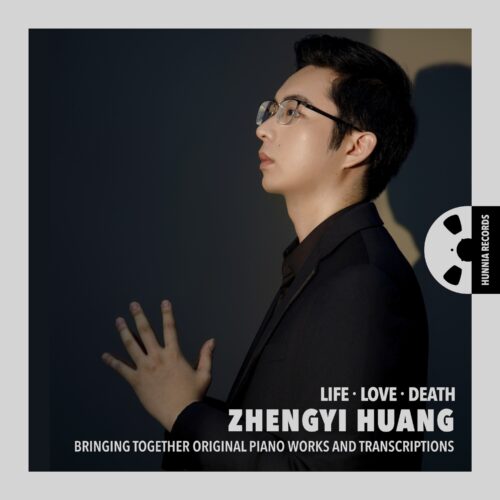
The Life Cycle of Sound: Life, Love, Death by Zhengyi Huang
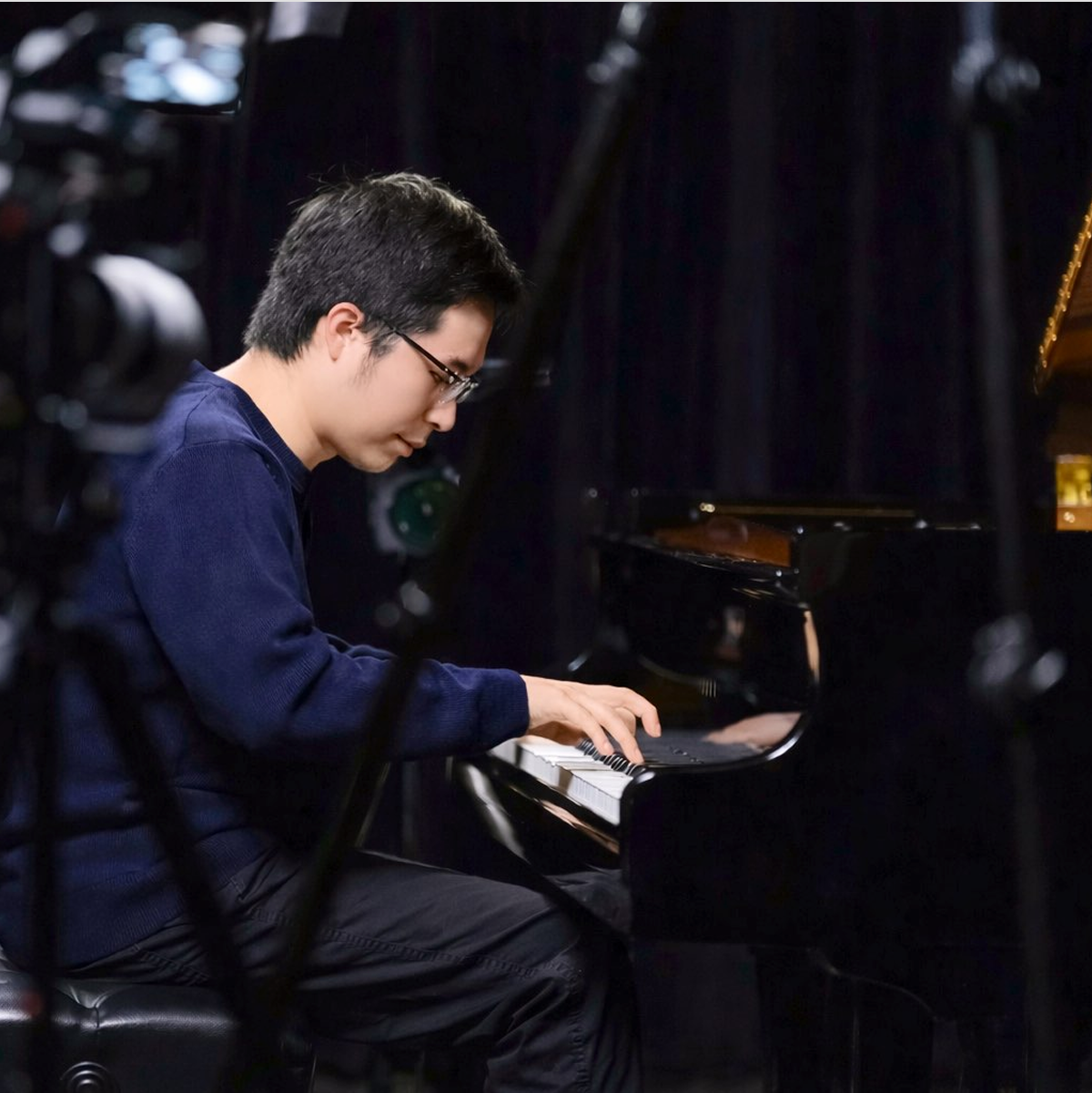
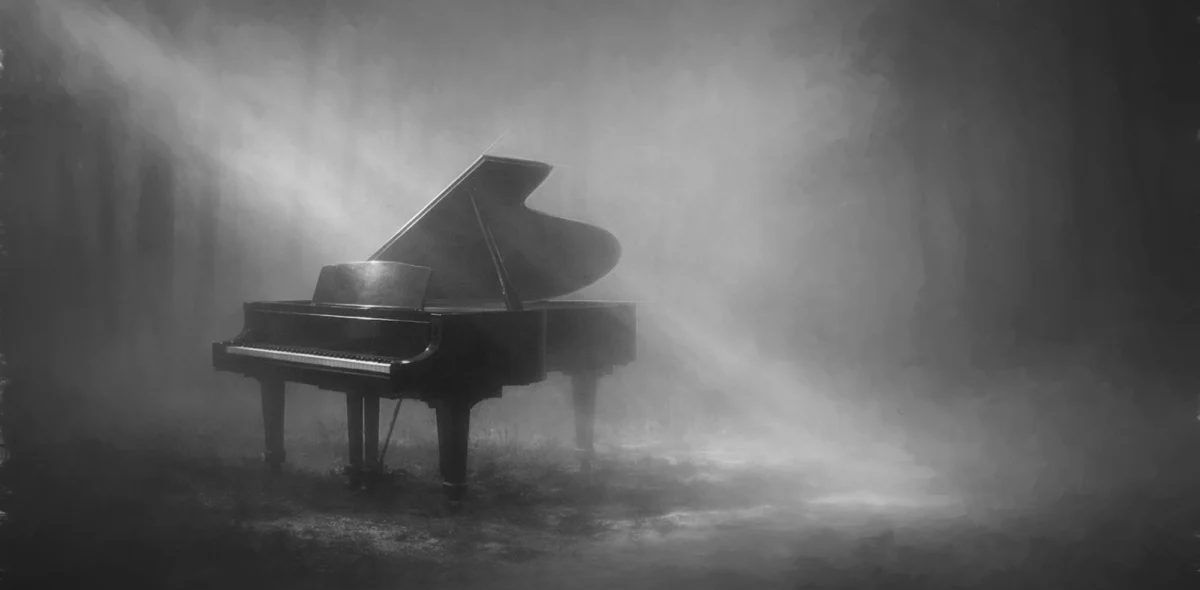
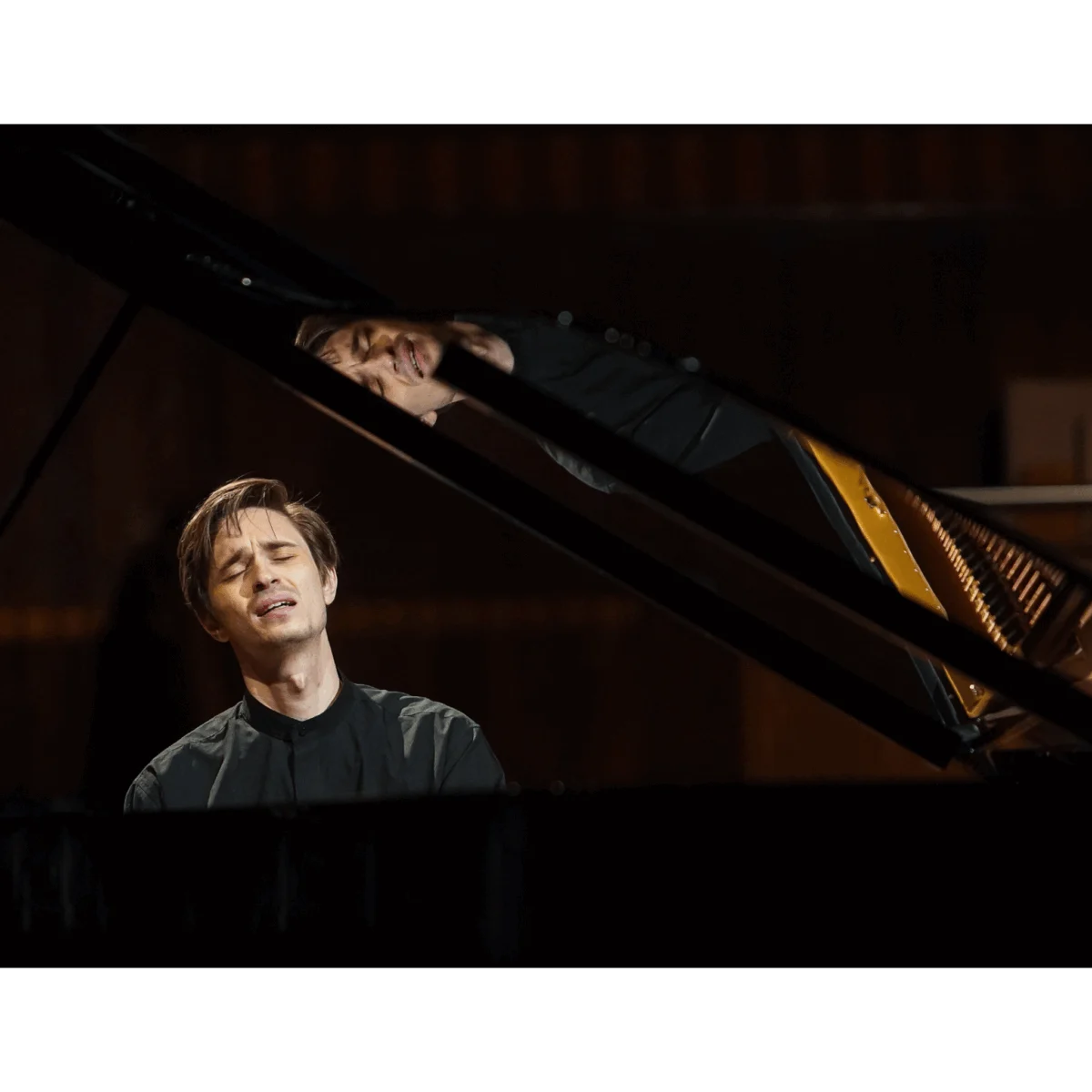
The standout of this collection is Life, Love, Death, a Pure DSD256 masterpiece by pianist Zhengyi Huang. Released by Hunnia Records in 2026, this album is a masterclass in thematic programming. Huang, an award-winning pianist, constructs a cycle that traverses the fundamental human experiences: life, love, and death.
A Chronology of Emotion
Huang begins with Stravinsky’s Three Movements from Petrushka. Here, the piano is not merely an instrument but a vessel for the transformation of a puppet into a human soul—a metamorphosis from lifelessness to consciousness.
The heart of the album is the "Love Cycle," a six-part narrative that defies chronological sequence in favor of emotional resonance. It begins with the dreamlike innocence of Liszt’s Liebestraum No. 3, shifts into the sacrificial transcendence of Wagner’s Isolde’s Liebestod, and then fractures into the nostalgic memory of Kreisler’s Liebesleid and Liebesfreud. The arc concludes with the interiorized warmth of Brahms’ Intermezzo in A major, Op. 118, No. 2, and the conscious devotion of Schumann’s Widmung.
Finally, the album confronts the inevitable through Liszt’s Totentanz. By placing this "Dance of Death" at the end, Huang suggests that even the most refined expressions of love are subject to the shadow of mortality. This is not a tragic end, but an existential one, reminding us that love and death are forever intertwined.
Rethinking the Romantic Canon
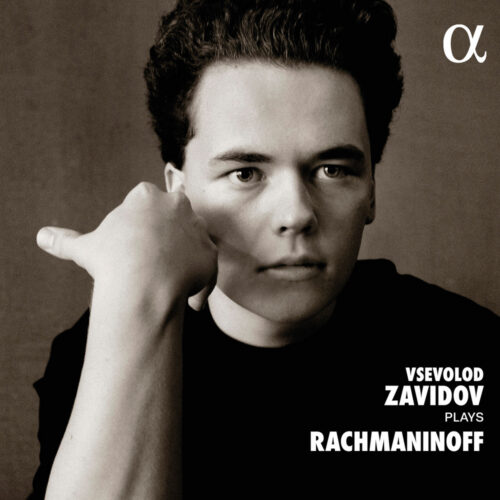
Vsevolod Zavidov Plays Rachmaninoff (Alpha Classics)
If one expects the heavy, saturated, and overly romanticized approach often associated with the Russian school, Vsevolod Zavidov’s debut will come as a shock. Winner of the inaugural Radu Lupu Prize, Zavidov brings a quicksilver lightness to Rachmaninoff that is as refreshing as it is analytical. In his hands, the Corelli Variations feel fluid and improvisatory, with a technical clarity that clarifies inner voices often buried in thicker interpretations.
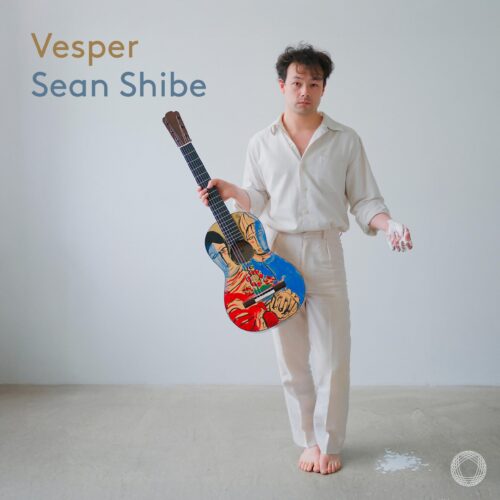
Sean Shibe: Vesper (Pentatone)
Scottish guitarist Sean Shibe continues to push the boundaries of his instrument. In Vesper, he tackles 21st-century works by Harrison Birtwistle, James Dillon, and Thomas Adès. None of these composers are guitarists, yet Shibe coaxes sounds from his Hauser-style instrument that feel startlingly new—explosive, tender, and, at times, heartbreaking. It is a testament to his ability to interpret contemporary scores with absolute nuance.
Renaissance Vitality and Modern Austerity
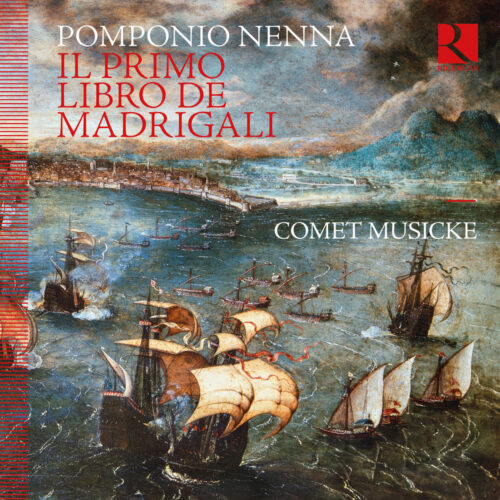
Pomponio Nenna: Il primo libro de madrigali
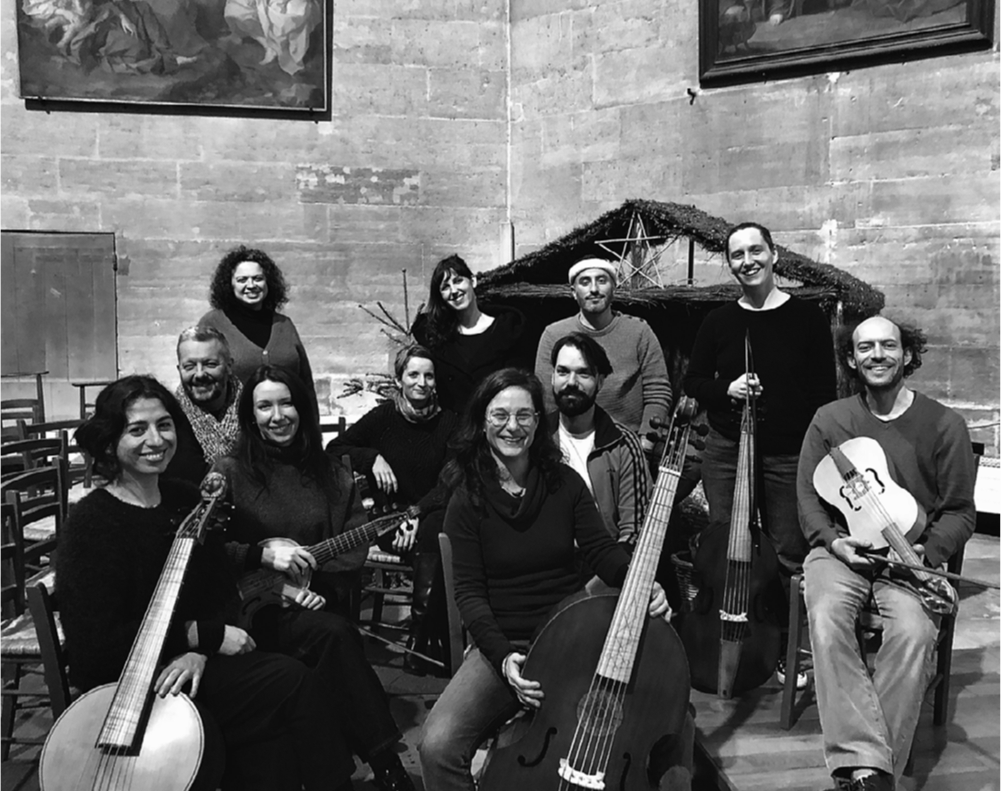
The ensemble Comet Musicke offers a brilliant excavation of Pomponio Nenna’s First Book of Madrigals (1613). Often overshadowed by his contemporary Gesualdo, Nenna is revealed here as a composer of immense energy. By interweaving vocal madrigals with instrumental works by de Macque and Trabaci, the album avoids the monotony of a purely choral program. The result is a vibrant, flowing soundscape that celebrates the birth of the composer’s son and the joys of the late Renaissance.
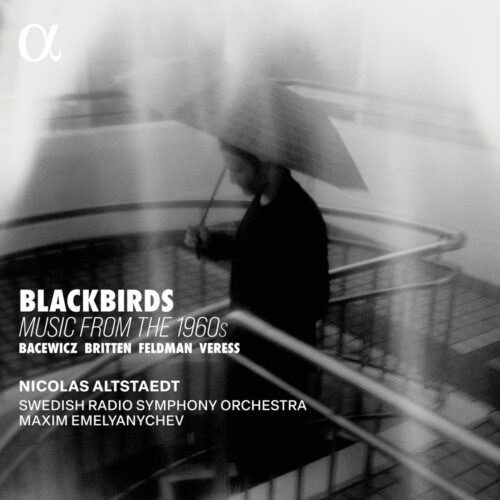
Nicolas Altstaedt: Blackbirds
Cellist Nicolas Altstaedt’s Blackbirds is a study in 1960s contrasts. He balances the dramatic, oppositional tension of Bacewicz’s Second Cello Concerto with the abstract, floating temporality of Morton Feldman’s Durations II. The album is a rigorous journey through 20th-century modernism, yet it concludes with a striking, de-formalized rendition of the Beatles’ Blackbird. Stripped to lute and voice, the song feels archaic and deeply human, acting as a "re-humanizing" coda to the intellectual rigor that precedes it.
Supporting Data: The Technical Landscape
While I maintain that music is the priority, the technical provenance of these albums provides a window into current engineering standards:
Zhengyi Huang, Life, Love, Death: Pure DSD256, Stereo. The gold standard for aural density and transparency.
Vsevolod Zavidov, Rachmaninoff: 192kHz/24-bit. A clean, precise capture that highlights structural agility.
Comet Musicke, Pomponio Nenna: 88.2kHz. While I occasionally miss the "ease" of DSD, the capture of the acoustic in the Chapelle Saint-Louis is exemplary.
Sean Shibe, Vesper: 192kHz/24-bit. Captures the delicate, percussive transients of the guitar with superb detail.
Altstaedt, Blackbirds: 96kHz. A highly nuanced recording that handles the jump from symphonic scale to the intimacy of a lone lute with ease.
Muramoto & Nitahara, Nocturne: 176.4kHz. An open, transparent recording from the Estúdio Monteverdi that excels in multi-channel formats.
Official Perspectives: The Philosophy of Performance
The artists involved in these recordings share a common theme: the bridge between tradition and contemporary identity. As cellist Lucas Garcia Muramoto notes regarding his album Nocturne:
"Brazil is home to the largest community of Japanese descendants in the world. The music of Hisatada Otaka and André Mehmari offers a meeting point: both composers engage with the European classical tradition while allowing their own cultural identities to remain unmistakably present."
This perspective is echoed by Sean Shibe, who notes that the composers on his album Vesper—despite their disparate styles—all draw from the well of Spanish culture to create entirely new, sonic landscapes.
Implications: Why We Must Listen to Albums in Full
The primary takeaway from this collection is the vital importance of the "album" as a cohesive unit of art. In an era of streaming, where listeners are conditioned to consume "bleeding chunks" of music—isolated tracks stripped of their context—we are losing the ability to appreciate the deliberate arc that an artist constructs.
When Zhengyi Huang arranges a program to lead us through the cycle of life, love, and death, he is not merely grouping pieces; he is creating a narrative. When Nicolas Altstaedt pairs the abstract modernism of Feldman with the pop-folk simplicity of Blackbird, he is challenging our perception of what music is and how it functions.
If you don’t usually listen to albums from start to finish, I urge you to try. Allow the artist to lead you through their carefully crafted landscape. You may find that the meaning you glean from the work is far greater than the sum of its individual parts.
These recordings, whether DSD256 or PCM, offer more than just high-fidelity sound; they offer a profound musical experience of the first order. Each one is highly recommended for the discerning listener who seeks depth, intelligence, and genuine emotional connectivity in their music collection.