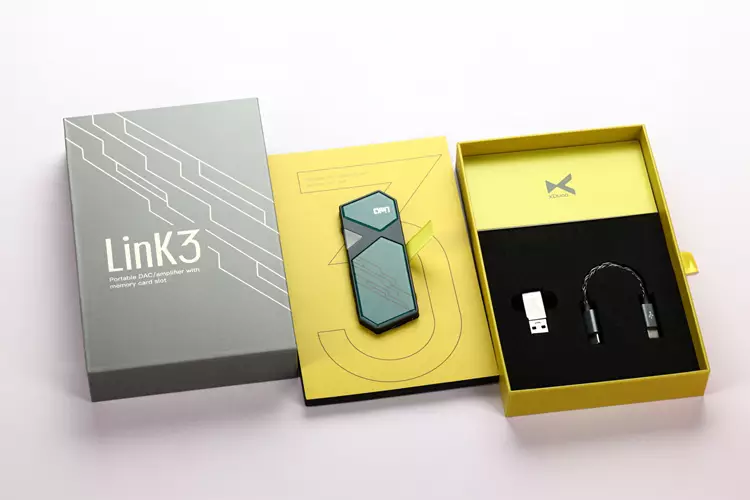
In the rapidly evolving landscape of portable audio, the "dongle DAC" segment has become a battleground for miniaturization and high-fidelity performance. xDuoo, a brand long celebrated for bridging the gap between desktop-grade power and mobile convenience, has introduced the xDuoo Link3. Priced at an MSRP of $219, this device aims to disrupt the status quo not just through its sonic capabilities, but by integrating a unique, functional feature: a built-in microSD card slot.
Main Facts: Redefining Portable Fidelity
The xDuoo Link3 is more than a simple digital-to-analog converter. At its core, it features a dual-DAC implementation utilizing the latest ESS SABRE ES9039Q2M chips—the mobile-optimized versions of the flagship ES9039PRO found in high-end desktop hardware. This is paired with the XMOS XU316 16-core USB processor, ensuring low-latency, high-resolution playback support up to PCM 768kHz and DSD512.
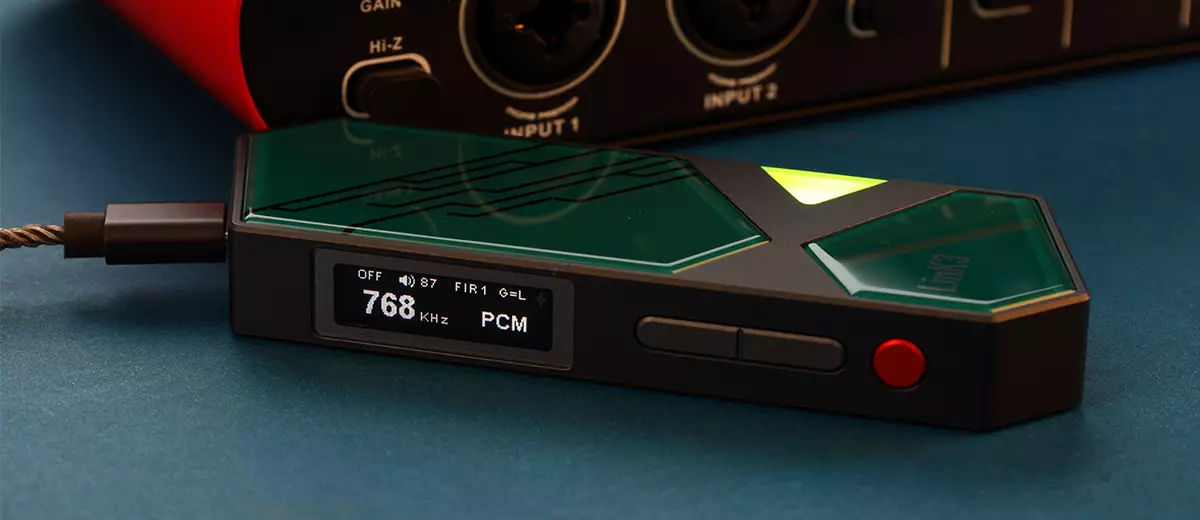
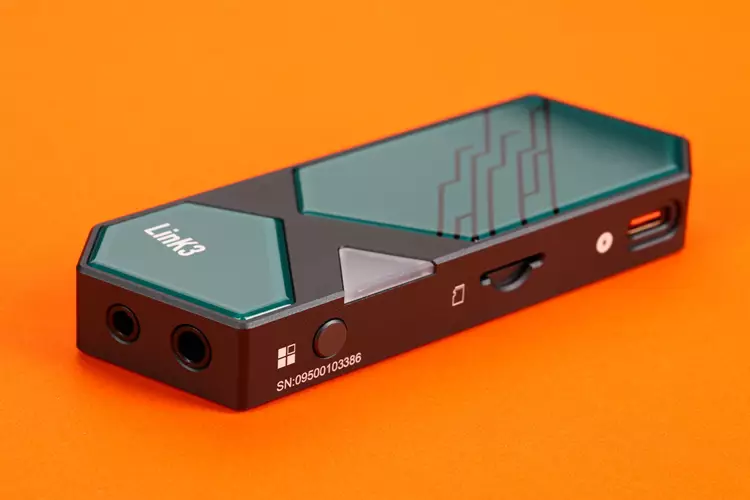
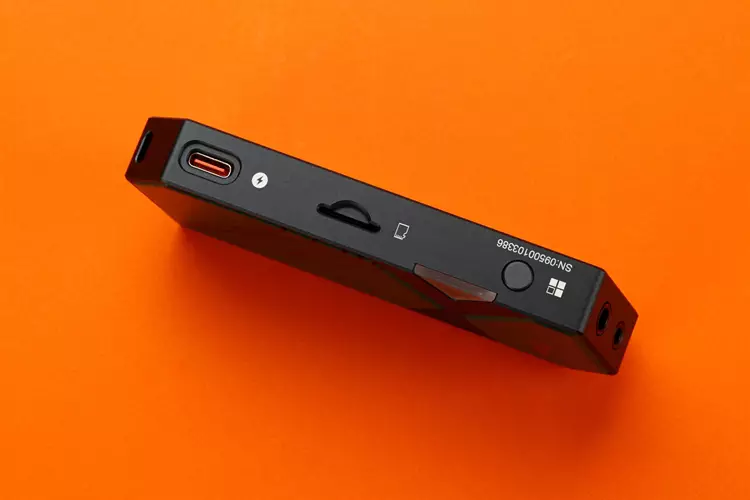
The standout feature is undoubtedly the microSD card slot, which transforms the Link3 into a hybrid device: a DAC/Amp and a high-speed storage hub. When set to "hub mode," the device can support up to 2TB of expanded storage for smartphones or digital audio players (DAPs). Furthermore, the unit boasts an impressive 1000mW output power when utilizing an external power supply, a figure that dwarfs many competitors in the dongle market.
Chronology of the Review
My evaluation of the xDuoo Link3 followed a rigorous, multi-stage process:
- Initial Burn-in: A 24-hour continuous playback period was conducted to stabilize components and monitor thermal output.
- Compatibility Testing: The device was tested across various operating systems and platforms, including Windows 11, Android, and dedicated DAPs, specifically checking UAC 1.0/2.0 switching and power delivery consistency.
- Critical Listening: Using a diverse set of IEMs (DUNU Falcon Ultra, Tipsy M5) and full-sized headphones (Sennheiser HD 6XX), I analyzed the sound signature, staging, and dynamic range.
- Performance Stress Tests: Using a 1TB SanDisk Extreme MicroSDXC card, I measured file transfer speeds and assessed the impact of storage usage on the device’s power consumption and temperature.
Supporting Data: Technical Specifications and Performance
The Link3’s architecture is designed for those who refuse to compromise on power.
Power and Efficiency
Under normal operation (no external power), the Link3 provides a robust output. However, the inclusion of a dedicated USB-C power input port is a game-changer. By connecting a separate power source, the output climbs from 700mW to a staggering 1000mW. During testing, this provided significant headroom for demanding loads, ensuring that even power-hungry planar magnetic headphones or high-impedance dynamics were driven with authority.
Audio Measurements and UI
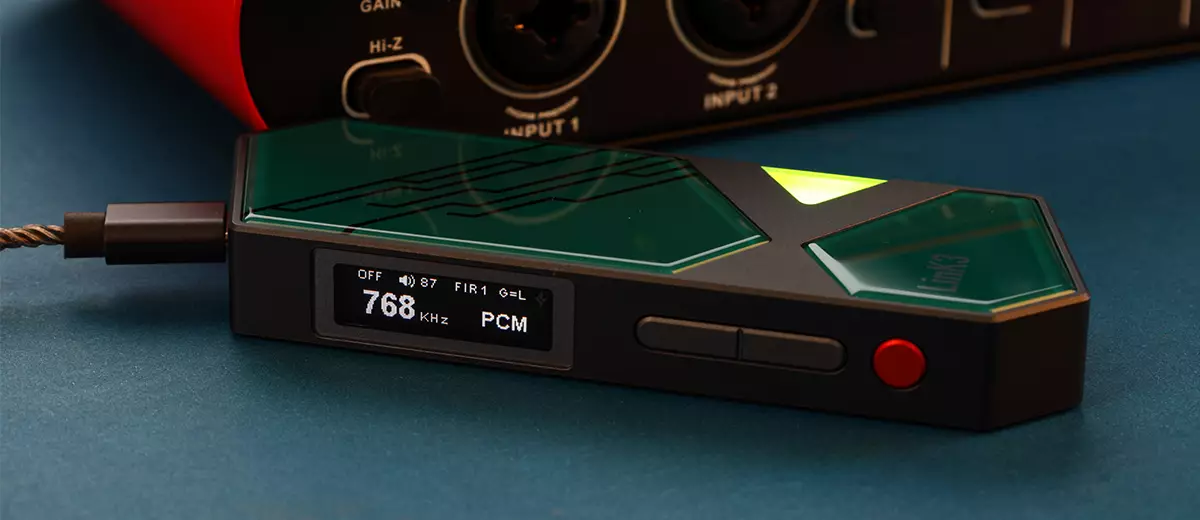
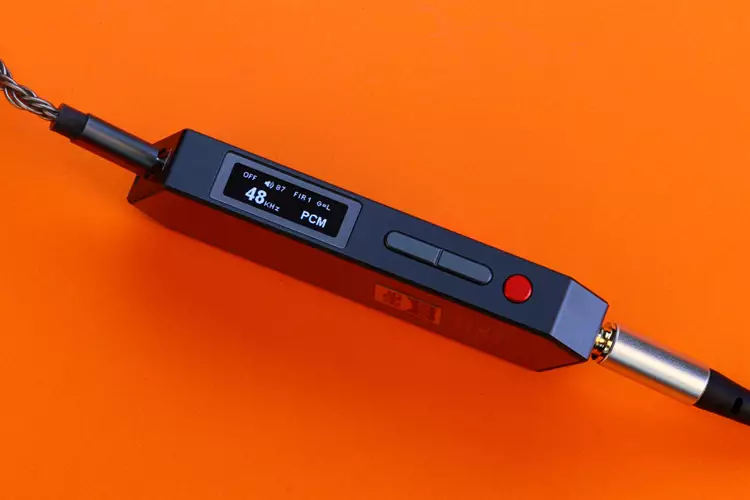
The device features a 22mm x 6mm TFT display that provides real-time information on sampling rates and settings. The interface is navigated via a thoughtful button layout:
- Control: One side button and three front-facing buttons for playback.
- Digital Filters: Four selectable FIR filters, allowing for subtle tuning of the transient response.
- Volume: 100-step independent digital volume control, offering granular precision.
While the manual refers to the display as TFT, its clarity and contrast are remarkably reminiscent of OLED technology. The ability to customize the UI with seven different color schemes and five brightness levels adds a layer of personalization rarely seen in this form factor.
Official Responses and Operational Quirks
During the review, some operational inconsistencies were noted. Regarding the charging and data transfer, xDuoo suggests that the device’s power draw when using the hub function is 5V/0.38A.
In my testing, I found that the charging behavior of connected host devices could be inconsistent when using standard cables. However, the use of high-quality, manufacturer-verified cables (such as those provided by Cayin) solved these stability issues. It is important for users to note that while the Link3 acts as a USB hub, it does not support ultra-fast transfer speeds; I recorded a peak of approximately 33 MB/s. While this is sufficient for music playback, it is not a replacement for a high-speed card reader for large-scale file management.
Implications for the Portable Audio Market
The xDuoo Link3 represents a shift toward "all-in-one" portable solutions. For the audiophile who carries a phone with limited internal storage, the Link3 solves the age-old problem of needing a dedicated DAP to carry a massive FLAC library.
Sound Signature: A Warm, Analog Character
Sonically, the Link3 deviates from the clinical, hyper-analytical trend of modern ESS-based dongles. It presents a subtly U-shaped signature.
- Bass: The low end is the highlight, delivering a punchy, controlled, and deep response that retains detail without bleeding into the mids.
- Midrange: Vocals are rendered with a warmth that prioritizes musicality over raw technicality. It is a "fun" signature that is fatigue-free for long listening sessions.
- Treble: The upper registers are energetic, providing enough air to balance out the warmth of the bass, resulting in a sound that feels thick and analog rather than thin and digital.
Ergonomics and Thermal Management
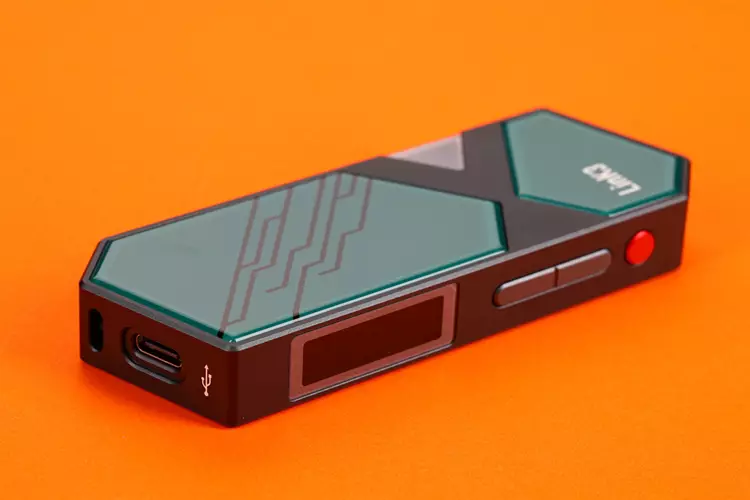
It is crucial to highlight that the Link3 is a physically large and dense device. Weighing 70 grams, it is not the most "pocketable" dongle on the market. Furthermore, the device runs warm—even alarmingly so during sustained high-resolution playback with a microSD card inserted. This is a byproduct of the high-power output and the chassis’ role as a passive heat sink. Prospective buyers should be aware that this device is designed for high-performance desk-adjacent or stationary-portable use rather than lightweight, on-the-go commuting.
Conclusion
The xDuoo Link3 is an audacious entry into the dongle DAC market. By successfully integrating a microSD card slot and pushing power output into the 1W territory, xDuoo has created a product that offers genuine utility alongside high-fidelity audio.
Pros:
- Impressive Dynamics: One of the most powerful dongles in its class.
- Analog Tonality: A warm, engaging sound that avoids the "ESS glare."
- Versatility: The storage expansion capability makes it a unique hybrid for mobile users.
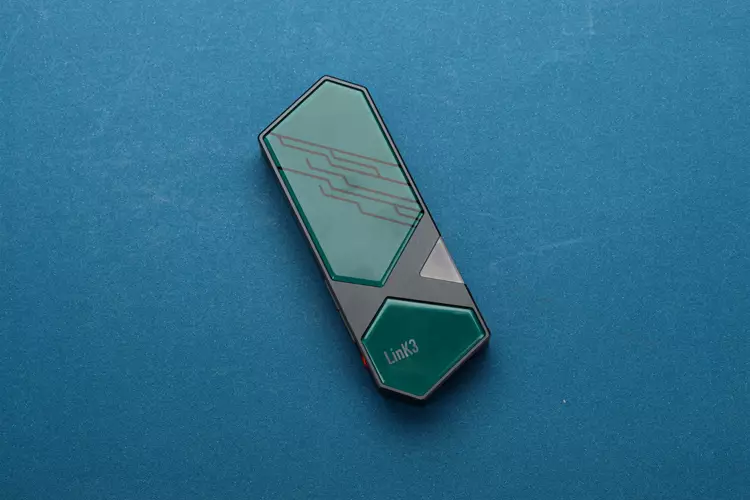
- Build Quality: A robust, retro-sci-fi aesthetic with high-quality CNC aluminum.
Cons:
- Size and Weight: Its bulk may deter those seeking an ultra-portable solution.
- Thermal Output: The device runs quite warm, reflecting its high-power nature.
- Power Management: Requires high-quality, stable cabling to ensure consistent charging and data transfer.
At $219, the xDuoo Link3 is priced as a premium offering. It is not for the minimalist who wants a tiny, plug-and-forget device. Rather, it is for the enthusiast who wants the power of a desktop amplifier in their pocket and the convenience of a massive, localized music library. It is a bold, uncompromising, and highly capable device that earns its place as a staple for those who prioritize dynamics and musicality.
Disclaimer: This sample was provided by Shenzhen Audio and xDuoo for the purpose of this review. Headfonics remains an independent publication with no affiliate ties to the brands mentioned.