While the landscape of classical music is saturated with recordings of Ludwig van Beethoven’s thirty-two piano sonatas, few performers manage to pierce through the sheer volume of existing catalogs to offer a truly revelatory experience. For audiophiles and scholars alike, the search for the "definitive" performance is often a journey of diminishing returns. However, a new release from the IBS Classical label featuring Spanish pianist Miriam Gómez-Morán offers a compelling argument that these cornerstones of the Western canon still possess the capacity to surprise, challenge, and move us.
Main Facts: A Bold New Trio
The latest release on NativeDSD spotlights three of the most iconic works in the piano repertoire: the Sonata No. 8 in C Minor, Op. 13 ("Pathétique"), the Sonata No. 14 in C-sharp Minor, Op. 27, No. 2 ("Moonlight"), and the Sonata No. 21 in C Major, Op. 53 ("Waldstein").
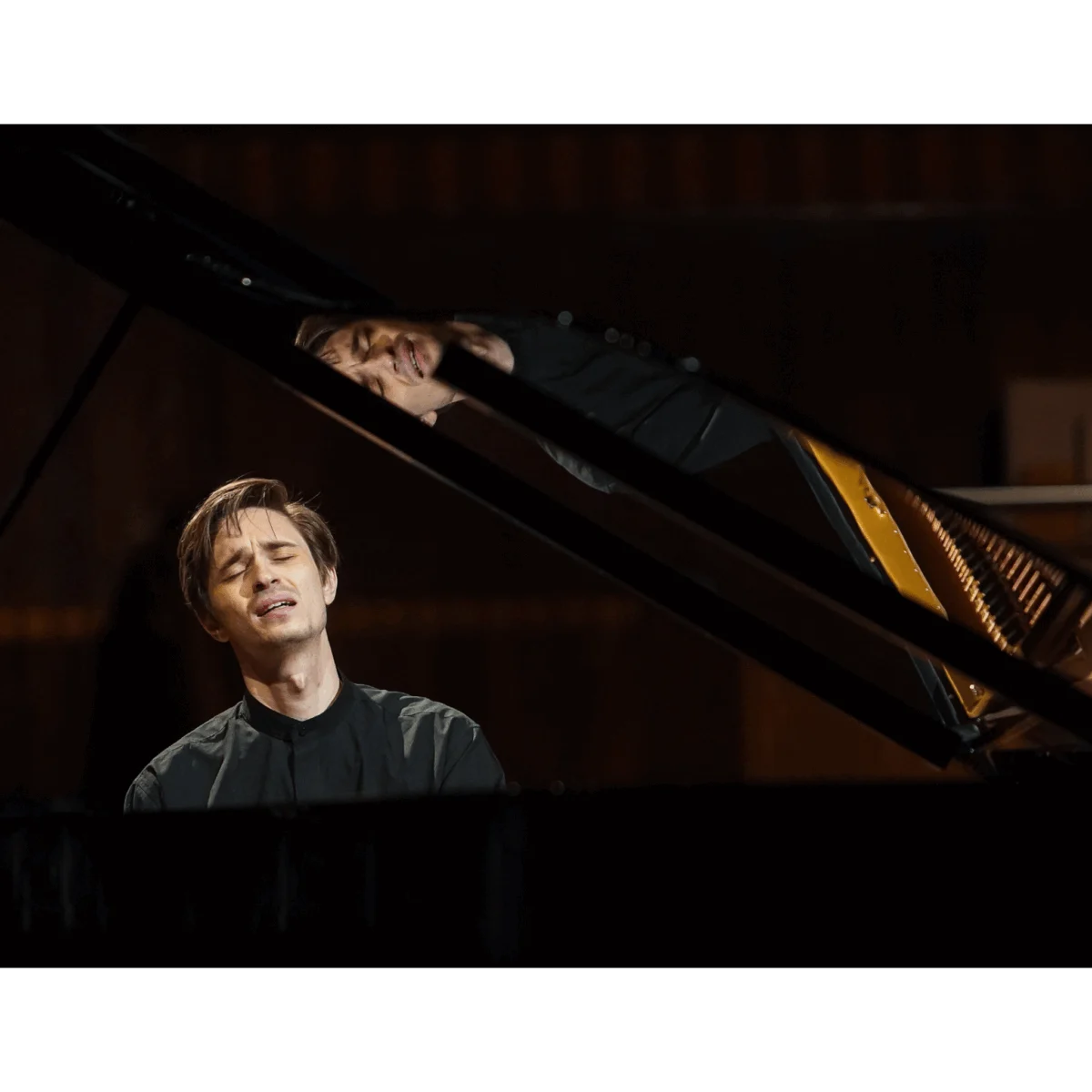
Miriam Gómez-Morán, a pianist who holds a PhD in the instrument and serves as a professor at one of Spain’s premier music conservatories, brings a rigorous intellectual framework to these pieces. Rather than leaning into the heavy-handed, Romanticized tropes that have historically burdened these sonatas, Gómez-Morán opts for a transparent, crystalline approach. Her performance is characterized by a high-contrast emotional palette—navigating the transition from tragic weight to lyrical grace with surgical precision and artistic fervor.
The recording, captured with the high-fidelity clarity that NativeDSD is known for, positions the piano in a natural, resonant space, offering the listener the sensation of sitting in the ideal "sweet spot" of a concert hall.
Chronology: The Evolution of Interpretation
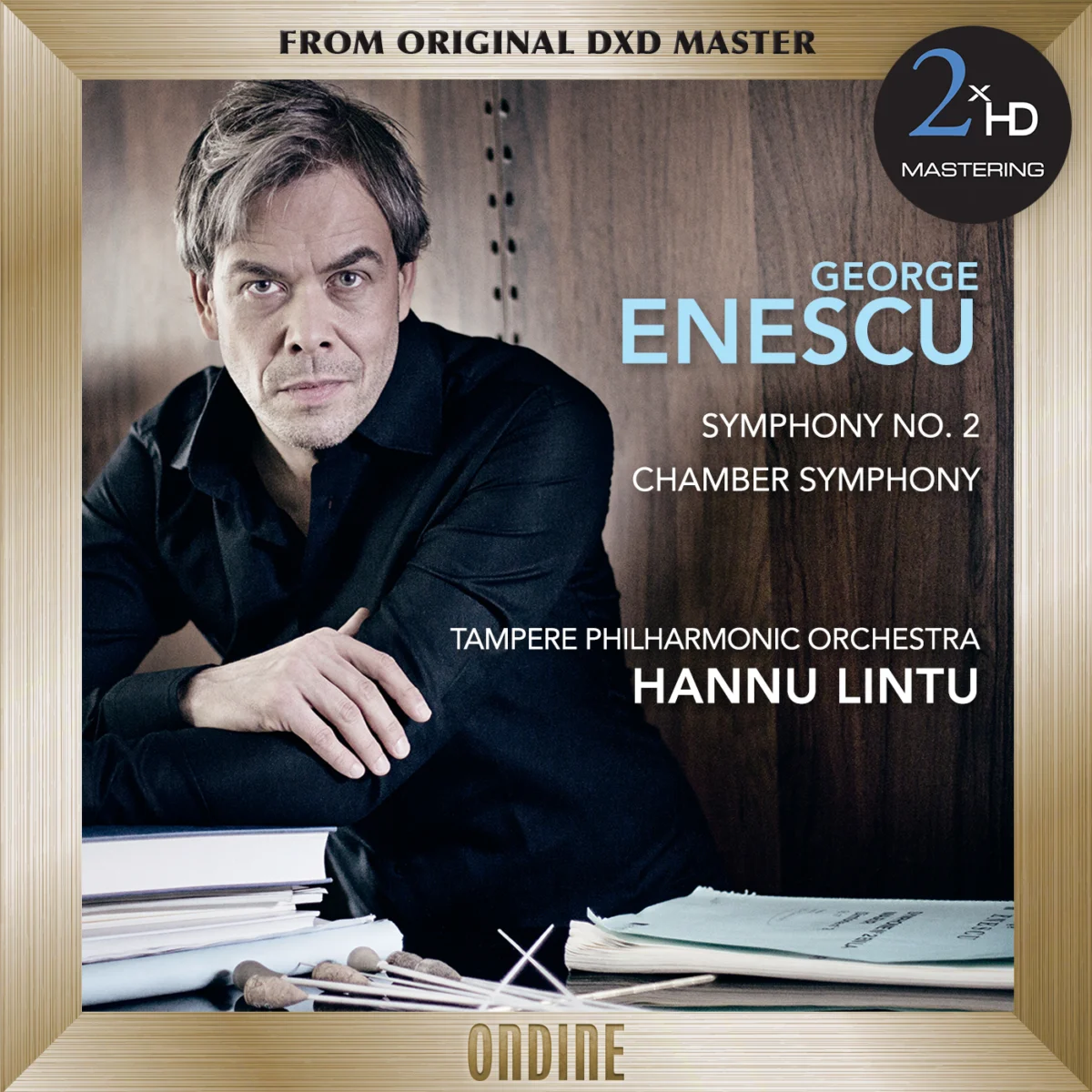
To understand the significance of Gómez-Morán’s work, one must look at the trajectory of Beethoven recordings available on the platform. For several years, the benchmark for the complete cycle of sonatas on NativeDSD has been the monumental 11-volume set by Peter Takács. As the winner of the "Solo Instrumental Album of the Year" in 2022, Takács set a standard for technical completeness and scholarly depth.
However, where Takács provides a comprehensive, unified vision of the complete cycle, Gómez-Morán’s approach is a concentrated study of specific peaks within that mountain range. Her arrival in the catalog serves as a reminder that the "complete cycle" approach, while essential for study, can sometimes overshadow the individual character of the sonatas. By isolating these three major works, Gómez-Morán allows the listener to focus on the evolution of Beethoven’s voice—from the turbulent, early-Classical angst of the Pathétique to the experimental, forward-looking brilliance of the Waldstein.
Supporting Data: Why This Recording Matters
The sonic quality of this release is not merely a technical achievement; it is an interpretive one. In the world of high-resolution audio, the distance between the microphone and the instrument is a critical artistic choice. The IBS production team has achieved an ideal balance, capturing the mechanical nuance of the piano’s action without sacrificing the bloom of the hall’s acoustics.
Technically, Gómez-Morán’s playing avoids the common pitfalls of "cliché-driven" Beethoven. Many performers fall into the trap of over-interpreting the Moonlight Sonata, allowing it to dissolve into a muddy, overly sentimental wash of sound. Conversely, Gómez-Morán treats the score with a refreshing "bright and transparent" quality. Her articulation in the Waldstein is particularly noteworthy; the rapid-fire passagework is delivered with a clean, rhythmic drive that makes the sonata feel like a modern, kinetic machine rather than a dusty relic of the 19th century.
For those who prioritize emotional intelligence over virtuosic vanity, her Waldstein may well be the standout track of the year. It captures the sheer audacity of Beethoven—a man who was constantly pushing the boundaries of what the piano was capable of expressing.
Official Perspectives: The Philosophy of the Artist
While specific interview transcripts are rarely included in digital release notes, the performance itself serves as a manifesto of Gómez-Morán’s pedagogical and artistic philosophy. As a professor at a leading conservatory, her approach is rooted in the "Urtext" tradition—a reverence for the score as written—yet she refuses to be shackled by dry academicism.
She balances the "tragic" with the "lyrical" by understanding the structural architecture of the music. She does not play at the listener; she plays through the music, allowing the emotional range to emerge from the harmonic tensions of the notes themselves. This is the hallmark of a mature artist: the realization that Beethoven’s genius is sufficiently powerful that it does not require the performer to add layers of artificial drama.
Implications: The Future of Classical Consumption
The availability of this recording through high-end digital platforms like NativeDSD signals a shift in how audiences consume classical music. We have moved past the era of the monolithic "Greatest Hits" CD compilations. Instead, listeners are increasingly seeking high-fidelity, curated, and intellectually rigorous performances that can exist alongside their existing libraries.
The success of a recording like this lies in its ability to offer a "fresh take." When a listener has heard the Pathétique dozens of times, they become immune to the shock of its opening chords. Gómez-Morán restores that shock. She reminds us that these works were once revolutionary, jarring, and profoundly human.
For the dedicated collector, this album creates a dialogue with established sets like the Peter Takács collection. One does not necessarily replace the other; rather, they complement one another. The listener can turn to Takács for the structural narrative of the complete thirty-two and turn to Gómez-Morán for a vivid, high-definition exploration of the dramatic highlights.

A Note on the Listening Experience
To fully appreciate the artistry at play here, listeners are encouraged to engage with the DSD (Direct Stream Digital) files. The texture of the piano—the decay of the notes, the strike of the hammers, the vibration of the strings—is rendered with a fidelity that brings the listener into the same room as the performer. In an age of compressed audio and background listening, this recording demands the same focus that Gómez-Morán brought to the studio.
It is, in every sense of the word, a high-fidelity experience—both technically and emotionally.
Final Verdict
Miriam Gómez-Morán’s contribution to the Beethoven discography is a triumph of clarity and emotional range. It is an essential listen for anyone who believes they have "heard it all" when it comes to the Pathétique, Moonlight, and Waldstein sonatas. Her ability to navigate the complexities of these scores without descending into sentimentality, coupled with the impeccable production quality of the IBS recording, makes this a standout release.
Whether you are a longtime devotee of Beethoven or a newcomer to the piano sonatas, this album serves as a potent reminder of why these works remain the gold standard of the piano repertoire. It is highly recommended to add this to your collection, perhaps even as a companion to the monumental complete cycles already available.
In a time when we are lucky enough to have access to a vast array of superb performances, it is the ones that feel "new" again that truly matter. Gómez-Morán has succeeded in making the familiar feel vital, urgent, and profoundly alive.
About the Reviewer: Bill Dodd is a Senior Music Reviewer at NativeDSD. With a background that spans professional broadcasting in San Francisco to a lifelong immersion in classical and jazz traditions, he brings a unique perspective to the evaluation of high-fidelity recordings. His critical ear is shaped by decades of experience as both a musician and an advocate for pure, high-resolution audio.