Introduction: A New Era for the San Francisco Symphony
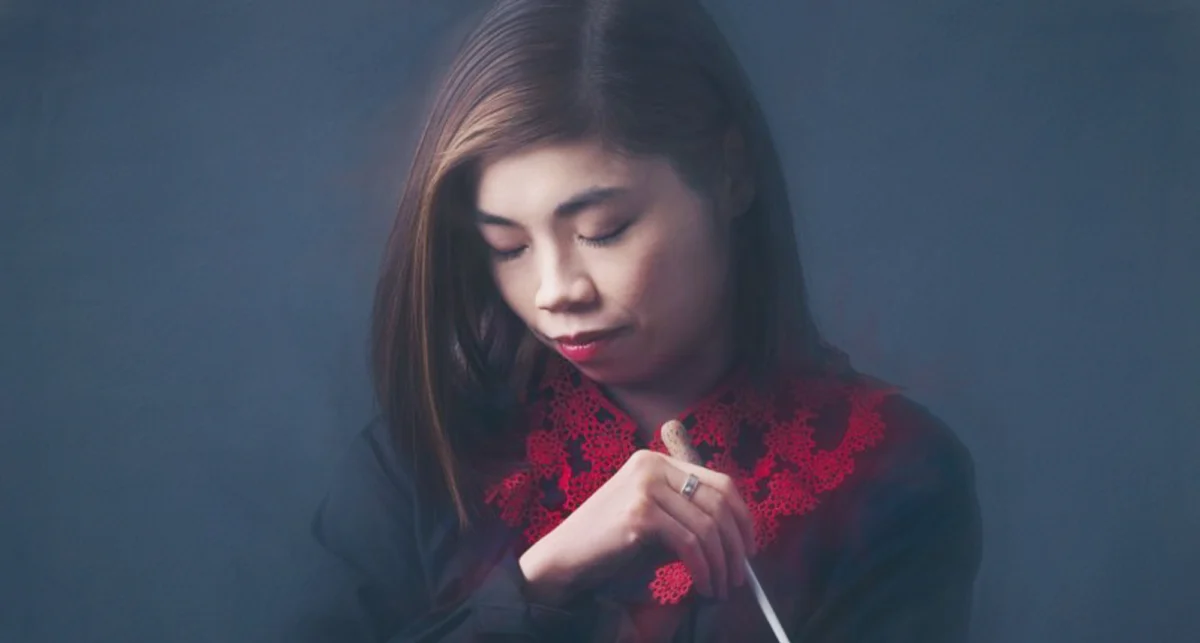
In the rarefied world of classical music, few appointments carry the weight and anticipation currently surrounding Elim Chan. As the newly named Music Director Designate of the San Francisco Symphony—a role she is set to assume in full by September 2027—Chan has emerged not merely as a conductor of technical precision, but as a transformative cultural force.
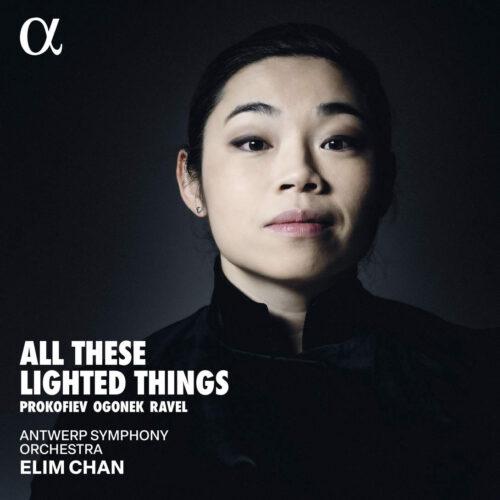
The announcement of her appointment has sent ripples of excitement through the global orchestral community. Critics and audiences alike are pinning their hopes on Chan to usher in a fresh, vital chapter for one of America’s most storied ensembles. To understand the magnitude of this moment, one must look at the trajectory of her career and the profound, luminous quality of her recent recordings, most notably her latest release, All These Lighted Things.
Main Facts: The Appointment of a Visionary
Elim Chan’s selection as the next Music Director of the San Francisco Symphony is a watershed moment for the institution. The appointment follows an exhaustive search to find a leader who can balance the weight of tradition with the urgency of contemporary performance.
Chan, known for her magnetic presence on the podium and her ability to draw vibrant, nuanced colors from an orchestra, has already demonstrated a unique chemistry with the San Francisco players. Her ascent has been meteoric, marked by guest conducting appearances that have been described as "rapturous" and "exhilarating."
For listeners looking to understand why the industry is so captivated by her work, her latest album serves as the perfect primer. The recording, which highlights her mastery of both the modern repertoire and the pillars of the 20th century, stands as a testament to her interpretative clarity. NativeDSD Senior Music Reviewer Bill Dodd, in his latest entry for the Dodd’s Discoveries series, highlights this release as an essential addition to any audiophile’s collection.

Chronology: From Prodigy to Podium
The narrative of Elim Chan’s career is one of steady, purposeful accumulation of craft. Her background is not that of a child prodigy in the traditional sense, but rather a dedicated musician who honed her skills through rigorous academic study and relentless practical application.
- Early Development: Chan’s formative years were defined by a deep curiosity regarding the structural mechanics of symphonic music. Her transition from instrumental study to the art of conducting was characterized by an obsession with how sound is shaped in space.
- The Breakthrough: After winning the Donatella Flick LSO Conducting Competition in 2014, Chan became the first woman to win the event, catapulting her into the international spotlight. This was followed by a prestigious stint as the Assistant Conductor of the London Symphony Orchestra, where she worked closely with masters of the craft.
- The Rise: Her tenure as Chief Conductor of the Antwerp Symphony Orchestra solidified her reputation as an interpreter of high-intensity, high-clarity works. It was here that she refined her signature style: a blend of structural rigor and emotional openness.
- The San Francisco Appointment: Following a series of highly successful guest appearances in San Francisco, the board reached a decision that reflects the orchestra’s desire for a forward-looking leader. Her upcoming transition to Music Director in 2027 is now the most anticipated event in the American classical calendar.
Supporting Data: An Analysis of ‘All These Lighted Things’
To truly grasp the "Chan phenomenon," one must listen to the music. Her latest recording, All These Lighted Things, is a masterclass in programming, juxtaposition, and sonic texture.
The album is anchored by the title work, All These Lighted Things by American composer Elizabeth Ogonek. Unlike much of the "difficult" contemporary music that often alienates the casual listener, Ogonek’s work is a revelation. It is modern, yes, but it is deeply melodic and accessible. The first movement sparkles with a crystalline, almost atmospheric energy, while the second movement offers a moment of profound, thoughtful lyricism. The third movement is a vivacious, celebratory "dance" that showcases the rhythmic agility of the orchestra under Chan’s baton.
Coupled with this contemporary centerpiece are two staples of the orchestral repertoire: Sergei Prokofiev’s Romeo and Juliet (Suites 1 and 2) and Maurice Ravel’s Daphnis et Chloe (Suite 2).
Chan’s approach to these well-trodden works is nothing short of refreshing. Rather than leaning into the bombast that often characterizes Prokofiev interpretations, she emphasizes a flowing, melodic quality that brings a sense of tenderness to the tragedy. In the Ravel, she coaxes an enchanting, shimmering quality from the strings, demonstrating a mastery of the French Impressionist palette that is both rare and highly satisfying.
Official Responses and Industry Reception
The reaction to Chan’s appointment has been unanimous in its enthusiasm. Members of the San Francisco Symphony have spoken of a renewed sense of purpose during rehearsals under her leadership. Critics who attended her first post-announcement concert described the experience as a "hero’s welcome."
Perhaps the most telling sign of the excitement is the fact that the audience stood to applaud her before she had even raised her baton—a rarity in the often-reserved world of classical music. This is a level of rapport that usually takes years to cultivate, yet Chan achieved it through sheer force of musicality and charisma.
In his review, Bill Dodd notes: "I really enjoyed Chan’s viewpoint on the well-known Ravel and Prokofiev ballet excerpts. There’s a flowing, melodic quality that is enchanting. The newer ‘All These Lighted Things’ is a delight. The recording is excellent; the music glows and dances."
Implications: The Future of the Symphony
The significance of the Elim Chan era cannot be overstated. As orchestras across the globe struggle to remain relevant in a digital, fast-paced world, leaders like Chan offer a path forward. She represents a generation of conductors who are not content to act as mere museum curators for dead composers. Instead, she treats the repertoire as a living, breathing entity that must speak to the sensibilities of today’s listeners.
Her focus on contemporary voices like Elizabeth Ogonek, balanced against the established canon, suggests that the San Francisco Symphony under her tenure will become a laboratory for new ideas. This is not about abandoning the past, but about illuminating it through a modern lens.
For the listener, this means the next few years will be a period of significant discovery. With high-fidelity recordings of her work becoming available—and currently offered at a 40% discount through the NativeDSD platform as part of the Dodd’s Discoveries series—there has never been a better time to engage with her discography.
Conclusion: A Highly Recommended Discovery
In conclusion, Elim Chan is more than just a talented conductor; she is a catalyst for change. Whether you are a lifelong devotee of the symphonic tradition or a curious newcomer, her latest recording is an essential entry point into her artistic vision.
The warmth of the recording, the precision of the ensemble, and the sheer joy of the performances make this album a standout in any collection. We encourage all music lovers to explore this release, download the accompanying booklet for a deeper dive into the conductor’s background, and join the growing chorus of fans who recognize that the future of classical music is in very capable hands.
Don’t miss out on this exclusive opportunity: The featured album, All These Lighted Things, is currently available at a 40% discount. Click through to the NativeDSD store to secure your copy and experience the magic of one of the world’s most exciting conductors for yourself.
About the Reviewer: Bill Dodd
Bill Dodd is the Senior Music Reviewer at NativeDSD. With a background that spans professional broadcasting, choral performance, and a lifelong devotion to the high-fidelity arts, Bill brings a unique, multifaceted perspective to every review. His listening habits are as eclectic as his history, ranging from the intricate piano compositions of J.S. Bach to the jazz mastery of Miles Davis and the rock innovations of The Who. Bill is based in the Portland, Oregon area, where he also pursues his passion for photography. His "Dodd’s Discoveries" series remains a go-to resource for audiophiles seeking curated, high-quality recommendations in the evolving world of high-resolution digital music.