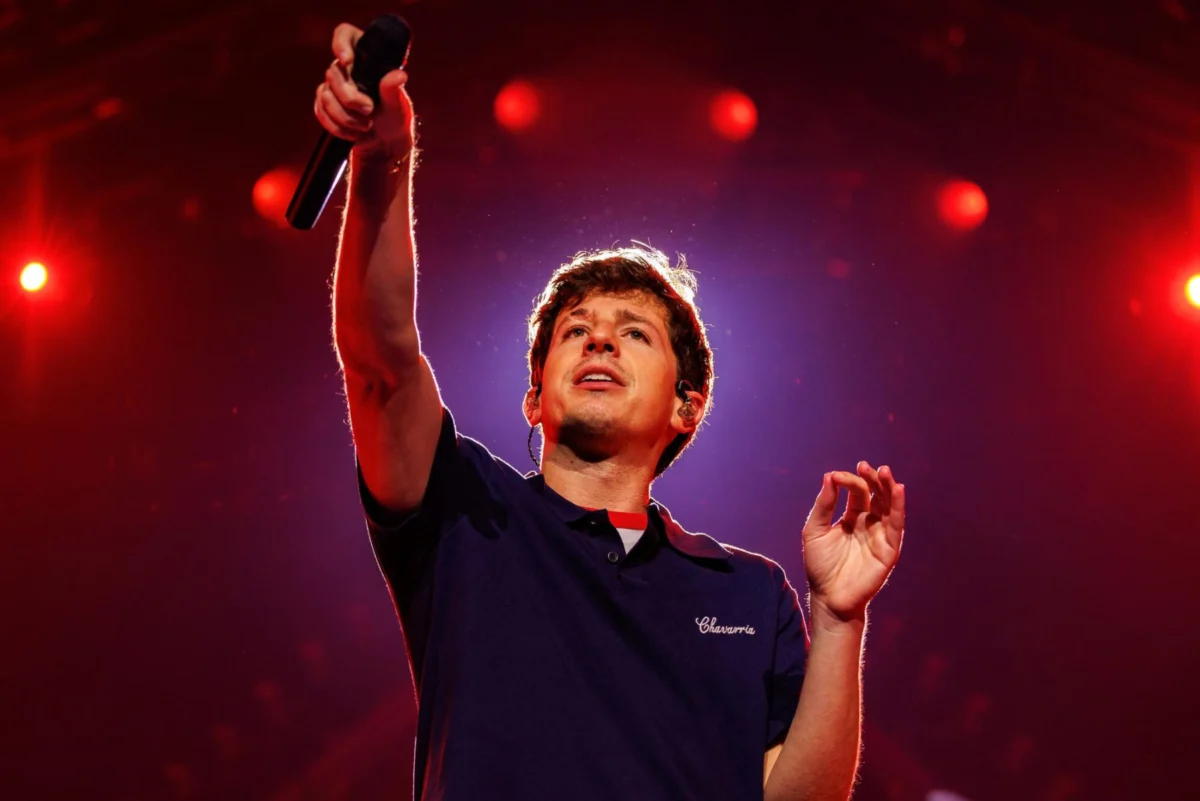
In a sudden and unexpected development for fans across the Southern Hemisphere, multi-platinum singer-songwriter Charlie Puth has officially canceled his highly anticipated tour of Australia and New Zealand. The six-date arena tour, which was set to bring the artist’s latest musical era to major cities in the region, has been scrapped entirely, leaving thousands of ticket holders seeking clarity and refunds.
As of this writing, neither Puth’s management nor the tour’s promoters have issued a formal explanation for the cancellation. The silence surrounding the decision has fueled intense speculation among the fanbase, particularly given the high level of enthusiasm that followed the tour’s initial announcement earlier this year.
The Scope of the Cancellation
The tour was positioned as a cornerstone event for Puth’s 2026 calendar, intended to support his fourth studio album, Whatever’s Clever!, which was released to generally positive critical reception in March. The run was scheduled to commence in early November at Auckland’s Spark Arena, before crossing the Tasman Sea for a series of high-profile performances in Australia.
The affected cities included Melbourne, Sydney, Brisbane, Adelaide, and Perth. These venues, many of which are major regional hubs for international touring acts, had been preparing for the influx of thousands of attendees. However, ticketing agencies across both countries have now formally updated their listings, marking the events as "Canceled" and effectively halting all ticket sales.
Chronology of the Announcement
The trajectory of this tour has been short-lived but marked by significant anticipation.
- April 2026: Charlie Puth officially announces the Australian and New Zealand leg of the Whatever’s Clever! World Tour. At the time, the announcement was met with significant fanfare, as it marked his first return to the region since 2023. Puth expressed profound excitement, noting that he had "worked and waited [his] entire career" to curate this specific live experience.
- Late October 2026: Reports began to surface as fans received direct communications from ticketing providers. The notification, sent via email to those who had already secured their spots, confirmed that the shows would not proceed and that automatic refunds would be processed to original payment methods.
- Current Status: Ticketing outlets have scrubbed the dates from their active calendars, and Puth’s official channels remain quiet regarding the rationale behind the sudden withdrawal.
The Financial and Operational Impact
The cancellation of an arena-level tour is a logistical undertaking of massive proportions. Beyond the direct impact on ticket holders, such a decision involves dozens of stakeholders—from venue management and security firms to lighting technicians, stage crews, and local marketing agencies.
For the fans, the process is intended to be seamless. According to the guidance provided by the tour’s ticketing partners, customers do not need to take any proactive steps to secure their money. The refunds are being handled automatically, a standard procedure for major cancellations designed to mitigate customer frustration. However, the emotional impact—particularly for those who had already booked travel and accommodation for the concerts—remains a significant point of contention for many followers of the pop star.
Analysis: The Whatever’s Clever! Era
The cancellation comes at a critical juncture in Puth’s career. His fourth studio album, Whatever’s Clever!, was designed to showcase a departure from his earlier, radio-centric pop hits, leaning heavily into a blend of jazz, soft rock, and the polished aesthetics of "yacht rock."
The album, co-produced by the influential BloodPop, was a sophisticated project featuring an eclectic mix of collaborators, including the smooth-jazz legend Kenny G, soft-rock icon Kenny Loggins, and actor-musician Jeff Goldblum. The inclusion of such diverse artists signaled Puth’s ambition to be viewed as a serious musical craftsman rather than just a pop hitmaker. The tour was intended to serve as the live realization of this vision, with Puth promising fans a "world-class band" and an "unforgettable live experience."
A Look Back: Puth’s Stature in the Industry
To understand why the cancellation of these dates is generating such widespread industry interest, one must look at the trajectory of Puth’s career. His rise to global superstardom was rapid and meteoric.

Puth first gained international recognition in 2015 as a featured artist on Wiz Khalifa’s "See You Again," the emotional centerpiece of the Furious 7 soundtrack. The song shattered records, spending 12 weeks at the top of the Billboard Hot 100 and earning a slew of Grammy nominations, including a nod for the prestigious Song of the Year.
He quickly followed this success with his debut album, Nine Track Mind (2016). That record solidified his status as a hitmaker, yielding perennial favorites such as "Marvin Gaye" (featuring Meghan Trainor), the nostalgic "One Call Away," and the infectious "We Don’t Talk Anymore" (featuring Selena Gomez). Throughout his career, Puth has been characterized by his "musician’s musician" approach—a pop star who understands the intricacies of music theory and production as well as he understands how to craft a chart-topping hook.
The Silence from Management
Perhaps the most puzzling aspect of the cancellation is the lack of a public statement from Puth himself. In an era where artists often use social media to communicate directly with their fanbases, the absence of a post, video, or press release has left a vacuum filled by speculation.
When such events occur, industry analysts typically point to a few common causes: potential health issues, logistical failures, unforeseen production delays, or personal matters. However, without official confirmation, these remain entirely theoretical. The lack of a "rescheduling" date is particularly telling; often, when a tour is postponed, there is a promise of a future return. By declaring a total cancellation without mention of future dates, the message implies that the project is, for now, completely off the table.
Implications for the Industry
The cancellation of an international tour of this scale also raises questions about the current state of the global live music economy. As touring costs—including insurance, transportation, and venue staffing—continue to rise, even established artists have faced increasing pressure to ensure that their tours remain fiscally viable.
While it is impossible to confirm if financial concerns played a role in Puth’s decision, the industry at large has seen a trend of artists either scaling back their touring ambitions or canceling dates when the economic or personal cost becomes unsustainable. For a performer like Puth, who prides himself on high-level production values and a "world-class" band, the standards required to make a show feel "unforgettable" are high. If those standards cannot be met, an artist of his caliber may choose to cancel rather than deliver a substandard experience.
Conclusion: Waiting for Clarity
As it stands, the Australian and New Zealand leg of the Whatever’s Clever! World Tour will not move forward. For fans in Auckland, Melbourne, Sydney, Brisbane, Adelaide, and Perth, the focus now shifts from anticipation to the administrative task of ensuring their refunds are processed correctly.
For the music industry, the incident serves as a reminder of the volatility inherent in live entertainment. Despite the meticulous planning that goes into global tours, they remain susceptible to a wide array of disruptions. For now, Charlie Puth’s representatives remain silent, leaving fans to revisit his discography—from the early days of Nine Track Mind to the jazz-infused textures of Whatever’s Clever!—as they await news on what will come next for the artist.
The absence of information is often the loudest sound in the music industry. Until Puth chooses to address the matter, the reasons for this cancellation will remain part of the growing list of "what-ifs" in the 2026 touring season. Fans are encouraged to keep a close eye on official ticketing portals for confirmation that their refund requests are being processed and to monitor the artist’s social media for any future updates regarding his touring schedule.