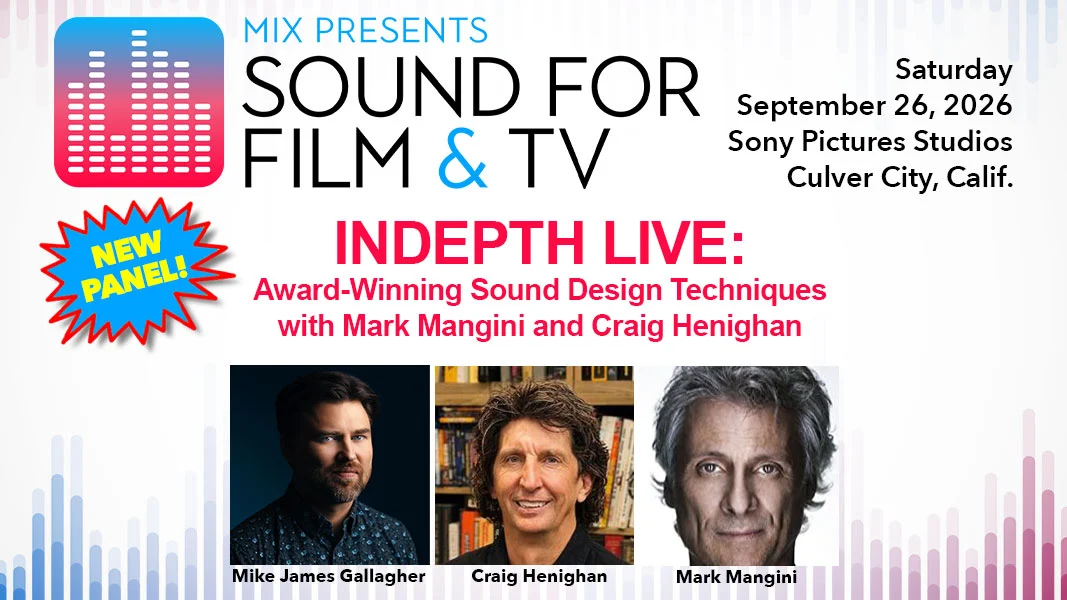
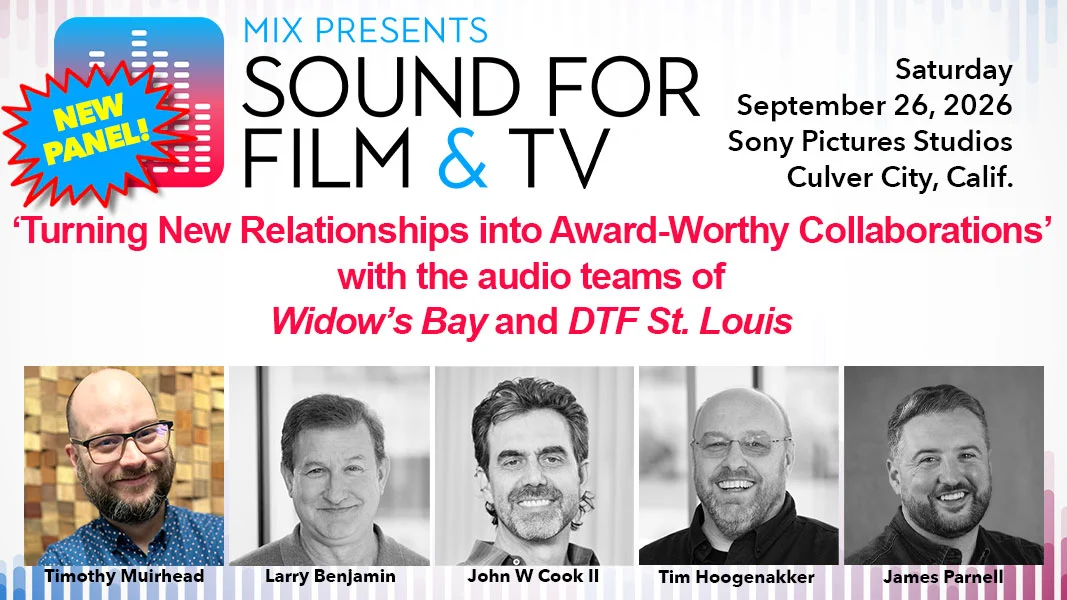
CULVER CITY, CA — As the landscape of cinematic storytelling continues to evolve, the silent, invisible backbone of the industry—sound—remains the heartbeat of the audience experience. On September 26, 2026, the industry’s most revered audio artisans will gather at the iconic Sony Pictures Studio Lot for the 13th annual Mix Presents Sound for Film & Television event. This year, the spotlight turns to the delicate, often unspoken synergy between creators and their technical counterparts, as the re-recording mixers behind the hit shows DTF St. Louis and Widow’s Bay take center stage to demystify the process of building high-stakes, award-worthy creative partnerships.
The Human Element in a Digital Era: Main Facts
The 2026 edition of Mix Presents Sound for Film & Television serves as more than just a showcase of hardware and software; it is a masterclass in human dynamics. The marquee panel, "Turning New Relationships into Award-Worthy Collaborations," presented by StudioPost, a NBCUniversal Company, brings together four of the industry’s most decorated mixers: John W. Cook II and James Parnell (DTF St. Louis), and Larry Benjamin and Tim Hoogenakker (Widow’s Bay).
The core thesis of this year’s gathering is simple yet profound: technical excellence is the baseline, but professional longevity and creative breakthrough are built upon the bedrock of trust. In an era where remote collaboration and rapid production schedules can isolate creative teams, these panelists will break down how they navigate the "getting to know you" phase with first-time directors and producers, ultimately transforming professional acquaintances into long-term, award-winning collaborators.
A Chronology of Sound: The Evolution of the Mix Event
For over a decade, Mix Presents Sound for Film & Television has functioned as the definitive pulse-check for the audio post-production community. Since its inception, the event has moved from small-scale technical demonstrations to a comprehensive, industry-wide summit that bridges the gap between legendary veterans and the next generation of sound designers.
- 2014-2018: The event focused primarily on the transition to immersive audio formats like Dolby Atmos and the shifting workflows of digital audio workstations (DAWs).
- 2019-2022: The focus shifted toward the challenges of the pandemic, emphasizing remote workflows, cloud-based mixing, and the necessity of maintaining creative intimacy while physically separated.
- 2023-2025: As AI and automation entered the conversation, the event pivoted to address how technology can augment—rather than replace—the human ear.
- 2026: The current year marks a return to the "Art of the Craft," emphasizing the soft skills required to survive in a highly competitive, fast-paced post-production environment.
The Anatomy of Trust: Insights from the Experts
The upcoming presentation by the teams behind DTF St. Louis and Widow’s Bay promises to be a deep dive into the psychological side of mixing. The speakers intend to deconstruct the "advocacy model" of sound design.
"It’s not just about turning the faders up," says an industry source familiar with the session’s curriculum. "It’s about knowing when to suggest a sound that the director didn’t know they needed."
The panel will utilize specific clips from their respective shows to illustrate three key pillars of the mixer-client relationship:
- The Exploratory Phase: How to create a "safe space" in the mix stage where a director feels comfortable experimenting with bold, unconventional audio choices without fear of judgment.
- The Art of the Pitch: How to diplomatically advocate for a creative direction when the mixer’s technical instincts clash with the client’s initial vision.
- The Trust Dividend: How consistent reliability in technical execution buys the social capital necessary to propose high-risk, high-reward creative ideas later in the production cycle.
Supporting Data: The Value of Audio Post-Production
The necessity of such high-level collaboration is underscored by the current state of the industry. According to industry analysis from the past three years, audience retention and engagement scores are significantly higher in productions where the audio landscape is considered a "narrative character" rather than mere background filler.
Furthermore, as streaming platforms demand higher fidelity—with 4K and HDR video becoming the standard—the burden on sound teams to match that clarity has increased exponentially. The "Post-Production Efficiency Index" for 2025-2026 suggests that projects with early and sustained involvement from the mixing team see a 22% reduction in re-work cycles. This data confirms what these experts already know: early collaboration is not just a creative luxury; it is a financial and operational imperative.
Implications for the Future of Post-Production
The industry is currently at a crossroads. While the tools of audio production have become democratized, the ability to manage a high-pressure, collaborative environment remains a rare and highly sought-after skill.
"The implications of this panel extend far beyond the mixing stage," notes a program coordinator for the event. "We are seeing a trend where directors are looking for ‘creative partners’ rather than ‘service providers.’ The teams behind DTF St. Louis and Widow’s Bay represent this new guard of mixers who are actively influencing the narrative arc of the projects they work on."
As AI-driven tools begin to automate mundane tasks like noise reduction or dialogue leveling, the human mixer is being pushed toward a more creative, consultative role. The lessons shared at the September 26 event will serve as a roadmap for junior engineers looking to transition into lead re-recording roles.
Preparing for the Event: A Call to the Industry
As the date approaches, the excitement surrounding the Sony Pictures Studio Lot event is palpable. The venue, which itself is a monument to the history of sound in cinema, provides the perfect backdrop for these discussions.
Attendees can expect a full-day exhibition featuring:
- Workflow Masterclasses: Demonstrations on the integration of AI tools within professional mixing environments.
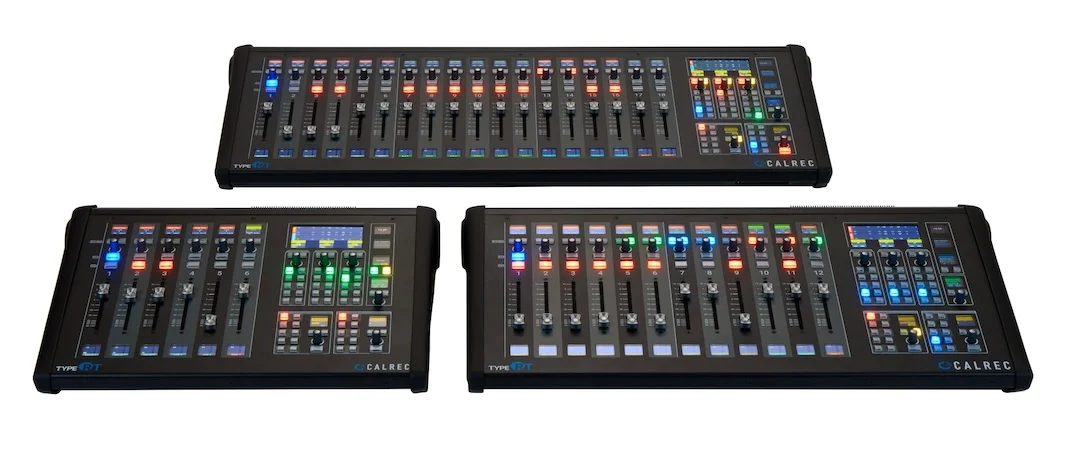
- Hardware Showcases: Previews of the latest console and speaker technologies designed for the next generation of home theater and theatrical mixing.
- Networking Opportunities: Unrivaled access to the professionals responsible for the biggest soundscapes in television and film.
For those eager to attend, early registration is strongly encouraged. The Mix Presents Sound for Film & Television event traditionally sells out, attracting a diverse cohort of professionals ranging from independent filmmakers to lead engineers at major Hollywood studios.
Conclusion: Why Sound Matters Now More Than Ever
In the final analysis, the story of DTF St. Louis and Widow’s Bay is a story about the resilience of human connection. While technology provides the canvas, it is the dialogue between the mixer and the director that paints the picture.
As we look forward to the September 26 event, the focus remains clear: celebrate the tech, honor the tools, but prioritize the people. By fostering stronger, more communicative, and more trusting relationships, the sound community ensures that the films and shows of tomorrow will continue to resonate with the same emotional power that defined the classics of the past.
Join the industry leaders in Culver City. Registration is open now at the official Mix Presents Sound for Film & Television portal.