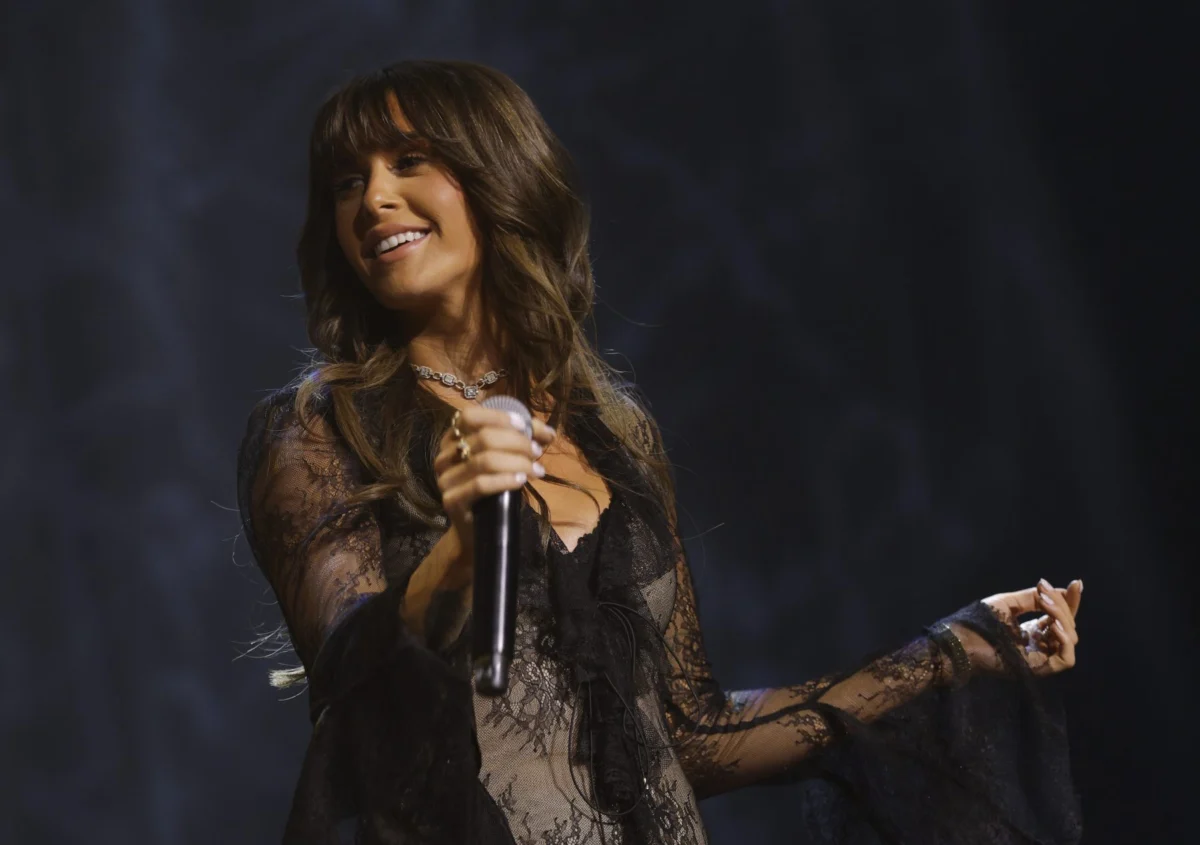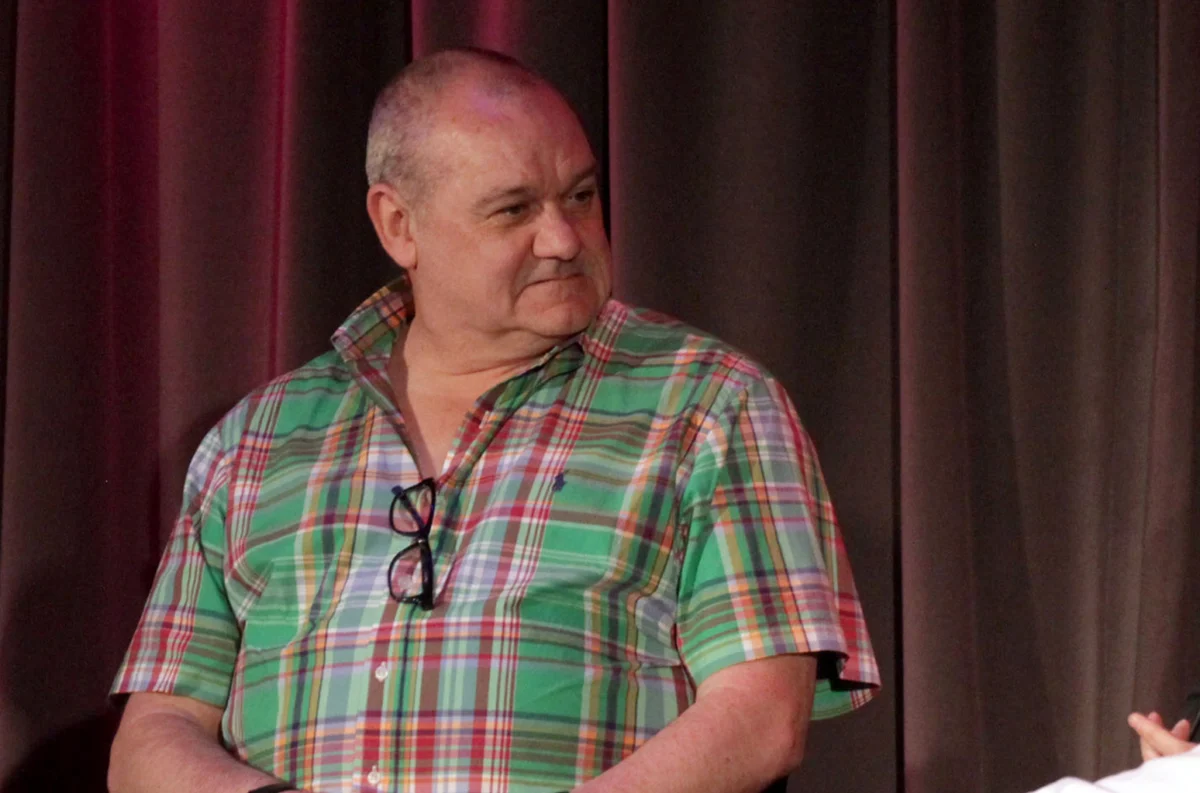
The 2026 NBA Finals have evolved into more than just a battle for the Larry O’Brien Trophy; they have become a high-stakes cultural stage where political figures, pop icons, and hip-hop royalty collide under the bright lights of Madison Square Garden. The recent buzz surrounding the star-studded atmosphere at the "World’s Most Famous Arena" has sparked a heated debate—not about the basketball itself, but about the optics of celebrity presence and the integrity of fandom.
During a recent installment of the popular sports talk series It Is What It Is, Harlem rap legend Mase and his co-hosts, including Cam’ron and Treasure “Stat Baby” Wilson, dissected the recent influx of high-profile attendees at the NBA Finals. The discussion, which centered on the intersection of fame and sports loyalty, quickly turned into a critique of how external figures can shift the "vibe" of a professional basketball environment.
The Political Intrusion: Mase on Trump at MSG
The conversation opened with Mase expressing his relief regarding the absence of former President Donald Trump at the most recent Finals matchups. Trump’s appearance at Game 3 of the series had generated significant media attention, but for Mase, the distraction was palpable.
"I’m just so glad that they didn’t have Trump come back," Mase remarked during the broadcast. He argued that the political spectacle surrounding the former president’s presence at the arena created an unnecessary layer of tension that detracted from the organic energy of the crowd. "It just messed the vibe up, and having the arena back like it was, before he came, was really, really exciting to see. I hope they keep it that way moving forward."
Mase’s comments highlight a growing sentiment among long-time sports enthusiasts who feel that the increasing politicization of high-profile sports events can alienate the traditional fanbase. When a figure as polarizing as a former president occupies a courtside seat, the narrative often shifts from the performance of the athletes to the theatrics of the VIP section.
The "Bandwagon" Debate: Cam’ron and the Swiftie Controversy
Following the discussion on political figures, the conversation pivoted to the presence of global pop superstar Taylor Swift at Game 4. While the Knicks managed to execute a historic comeback—erasing the largest deficit in NBA Finals history—the focus of the It Is What It Is crew shifted toward the authenticity of the celebrities in attendance.
Cam’ron, known for his unfiltered commentary, did not mince words regarding what he perceives as "bandwagon" fandom. "Nothing turns me off more than a follower. I can’t stand it. I hate it," the rapper declared. He revealed that he had blocked several individuals from his contact list who reached out to discuss the Knicks only after the team’s miraculous victory, viewing their sudden interest as insincere.
Turning his sights to Taylor Swift, Cam’ron challenged her presence at the game. "Taylor Swift, what are you doing there? You’re not even from New York, and you’re jumping around. I hate people like that," he stated. He elaborated on his disdain for fair-weather fans, noting that while he might maintain professional politeness, he harbors little respect for those who jump on the bandwagon for the sake of optics. "Congrats to the real Knicks fans. You’re a follower. You’re a Swifty," he added, framing the term "Swifty" as a pejorative within the context of basketball fandom.
Contextualizing the Fandom: A Two-Decade History
While the criticism from the It Is What It Is hosts was biting, it stands in contrast to the historical record of Taylor Swift’s relationship with the New York Knicks. Contrary to the accusations of being a "bandwagon" fan, reports indicate that the pop star has held an affinity for the team for approximately two decades.
Her connection to the franchise reportedly dates back to a friendship with former Knicks star Amar’e Stoudemire, which began around 2014, though her public association with New York culture has been documented for much longer. The clash between the perception of her as a "newcomer" and the reality of her long-standing interest is a microcosm of the "gatekeeping" that often occurs in sports culture when pop culture icons enter the arena.

The Hot Mic Incident: Monica McNutt’s Public Retraction
The intensity surrounding the debate over celebrity fandom was further underscored by an incident involving Knicks radio analyst Monica McNutt. During the live broadcast of Game 4, a hot mic captured McNutt expressing skepticism about Swift’s presence.
"She’s not a Knicks fan. Get out of here, girl," McNutt was heard saying while her co-host, Tyler Murray, attempted to document the moment on camera. The comment went viral almost immediately, drawing the ire of Swift’s dedicated fanbase.
Recognizing the backlash, McNutt took to social media to address the incident. In an act of professional accountability, she acknowledged that she was misinformed regarding the duration and depth of Swift’s support for the team. This incident serves as a primary example of how quickly narratives can spiral out of control in the age of social media, forcing even industry professionals to walk back their public statements when confronted with the facts.
Implications for the NBA: Celebrity Culture vs. Sport
The events at Madison Square Garden during the 2026 NBA Finals raise significant questions about the future of the league’s relationship with celebrity culture. The NBA has long prided itself on being the most "glamorous" of the major American sports leagues, often leveraging celebrity courtside presence to enhance its brand value. However, as the divide between "authentic" sports fans and "spectacle" attendees grows, the league faces a delicate balancing act.
The Economic Impact
From a business perspective, the presence of figures like Donald Trump or Taylor Swift provides the NBA with invaluable media exposure. Their appearance at games drives social media engagement, generates headlines, and cements the league’s status as a cultural powerhouse. When a celebrity is seen at a game, the value of that broadcast moment skyrockets, creating a ripple effect that benefits television networks and ticket sales alike.
The Alienation of the Core Fanbase
Conversely, the "Mase and Cam’ron" perspective represents a vocal segment of the fanbase that feels sidelined. For the die-hard, season-ticket-holding New Yorker, the arena is a place of communal identity. When that space is dominated by individuals perceived as outsiders—whether they are politicians seeking a photo-op or celebrities chasing a trend—it risks diluting the emotional investment of the core audience.
The Challenge of Gatekeeping
The "bandwagon" argument, while often rooted in elitism, speaks to a desire for meritocracy in fandom. In the minds of critics, one should "earn" their stripes through years of heartbreak and loyalty. When success is suddenly accompanied by a parade of A-list celebrities, it can feel like a mockery of the struggle that preceded the victory.
Conclusion: A New Era of Sports Spectacle
The intersection of the 2026 NBA Finals and the volatile world of celebrity opinion has created a unique narrative that is just as compelling as the games themselves. Whether it is the political tension surrounding a presidential appearance or the viral debates over the legitimacy of a pop star’s jersey choice, the discourse surrounding these events is a reflection of a changing cultural landscape.
As the NBA continues to grow its global footprint, the tension between the sport as a competitive endeavor and the sport as a celebrity-driven event will likely persist. For figures like Mase and Cam’ron, the goal is to keep the focus on the players and the fans who have been there through the lean years. For the league, however, the "celebrity effect" remains a cornerstone of its marketing strategy.
Ultimately, the 2026 Finals will be remembered not only for the historic comeback on the court but for the ongoing debate over who truly belongs in the front row—and what it means to be a fan in a world where everyone is watching. Whether one sides with the critics of "bandwagon" culture or embraces the spectacle of the celebrity courtside experience, one thing is certain: the conversation at Madison Square Garden is far from over.