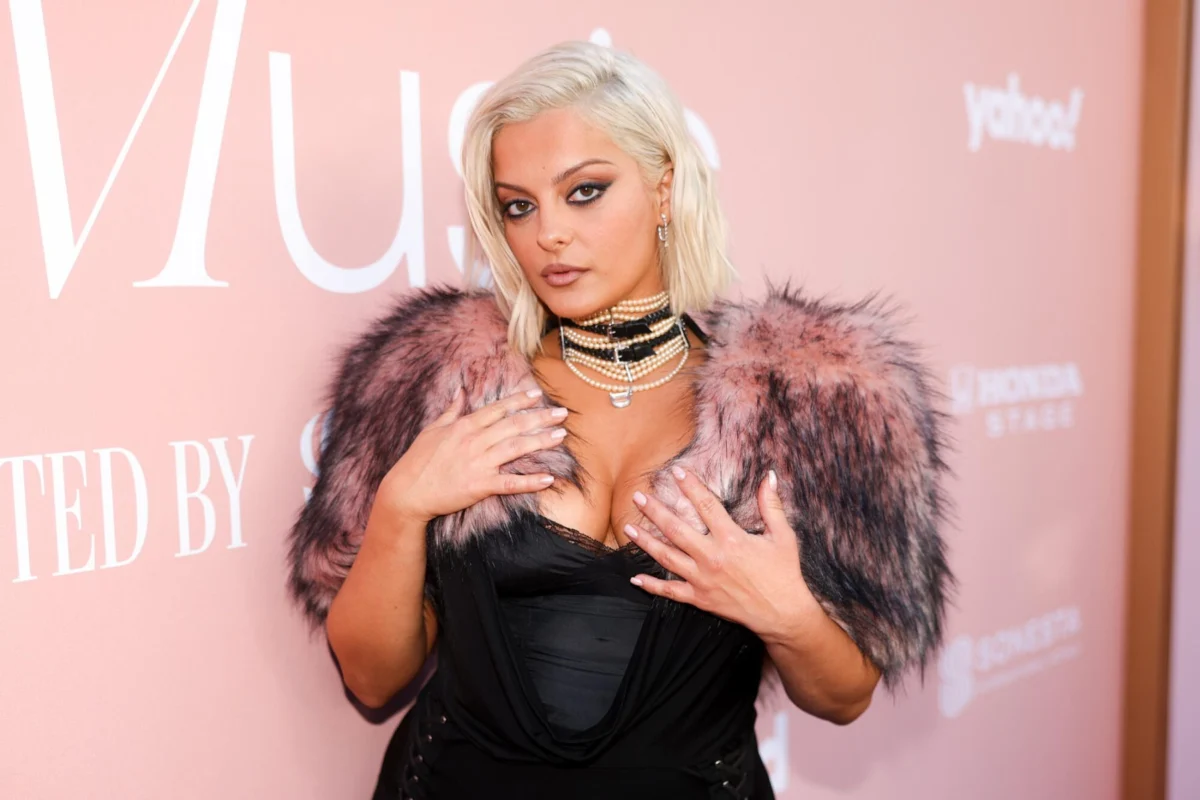
In an era defined by hyper-competitive streaming metrics and the relentless social media discourse surrounding chart dominance, Bebe Rexha has emerged as a vocal advocate for solidarity among women in music. The multi-platinum singer-songwriter, who recently graced the stage at the Billboard Women in Music 2026 event, has once again utilized her platform to dismantle the narrative that female success is a zero-sum game.
By rejecting a fan-led attempt to pit her against fellow pop powerhouse Olivia Rodrigo, Rexha has reinforced a growing movement within the industry that prioritizes collaboration over competition. Her stance comes at a time when the "stan culture" ecosystem often weaponizes commercial data to belittle the achievements of artists, forcing a necessary conversation about the pressures facing women in the public eye.
The Chronology of the Exchange
The incident, which transpired on social media, began as a moment of personal mourning for Rexha. The singer was in the midst of a promotional CD signing in New York City when news broke regarding the untimely death of artist Oliver Tree.
Rexha, clearly shaken by the loss, took to her social media channels to pay tribute to her late collaborator. She revealed that the two had recorded a track together intended for her latest studio album, Dirty Blonde. Her message was intimate and raw: "I’m in shock. I was in the middle of my CD signing in NYC when I found the news of Oliver Tree. I can’t believe it. We recorded a record together to be on Dirty Blonde. He was so smart, passionate, talented, and kind. I’m so sad. May he rest in peace."
The post, intended to honor a creative partnership, was quickly derailed by a user who injected a comparative narrative, commenting, "Olivia outsold u btw." The comment was a reference to the monumental success of Rodrigo’s third studio album, You Seem Pretty Sad for a Girl So in Love, which had recently debuted at No. 1 on the Billboard 200 while shattering historical streaming records.
Rather than ignoring the comment or engaging in a defensive posture, Rexha opted for a path of de-escalation. "I’m actually happy for her," Rexha wrote in a direct reply. "No need to put women against each other. Stream DIRTY BLONDE for women empowerment. Livies X Rexhars."
Supporting Data: The Landscape of Pop Competition
The friction between Rexha and her detractors reflects a broader, systemic issue within the music industry: the "outsold" culture. In the digital age, streaming platforms like Spotify, Apple Music, and YouTube provide real-time data that is often weaponized by fan bases.
Olivia Rodrigo’s trajectory has been nothing short of historic. Since her debut, she has consistently outperformed expectations, with her latest project, You Seem Pretty Sad for a Girl So in Love, achieving the highest opening-week streaming numbers of the year. For an artist like Rexha—who has spent over a decade navigating the shifting tides of the music business as a songwriter and performer—the constant pressure to maintain such "record-breaking" velocity is immense.
However, the industry landscape is also shifting. Artists are increasingly pushing back against the idea that the success of one woman must come at the expense of another. Rexha’s emphasis on "women empowerment" is not merely a platitude; it is a strategic push to reclaim the narrative. By acknowledging the achievements of peers like Rodrigo, Rexha is attempting to foster an environment where fans can enjoy multiple artists simultaneously without feeling the need to denigrate one to elevate the other.
Professional History and Past Controversies
Rexha’s recent maturity regarding industry politics stands in stark contrast to her past experiences, which she has been candid about. The singer has long been an outspoken critic of the way the industry treats women, particularly regarding creative agency and professional respect.
Last year, the singer made international headlines when she took to social media to voice frustrations regarding a former collaborator, G-Eazy. The pair, who found massive success with the 2015 hit "Me, Myself & I," had a public falling out that highlighted the power dynamics often at play in male-female professional relationships.

"I have been UNDERMINED. I’ve been so quiet for the longest time," she wrote in a series of now-deleted posts. "I haven’t seen the signs even though people constantly are bringing them up and they have been SO OBVIOUS. And when I have spoken up I’ve been silenced and PUNISHED by this industry. Things must change or I’m telling ALL of my truths. The good, the bad, and the ugly."
The post was later removed, with Rexha clarifying that members of her management team had intervened. This incident underscored a reality often hidden behind the polished veneer of celebrity: the tension between an artist’s desire to speak their truth and the commercial pressures exerted by their teams. Her shift from that confrontational stance to her current, inclusive approach suggests a concerted effort to focus her energy on her own creative output rather than external conflicts.
Implications for the Industry
Rexha’s latest intervention has significant implications for how artists interact with their fan bases. By refusing to engage in "stan war" rhetoric, she is effectively setting a boundary for her audience.
1. The Decentralization of Competition
The industry is moving toward a more decentralized model where niche success is as valid as mass-market dominance. When artists openly support one another, it creates a "rising tide lifts all boats" scenario. By calling for a crossover between "Livies" (Rodrigo’s fans) and "Rexhars" (her own), she is encouraging community growth rather than tribalism.
2. Mental Health and Digital Boundaries
The pressure to respond to every piece of online criticism can be detrimental to an artist’s mental health. Rexha’s decision to answer with kindness rather than vitriol is a masterclass in social media management. It prevents the situation from escalating into a headline-grabbing feud, thereby protecting her own mental space.
3. Redefining "Success"
For years, the industry has measured success by Billboard chart positions and gold/platinum certifications. However, artists like Rexha are increasingly measuring success through longevity, creative fulfillment, and the ability to maintain autonomy. Her focus on her upcoming album, Dirty Blonde, indicates that her priority is the music itself, not the relative performance of that music against a peer’s.
The Road Ahead for Bebe Rexha
As Rexha prepares for the rollout of Dirty Blonde, her focus remains clear. She is positioning herself not as a pop star vying for the top spot at any cost, but as a seasoned veteran who has earned her seat at the table.
The industry’s evolution depends on the willingness of its biggest stars to challenge the status quo. By consistently speaking out against the toxic comparisons that have defined the last decade of pop, Rexha is helping to foster a healthier, more collaborative environment.
Whether she is mourning a late friend or defending a peer from unnecessary scrutiny, Bebe Rexha has proven that she is more than just a chart-topper—she is a voice of reason in an industry that often lacks it. As she continues to navigate the complexities of fame, her commitment to "women empowerment" will likely remain a cornerstone of her brand, serving as a reminder that in the world of music, there is enough room for everyone to shine.
In the final analysis, the exchange regarding Olivia Rodrigo was more than just a fleeting social media moment; it was a testament to the fact that for artists like Bebe Rexha, the true measure of success is found in the ability to hold one’s ground while lifting others up, proving that grace is a far more powerful currency than any chart record could ever be.