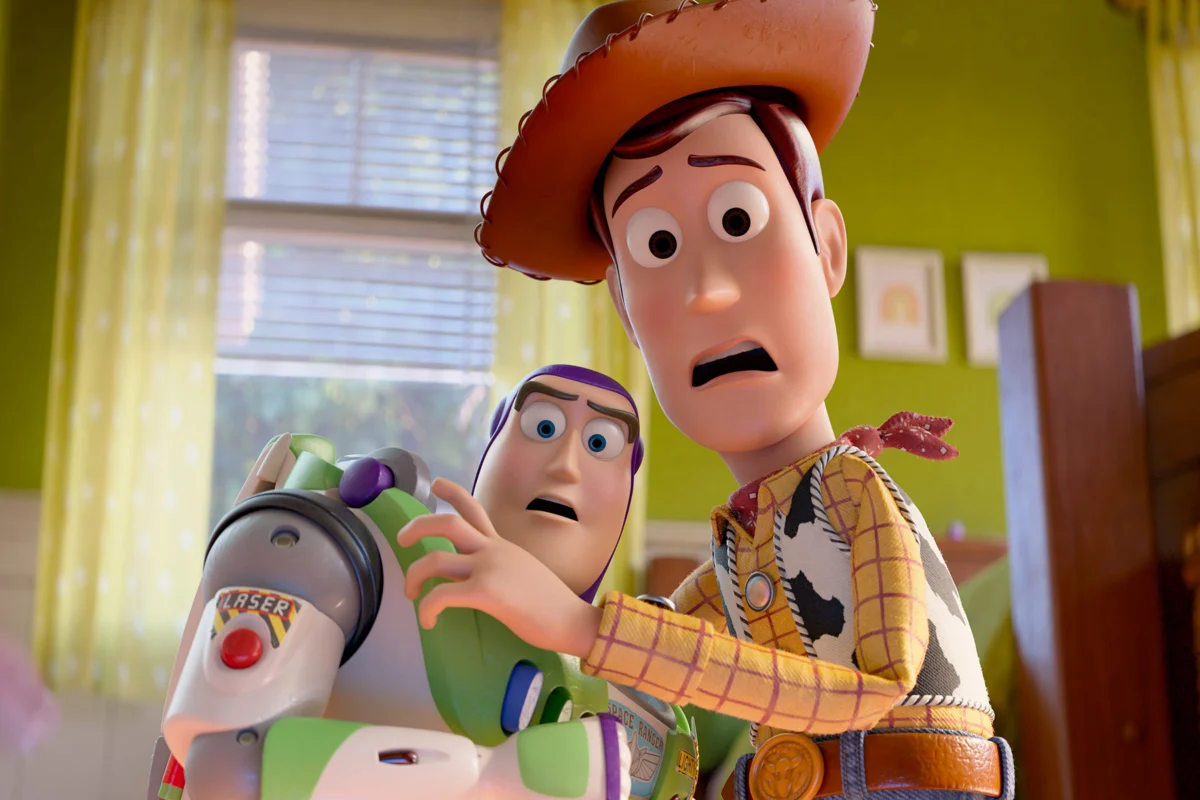
The beloved toys are back, and they have proven, once again, that they remain the gold standard of modern animation. Disney and Pixar’s Toy Story 5 has officially taken the cinematic world by storm, debuting with a staggering $160 million in domestic ticket sales. According to industry estimates, the film has not only secured the biggest opening weekend of the calendar year but has also established a new high-water mark for the historic franchise, signaling a robust resurgence for family-oriented theatrical experiences.
The Main Facts: A Franchise Reinvigorated
Thirty-one years after the original 1995 masterpiece first introduced audiences to the secret lives of playthings, Toy Story 5 arrived in theaters with significant anticipation and a touch of skepticism from long-time fans who believed the series had reached its natural conclusion with the emotional finale of the third installment.
However, the numbers suggest that the audience’s hunger for Woody, Buzz, and their companions remains insatiable. The $160 million domestic opening easily surpassed the previous franchise record of $120 million, set by Toy Story 4 in 2019. On the global stage, the film’s performance was equally impressive, accumulating $152 million from international territories, bringing its worldwide debut haul to a formidable $312 million.
Beyond the raw numbers, the film has been bolstered by a marketing masterstroke: the inclusion of an original song, “I Knew It, I Knew You,” penned and performed by global superstar Taylor Swift. The track, which has already begun climbing streaming charts, provided an additional cultural bridge, attracting a demographic that spans generations.
A Chronological Journey: From 1995 to 2025
To understand the gravity of this weekend’s success, one must look at the trajectory of the series:
- 1995: The original Toy Story changes the landscape of cinema, becoming the first feature-length computer-animated film.
- 1999–2010: Toy Story 2 and Toy Story 3 expand the emotional depth of the series, with the latter widely considered one of the greatest animated sequels ever produced.
- 2019: Toy Story 4 arrives nearly a decade later. Despite initial hesitation from critics and fans alike regarding the need for a sequel, the film grossed over $1 billion worldwide, proving the brand’s enduring profitability.
- 2025: Toy Story 5 hits theaters. The narrative shifts focus to a new generation of play, as the toys find themselves competing for attention against Bonnie’s new tablet, reflecting the evolving nature of childhood in the digital age.
Supporting Data: The Economics of Animation
The Toy Story brand is arguably the most valuable intellectual property under the Disney-Pixar banner. Collectively, the franchise has grossed more than $3 billion in box office receipts alone, a figure that does not include the billions generated through merchandise, theme park attractions, and home entertainment licensing.
The financial stakes, however, have risen in tandem with the brand’s success. Toy Story 5 carried a production budget of $250 million, excluding the massive global marketing campaign required for a summer tentpole. When accounting for these costs, the film needs to sustain high attendance levels to ensure maximum profitability. Current indicators are overwhelmingly positive; the film earned a coveted “A” CinemaScore, and its critical reception suggests strong word-of-mouth will carry it through the remainder of the summer.
In the broader context, the summer box office is currently trending 15% higher than in 2025, according to data from Rentrak. Remarkably, current ticket sales are tracking nearly equal to the 2019 summer season, effectively erasing the slump that had plagued the industry for years.
Official Perspectives and Industry Analysis
Paul Dergarabedian, the senior media analyst for Rentrak, believes the current landscape represents a fundamental shift in how studios should approach summer programming.

"To me, this is a hybrid summer, and this could be the new blueprint for how you build the perfect summer box-office beast," Dergarabedian remarked. "You throw in a mix of very eclectic films and not just the usual suspects—the big franchise films, the known brands—but also films like Backrooms and Obsession and original films like Disclosure Day."
The industry success is not limited to Pixar’s juggernaut. While the Steven Spielberg-produced Disclosure Day saw a 61% drop in its second weekend, earning $17 million, it remains a pillar for adult-oriented drama, with a global total of $160.4 million. Meanwhile, the microbudget horror phenomenon Obsession, directed by 26-year-old Curry Barker, continues to defy expectations. Produced for less than $1 million, it has pulled in $333.3 million globally, proving that low-budget ingenuity remains a vital component of the theatrical ecosystem.
Conversely, the market remains unforgiving for experimental projects that fail to connect. A24’s The Death of Robin Hood, a violent, revisionist take on the folklore classic starring Hugh Jackman, struggled significantly, opening to just $2.6 million. Similarly, the indie drama Leviticus earned $2.7 million, finding itself squeezed out by the dominance of Toy Story 5 and the ongoing, unexpected longevity of the horror genre.
The Implications: A New Blueprint for Cinema
The triumph of Toy Story 5 has profound implications for the future of animated filmmaking.
First, it validates the "legacy sequel" model for animation. By grounding the story in themes of nostalgia and technological obsolescence, Pixar has managed to bridge the gap between adult fans who grew up with the first film and a new generation of children who are experiencing the characters for the first time.
Second, the film highlights the necessity of "eventizing" cinema. The integration of a Taylor Swift track demonstrates that the lines between the music industry and the film industry are becoming increasingly porous. Studios are no longer just selling a movie; they are selling a cultural moment that extends into the listener’s headphones.
Finally, the success of the 2025 summer season suggests that the theatrical experience is not dying, but rather evolving. As Dergarabedian noted, the "perfect box-office beast" is a hybrid entity. It requires the stability of a billion-dollar brand like Toy Story to anchor the box office, while simultaneously providing space for high-concept, low-budget, or auteur-driven films to flourish.
As Toy Story 5 continues its run, the industry will be watching closely to see if it reaches the $1 billion milestone. Given its "A" CinemaScore and the lack of significant direct competition for family audiences in the coming weeks, analysts believe the film is on a clear path to becoming one of the highest-grossing animated films in history. For Woody, Buzz, and the rest of the gang, the journey seems far from over—it is merely entering a new, highly lucrative chapter.