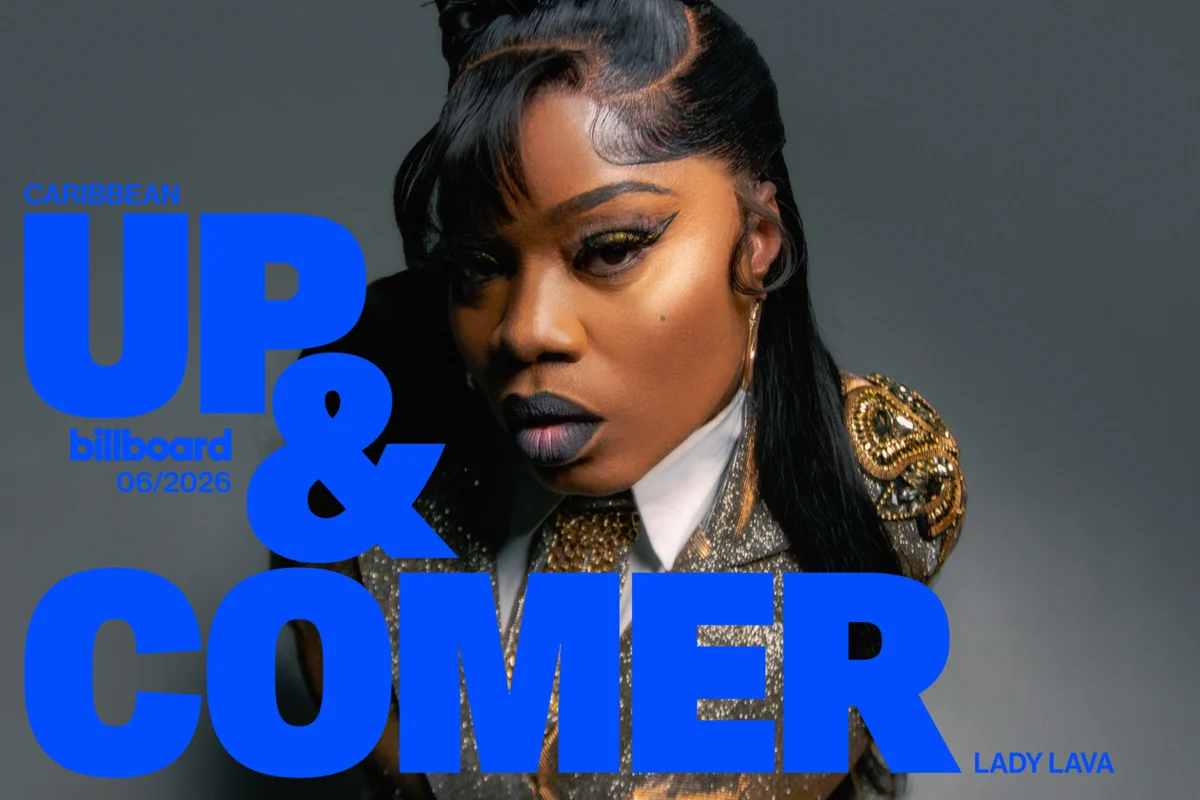
In the vibrant, rhythmic tapestry of Caribbean music, a new thread is being woven by a voice that is both sharp and unapologetic. Lady Lava, born Keisha Harris, has emerged as the definitive face of the Trinibad movement, transcending the borders of her home nation of Trinidad & Tobago to capture international attention. While the Caribbean is often musically defined by the high-octane energy of soca, Lady Lava has carved out a distinct space for herself, wielding the raw, poetic edge of classic dancehall with a modern, rebellious flair that has resonated from New York City to the global digital stage.
The Foundations of a Lyricist
Born and raised in the quiet town of Cunupia, Trinidad, Lady Lava’s early life was a study in contrasts. Her home environment was strictly governed by the sounds of old-school gospel and the country stylings of Kenny Rogers—a far cry from the pulsating dancehall rhythms that filled the streets.
"I started taking my mother’s gospel cassette tapes and recording what was playing on the radio over them," she recalls with a laugh. This act of sonic subversion was the genesis of a career defined by reclaiming narrative space. She found early inspiration in the lyrical prowess of Lauryn Hill and the fierce, boundary-breaking persona of Lady Saw (now Minister Marion Hall). Before she ever stepped into a recording booth, Lava was a poet. She filled notebooks with verses that served as a private catharsis, a way to process emotions that the church-going environment of her childhood deemed unconventional.
A Chronology of Resilience
The path to success was far from linear. In 2008, Lava recorded her first studio track, "Bring It Back," only to be met with the harsh reality of "payola"—the practice of paying radio programmers for airplay. When the funds dried up, the airplay stopped, and the momentum stalled.
- 2008: The debut of "Bring It Back," a sobering introduction to the gatekeeping politics of the music industry.
- 2015: A period of professional hiatus ends as Lava returns to the scene with a renewed sense of purpose.
- 2017: The release of "If You Beat It Keep It a Secret," a blistering, name-dropping anthem that established her as a local force and marked her departure from a stifling domestic life.
- 2022: The release of "You Have a Gyal," solidifying her reputation as a songwriter who speaks directly to the complexities of modern womanhood.
- 2024: The global breakout of "Ring Finger," a track that elevated her status from a local sensation to an international breakout star.
- 2025: A historic victory at the inaugural Caribbean Music Awards, where she claimed the "Zess-Steam Artist of the Year" honor.
Anatomy of a Hit: "Ring Finger"
The song that changed everything, "Ring Finger," was born from the wreckage of a failed relationship. For Lava, it was a necessary rebuke of the societal expectation that women should build their entire identity around a man who offers no reciprocity.
"We have so many male-dominated songs that the men’s voices overpower the women’s," Lava explains. "And sometimes we as females might be afraid to say certain things, but ‘Ring Finger’ allowed us to sing those feelings."
The track struck a nerve that extended far beyond the Caribbean. It became a viral anthem for autonomy, proving that the specific, lived experience of a Trinidadian woman could speak to a universal truth. When global superstar Cardi B began co-signing the track on social media, the song’s trajectory shifted into the stratosphere. The endorsement culminated in a surprise appearance by Cardi B at one of Lava’s New York shows—a moment that served as a powerful validation of Lava’s talent and the rising influence of the Trinibad genre.
Supporting Data: The Impact of the 2026 Season
As of 2026, Lady Lava stands as the most-nominated artist at the Caribbean Music Awards, with a staggering nine nominations. This dominance is not merely a reflection of popularity but a testament to the consistency of her output. Recent singles such as "Bob the Builder," "No Horn," "Pepper Vine," "Cyah Pick," and "Send It Up" have demonstrated her versatility, moving from the aggressive, bass-heavy sounds of her earlier work into a more refined, polished dancehall aesthetic that remains deeply rooted in the "zess" culture of Trinidad.
Her ability to command both the streaming charts and the live stage has made her a prime candidate for the next generation of Caribbean icons, bridging the gap between underground dancehall culture and mainstream pop appeal.
Official Responses and Industry Recognition
The professional reception to Lady Lava’s work has been marked by both critical acclaim and a growing sense of urgency among industry gatekeepers to platform her voice. Her win at the 2025 Caribbean Music Awards was widely viewed as a watershed moment for artists operating outside of the soca-dominated landscape. By winning the "Zess-Steam" category, she effectively legitimized a sub-genre that had long been sidelined in regional award circuits.
"I really want dancehall from Trinidad to get some recognition because we are a very soca-oriented country," she says. "To know that we were recognized on a Caribbean scale, and I was the first artist to receive the award, was an incredible achievement."
The Philosophy of Success: Beyond the Stage
For Lady Lava, success is defined by a balance between artistic integrity and the ability to uplift her community. Her goals are long-term; she aspires to reach a global audience, but her primary motivation remains the empowerment of other women in the industry.
"I want to be in a space where I can give back and help others," she notes. "I define success as doing something you love every day and getting earnings to make a better future for you and your loved ones."
Her admiration for Jay-Z—specifically his "lyrical vocabulary" and his ability to evolve while remaining authentic to his roots—informs her own career trajectory. She views her upcoming debut album not just as a collection of songs, but as a definitive statement of her artistry.
Implications for the Future of Trinibad
Lady Lava’s ascent signals a shift in the Caribbean music ecosystem. As she prepares to drop her debut album and collaborates with Jamaican dancehall stalwarts like NHANCE, the implications are clear: the world is ready for the raw, unfiltered perspective of the Trinidadian dancehall scene.
Furthermore, her engagement with pop-culture figures like streamer iShowSpeed—where she famously taught him the art of "wining" (a traditional Caribbean dance)—highlights her ability to navigate modern media landscapes. She is not just a musician; she is a cultural ambassador who understands that modern stardom requires a blend of traditional skill, digital savvy, and an unwavering commitment to one’s roots.
As the industry looks toward the 2026 Caribbean Music Awards, all eyes are on Lady Lava. Whether she is winning, rapping, or redefining the expectations of her genre, she remains the "heat" that her stage name implies—a force of nature that has only just begun to leave its mark on the global stage.
With her eyes set on international expansion and a discography that continues to grow in both complexity and reach, Lady Lava is no longer just an up-and-comer. She is, by every metric, the current architect of a new era in Caribbean sound.