In an era where a quick glance at a smartphone can provide a "current" weather report, many homeowners are beginning to realize the limitations of digital forecasting. Smartphone weather applications often rely on regional airport data or broad predictive modeling that can be miles—and several degrees—removed from the reality of your specific backyard. For the home gardener, the amateur meteorologist, or the smart home enthusiast, a DIY home weather station is no longer just a hobbyist’s curiosity; it is a vital tool for environmental precision.
As we move into 2026, the market for home weather monitoring has matured, offering a spectrum of devices ranging from casual, user-friendly consoles to professional-grade telemetry suites. Whether you are aiming to automate your smart irrigation system to conserve water or simply want to track the microclimate of your property, choosing the right station requires understanding both the technology and the physics of local weather measurement.
Main Facts: Why Local Data Matters
The fundamental problem with commercial weather apps is spatial resolution. Weather is inherently local; a localized downpour can saturate one side of a neighborhood while leaving the other completely dry. A home weather station bridges this gap by placing sensors exactly where you live.

Beyond simple temperature and humidity readings, modern stations act as the "nervous system" for a smart home. When integrated into platforms like Home Assistant, Apple HomeKit, or IFTTT (If This Then That), these stations unlock powerful automation capabilities. Imagine your smart blinds lowering automatically when the UV index spikes, or your smart lighting adjusting its color temperature based on the cloud cover reported by your outdoor sensor array. The most sophisticated systems can even signal a smart irrigation controller to cancel a watering cycle if rain is detected, preventing the waste of precious water resources.
A Chronology of Reliability: Testing Standards Since 2016
At TechHive, our evaluation process for weather instrumentation has evolved significantly since we began our rigorous testing program in 2016. We have tracked the industry’s transition from clunky, wired analog systems to sleek, high-frequency wireless arrays that leverage Wi-Fi, LoRa, and cellular connectivity.
Our testing methodology is anchored in a 30-day "soak period." During this time, each unit is subjected to the full gamut of local weather events. We benchmark every device against the official National Weather Service (NWS) observation site located 3.7 miles from our facility. By comparing our real-time data against these professional-grade instruments, we can calculate the variance, or "margin of error," for each sensor. Over the past decade, we have learned that while price is often an indicator of build quality, it does not always guarantee superior sensor accuracy. Our goal is to filter out the budget-tier devices that promise professional results but deliver inaccurate, drift-prone data.
Top Recommendations for 2026
1. Ambient Weather WS-4000: The Gold Standard for Most Households
The Ambient Weather WS-4000 has claimed the top spot in our rankings for its balance of software sophistication and hardware versatility. While it shares a design lineage with the more affordable Ecowitt Wittboy Pro, the WS-4000 offers a superior indoor console experience, providing an immediate, high-definition readout that doesn’t require a smartphone to interpret.
- Why we chose it: It is the most robust ecosystem for the average user. Its compatibility with a vast array of optional sensors—including soil moisture, air quality, and leak detection—makes it a future-proof investment.
- The Caveat: We note that its haptic rain sensor, while convenient, can occasionally fall short of laboratory-grade precision compared to traditional tipping-bucket designs.
2. WeatherFlow Tempest: The Smart Home Innovator
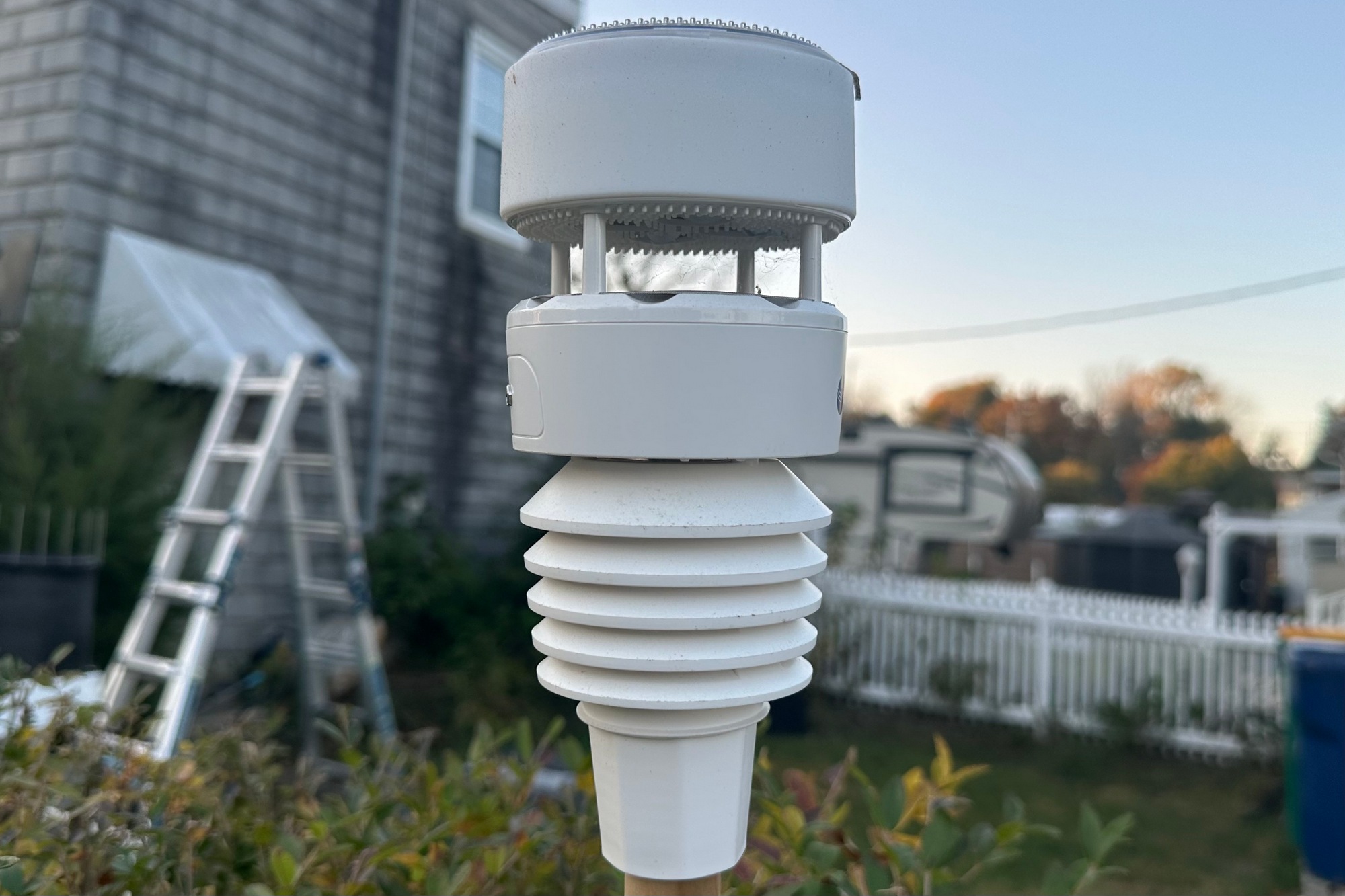
For the tech-forward user, the WeatherFlow Tempest stands out for its minimalist "all-in-one" design. By housing all primary sensors in a single, sleek unit, installation is reduced to a simple mounting task.
- Why we chose it: It is arguably the most "intelligent" station on the market, utilizing machine learning to refine its data accuracy over time based on local conditions. Its lightning detection capabilities are, in our testing, the most reliable in the consumer sector.
- The Caveat: Because the sensors are integrated, if one component fails years down the line, the entire unit may require replacement.
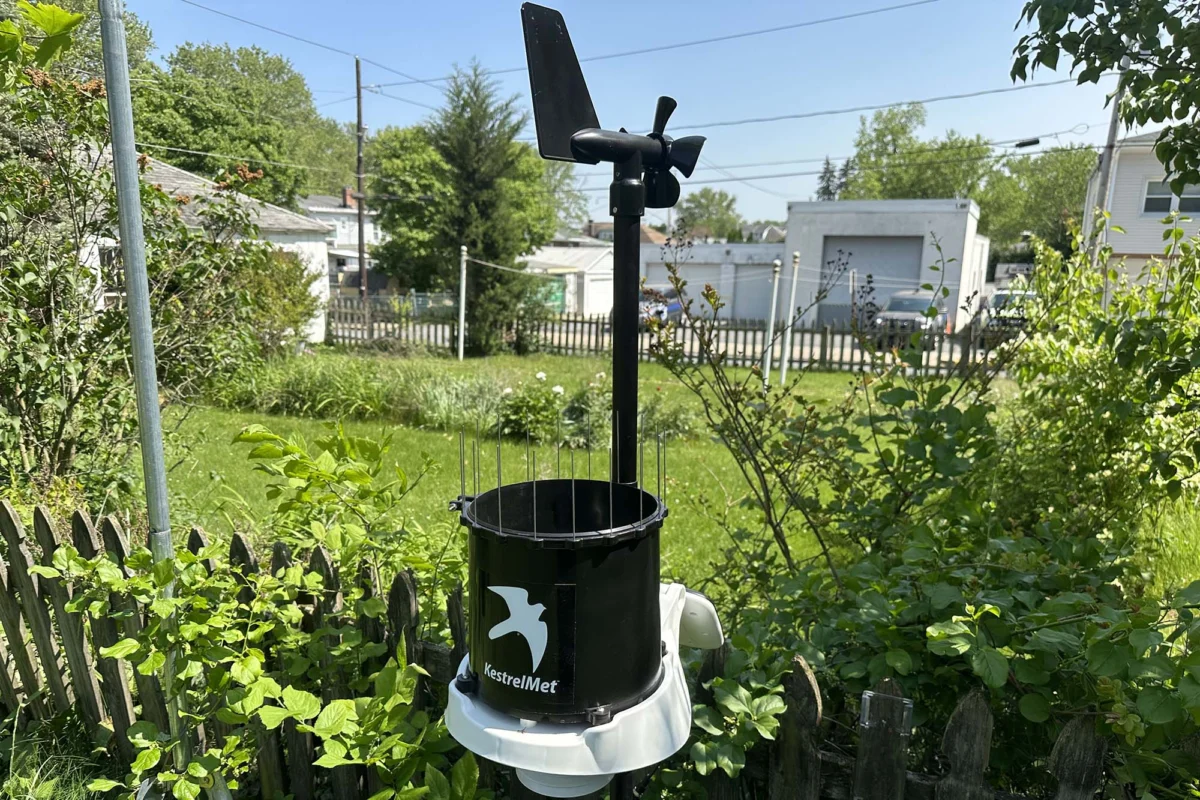
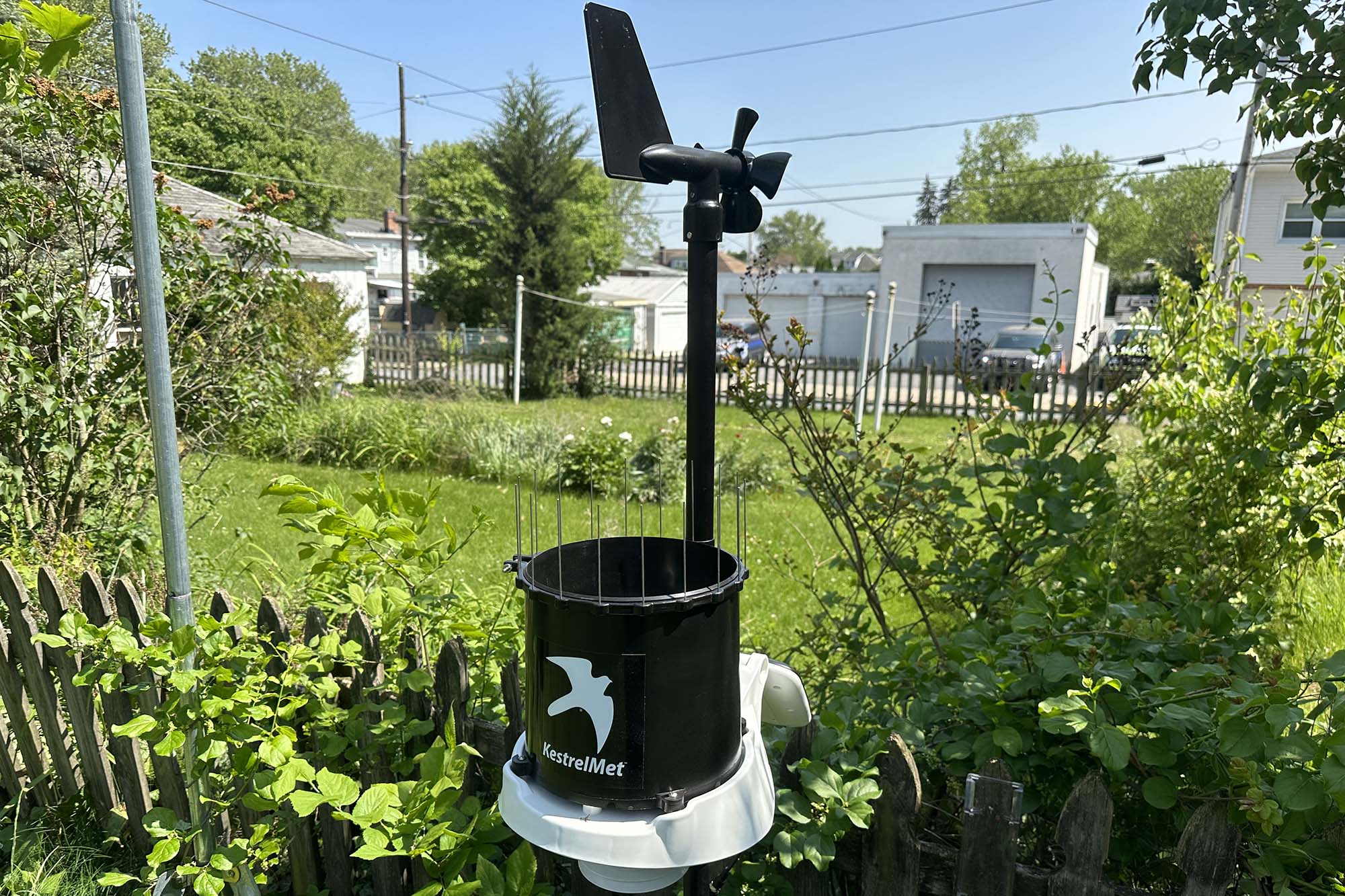
3. KestrelMet 6000: The Enthusiast’s Choice
If your priority is absolute, scientific-level data, the KestrelMet 6000 is the industry leader. Built by a company renowned for professional environmental meters, this station brings rugged, military-grade construction to the backyard.

- Why we chose it: It is the benchmark we use to calibrate other units. Its durability is unmatched, and its data reporting is exceptionally granular.
- The Caveat: At a price point near $1,000, it is a significant investment intended for those who treat meteorology as more than a casual hobby.
Supporting Data: The Physics of Accuracy
When reviewing these devices, we prioritize three technical metrics:
- Sensor Drift: How quickly do readings deviate from the NWS baseline over a 30-day period?
- Wireless Latency: Does the station maintain a consistent connection to the hub, or are there "blackout" periods in the data?
- Hysteresis in Humidity: How quickly does the sensor recover after a high-humidity event (like a fog or heavy rain)?
In our testing, we have found that "all-in-one" units are often prone to heat transfer issues, where the housing itself warms up in the sun, artificially inflating temperature readings. Our top picks utilize radiation shielding to mitigate this effect, ensuring that the air passing over the sensor is ambient rather than trapped heat.
Official Manufacturer Perspectives
In discussions with developers at Ambient Weather and WeatherFlow, a common theme emerges: the "last mile" of weather data is the most difficult to master. While sensors are becoming smaller and more efficient, the environment remains unpredictable. Manufacturers are increasingly focusing on "crowdsourced" data, where your station contributes to a wider network, allowing for hyper-local weather maps that benefit the entire community. This collaborative approach is changing the landscape of meteorology, shifting it from a top-down government service to a bottom-up, community-driven effort.

Implications for the Modern Homeowner
Investing in a home weather station has three major implications for the modern household:
1. Informed Decision-Making: Knowing the exact wind speed and direction in your yard can dictate whether it is safe to operate certain equipment or whether it is the right time for sensitive outdoor projects.
2. Smart Home Efficiency: The integration of weather data into HVAC and irrigation systems is the next frontier of home energy management. By tying your thermostat to real-time outdoor temperature and humidity, you can optimize your cooling load, potentially saving hundreds of dollars annually in energy costs.
3. Environmental Literacy: Perhaps the most overlooked benefit is the educational aspect. Having a direct, real-time connection to the atmosphere fosters a deeper understanding of climate and local ecology.
Expert Guidance: Proper Placement
Regardless of the station you purchase, its performance will be dictated by its placement. As someone who has studied meteorology extensively, I cannot stress enough that your data is only as good as your site selection:
- Temperature/Humidity: Must be in a shaded, ventilated environment, ideally 4 to 6 feet above a grassy surface. Keep it away from concrete or brick, which store heat and will skew your nighttime readings.
- Rain Gauges: Should be in a clearing. If you place a gauge too close to a wall or tree, you will miss rainfall during windy conditions due to the "shadowing" effect.
- Anemometers: The gold standard is 33 feet (10 meters) of clearance, but for home users, getting it at least 10 feet above the roofline of the highest nearby obstacle is the practical goal. Remember: orientation matters. If your wind vane is misaligned by even 10 degrees, your data will consistently report the wrong wind origin.
Conclusion
The decision to install a home weather station is a commitment to precision. While the budget-friendly options found at local hardware stores may seem tempting, our decade of testing confirms that they are rarely a bargain; they often provide inaccurate data that can lead to poor decisions regarding your property. By opting for a high-quality, expandable system like the WS-4000 or the KestrelMet 6000, you are not just buying a gadget—you are installing a professional-grade observatory that serves as a cornerstone of your smart, efficient, and well-informed home.